
Eye Surgeries Billed Twice, Up to 4,000 Patients Hit: The Violations Were Known, the Fines Never Came
30.10.2026


30.10.2026

30.10.2026

30.10.2026

30.10.2026

30.10.2026

30.10.2026

30.10.2026

29.10.2026

29.10.2026

30.10.2026

30.10.2026

29.10.2026

30.10.2026
30.10.2026
30.10.2026
30.10.2026

29.10.2026
28.10.2026

30.10.2026

30.10.2026

30.10.2026

30.10.2026

30.10.2026

30.10.2026

30.10.2026
29.10.2026
28.10.2026

23.04.2026

23.04.2026

12.04.2026


The first reflex in a renovation is the same for everyone: everything out, start from scratch. The old floor, the tiles, the doors, the ceiling mouldings - into the skip. Designer Alejandro Cateto of the studio Cateto Cateto says that's the most expensive mistake you can make with an old flat. "Every house has its own magic," he says, and the job is to find that magic before you knock it down. Preserving, in his view, doesn't mean giving up on a modern home.
Before you demolish, find out what the flat is hiding
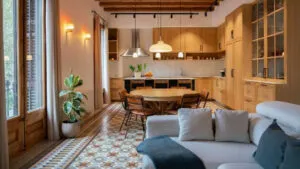
Before planning any change, Cateto analyses the light, proportions and materials. He advises checking the floors, any old coverings under the current ones, and dropped ceilings. In one project by the studio Coblonal, two original hydraulic-tile floors turned up under the new flooring - classic tiles in the living room and a mosaic in the dining room. They weren't ripped out: today they're exactly what separates the two spaces, without a single wall.
The floors are the first thing he'd save
Terrazzo, hydraulic tiles, ceramics and natural stone are the first things Cateto would inspect. They're hard to replace with anything of equal quality, and they cover a huge surface. A worn floor can often be saved with professional cleaning, polishing, replacing individual tiles or repairing the grout. With hydraulic tiles, check whether any have come loose or are missing.
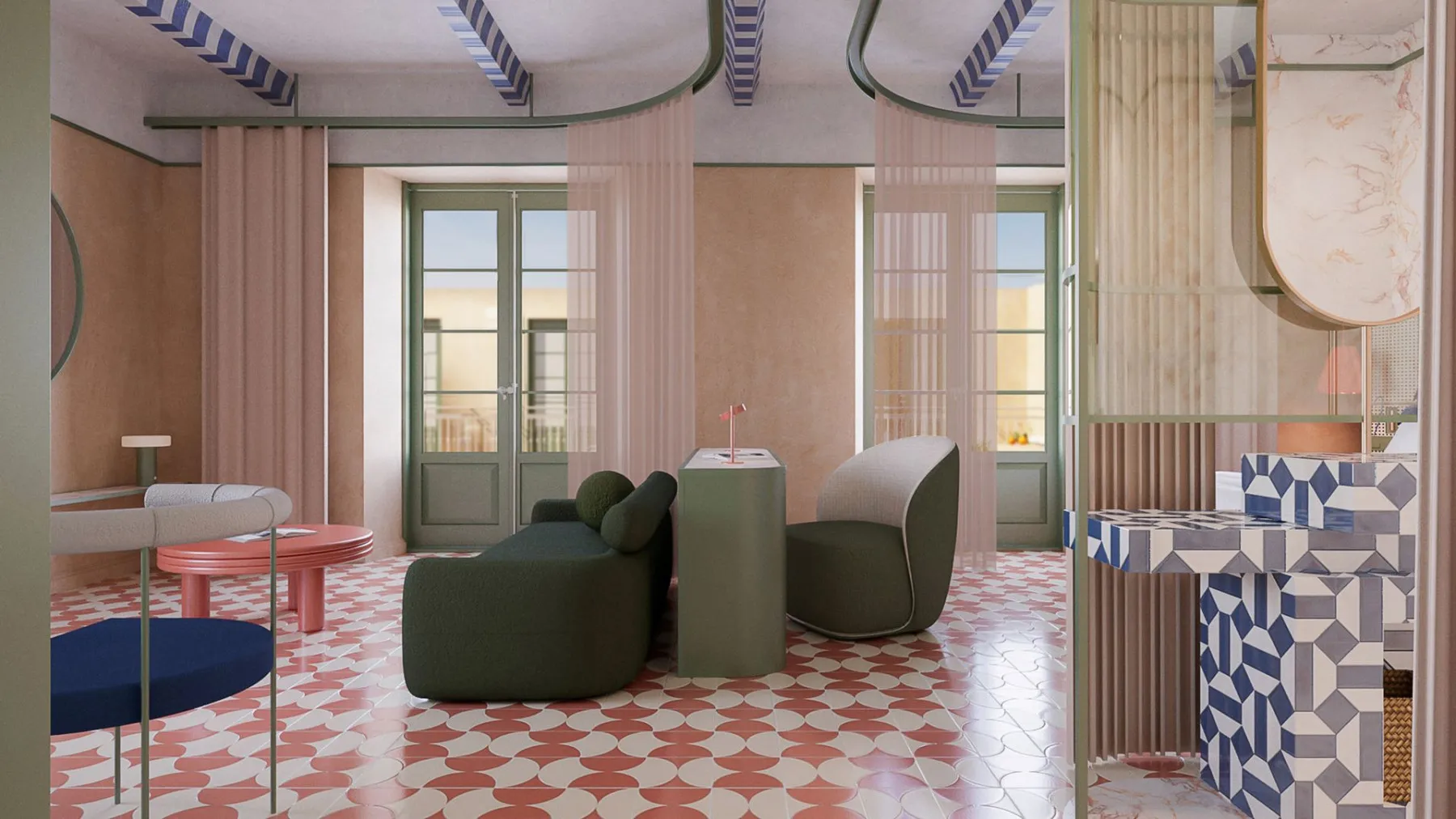
Many people want to get rid of terrazzo and old tiles just because they associate them with an "old-fashioned" house. Cateto suggests studying the material first: gather samples of paints, textiles, joinery and new finishes and put them next to the existing floor. And try professional cleaning or restoration - terrazzo can get its shine back, and hydraulic tiles their colours. Only throw the floor out once you know what it can offer. How many old Skopje flats with terrazzo ended up under laminate before anyone even cleaned it?
The details that give away the era
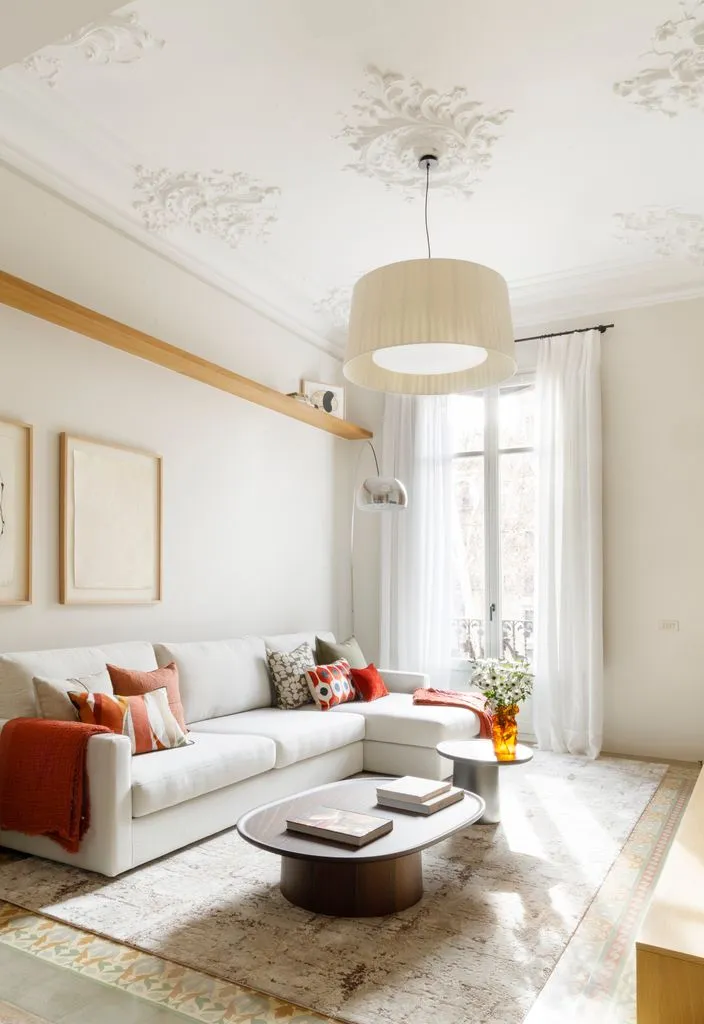
Cateto values textured or coloured glass, relief ceramics and wood with strong grain, a common sight in mid-20th-century flats. In one renovated 18th-century house, the coffered ceilings, painted white, and the handmade stained glass were preserved. But he also stands up for the modest details of houses from the sixties and seventies: the tiles, the grilles, the amber glass. "Something doesn't have to be monumental or signed to deserve attention," he says.
Age alone isn't a reason to restore something. The value of an element, according to Cateto, comes from how it connects with the rest - the entrance, the stairs, the shared spaces. So the question isn't "how old is it", but what we lose if we take it out and what the space gains by keeping it. When a 17th-century Baroque palace became a boutique hotel, the stone wall was left exposed - and became the main character in the room.
Damaged doesn't mean lost
Cateto distinguishes between surface damage and damage that threatens safety or stability. With ceiling mouldings, peeling and cracks can be repaired, but broken or missing pieces have to be reconstructed. Before deciding, you need to work out the cost, see whether there are craftspeople who still know the trade, and check how much original material is actually left.
Modern, without erasing the past
A flat can get new wiring and plumbing, more light and a new layout without losing its character. In one house the beams were kept, the partition walls were knocked down, and the space was divided again with a system of curtains. An old floor can dictate the colour palette, restored doors can stand next to modern furniture, and the original staircase can stay while the lighting and finishes change.
The same goes for furniture. A table, chest of drawers, display cabinet or armchair can have a sound frame even if the varnish or upholstery is dated. "Restoring furniture doesn't mean filling the house with old things," Cateto warns: a restored piece has to have a real use, and if it takes up too much space or is impractical, it's better to look for another solution.
Preserving saves money too - but not always
If the decision is made at the start, preserved elements can free up money. A floor in good condition saves on demolition, rubble removal, preparing the subfloor and a new floor. But restoration isn't always cheaper: badly damaged joinery or a ruined floor can cost a lot. That's why Cateto advises comparing full quotes - with installation, finishing work, maintenance and all the extras.
If he could make only three checks before allowing any demolition, Cateto would start with the floors, move on to the joinery and hardware, and finish with the structural elements: beams, mouldings, stairs, railings and openwork walls. What worries him most is the disappearance of interiors from the fifties to the seventies, a legacy he believes deserves far more recognition. He himself lives in a sixties building whose entrance combines wood, relief ceramics, grilles, amber glass and mirrors. "I'd be very sorry if it ends with us looking for the character we still have before our eyes in old photographs," he says. A line that could easily hang on the wall of every old flat in the Balkans before the builders walk in.
The latest 10 news from this category

The former tennis player bought Cromlix in 2013, at the peak of his career. Ten rooms, five suites, a chapel,...
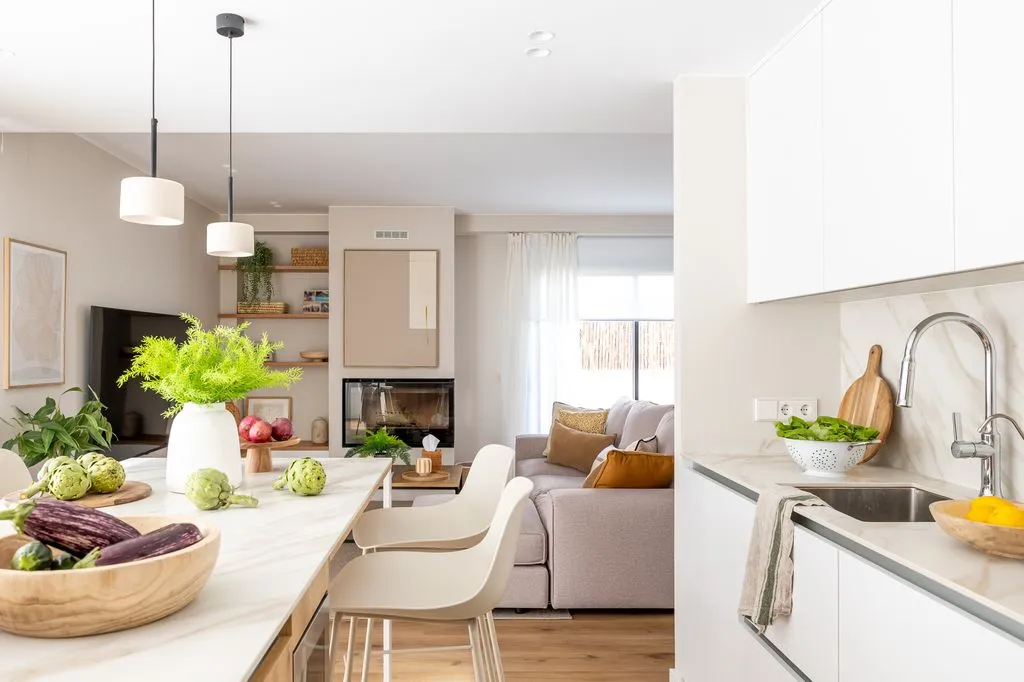
Oak, a minimalist kitchen, a spa-style bathroom and sandy tones. The Spanish designer explains why new builds look like a...
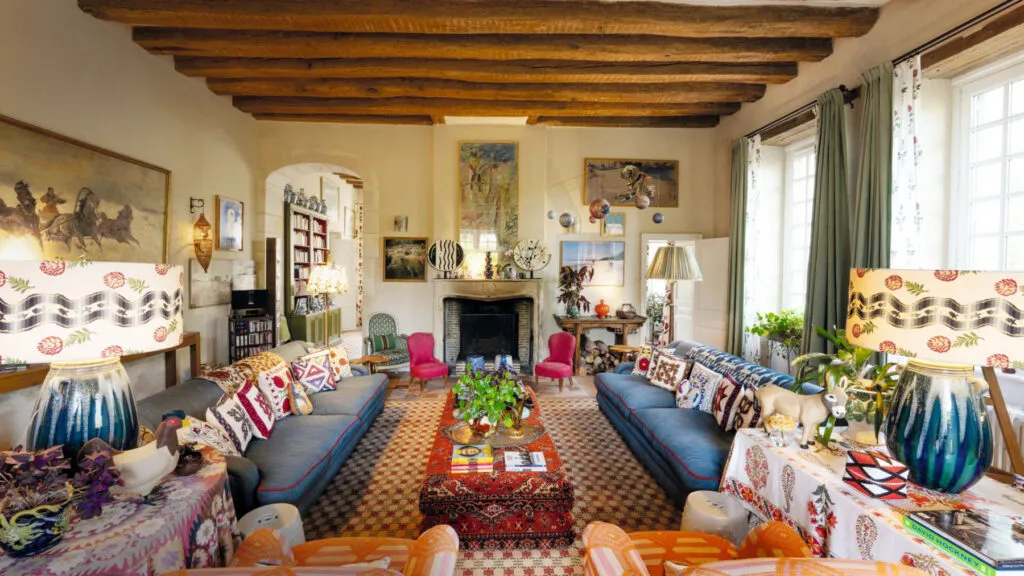
Descended from the Radziwiłłs, she grew up under communism and learned to remake everything. An 18th-century house with no minimalism...
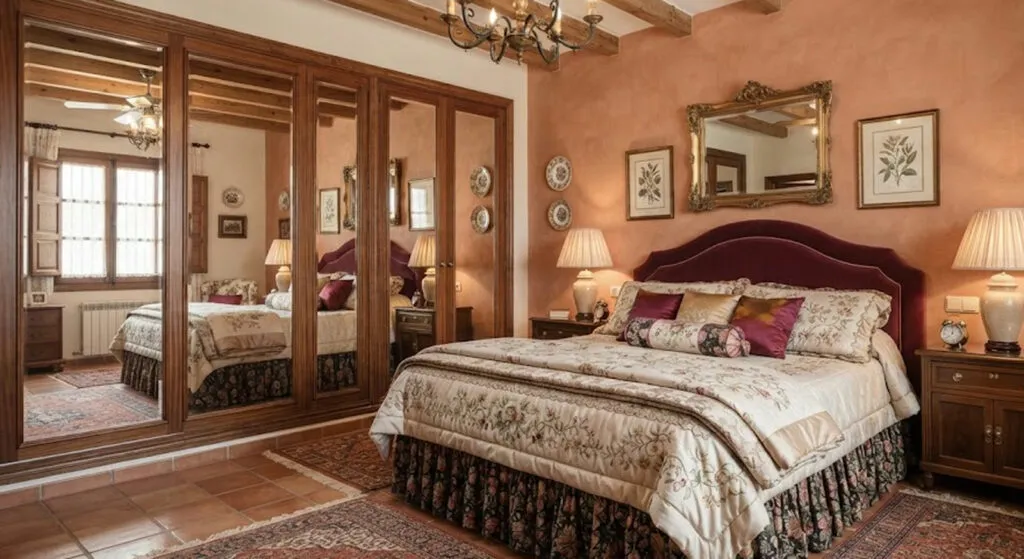
Five bedrooms, five bathrooms, a pool in Sierra Helada and not a single minimalist corner. The Spanish legend's home is...
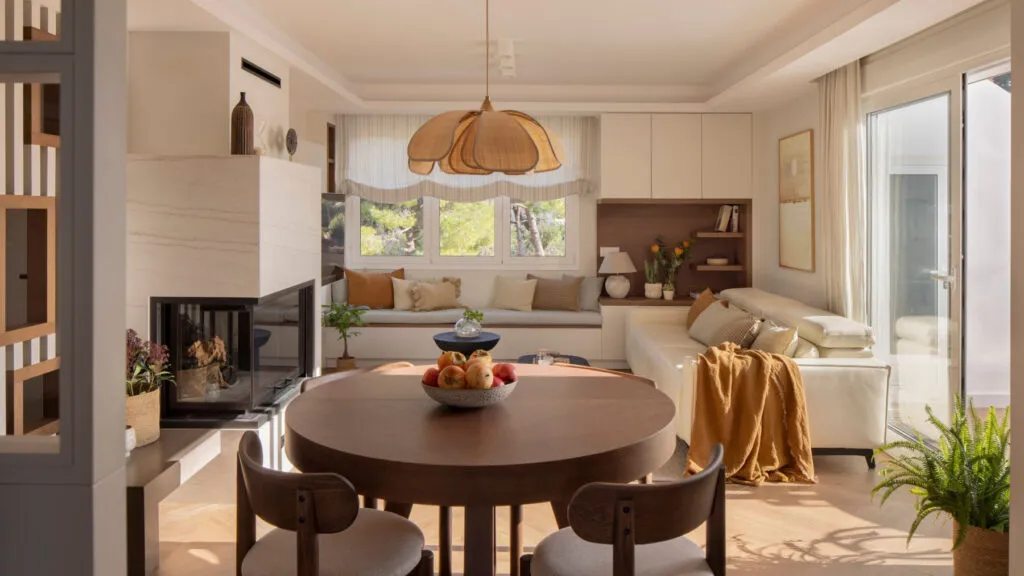
Sloping walls are usually an excuse for empty corners. Here they became a walk-in wardrobe, a reading bench and a...

The singer who joined Operación Triunfo 25 years ago has decorated a home without luxury. Most of the ideas in...
A TV presenter who lives in a rush every morning built herself a home where everything moves slowly. The best...
Before you pick a tile because it's on trend, ask the question rarely heard in a tile showroom: what will...
The designer removed an entire bedroom so the kitchen could reach the dining table. Sometimes a small flat is saved...
Bare walls, glass, an open kitchen and too much empty space: a home can look perfect and sound like an...
This site uses cookies - is that okay? Learn more
Be the first to know when Metla launches something new
Leave your email and we will write when there is a new guide or something new on Metla.