Eye Surgeries Billed Twice, Up to 4,000 Patients Hit: The Violations Were Known, the Fines Never Came
30.10.2026


30.10.2026
30.10.2026
30.10.2026

30.10.2026
30.10.2026
30.10.2026
30.10.2026
29.10.2026

29.10.2026
30.10.2026

30.10.2026

29.10.2026
30.10.2026

30.10.2026

30.10.2026
30.10.2026
29.10.2026

28.10.2026
30.10.2026

30.10.2026

30.10.2026

30.10.2026
30.10.2026

30.10.2026
30.10.2026
29.10.2026
28.10.2026

23.04.2026

23.04.2026

12.04.2026

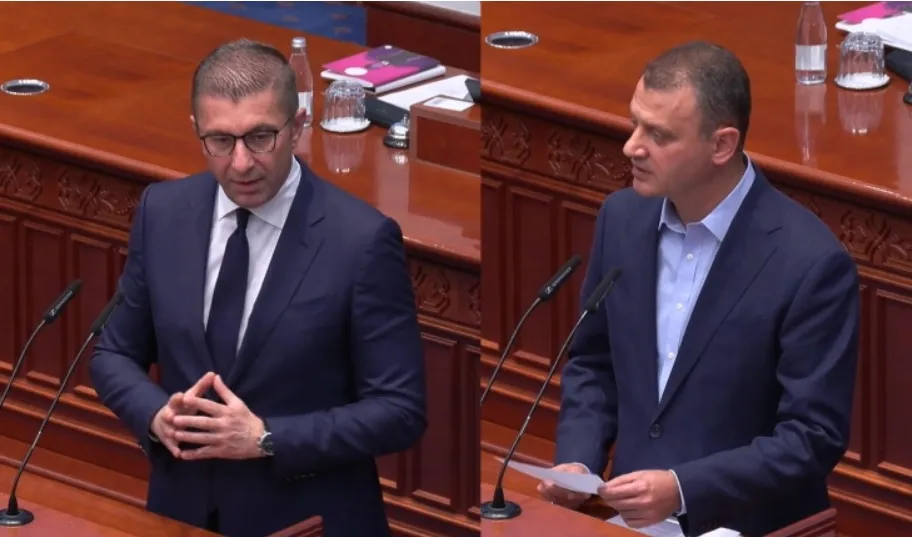
The government will not back down from merging the National Security Agency (ANB) and the Intelligence Agency. Prime Minister Hristijan Mickoski confirmed this during MPs' question time, answering SDSM lawmaker Mitko Trajčuleski, who called for the reform to be withdrawn, warning of an excessive concentration of security power and recalling the illegal wiretapping scandal.
Mickoski promised a public debate, a transparent process and stronger parliamentary oversight of the future merged agency. The reason for the reform, he said, is partly personal: "When we were in opposition we were victims of those services, and there are court cases about it." He dismissed fears of new wiretapping, arguing that the Operational-Technical Agency exists, so any surveillance outside the law would be abuse with its own accountability. The merger is part of VMRO-DPMNE's election platform, modelled, he said, on the US and Croatia.
An argument that runs in circles
There's an awkward logic here. The prime minister says his party was a victim of powerful services - so the answer is an even more powerful service, merged under one roof. The guarantee it won't be abused is the Operational-Technical Agency and "accountability mechanisms". But when the wiretapping was happening, the laws and institutions existed on paper too. The question isn't whether there will be oversight, but whether a parliament where the government holds the majority will really control the agency that same government is creating.
Borders and "free passes"
Trajčuleski also raised border control. He listed the cases of Artan Grubi, Prparim Bajrami and Blerim Ramadani, the seizure of five tonnes of drugs in Serbia, and Parliament Speaker Afrim Gashi's trip to a wedding in Kosovo. He also mentioned the case of Iva Mihajlova, about whom the Interior Ministry said there was no recorded exit from Macedonia and no legal entry into Bulgaria, even though it was reported publicly that she is there. "Political power, connections and influence cannot be a free pass to escape justice," he said.
During the session, the prime minister also defended his support for antimony mining in Luke near Kriva Palanka, citing the position of the SDSM mayor there, and pointed at previous governments over the disputed concessions. He called the accusations of crime untrue and politically motivated.
Services stay, governments change. Who will be watching the merged agency when someone else is running it?
The latest 10 news from this category
Iskra Hadži Vasileva is the new head of the Organized Crime Prosecutor's Office, chosen by her colleagues rather than by...
64 votes to 57, in an election where only prosecutors vote, not the ruling majority. A rare procedure in which...
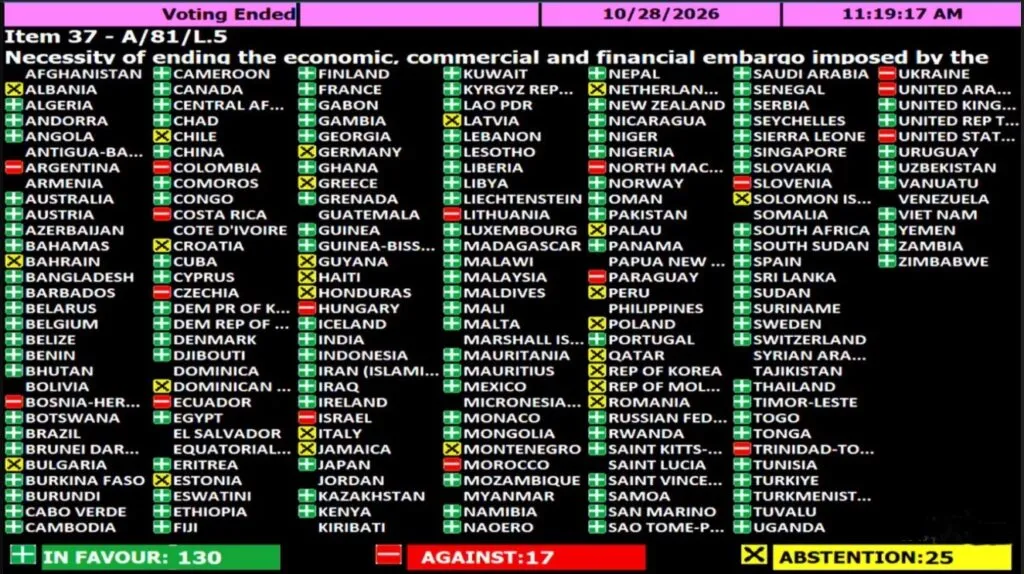
130 countries voted to lift the US embargo, 17 against. Macedonia is among those 17 for the second year running,...
Filipče says that after Vučić and Orbán, Mickoski is next. VMRO-DPMNE answers with footage from parties and a shared favourite...
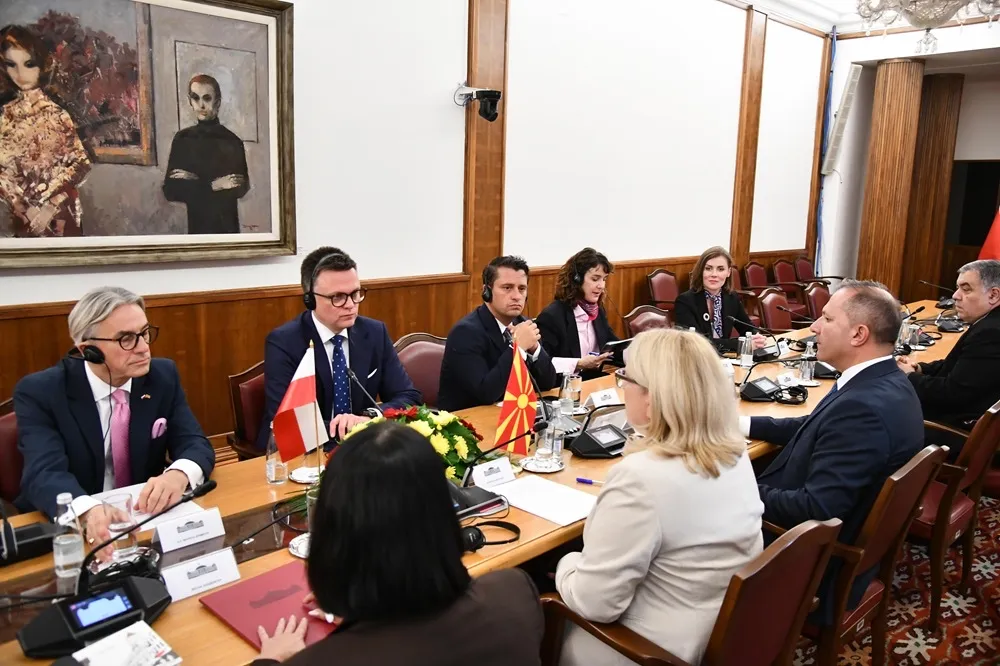
The deputy speaker of Poland's Sejm, Szymon Hołownia, spoke in Skopje about support and his hope that the open issues...
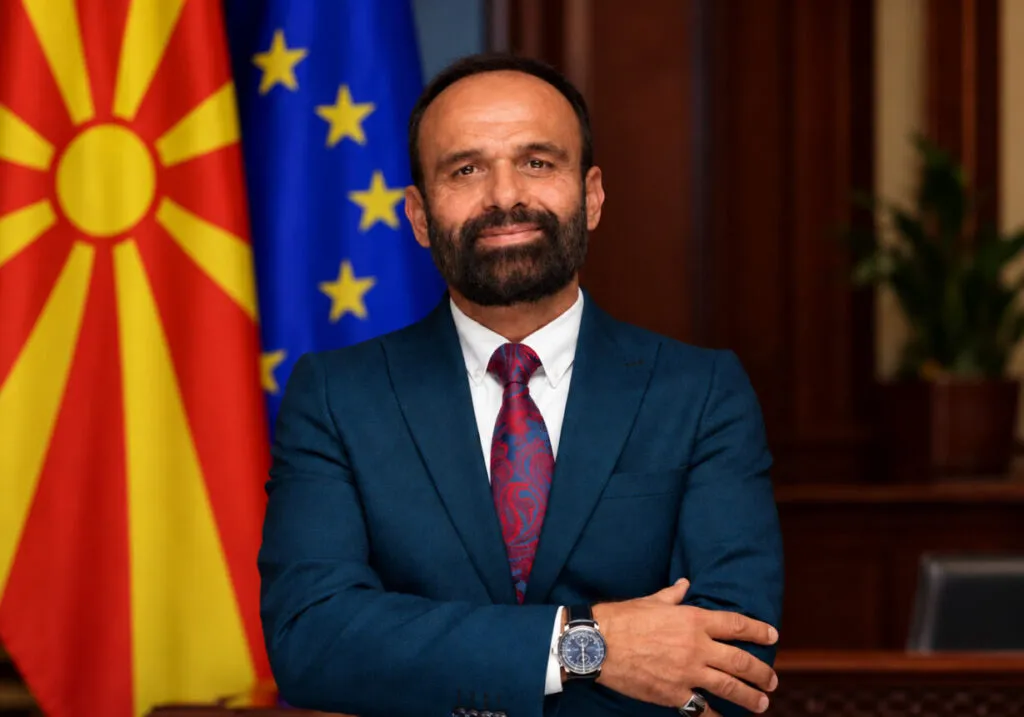
The justice minister wants an independent judiciary and non-selective prosecutors. Meanwhile, the European Commission records that the share of citizens...
In Serbia the students won, and the leader of Macedonia's SDSM is already counting which government should fall next. No...
A day before Serbia votes, Filipche accuses Vučić of preparing to steal the election, while the same post calls for...
Protests from Tirana to Paris, and in Skopje the search is on for foreign spies. Arsovski names the uncomfortable reason:...

The party leader is also the prime minister, and ahead of the runoff he is on the ground in Brvenica....
This site uses cookies - is that okay? Learn more
Be the first to know when Metla launches something new
Leave your email and we will write when there is a new guide or something new on Metla.