
Sixteen Arrests in Twenty-Four Hours, All for Drugs: The Police Are Working - But Where Are All These People Coming From?
20.09.2026


20.09.2026

20.09.2026

20.09.2026
20.09.2026

20.09.2026

20.09.2026

20.09.2026

20.09.2026

20.09.2026

20.09.2026

20.09.2026

19.09.2026

20.09.2026

20.09.2026

20.09.2026

20.09.2026

19.09.2026

18.09.2026

20.09.2026

20.09.2026

20.09.2026

20.09.2026

20.09.2026

20.09.2026

09.03.2026

27.02.2026

19.02.2026

20.09.2026

19.09.2026

18.09.2026

23.04.2026

23.04.2026

12.04.2026

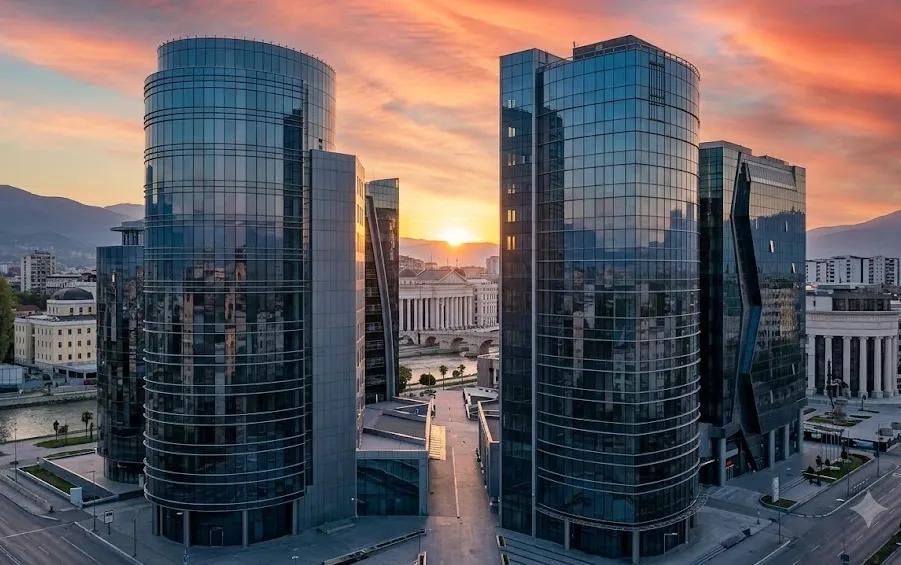
The 100 most profitable companies in North Macedonia in 2025 earned 881.1 million euros between them. That's an increase of 119.5 million euros over 2024, or around 16%. Reads as a healthy signal for the domestic economy - until you remember that half of that profit went to 13 companies.
Those 13 companies - all with individual profits above 16 million euros - earned 366.3 million euros combined. Which means: 87 companies split the remaining 514.8 million, or on average about 6 million each. Profit concentration is a reality in every economy, but the Macedonian version is especially sharp.
At the top of the list is Johnson Matthey - the British industrial group that produces car catalytic converters in North Macedonia. Their 2025 profit: 73.15 million euros. One plant - that's foreign investment, not a domestic company.
In second place is Makedonski Telekom with 40.6 million euros - more or less the usual suspect in the ecosystem. In third place is Alkaloid, one of the rare domestic companies at the top.
This finding isn't trivial. Eight out of the ten most profitable companies are the same as last year. Only two new entrants - A1 Macedonia and Makpetrol. Which means: at the top of the Macedonian economy there's almost no rotation. Same players, same sectors, same profits. That's stability for investors - and a problem for young designers, startup founders, or anyone with a new idea.
Dominant sectors: automotive industry, metallurgy, energy, telecommunications, pharmaceuticals, construction materials, food industry. Cement plants, telecoms, drugs, cigarettes, beer. That's an economic model that looks more like the 1990s than 2026. Where are the IT companies? Where are the export machinery producers? Where are the startups that grew beyond Macedonia?
The question this raises: why did 77 companies grow profit while 23 cut it? Not stated - but in a context of several years of inflation and energy instability, it means more companies passed the cost on to the buyer. We paid those profits. That's the reality behind the pretty numbers.
The latest 10 news from this category

Porsche, Alaska Airlines and J.B. Hunt are not buying startups - they are commissioning them. When innovation moves inside the...

Sold for two billion, blocked by the state, bought back by its own investors - and now worth twice as...
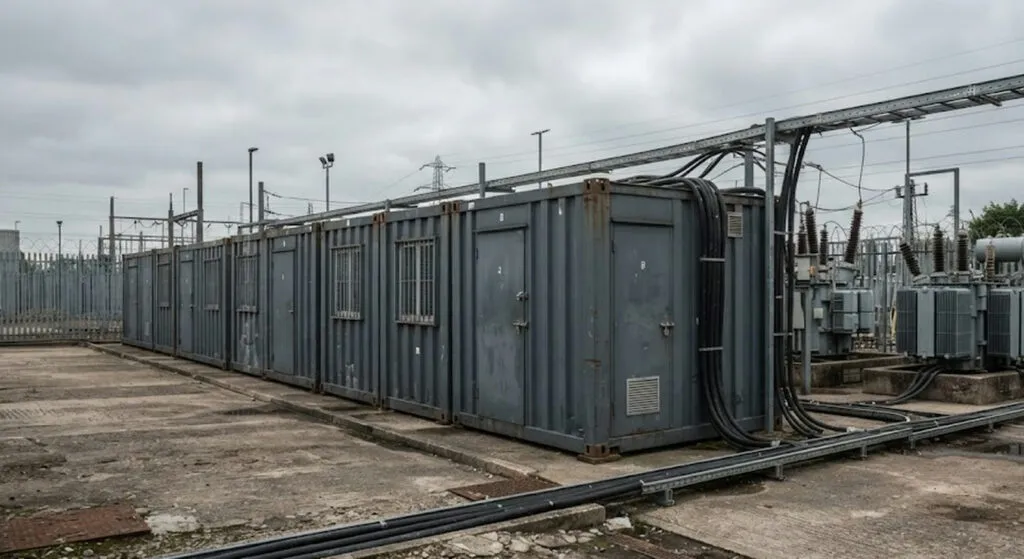
An eight-year-old firm that started out mining crypto has tripled its value in ten months. It did not discover anything...

The price of uranium has jumped 75 percent in five years, and the list of countries that mine it reads...

Exein raised 270 million dollars and its valuation jumped thirtyfold in two years. The European regulation coming into force in...

A startup valued at 94 million dollars changed hands, and both sides said openly what was being bought - not...
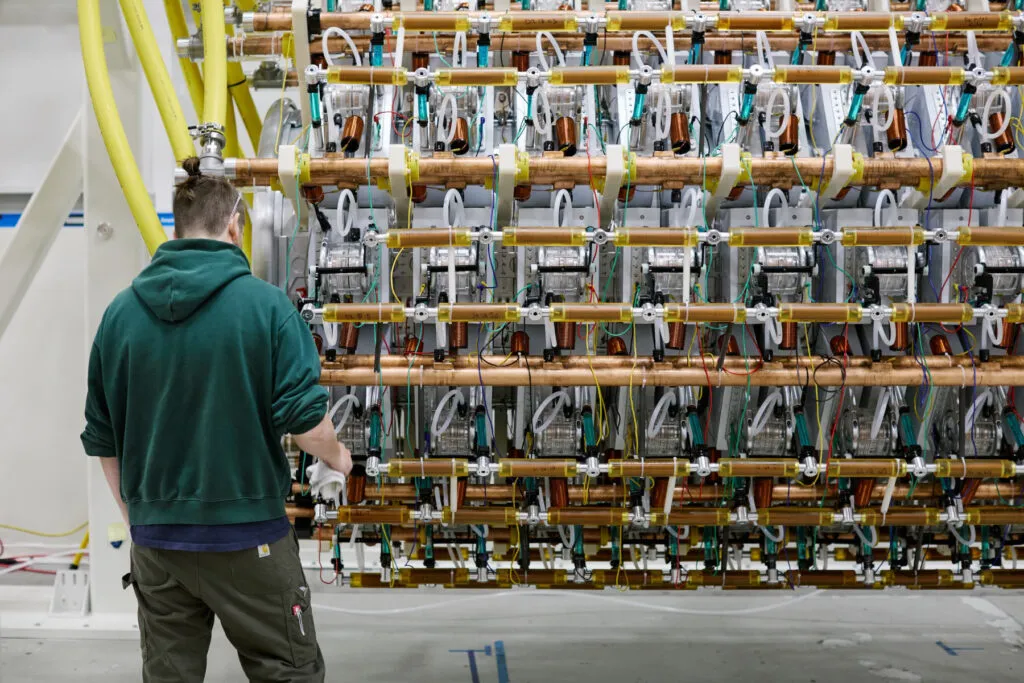
A technology sold for decades as the answer to the climate is now taking money from the defence industry. The...

The board voted, the founder kicked the administrators out of Slack and held out for three days. What does a...

Three months ago the company raised 60 million. Now it is worth almost ten times that, and its product is...

After Ohridska Banka, Sparkasse has gone after a second one. The approvals come from Podgorica, Belgrade and Frankfurt. The market...
This site uses cookies - is that okay? Learn more
Be the first to know when Metla launches something new
Leave your email and we will write when there is a new guide or something new on Metla.