
"That's not my job": the trial of the 13 Puls police officers restarted from scratch, and witnesses describe help being refused
22.09.2026


22.09.2026

22.09.2026

22.09.2026

22.09.2026

22.09.2026
22.09.2026

22.09.2026

21.09.2026

20.09.2026

22.09.2026

22.09.2026

21.09.2026
22.09.2026

22.09.2026

22.09.2026

22.09.2026

21.09.2026

20.09.2026

22.09.2026

22.09.2026
22.09.2026

22.09.2026

22.09.2026

22.09.2026

09.03.2026

27.02.2026

19.02.2026

22.09.2026

21.09.2026

21.09.2026

23.04.2026

23.04.2026

12.04.2026

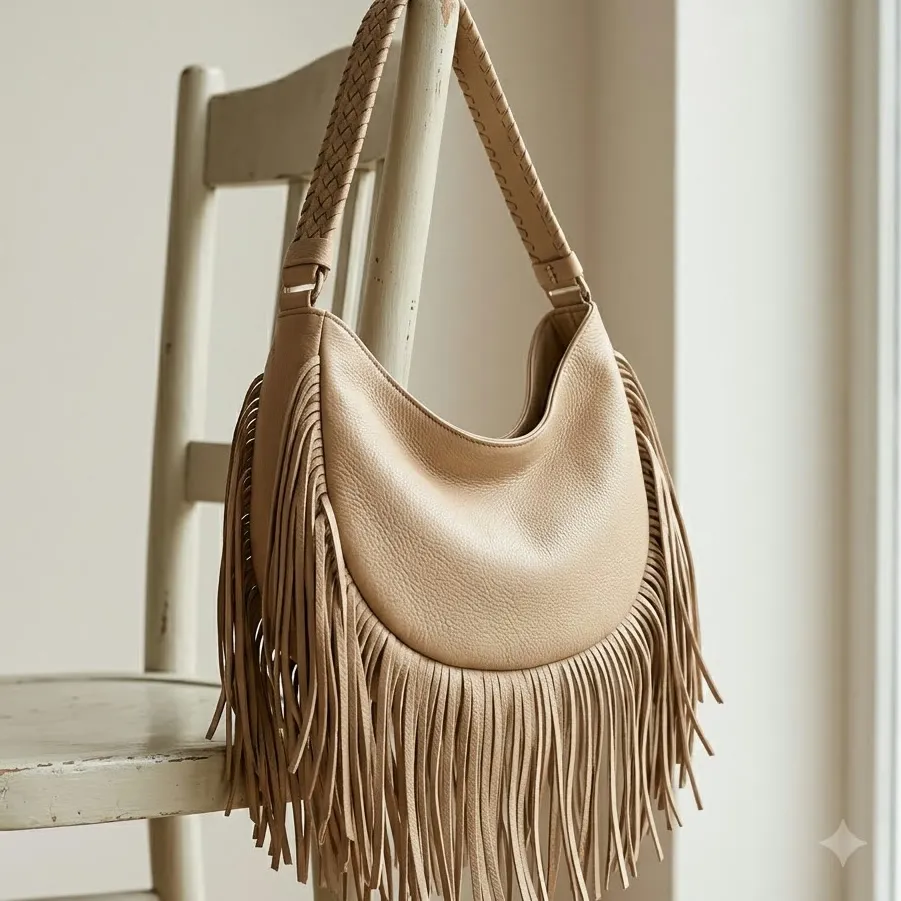
Tassels are back. Not the boho Levi's long-fringe of the 1970s, not the boem-leather Isabel Marant bag of the 2010s. This time - on bags with 40% more presence on the runways for the spring-summer 2026 season compared to last year. And it isn't a coincidence. It's a coordinated move by all the major fashion houses.
On the list: Burberry, Victoria Beckham, Bottega Veneta, Etro, Stella McCartney, Michael Kors Collection, Balmain, Acne Studios, Sportmax. When more than half of the 30 major brands suddenly pick the same idea - that's strategy, not trend.
But the new tassel isn't the one from the 1970s. Forget brown leather fringe with metal studs. This year's model is quiet, minimalist, in neutral tones - beige, cream, black, rarely a colour. The tassels don't hang like curtains - they're presented in a single layer, that delicate movement effect that makes every step slower and more graceful.
Historically, tassels don't come from the Wild West. The ancient Sumerians in Mesopotamia wore them as far back as 3,000 BCE - but not as decoration. Back then they were thick strips of wool, vertically arranged, that formed men's skirts. Women started wearing tassels on clothes only toward the end of the 18th century. At the same time they also appeared on military uniforms, on the chairs and rugs of wealthy homes.
What does this mean in practice? If you have an old fringe-bag in brown leather from 2014, this model has nothing to do with it. The same trend isn't coming back - this is a new translation. A Balkan reader will recognise this scenario - when fashion recycles what 20 years ago was thrown on the flea-market table and now sells for 800 euros under the same approach. The question is whether we're ready to pay again.
The latest 10 news from this category
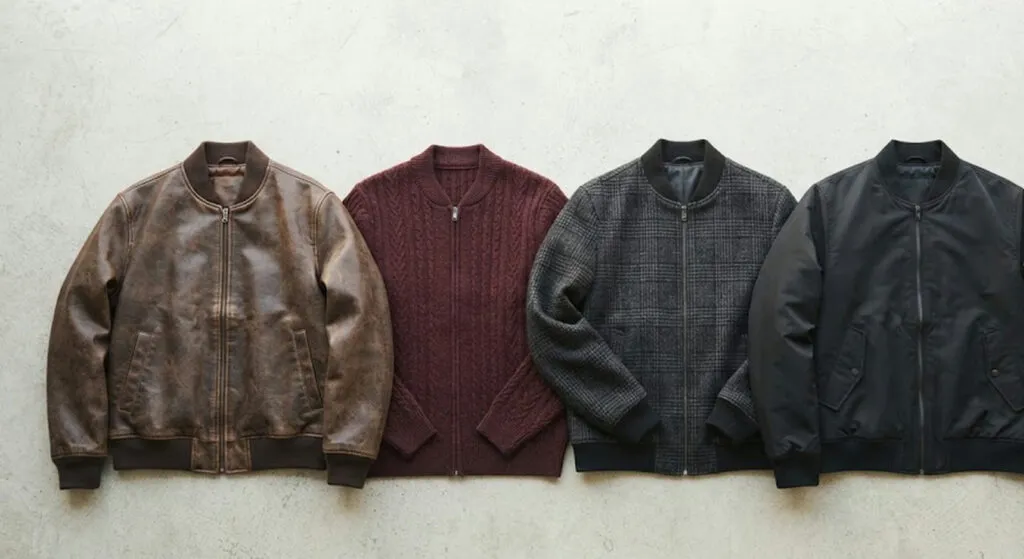
Here, half a wardrobe is bought by calculating how many years it will last. The brown leather one will look...

A decade in which aesthetic medicine sold transformation ends with one sentence: they want to look better, not different.
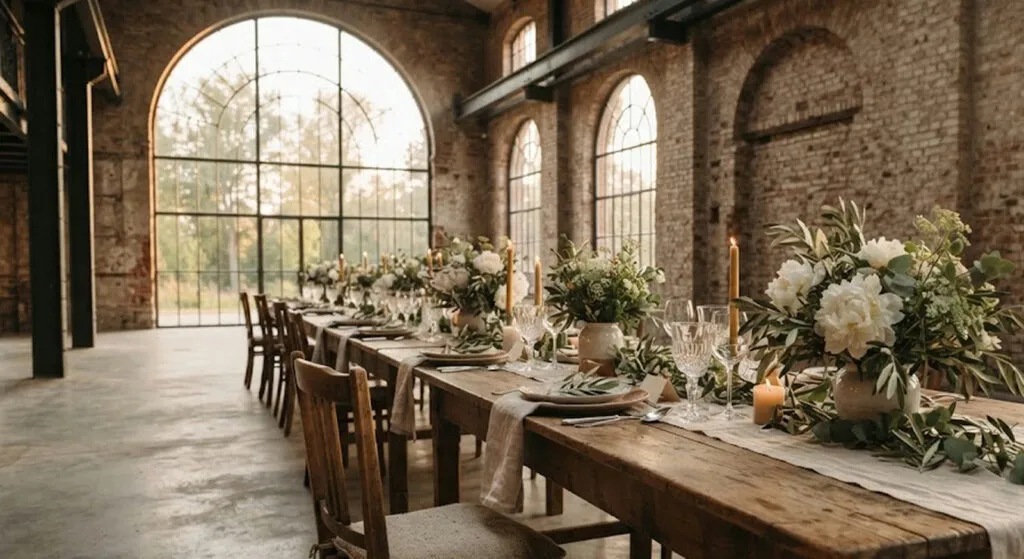
The catering was run by an uncle, the music was played by an uncle. If that sounds familiar, you have...
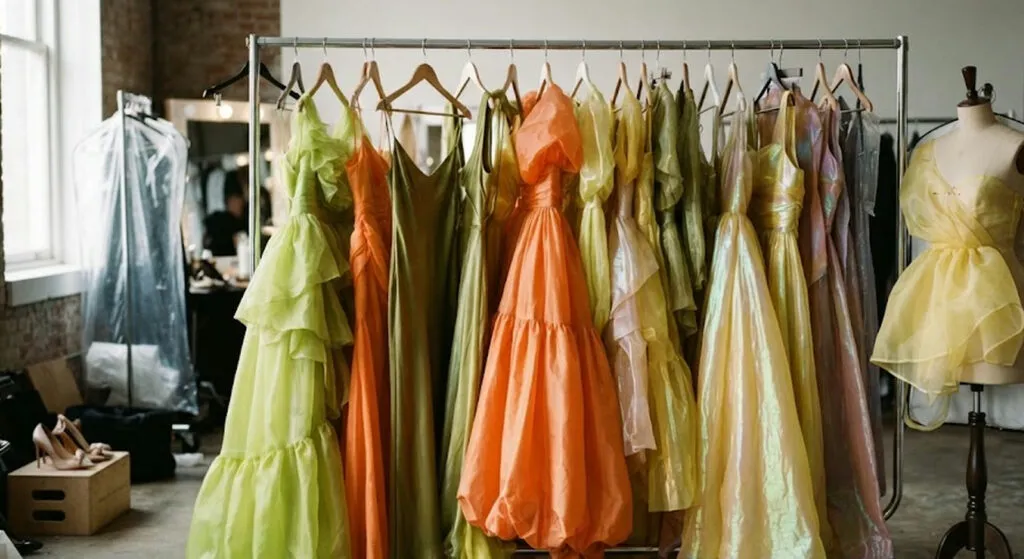
Three days in a lab coat with colorimetry scientists to produce a collection in lime and tangerine. The design director...
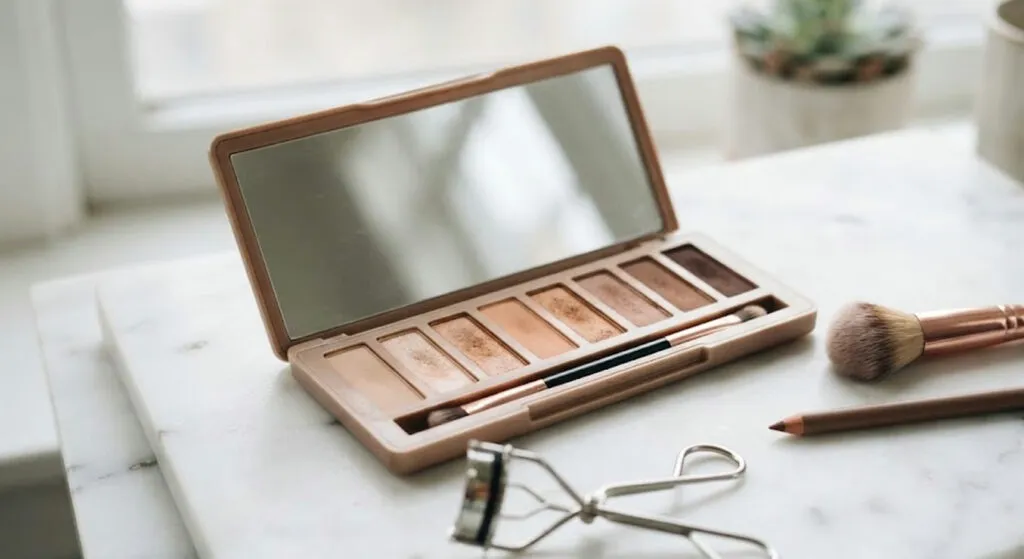
Cream concealer instead of powder, a brown pencil instead of black eyeliner, and a curler before the mascara. Not one...
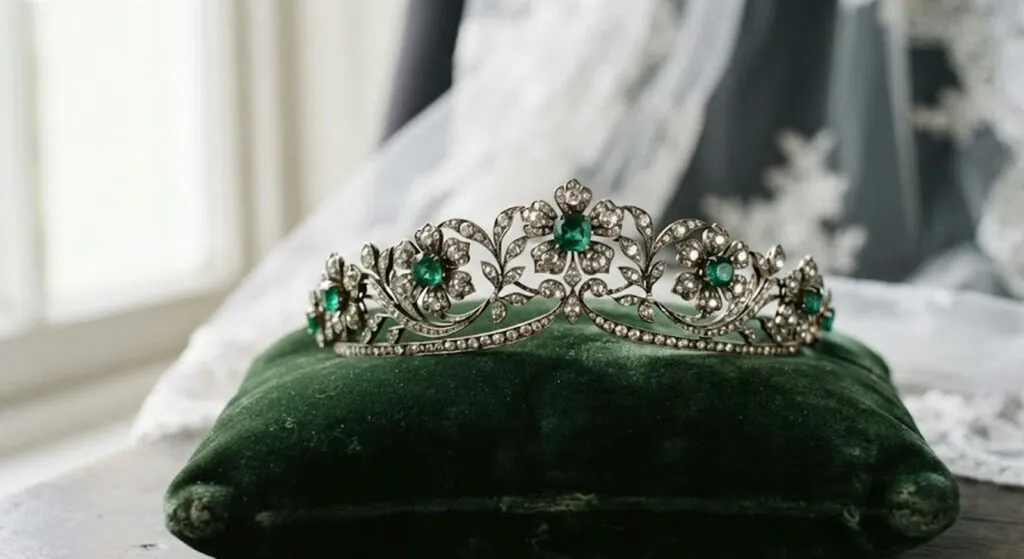
A boat-neck gown and wildflowers that deliberately refuse to compete with the jewellery. A fourth generation under the same diadem,...
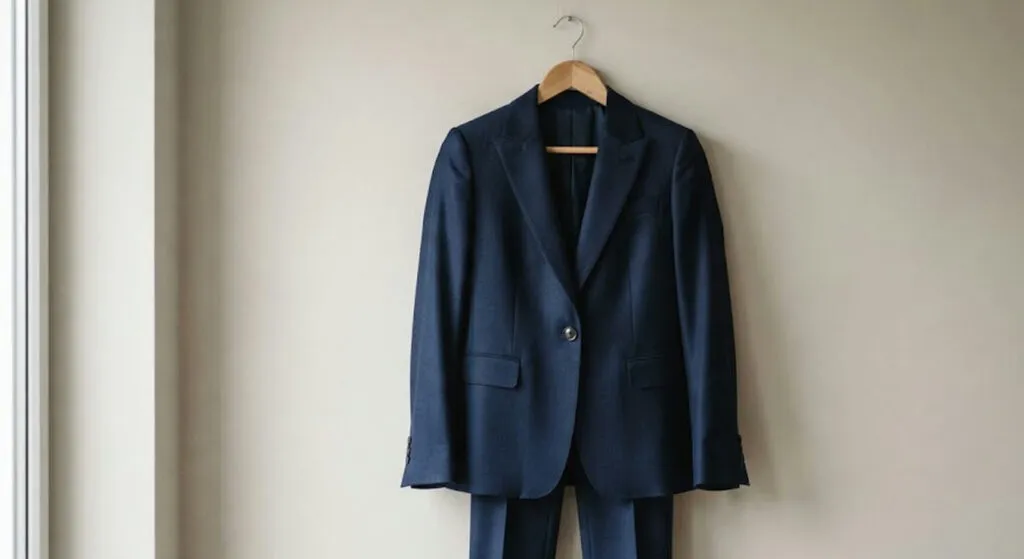
A communications expert says the trouser suit sidesteps sexist readings of hemlines and necklines. The same expert warns that the...
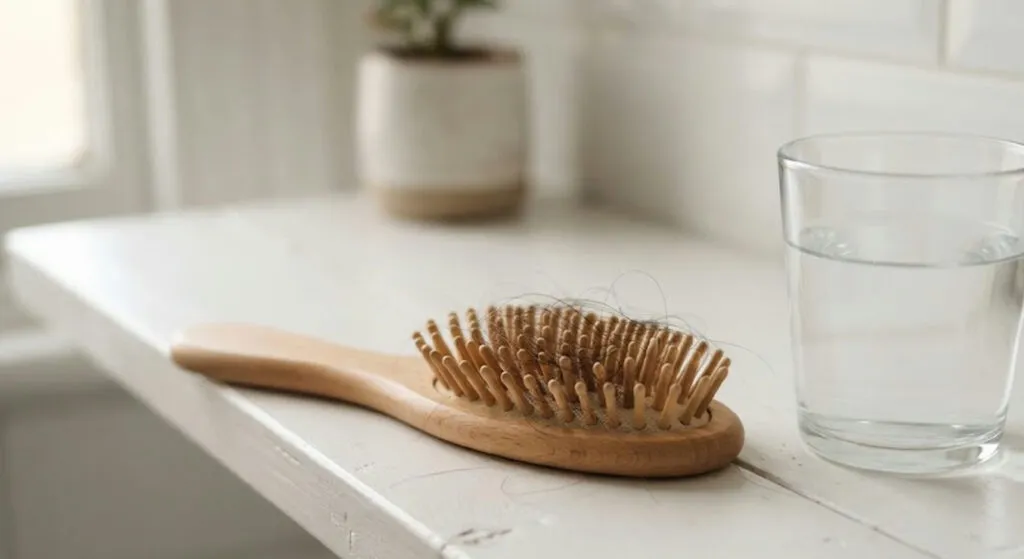
Dermatologists explain why the shedding arrives with a two to three month delay and why iron and vitamins do not...
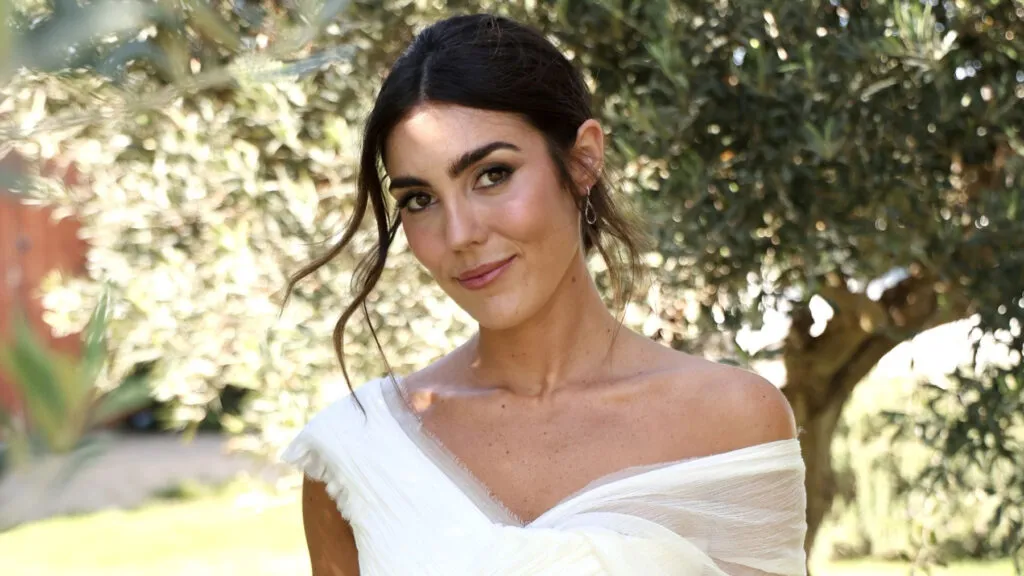
Silk bambula muslin, a hand-draped waist and a veil of crystal organza. The wedding was held in Cadiz, where the...
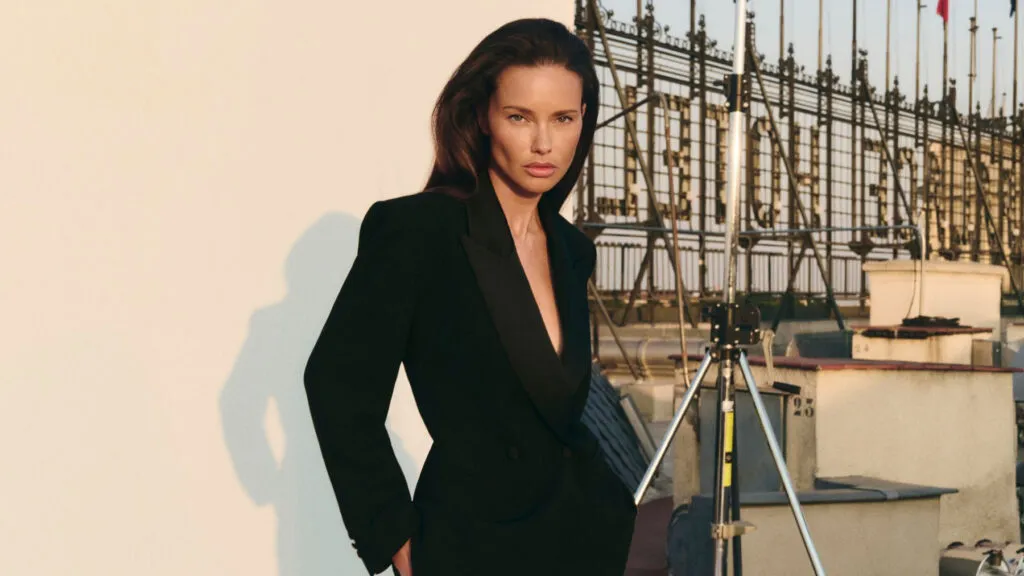
An industry that spent decades selling a flawless illusion is suddenly showing the shoot itself. That is not candour -...
This site uses cookies - is that okay? Learn more
Be the first to know when Metla launches something new
Leave your email and we will write when there is a new guide or something new on Metla.