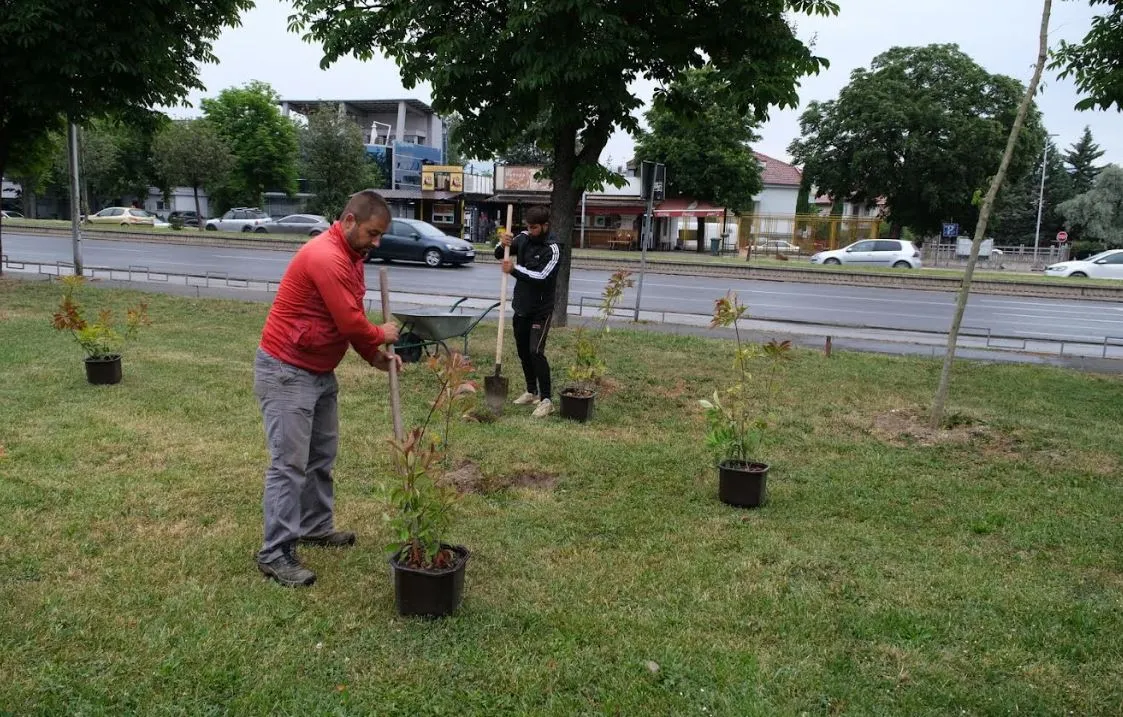
Karpoš Begins Spring Playground Reconstruction - and Plants 1,000 New Saplings Across the Municipality
20.05.2026


20.05.2026

20.05.2026

20.05.2026

20.05.2026

20.05.2026

20.05.2026

20.05.2026

19.05.2026
18.05.2026
20.05.2026
20.05.2026
19.05.2026

20.05.2026

20.05.2026
20.05.2026

20.05.2026

19.05.2026

18.05.2026

20.05.2026

20.05.2026

20.05.2026

09.03.2026

27.02.2026

19.02.2026

19.05.2026

19.05.2026

16.05.2026

14.04.2026

07.11.2025
07.11.2025

23.04.2026

23.04.2026

12.04.2026

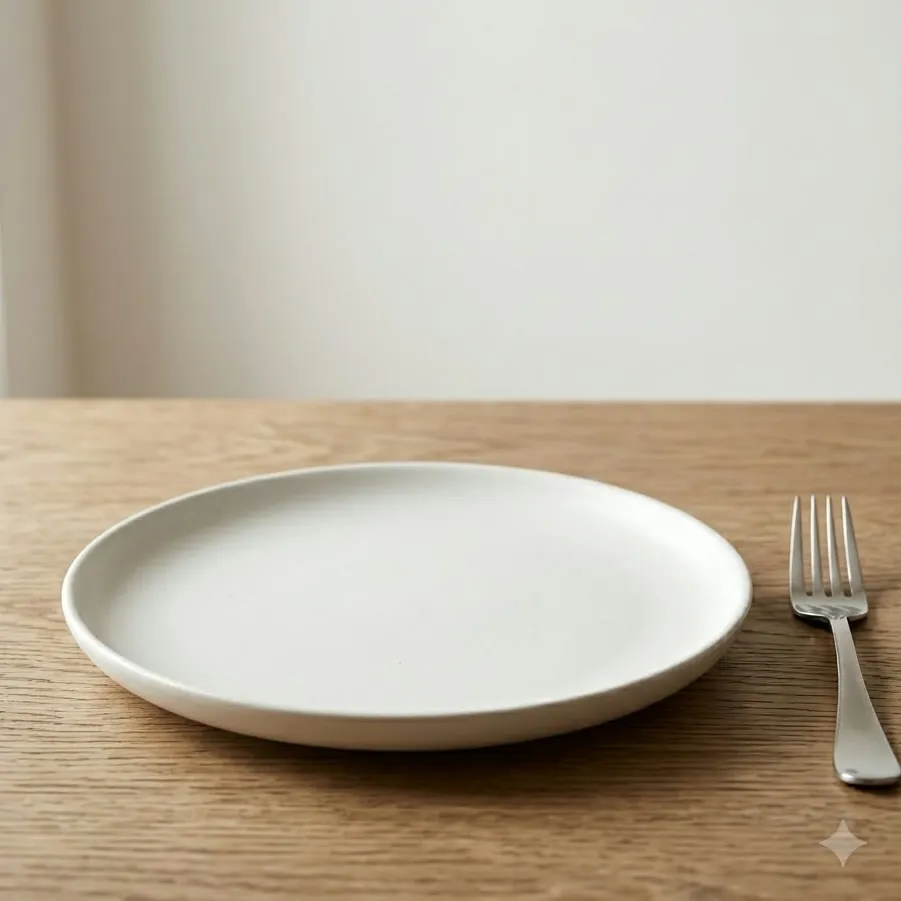
"You don't leave the table until you've eaten everything." The sentence that an entire generation growing up in the '60s, '70s and '80s heard. A teaching message, a habit, a routine. It turns out that sentence is one of the reasons why in their late thirties and forties more than half of adults have problems with eating and weight.
Nutritionist Iolanda Masa from the "Blua de Sanitas" medical centre in Spain has explained the story behind what in the professional world is called "clean-plate culture". The point: we are trained to look at the empty bottom of the plate as the sign that we're done - not what the body is saying.
"The problem appears when an external norm gets imposed over the body's natural signals," Masa says. Even more importantly, her message isn't to find someone to blame. Parents did it out of care - they wanted us to be full, for food not to be left over, for us to learn "to value" a serious meal. Back then that was healthy parenting. Today nutritional advice is completely different: don't force children to eat to the end. Respect when the body says "enough".
What happens physiologically? The signal of satiety doesn't come in a single moment - it builds. The hormones ghrelin (sending the "I'm hungry" signal) and leptin ("I'm full") talk to the brain. But it takes around 15 minutes for the signal to reach the brain. Which means: if you eat fast - often on the phone, in front of a computer or with the TV on - you'll eat much more than you need before the brain even registers that you're full.
For a Balkan context this is especially relevant. Grandma's kitchen, Sundays full of guests, "you have to eat more" - all of it is a real and beautiful cultural tradition. But when every meal lasts 15 minutes and ends with an empty plate, the body never learns when to say "enough". Masa recommends: serve smaller portions, pull the distractions away when eating, take a break in the middle of the plate - check whether you're still hungry. And by all means: drop the complex around leftovers. They can become dinner tomorrow. It's not a sin not to eat everything.
The latest 10 news from this category
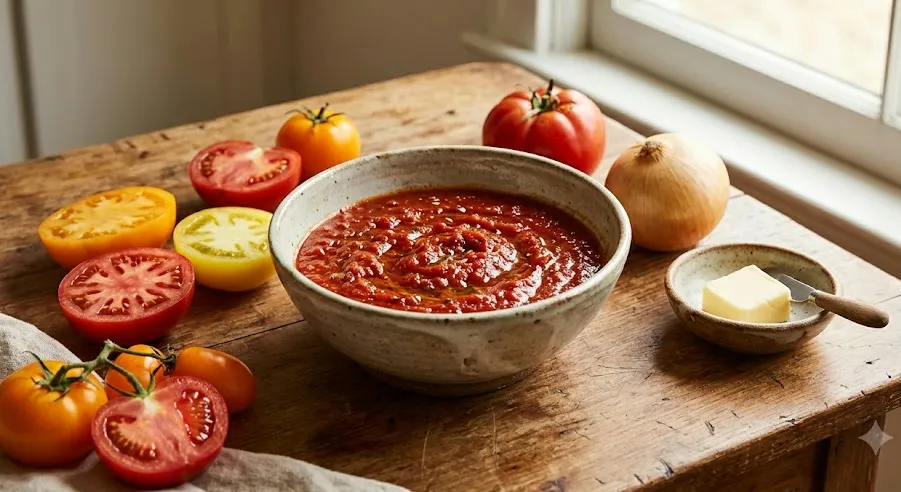
Marcella Hazan wrote it down in 1973. Home cook, no Italian deli required. A result your grandmother's kitchen knew for...
The season is short - which is exactly why it's sacred. From Italian bread to cold Andalusian soup, and from...

The marketing of "natural gut remedies" is a huge industry. Doctors at Madrid's 12 de Octubre hospital explain exactly why...

It's not a recipe, it's a principle - more vegetables, more season, and sofrito as the heart of the flavor....

No Ozempic, no hidden treatments - the actress reveals her method: two eggs, sleep, and control. Nutritionists explain why protein...
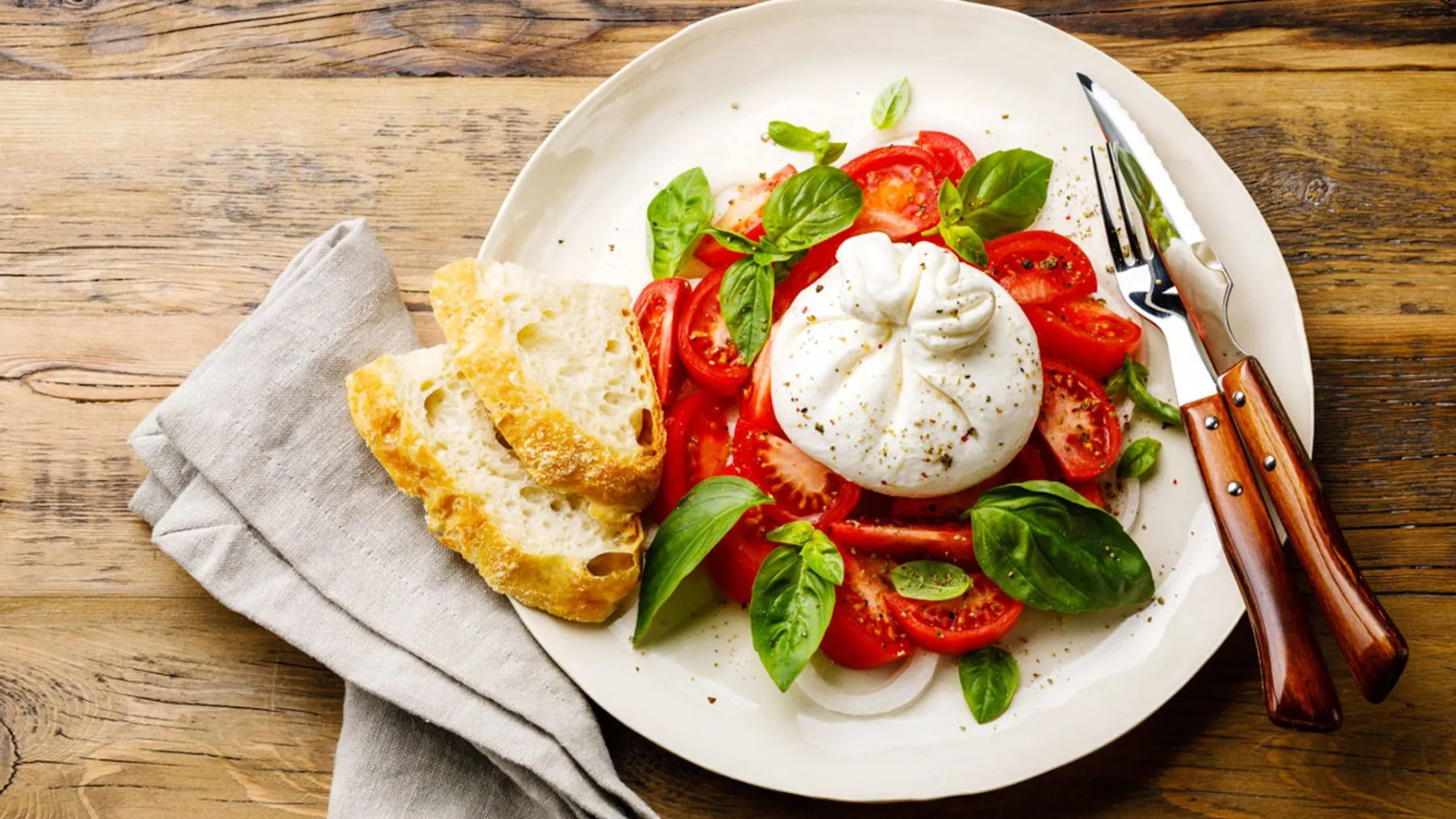
The little round pouch of mozzarella and stracciatella works with everything - from a classic Caprese to a beetroot carpaccio....

Seven strategies from Dr Camino Diaz - sunshine, movement, activating the vagus and less snacking between meals.

No grated carrots. No cream cheese. Coconut oil, coconut sugar, and quiet elegance instead of everything you buy at the...

Sports doctors explain the rules everyone skips. Big muscles need 48 to 72 hours to recover. Daily ab exercises don't...
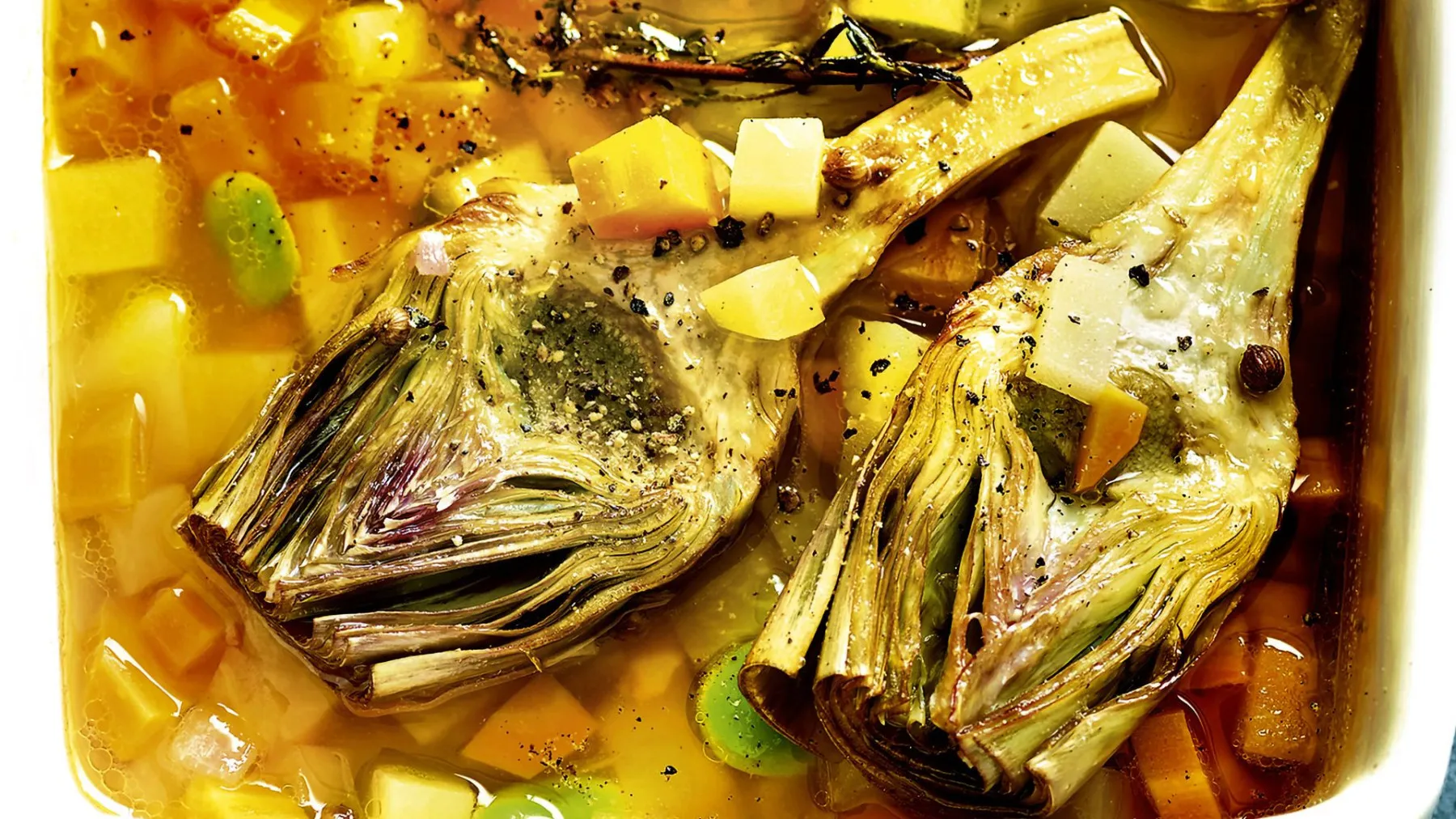
A Provençal classic for four portions, ready in under an hour. Quiet, no pretension, and proof that dry white wine...