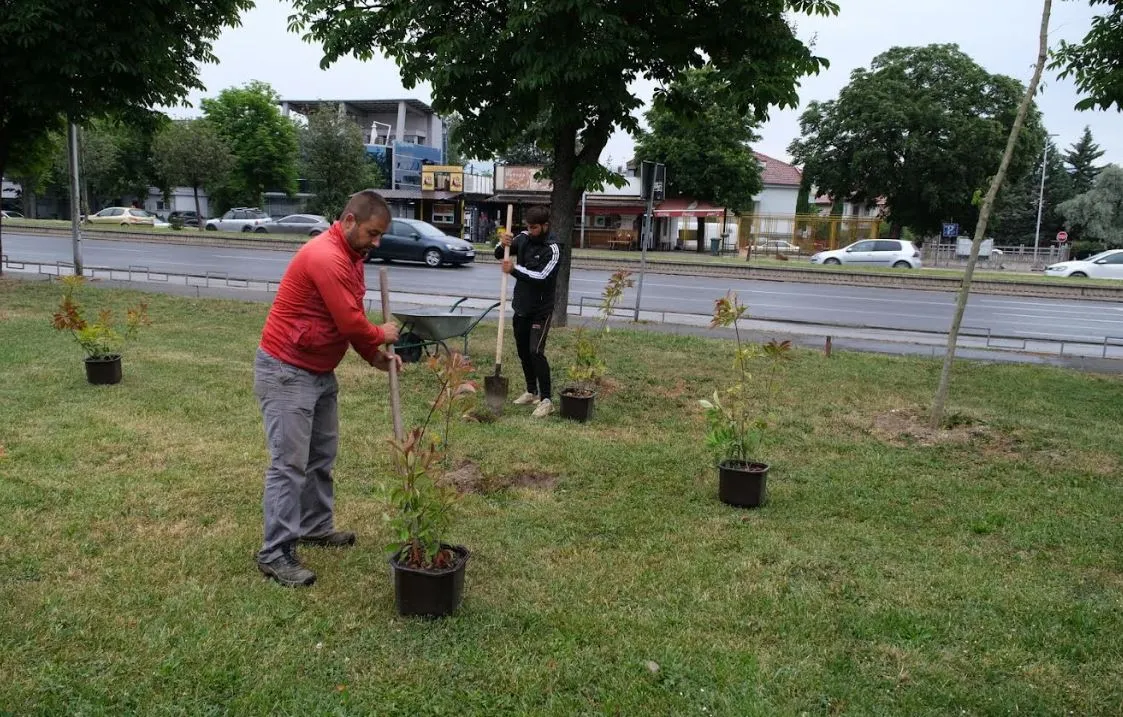
Karpoš Begins Spring Playground Reconstruction - and Plants 1,000 New Saplings Across the Municipality
20.05.2026


20.05.2026

20.05.2026

20.05.2026

20.05.2026

20.05.2026

20.05.2026
20.05.2026
19.05.2026
18.05.2026

20.05.2026

20.05.2026

19.05.2026

20.05.2026

20.05.2026

20.05.2026

20.05.2026

19.05.2026

18.05.2026

20.05.2026

20.05.2026

20.05.2026

09.03.2026

27.02.2026

19.02.2026

19.05.2026

19.05.2026

16.05.2026

14.04.2026

07.11.2025
07.11.2025

23.04.2026

23.04.2026

12.04.2026

Skopje's Interior Ministry reported a new case of peer violence. A 17-year-old student from a high school in Karpoš municipality was physically attacked by her classmate, who - according to the report - had been psychologically abusing her for a long time.
The case was reported by the girl's father, O.S. (45) from Skopje, on 18 May at around 7:15 PM. According to the report, the physical attack happened that same day at around 2:30 PM, on school premises. Police are taking measures to investigate.
What makes this case especially serious is that it is not an isolated incident. The psychological abuse, according to the father, went on for a long stretch of time. In other words, the girl was living in fear before the physical attack ever happened. It's a story that repeats itself, and what you find inside it is a chain of institutional failures.
How many teachers at that school knew about the psychological abuse? How many of the attacker's parents received a warning before the case escalated? How many hours of counselling were there with a psychologist, and what came of them? All these questions stay open. The reality is that most high schools in North Macedonia don't have a functioning psychological service with proper resources. They have one psychologist for 1,500 students. That isn't a service - that's symbolism.
Peer violence in North Macedonia has a formula: it starts with words, continues with isolation and humiliation, and ends with physical violence. By the time it reaches the physical stage, it's already late. The victim's family carries psychological consequences that drag on for years. The attacker, in many cases, receives no serious consequence - because he's a minor, because people think "he'll grow out of it", because nobody has the energy to see it through.
What the media doesn't cover is how many cases stay unreported. Families who feel ashamed. Girls who eventually accept the abuse as "normal". Girls who switch schools without anything substantive being resolved. The question every school in North Macedonia should ask itself today is simple: do you know which girl in your school is right now afraid to come in tomorrow?
The latest 10 news from this category
Photinia, thuja, nandina, boxwood - all picked for drought resistance. The municipality claims it's the greenest in the country. The...
The proposal was copied from a Skopje city decision that the Constitutional Court struck down as unconstitutional in 2023. Now...
Coordination between municipalities during fires, plus an idea for municipalities as energy players through solar installations. The question is which...

The Museum of Contemporary Art is six hours without power. All of Đorče Petrov is without water until repairs are...
They demand the high-achievement scholarships back, an answer on the Faculty of Philosophy case, and an end to institutional violence...

A working morning at the court that could routinely redraw the legal system in several areas. The question is whether...
An anonymous complaint from a group inside the Interior Ministry claims data was copied and encrypted, with suspicion it reached...

A Gostivar-Istanbul bus, a gold ingot wrapped in white paper. Criminal charges for smuggling. And a story about how smugglers...
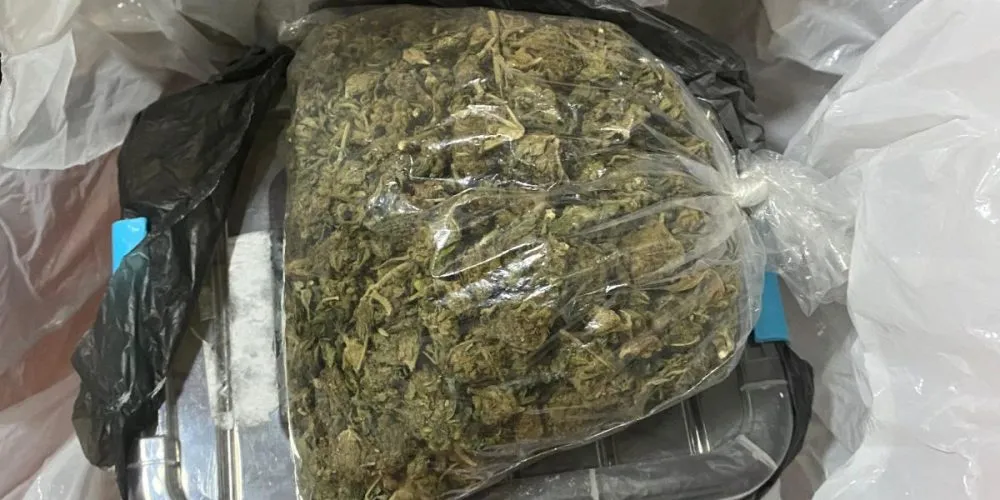
Macedonian citizens tried to take the consignment to Greece in a rental car. The seizure is historic - and raises...
1.6 billion dollars in daily economic damage. Ten million hectares of cedar and cypress. And a story about what happens...