
Karpoš Begins Spring Playground Reconstruction - and Plants 1,000 New Saplings Across the Municipality
20.05.2026


20.05.2026

20.05.2026

20.05.2026
20.05.2026

20.05.2026
20.05.2026
20.05.2026
19.05.2026
18.05.2026
20.05.2026

20.05.2026

19.05.2026

20.05.2026

20.05.2026

20.05.2026

20.05.2026

19.05.2026
18.05.2026

20.05.2026

20.05.2026
20.05.2026

09.03.2026

27.02.2026

19.02.2026

19.05.2026
19.05.2026

16.05.2026

14.04.2026

07.11.2025
07.11.2025

23.04.2026

23.04.2026

12.04.2026

Brent crude is moving around 110 dollars a barrel this morning, up 1.90 percent. At the same time, WTI crude jumped above 107 dollars, a 2.32 percent increase. European markets are mixed - not chasing a rally, not falling either. A tight market waiting for the next signal.
What's driving the rise? According to market analysis, two factors are key. First - geopolitical risk around Iran and the Persian Gulf. Donald Trump temporarily suspended a military strike on Iran, and the markets took the news by stripping the "war premium" out of the price. Now, with uncertainty about what comes next, prices are creeping back up.
Second - fuel demand ahead of summer. Seasonally, May-June is a period of increased transport in Europe and the US. Airlines stock up their reserves for the summer calendar. Shipping and trucking firms refill their consumption.
What does this mean for an ordinary citizen? Petrol will get more expensive. A simple correlation: if crude rises 2%, that on average means pump prices for petrol and diesel rise by roughly 1-2 denars a litre within 7-14 days. On an annual basis, for someone driving 15,000 km - that's 200-300 euros in extra spend.
For a Balkan context, 110 dollars is ten percent higher than a year ago. That makes regional fuel chronically problematic - especially because our wages don't rise proportionally. When the price of oil fell in 2020-2021, we didn't see serious drops at the pumps. When it rises - we pay the difference immediately.
Gold prices are simultaneously moving around 4,545 dollars an ounce. That's a signal that investors are nervous - when gold jumps, money looks for safe harbour. The euro sits at 1.164 dollars, which is stable. Wheat at 6.54 dollars a bushel, in slight rise. All signals - moderate instability, no real panic. For now.
The latest 10 news from this category
Johnson Matthey, Makedonski Telekom, Alkaloid. Same players as last year. And one more story - 77 out of 100 companies...
Under pressure from Trump's announced 25-percent tariffs on European cars from 4 July. The agreement has a sunset clause in...

End-to-end encryption is now the standard on Discord. Meta just killed it on Instagram. TikTok won't even start. What does...

The idea: AI-generated role-play as a replacement for traditional social networks. Investors are bought in. The question is whether the...

One of the most recognisable AI researchers jumps to the competitor. Team: pre-training. Goal: AI-assisted research, not more chips.
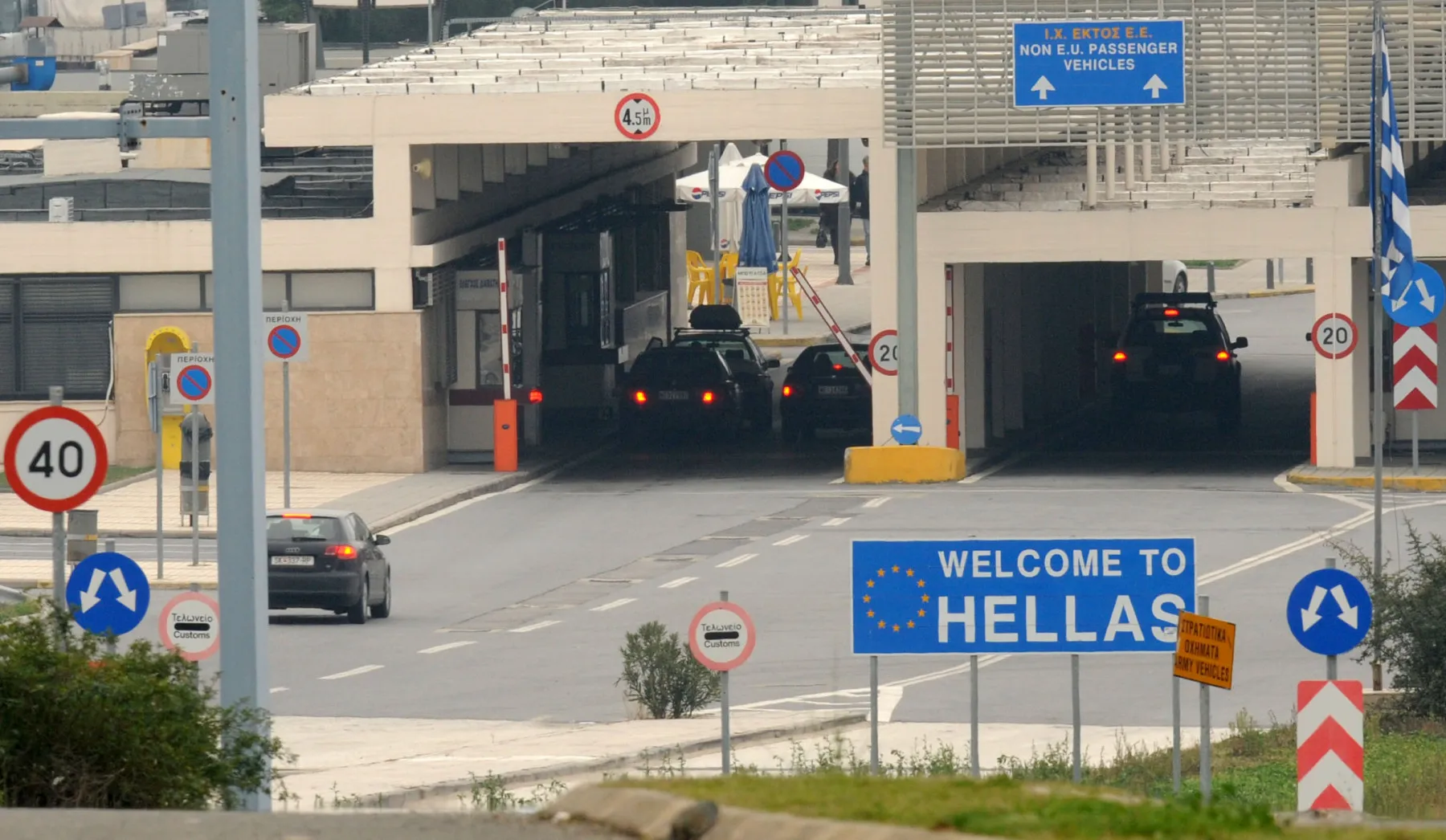
Got summer driving plans? You've been handed a little more time. 30 euro fine, 16 specific items, valid expiry date...
EUROSUPER BS-95 to 87, BS-98 to 89, diesel to 92 denars. How much extra revenue does the state pocket from...

Skopje Airport doesn't pay. A change in Vienna means at least 90 extra minutes per trip and 60-100 euros more...

America's largest public health system didn't notice the intrusion for three months - and once it did, the website went...
Buy the pillar, then pull it out from under everyone else. Over 300 million dollars for Stainless means competitors will...