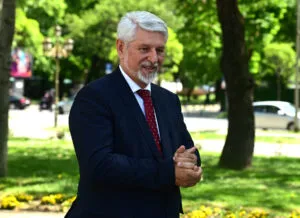
A New Criminal Complaint Against Jakimovski: A Building Permit Based on a Plan Struck Down Back in 2018
16.09.2026


16.09.2026
16.09.2026

16.09.2026
16.09.2026
16.09.2026

16.09.2026
16.09.2026

15.09.2026

14.09.2026

16.09.2026

16.09.2026

15.09.2026

16.09.2026

15.09.2026

14.09.2026

16.09.2026

16.09.2026

16.09.2026

16.09.2026

15.09.2026
15.09.2026

09.03.2026

27.02.2026

19.02.2026

16.09.2026

15.09.2026
14.09.2026

23.04.2026

23.04.2026

12.04.2026

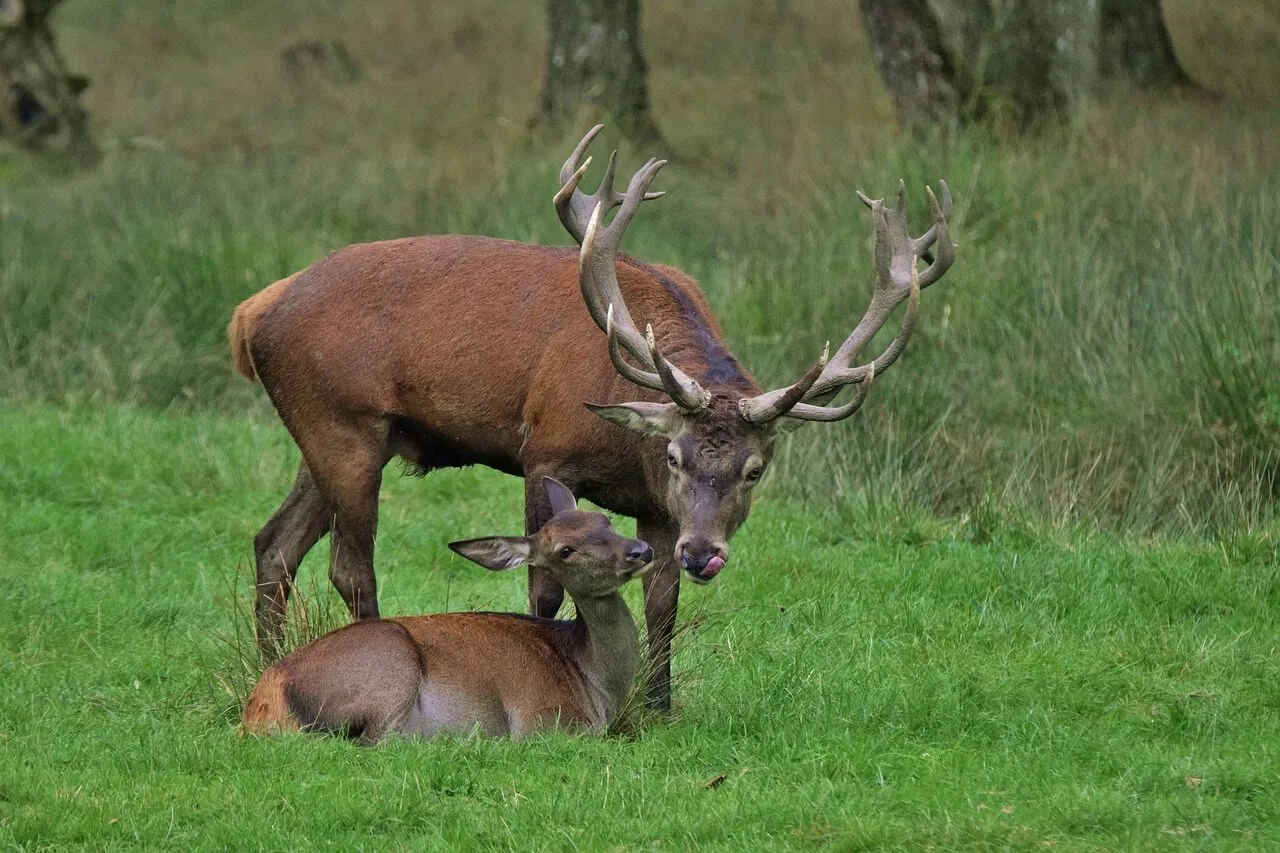
Tomorrow, April 26, marks 40 years since Chernobyl. The disaster that in 1986 changed the history of nuclear energy, contaminated over 150,000 square kilometres, and forced the evacuation of more than 350,000 people - now has a new source of concern: the ongoing military conflict in Ukraine.
The exclusion zone, where people still cannot live, has become something unexpected: a sanctuary for wildlife. Wolves, deer, lynxes, wild boars, and even Przewalski's horses - a species once on the brink of extinction - now inhabit the abandoned forests and ruins. Nature returned to where humans left. But this is not just a recovery story.
The growing concern comes from a new reality: the "sarcophagus" - the enormous metal structure covering reactor No. 4 - carries new risk in the context of the military conflict. Greenpeace warns that without urgent action, environmental consequences are possible. Military activity in the region and fires that periodically release radioactive particles are putting the safety of all of Europe into question.
40 years later, radiation has no borders - we knew this since 1986. The question is whether Europe has drawn the right lessons: that nuclear facilities and active conflict zones cannot exist in the same sentence.
The latest 10 news from this category

Sanctions imposed over one war are being offered as currency in an entirely different dispute. Most member states are against...
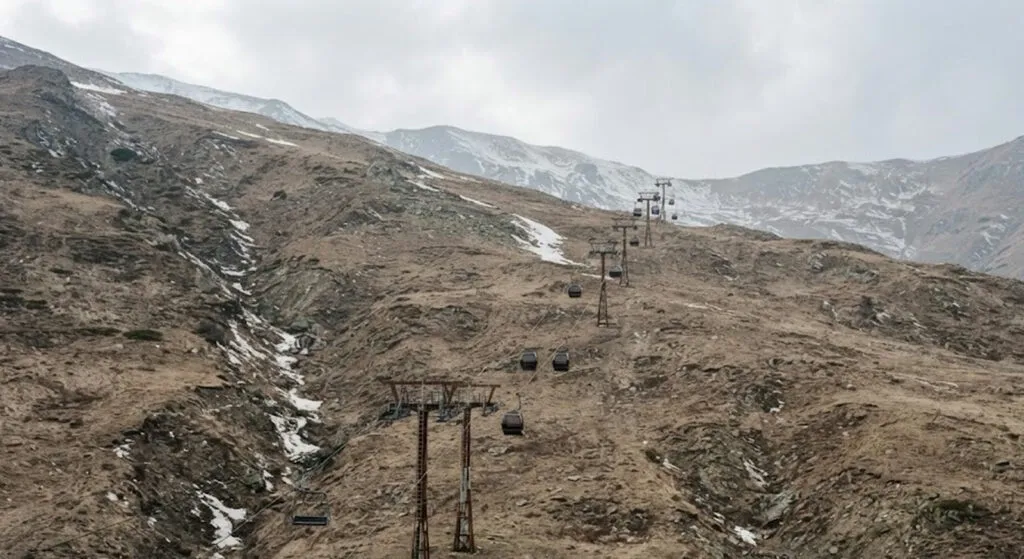
El Nino in the Pacific shifts the currents that decide where snow falls. An area that usually gets a metre...
The easiest way to dismiss an uncomfortable argument is to point at who is making it. But that does not...
The appeals court ruled the entire trial must start over. The son of Norway's queen is waiting for it on...
Trump scaled back the military exercises to ease the tension, and Wonsan answered in the form of projectiles. What does...

The sanctions list got a seven-day extension instead of one measured in months, a move diplomats themselves call unprecedented. Two...
Switzerland offered a table for talks on Ukraine, Moscow replied that the table stopped being neutral once Bern adopted EU...
The will says one thing, a committee of twenty-one men decided another. The queen mother says the army pulled the...
A country that was Europe's byword for stability for decades now has a parliament split into two blocs by a...
Sixteen years in power, defeat at a regular election, five months of quiet - and now the election result is...
This site uses cookies - is that okay? Learn more
Be the first to know when Metla launches something new
Leave your email and we will write when there is a new guide or something new on Metla.