A New Criminal Complaint Against Jakimovski: A Building Permit Based on a Plan Struck Down Back in 2018
16.09.2026


16.09.2026

16.09.2026

16.09.2026
16.09.2026
16.09.2026

16.09.2026

16.09.2026

15.09.2026

14.09.2026
16.09.2026

16.09.2026

15.09.2026

16.09.2026

15.09.2026

14.09.2026

16.09.2026

16.09.2026

16.09.2026

16.09.2026

15.09.2026
15.09.2026

09.03.2026

27.02.2026

19.02.2026

16.09.2026

15.09.2026

14.09.2026

23.04.2026

23.04.2026

12.04.2026

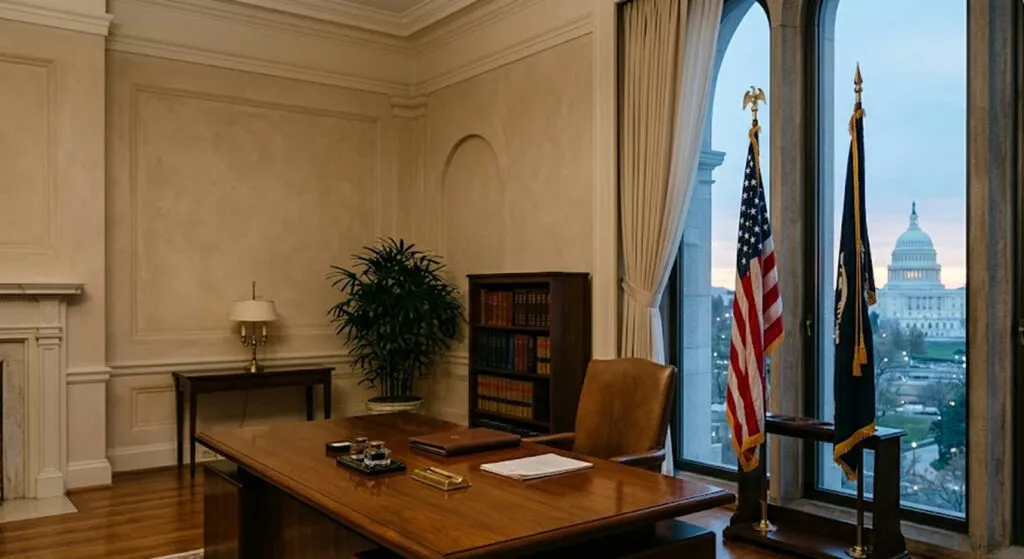
Péter Magyar, the Hungarian political phenomenon who pushed Viktor Orbán from power after 16 years, has just handed the public the first serious scandal of his new government. His sister's brother-in-law has been appointed justice minister. Not a friend, not a party colleague, not a well-known lawyer - a relative. And in the first weeks after the election win. The Balkans know this kind of move very well. The Hungarians - it seems they'll have to learn the same lesson all over again.
Márton Meletei-Barna, the new minister, is a lawyer and a university classmate of Magyar. In 2020 he was one of about ten co-founders of the „Tisza" party. All those references matter. But not as much as the fact that he is married to the prime minister's sister. And that is exactly why the opposition - now Fidesz in the awkward position of a new opposition after a decade and a half in power - exploded.
Magyar tried to explain the move on social media. His sister, who had been a judge, will be suspended from the judicial system over „understandable concerns". That's diplomatic language for: „yes, we get that this looks bad, so we'll at least take her off the stage." But the justice minister, who appoints, promotes and controls judges - stays a member of the family.
„The future justice minister has an undisputed domestic and international career, a high quality of work and a clear vision," Magyar wrote in the post. And then: „Long after he joined our community, he united his life with the life of my sister." A sentence that sounds bad in Hungarian, and entirely bad in any other language. At least he doesn't say „my sister's love life" - and that's about the minimum one can expect.
For the Balkans, this scene is extremely familiar. Macedonian governments past and present have made the same moves. Sons-in-law, in-laws, friends of children of officials. No prime minister or party in the Balkans has ever talked about it the way Magyar is - that's the difference. Hungarians still dare to criticise out loud. Here, when Mickoski or someone else appoints a relative, the questions get asked quietly, three weeks later, and without consequences.
Magyar won the elections with the message „end of Orbán's corruption". The first appointment - family. The question he himself has to answer: what is the difference between his approach and Orbán's, other than that Tisza is now doing it instead of Fidesz? Maybe the difference will become clear in the future. Maybe it won't. The Balkans can offer plenty of examples of „new" leaders behaving exactly like „old" ones - if Magyar wants a reminder, he can just read the news from Belgrade, Skopje or Podgorica over the last 30 years.
The latest 10 news from this category

Sanctions imposed over one war are being offered as currency in an entirely different dispute. Most member states are against...
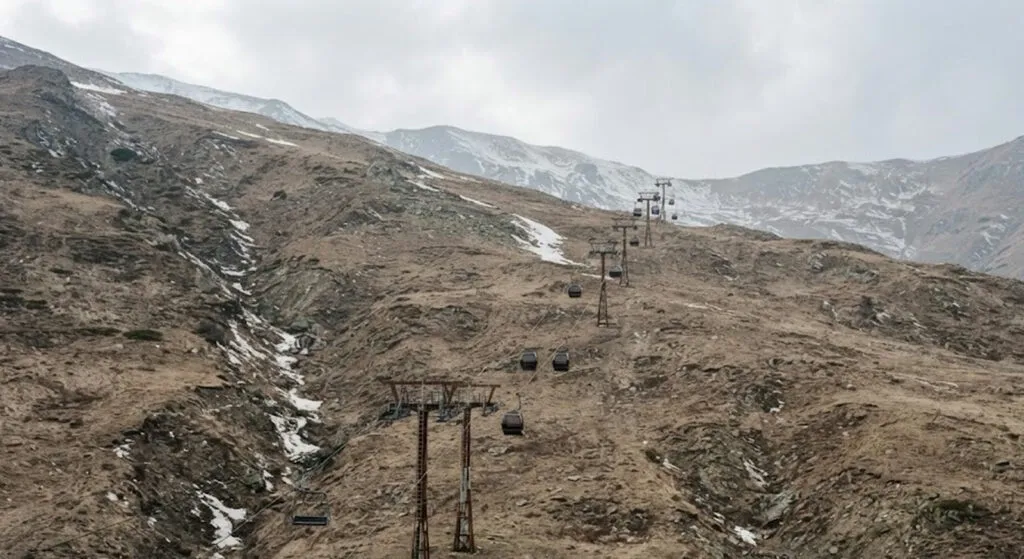
El Nino in the Pacific shifts the currents that decide where snow falls. An area that usually gets a metre...

The easiest way to dismiss an uncomfortable argument is to point at who is making it. But that does not...
The appeals court ruled the entire trial must start over. The son of Norway's queen is waiting for it on...

Trump scaled back the military exercises to ease the tension, and Wonsan answered in the form of projectiles. What does...

The sanctions list got a seven-day extension instead of one measured in months, a move diplomats themselves call unprecedented. Two...
Switzerland offered a table for talks on Ukraine, Moscow replied that the table stopped being neutral once Bern adopted EU...
The will says one thing, a committee of twenty-one men decided another. The queen mother says the army pulled the...

A country that was Europe's byword for stability for decades now has a parliament split into two blocs by a...
Sixteen years in power, defeat at a regular election, five months of quiet - and now the election result is...
This site uses cookies - is that okay? Learn more
Be the first to know when Metla launches something new
Leave your email and we will write when there is a new guide or something new on Metla.