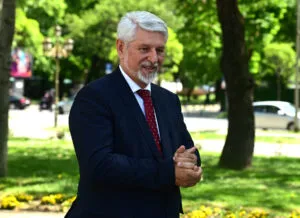
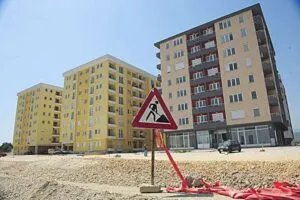
A New Criminal Complaint Against Jakimovski: A Building Permit Based on a Plan Struck Down Back in 2018
16.09.2026


16.09.2026
16.09.2026

16.09.2026
16.09.2026
16.09.2026
16.09.2026

16.09.2026

15.09.2026

14.09.2026

16.09.2026

16.09.2026

15.09.2026

16.09.2026

15.09.2026

14.09.2026

16.09.2026

16.09.2026

16.09.2026

16.09.2026

15.09.2026
15.09.2026

09.03.2026

27.02.2026

19.02.2026

16.09.2026

15.09.2026

14.09.2026

23.04.2026

23.04.2026

12.04.2026

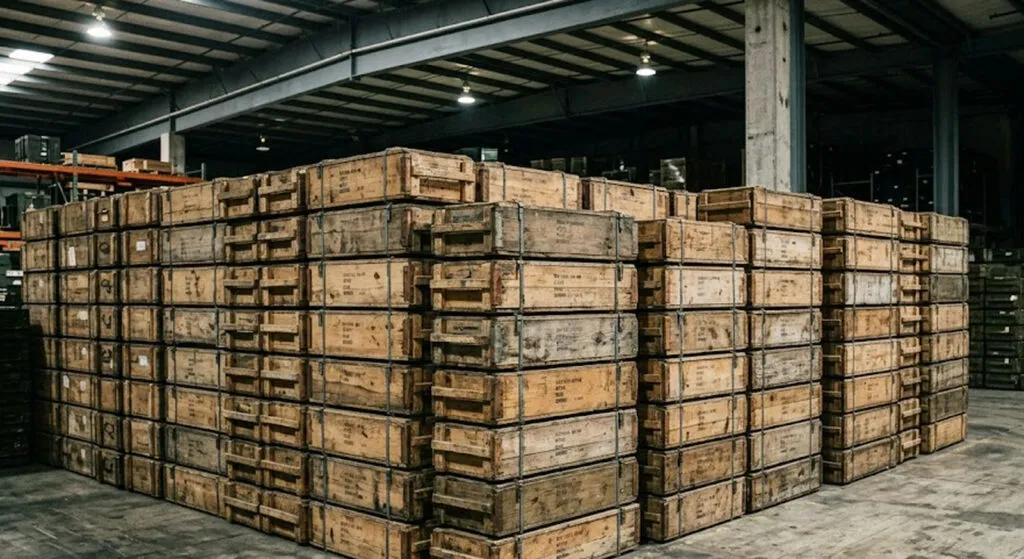
When Volodymyr Zelensky turned up in Saudi Arabia in March, dressed in black and looking serious, it looked like an odd pose for a Ukrainian president in wartime. But it wasn't a diplomatic visit. It was a sales pitch. And in the months that followed, what Ukraine has to sell - drones with four years of combat experience - is turning into an unexpected economic weapon.
Deals with Saudi Arabia, the UAE and Qatar. „Exchange of expertise and drone technology", as Kyiv put it in diplomatic language. What it actually means - Ukraine is selling knowledge no other country in the world has. Nobody has run a four-year war with drones. Nobody has so much data on how they work, how they fail, and how to build better ones.
The numbers are serious. An 8.6-billion-euro deal with Norway. 4.7 billion euros with Germany. „Various types of drones, missiles, software and modern defence systems" - the standard formulation that in practice covers items that aren't in the NATO catalogue. At the same time those sums mean Ukraine is no longer just a recipient of Western aid. It's a supplier of specialised military technology.
That's the paradox of this war. A country at risk of losing territory has, because of that same war, found an economic niche no one can copy. Not the US, not Germany, not China has Ukraine's battlefield experience. And all of them are buying what Ukraine understands better than they do - how to run a mass war with cheap drones in the 21st century.
The war in Iran has reinforced that position. Gulf states, watching American and Israeli systems struggle with low-flying drones, immediately want Ukrainian know-how. Their priority isn't Ukrainian independence - their priority is their own defence. But in the package - Kyiv gets money that doesn't depend solely on the American Congress or European consensus.
For the Balkans, the lesson is brutal. No production industry, no war, no position. Macedonia has none of these. Serbia has a little. Croatia a bit more. None of our countries is in a position to sell military technology to the great powers - we are all buyers. And that means in every crisis - economic, political, security - we are the ones waiting, not the ones deciding. Ukraine, even as it loses territory, has found a spot in the world that no longer depends on someone else's mercy. We, even though we are formally at peace, are still almost entirely dependent.
The latest 10 news from this category

Sanctions imposed over one war are being offered as currency in an entirely different dispute. Most member states are against...
El Nino in the Pacific shifts the currents that decide where snow falls. An area that usually gets a metre...
The easiest way to dismiss an uncomfortable argument is to point at who is making it. But that does not...

The appeals court ruled the entire trial must start over. The son of Norway's queen is waiting for it on...
Trump scaled back the military exercises to ease the tension, and Wonsan answered in the form of projectiles. What does...

The sanctions list got a seven-day extension instead of one measured in months, a move diplomats themselves call unprecedented. Two...
Switzerland offered a table for talks on Ukraine, Moscow replied that the table stopped being neutral once Bern adopted EU...
The will says one thing, a committee of twenty-one men decided another. The queen mother says the army pulled the...
A country that was Europe's byword for stability for decades now has a parliament split into two blocs by a...
Sixteen years in power, defeat at a regular election, five months of quiet - and now the election result is...
This site uses cookies - is that okay? Learn more
Be the first to know when Metla launches something new
Leave your email and we will write when there is a new guide or something new on Metla.