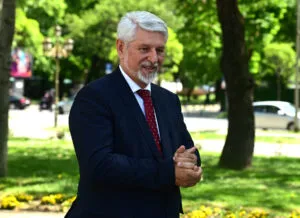
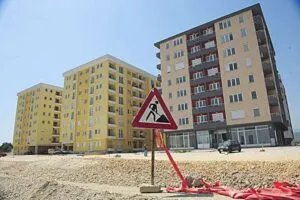
A New Criminal Complaint Against Jakimovski: A Building Permit Based on a Plan Struck Down Back in 2018
16.09.2026


16.09.2026
16.09.2026

16.09.2026
16.09.2026
16.09.2026

16.09.2026

16.09.2026

15.09.2026

14.09.2026
16.09.2026

16.09.2026

15.09.2026

16.09.2026

15.09.2026
14.09.2026

16.09.2026

16.09.2026

16.09.2026

16.09.2026

15.09.2026
15.09.2026

09.03.2026

27.02.2026

19.02.2026
16.09.2026

15.09.2026
14.09.2026

23.04.2026

23.04.2026

12.04.2026

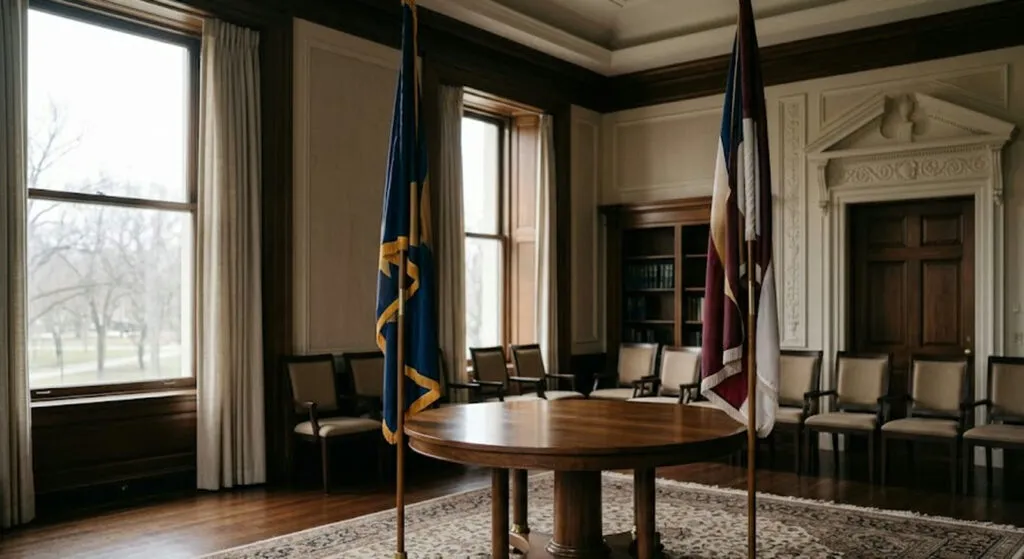
Iran and the US are back at the negotiating table and back to not agreeing. According to The New York Times, Tehran sent Washington a proposal via Pakistan to resolve the regional conflict, but US President Donald Trump has already replied - he is not satisfied. The reason? The Iranian proposal makes no mention of Iran's nuclear programme. That is not an oversight, it is the whole point of the negotiation.
Iran wants every disputed issue settled within 30 days. Washington had earlier offered a two-month truce. Thirty versus sixty days - it doesn't sound dramatic, but in diplomatic language the gap is enormous. Whoever sets the tempo sets the terms. Iran wants a quick wrap-up, America wants more time to keep up the pressure. Two plans, two completely different orbits.
The Iranian package includes points Washington is used to rejecting outright: a halt to combat operations, security guarantees, withdrawal of US forces, lifting of the naval blockade, the unfreezing of Iranian assets, full removal of sanctions, possible financial compensation, and new rules for passage through Hormuz. And one point is not in the plan - shutting down Iran's nuclear programme. The exact point Trump insists on.
From the Iranian side the message is clear. They will not discuss the nuclear programme until a lasting peace agreement is in place. Trust first, then the most sensitive issue. From the American side - the reverse. Nuclear first, everything else after. A classic diplomatic deadlock where each side insists on the very thing the other refuses to give.
In the meantime, Trump warned that the US military could strike Iran again. The naval blockade - which Iranians see as the main driver of escalation - he described as „very friendly". That isn't irony, that is his actual posture. Soft on rhetoric, hard on operations. With two such plans on the table, a meeting point is almost impossible to imagine.
For the Balkans, this is not a distant story. The oil price set in Hormuz dictates the pumps in Skopje within twenty days. Even without a blockade, even without a war, the mere threat of a new war is enough to push prices up. And every time Trump says he will strike, market speculation moves before the bombs do. The Balkans always pay first for a game played five thousand kilometres away.
The latest 10 news from this category

Sanctions imposed over one war are being offered as currency in an entirely different dispute. Most member states are against...
El Nino in the Pacific shifts the currents that decide where snow falls. An area that usually gets a metre...
The easiest way to dismiss an uncomfortable argument is to point at who is making it. But that does not...
The appeals court ruled the entire trial must start over. The son of Norway's queen is waiting for it on...
Trump scaled back the military exercises to ease the tension, and Wonsan answered in the form of projectiles. What does...

The sanctions list got a seven-day extension instead of one measured in months, a move diplomats themselves call unprecedented. Two...
Switzerland offered a table for talks on Ukraine, Moscow replied that the table stopped being neutral once Bern adopted EU...
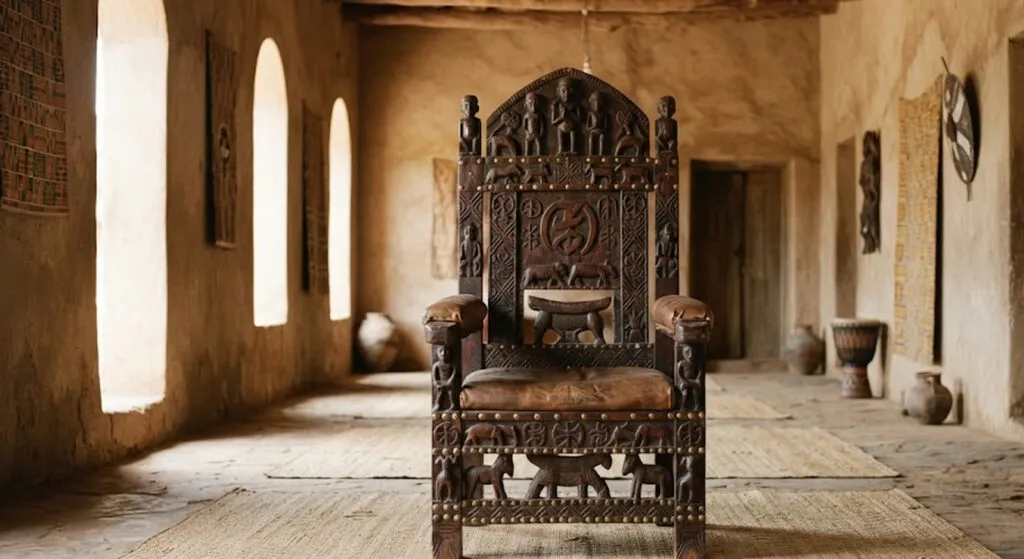
The will says one thing, a committee of twenty-one men decided another. The queen mother says the army pulled the...
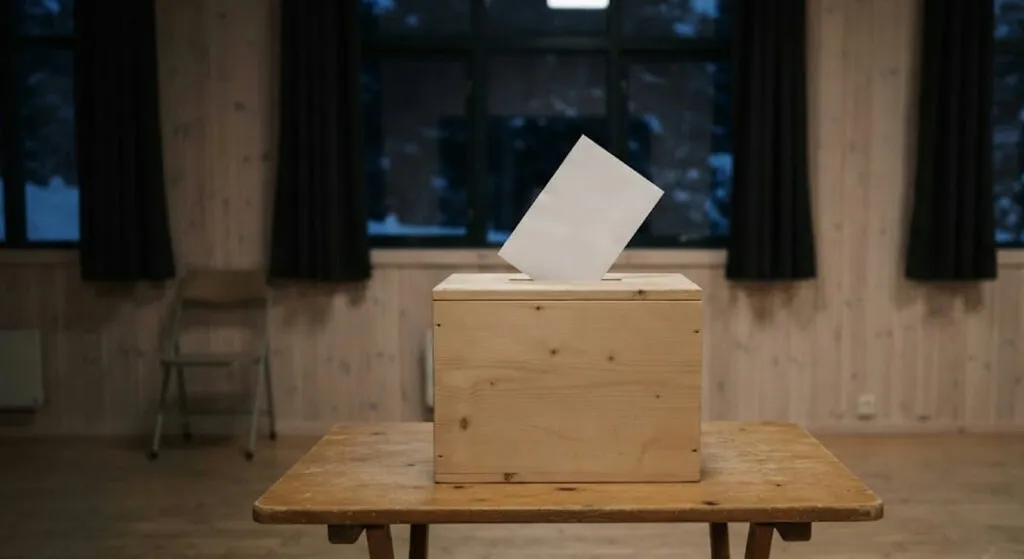
A country that was Europe's byword for stability for decades now has a parliament split into two blocs by a...
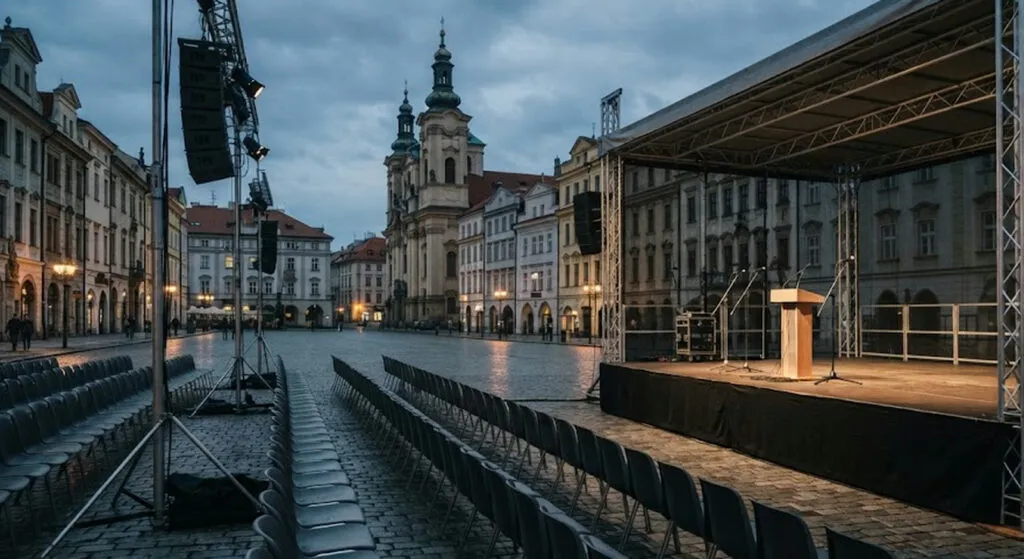
Sixteen years in power, defeat at a regular election, five months of quiet - and now the election result is...
This site uses cookies - is that okay? Learn more
Be the first to know when Metla launches something new
Leave your email and we will write when there is a new guide or something new on Metla.