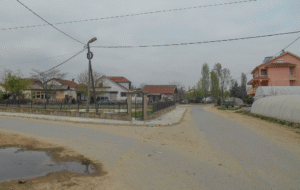
Six men stormed a house near Strumica and beat a family with children: the father fired into the air so someone would come
28.07.2026


28.07.2026

28.07.2026
28.07.2026

28.07.2026

28.07.2026
28.07.2026
28.07.2026

27.07.2026
27.07.2026

28.07.2026

28.07.2026
27.07.2026
28.07.2026

28.07.2026
28.07.2026
28.07.2026
27.07.2026
26.07.2026

28.07.2026

28.07.2026

28.07.2026

28.07.2026
27.07.2026
27.07.2026

09.03.2026

27.02.2026

19.02.2026
28.07.2026
27.07.2026
26.07.2026

23.04.2026

23.04.2026

12.04.2026
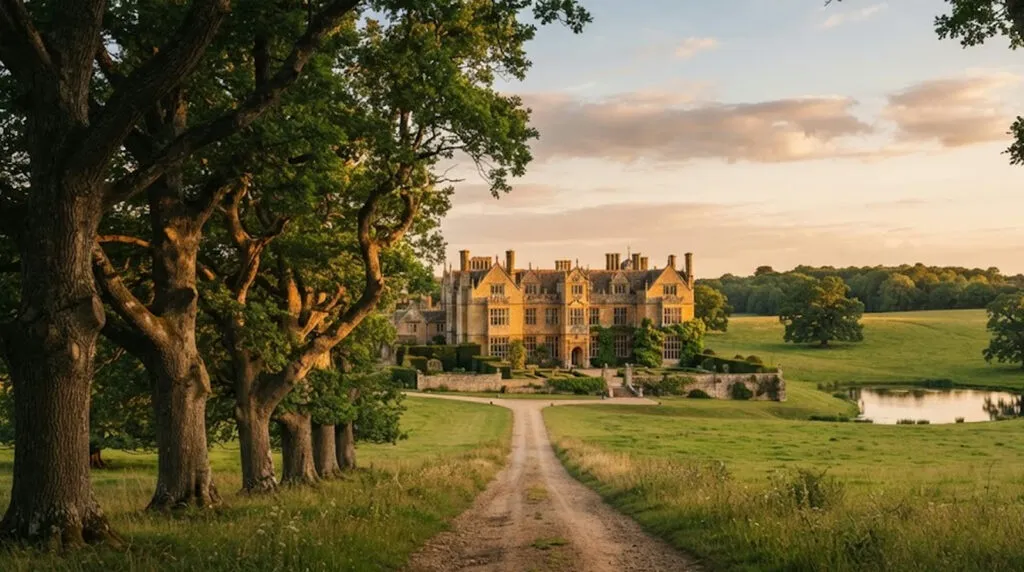
There is a house in Northamptonshire that means more to Prince Harry's children than the whole of Buckingham Palace. Not because it is bigger or older. Because it does not belong to the crown.
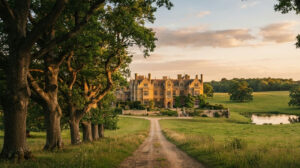
Althorp has been the Spencer family home for more than five hundred years - bought before the Windsors even existed as a dynasty. Diana grew up there, returned there whenever life at court became too tight, and is buried there today, on a small island in the middle of a lake visitors are not allowed to approach. It is the only emotional link Archie and Lilibet have to Britain that depends on no royal approval whatsoever.
The difference is not sentimental but entirely practical. Titles get stripped, security gets approved or denied, Christmas invitations to Sandringham get sent or do not get sent. Grandmother's house, meanwhile, stands where it stood in the sixteenth century, and nobody in London decides who may walk in.
Harry has spoken before of Althorp as a place where he finds „peace and clarity” - a phrase that sounds like therapy vocabulary, but in his case carries a concrete meaning. A man who lost his mother at twelve, then spent three decades watching her image resold as content, has exactly one place where she is not a brand.
This year the children saw that house with their own eyes. The relationship between a family and an institution can be stretched to breaking point, but a park full of old oaks does not break. That is a form of inheritance no royal council can revise.
And there is something here that needs no translation in the Balkans. When the institution strikes you off every official list, what remains is your grandfather's house. Not for the property - because it is proof that you existed before them and will exist after them.
Charles Spencer, Diana's brother, has for years opened the house to the public for a few weeks a year, and that pays for its upkeep. It is the British version of the classic inherited-property problem: splendour is free only in a photograph. The difference is that here the bill is paid by tourists, not by the last relative who stayed in the country.
For two children born in California, growing up in a country where „royal” is entertainment, this is the first contact with something that is neither a news item nor a documentary. It is simply a house where someone from their family was once a child. Sometimes that is more than enough.
The latest 10 news from this category
Daily horoscope - 28.07.2026
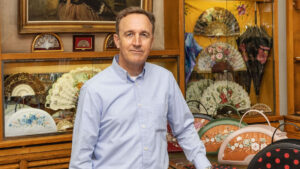
Six generations, an original floor from 1858 and one fan made solely for Lady Di. The strongest line in the...
The charity founded in 2020 with a mission against hunger and poverty was struck off without a statement. Who answers...
When a Hollywood star flees a border conflict, it travels around the world's media. When a Cambodian family flees, it...
At 41, the heiress to a shipping magnate resigned with a two-word explanation. The richest girl in the world who...
Daily horoscope - 25.07.2026
While every other royal hand touches bare skin for the cameras, Anne sticks to her old code. Does closeness in...
A chat outside a hotel and one unknown millionaire - and the story is done. But the context tells something...
This site uses cookies - is that okay? Learn more
Be the first to know when Metla launches something new
Leave your email and we will write when there is a new guide or something new on Metla.