


Over 20 shops burned down in Suto Orizari: 15 firefighters and three and a half hours fighting the blaze at 3am
12.09.2026


12.09.2026

12.09.2026

12.09.2026

12.09.2026

12.09.2026

12.09.2026

12.09.2026

11.09.2026

10.09.2026

12.09.2026

12.09.2026

11.09.2026

12.09.2026

12.09.2026

12.09.2026

12.09.2026

11.09.2026

10.09.2026

12.09.2026

12.09.2026

12.09.2026

12.09.2026

12.09.2026

11.09.2026

09.03.2026

27.02.2026

19.02.2026

12.09.2026

11.09.2026
10.09.2026

23.04.2026

23.04.2026

12.04.2026

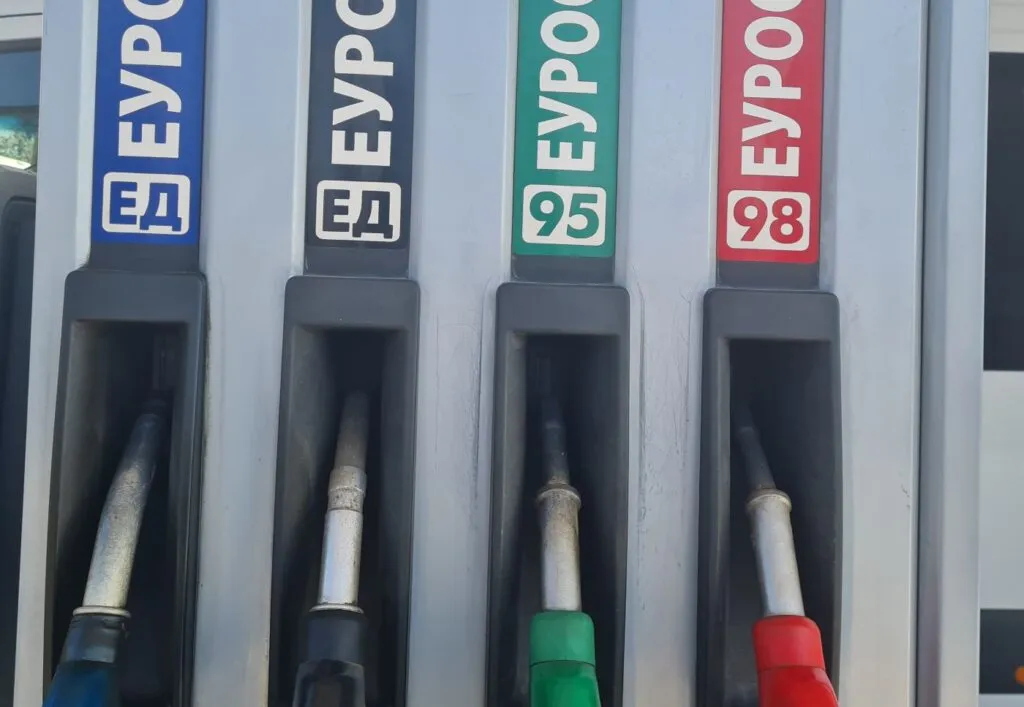
Fuel prices went up again at midnight. Eurosuper BS-95 is now 93.00 denars a litre, BS-98 is 95.00 denars, and eurodiesel has reached 98.50 denars - up 4.50 denars in one go. Extra light household heating oil is 98.00 denars, five denars more per litre.
Diesel is now within reach of a hundred denars. A hundred denars for one litre of diesel, in a country where the average net wage is 49,544 denars.
That combination of numbers produces a calculation worth more than any analysis. One average Macedonian salary buys roughly 533 litres of petrol or around 503 litres of diesel. One average Croatian net salary, at 1,552 euros, buys around 1,000 litres of petrol or around 950 litres of diesel, because petrol there costs about 1.55 euros and diesel about 1.63 euros a litre.
The gap is about 467 litres of petrol and 447 litres of diesel. Same job, same car, same destination - the Croatian driver gets almost twice as far.
A full tank
Filling a 50-litre petrol tank in Macedonia costs 4,650 denars, which is 9.4 percent of the average wage. The same fill-up in Croatia costs around 78 euros, or 5.0 percent of the average wage there. So a Macedonian hands over nearly twice as large a share of monthly income for a single tank.
To hold that gap, Croatia has recently intervened by regulating prices and cutting levies. Here, the regulator's calculations are based on a longer window of average exchange prices, which is why the domestic price can climb even in moments when world markets are recording a temporary dip.
The effect of 4.50 denars per litre of diesel does not stop with the driver. A taxi driver burning 30 litres a day pays 135 denars more every single day. A farmer filling 200 litres for one cycle - 900 denars more. A haulier delivering food to a supermarket builds the same difference into his price.
From the Energy Regulatory Commission we have the decision. The question still without an answer is whether, alongside the pricing formula, there is any cushioning measure at all - or whether the only option left to the citizen is to drive less.
The latest 10 news from this category
An announcement is not an adopted tariff. A lower bill is good news only if its cost has not been...
The Balkans have a long tradition of producing something valuable and selling it under someone else's name. The difference between...
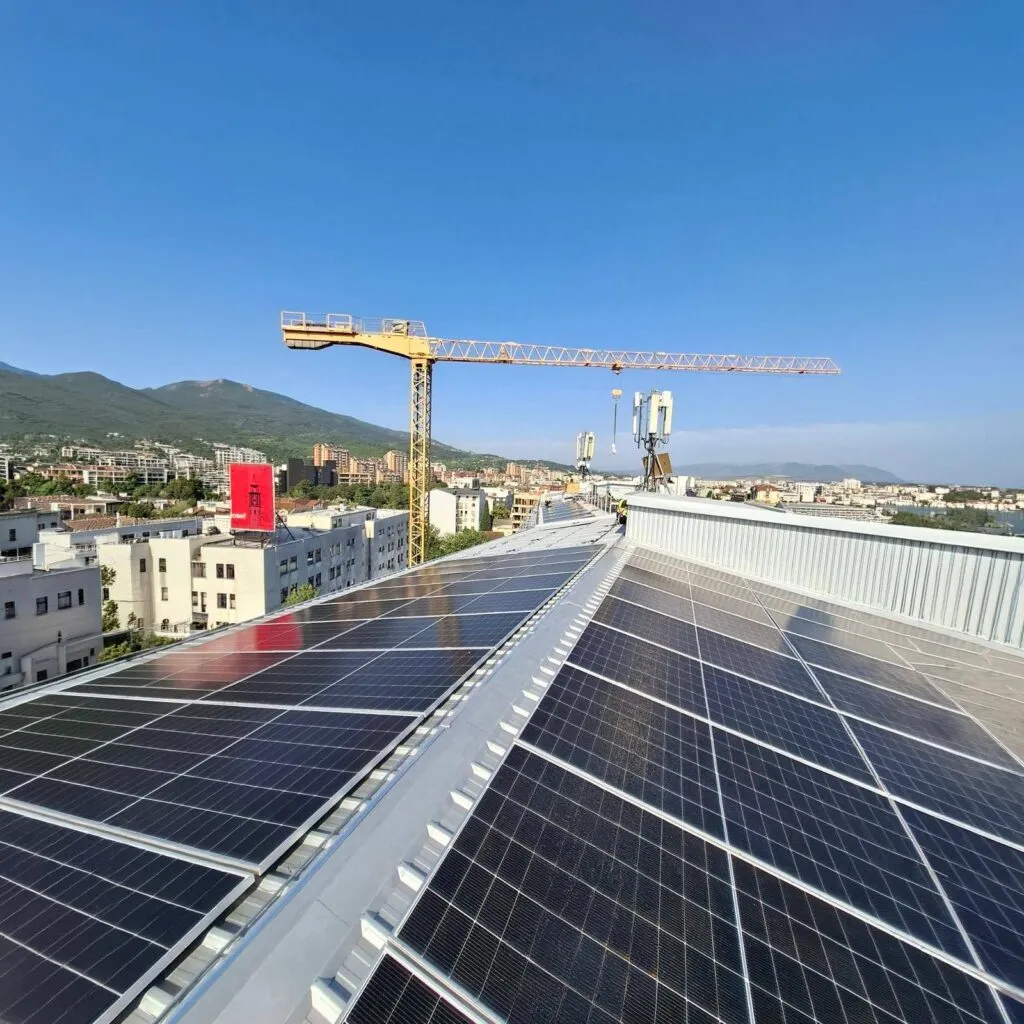
Buildings from the fifties and sixties, one in Bitola dating to the 18th century. The 56 percent energy saving is...
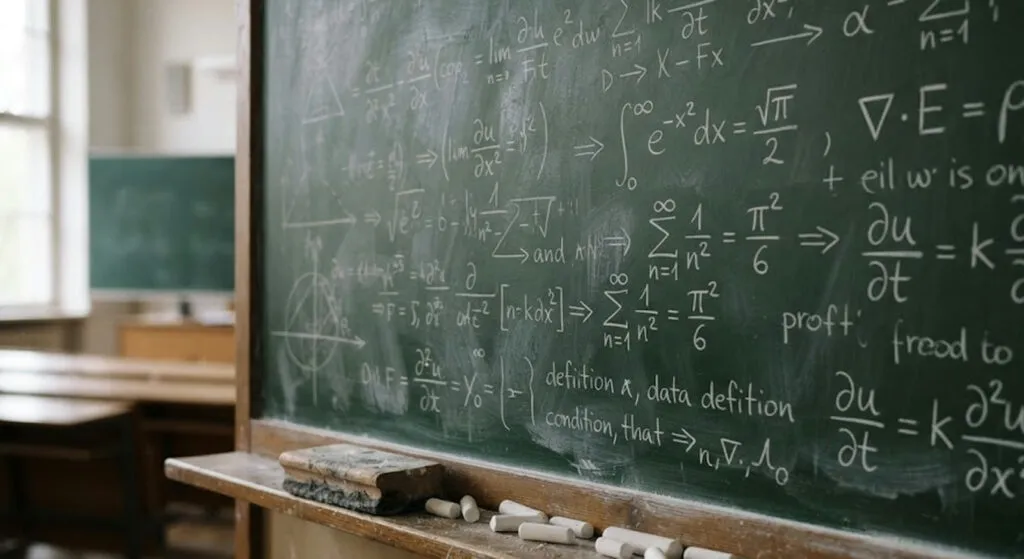
The biggest names in mathematics have signed a letter against the AI labs. The dispute is not whether the machine...

Three months ago the company raised 60 million. Now it is worth almost ten times that, and its product is...
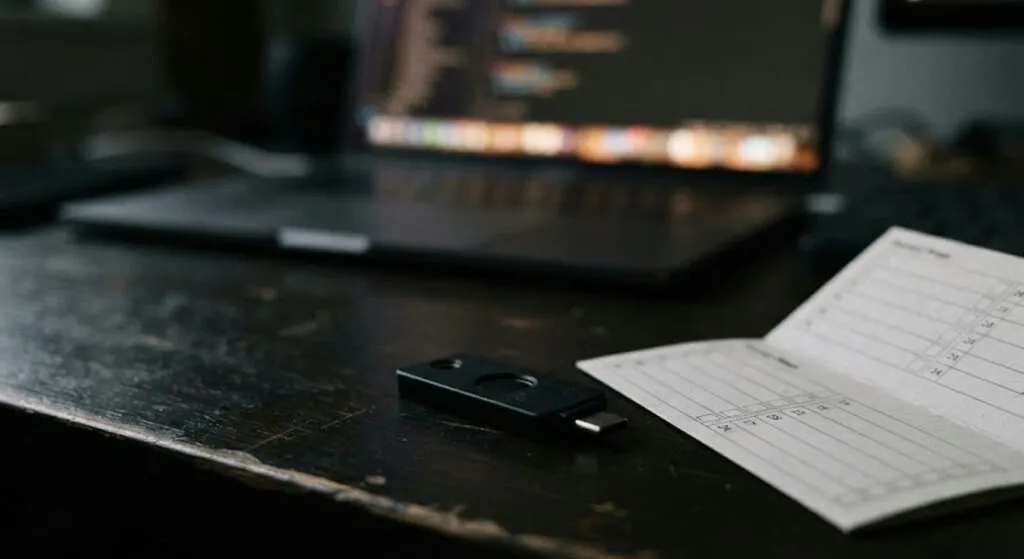
The device is untouched, the chain around it is not. A second breach in two months at Trezor, and what...

After Ohridska Banka, Sparkasse has gone after a second one. The approvals come from Podgorica, Belgrade and Frankfurt. The market...

The amendments to the Housing Act split residents into four income categories. Some of the people now facing eviction previously...

Critical minerals are among the most sought-after raw materials in the world. States that know what they own negotiate. The...

The existing 34 billion is more than doubled. Plus 29 contracts worth 9.4 billion and data centres with roughly one...
This site uses cookies - is that okay? Learn more
Be the first to know when Metla launches something new
Leave your email and we will write when there is a new guide or something new on Metla.
