

They Rode In on Scooters, Torched the Shops and Left: The Fire in Shuto Orizari Burned for Three Hours, Setting It Took Fifty Seconds
13.09.2026


13.09.2026

13.09.2026

13.09.2026

13.09.2026

13.09.2026

13.09.2026

13.09.2026

12.09.2026

11.09.2026

13.09.2026

13.09.2026

12.09.2026

13.09.2026

13.09.2026

13.09.2026

13.09.2026

12.09.2026

11.09.2026

13.09.2026

13.09.2026

13.09.2026

13.09.2026

13.09.2026

12.09.2026

09.03.2026

27.02.2026

19.02.2026

13.09.2026

12.09.2026

11.09.2026

23.04.2026

23.04.2026

12.04.2026

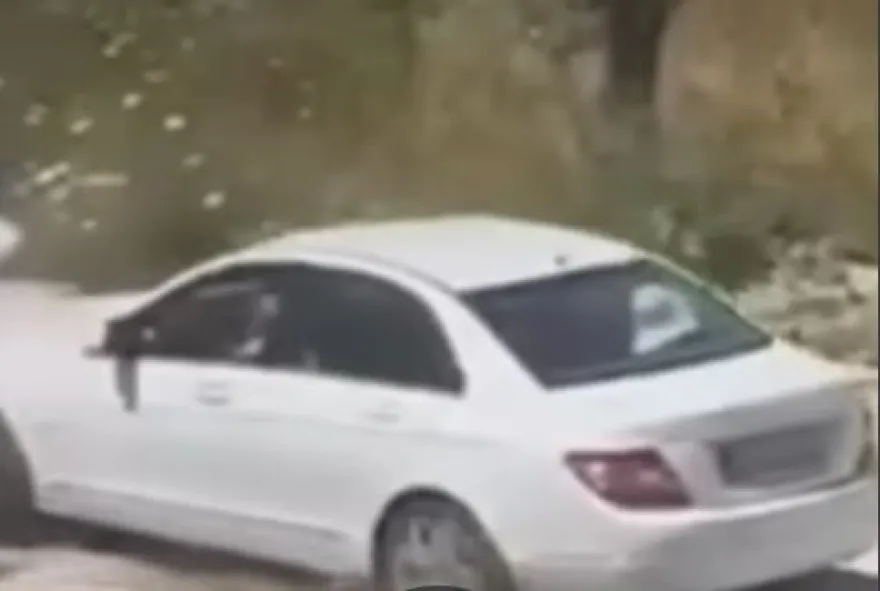
The Basic Court in Ulcinj has ordered 30 days of custody for a 46-year-old Macedonian citizen, suspected of killing and torturing an animal and destroying its habitat. Under Montenegro's criminal code, that offence carries a fine or up to two years in prison.
According to Montenegrin police, on 24 July she deliberately ran over a Šarplaninac dog with a Mercedes and then tried to leave the country. She was stopped at the Sukobin - Murićani border crossing and detained.
The defence tells an entirely different story. In their version, that same Šarplaninac had earlier got into their apartment, killed their Shih Tzu and then attacked her and her underage brother, which is why the car was used to push the animal away rather than to kill it. A hotel worker, the family says, helped take the injured pet to a vet, but it did not survive.
This is where the second half of the case begins - the half that has nothing to do with any court. Footage of the incident ended up on social media and the crowd delivered its verdict before the prosecutor had finished collecting evidence. Calls for personal revenge, identification, personal data passed around. Within hours the entire country knew the woman's name.
That people want animals protected is a good thing. That the same crowd demanding punishment for animal cruelty organises a manhunt against a person whose account of events has not yet been examined - that is something else. The prosecution still has to gather the video, the statements and the forensic findings.
Montenegro does not take these offences lightly and that deserves credit - the law exists there and it is applied. The question is whether the verdict will be handed down in a courtroom or has already been handed down on screens. Because if every case gets settled on the internet first, the court becomes a formality - and that is an expensive habit for any country in the Balkans.
The latest 10 news from this category

More than 20 shops burned down in a single night, and security camera footage shows the fire was deliberately set....

A head-on crash at two in the morning on the local road to Miladinovci: two dead at the scene, three...
Twenty-seven criminal complaints, four middlemen, and two men who used a forged licence to obtain certification to drive an international...

Five negations in one sentence, pension growth "16 times higher" with not a single figure beside it, and a third...
One side waits for a letter, another waits for a different commission, a third waits for consent. In those same...

The commission's chairman says it only checked whether the documents were complete. The public call says something else entirely -...

Ivanovska recalls why Vodno was forested in the first place. Gerasimovski says the court annulled the old plan and a...

Three Bulgarian ministries, MPs from different parties and flags inside the medical centre. MAEI asks why a check-up in a...
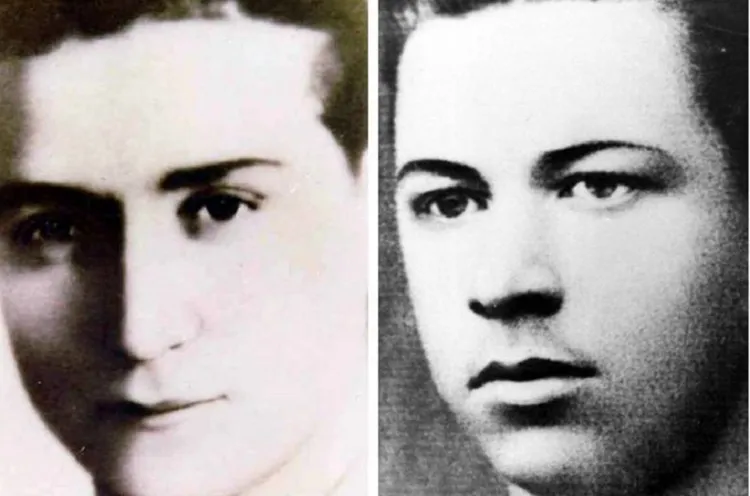
Flowers were laid in Bitola for Stefan Naumov and Dimitar Bogoevski. Behind the anniversary stand two biographies that ended at...

Veles, Berovo, Centar, Prilep, Tetovo. In three cases wives attacked their husbands, in one a father beat his son, in...
This site uses cookies - is that okay? Learn more
Be the first to know when Metla launches something new
Leave your email and we will write when there is a new guide or something new on Metla.
