
Six Years of Fake Licence Categories Issued From an Interior Ministry Desk: Six Charged, 21 More Under Investigation
21.09.2026


21.09.2026

21.09.2026

21.09.2026

21.09.2026

21.09.2026

21.09.2026

21.09.2026

20.09.2026

20.09.2026

21.09.2026

21.09.2026

20.09.2026

21.09.2026

21.09.2026
21.09.2026

21.09.2026

20.09.2026

19.09.2026

21.09.2026

21.09.2026
21.09.2026

21.09.2026

21.09.2026

21.09.2026

09.03.2026

27.02.2026

19.02.2026

21.09.2026

21.09.2026

20.09.2026

23.04.2026

23.04.2026

12.04.2026

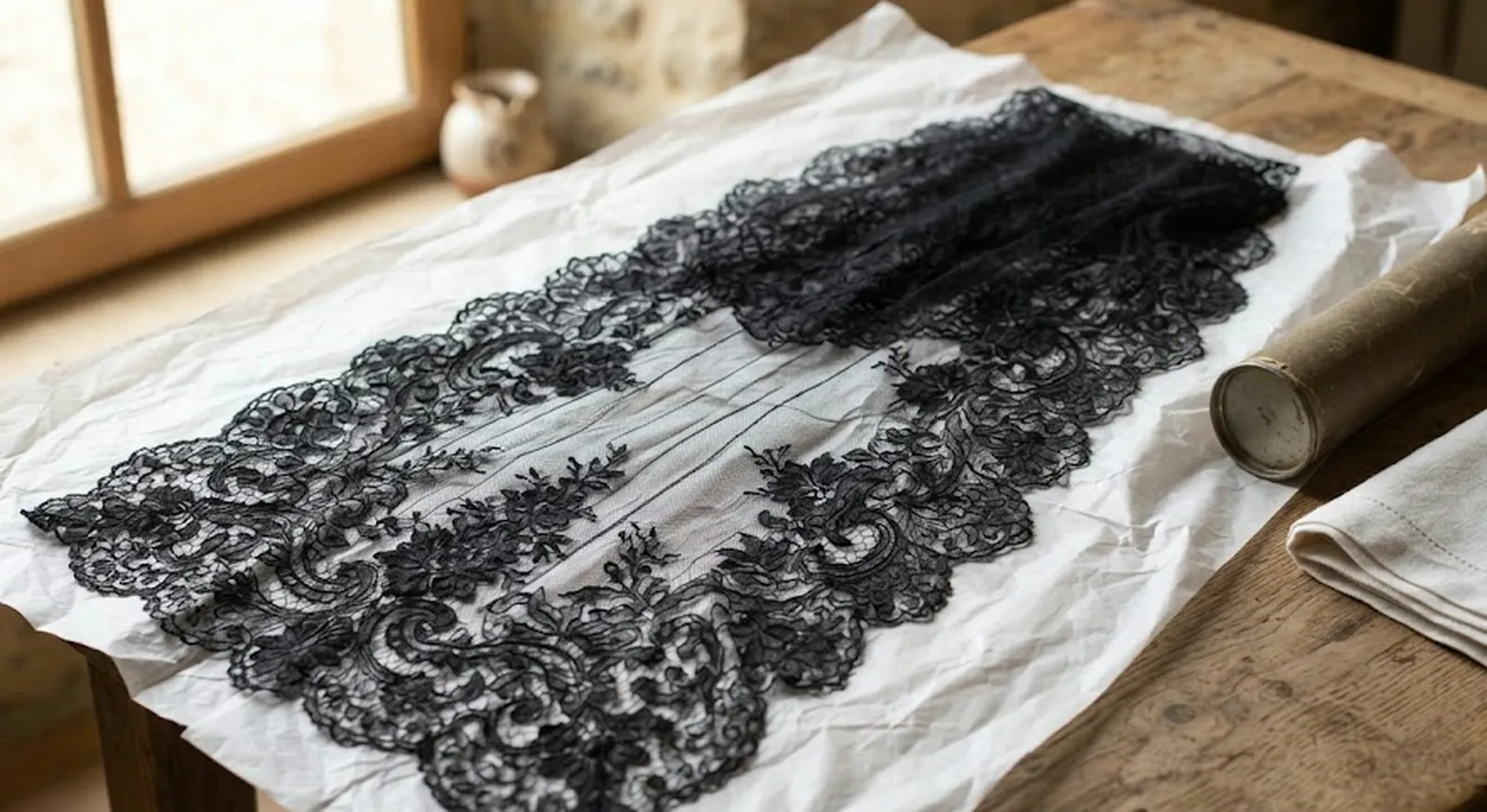
A mantilla is not a piece of clothing. It is an object that passes from grandmother to mother, from mother to daughter, and is sometimes bought in an antique shop because some family fell apart before it did. Which is why what happens to it in the first hours after a wedding decides whether the next generation gets to have it.
The rule everyone breaks is the first one. Juan Foronda, a specialist from Seville with a mantilla workshop, says: „When you get home, never put it away straight away. Hang it on a padded hanger to air out and check whether any threads have caught or any makeup is left on it.”
Anyone who has been to a wedding knows how the evening ends. The thing gets thrown over a chair, stuffed into a bag, and everyone goes to bed. The lace survives one night in a bag with makeup and sweat, and then that makeup becomes a stain that never comes out.
Cleaning is not a household job
The experts are categorical: always take it to a dry cleaner that specialises in delicate fabrics and lace. Not in a machine, not by hand, not with home remedies off the internet. For very old pieces, home washing is a direct route to tearing.
How to store it
There are two ways. The first and better one: roll it loosely around a firm cardboard tube, the kind fabric shops have, wrapped first in tissue paper. The second: fold it very gently, with tissue paper between the folds so the weight does not press down on itself.
Then wrap it in a clean linen or white cotton sheet, or in tissue paper, so the fabric can „breathe”. Never in nylon and never in a plastic cover - plastic yellows lace. And at least once a year take it out and let it air.
When it is already too late
L'Arca Barcelona, a restoration workshop, names the biggest enemy: damp. When lace „wears through” - when it starts tearing at the lightest touch - there is only one solution, and that is transferring it onto new tulle similar to the original. So the pattern gets saved, not the base.
The most delicate are old mantillas of black Chantilly lace, where the silk thread itself deteriorates and the entire tulle is handmade. Blonde lace, recognisable by its reddish tone, is similar. Brussels lace sewn onto tulle is more resilient, because the tulle is machine-made. Needle lace is the most fragile and washing it is not recommended at all.
The yellowing comes from oxidation of the fibres, and not every treatment is suitable - silk can suffer irreversible damage. Before attempting to whiten it, you need to establish whether the yellow is the natural ageing of silk or simply dirt. And one more thing the experts say without much drama: there are fewer and fewer people left who know this craft.
A Macedonian wedding has the same logic in a different material. The embroidered shirt, the cloth, the jewellery brought out only for the big days. The difference is that here nobody writes down the storage instructions - it was learned by watching, and once there is nobody left to watch, it gets learned by destroying.
The latest 10 news from this category
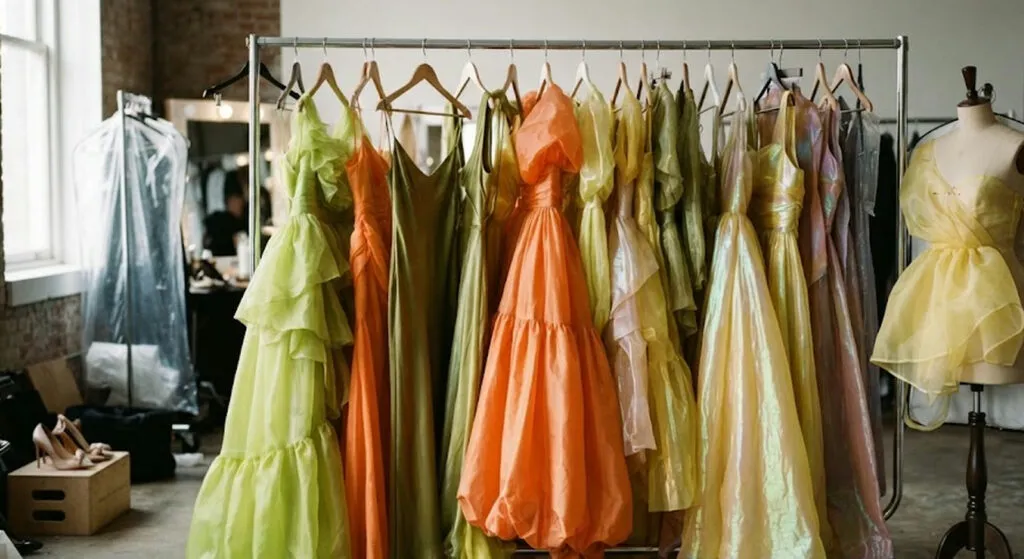
Three days in a lab coat with colorimetry scientists to produce a collection in lime and tangerine. The design director...
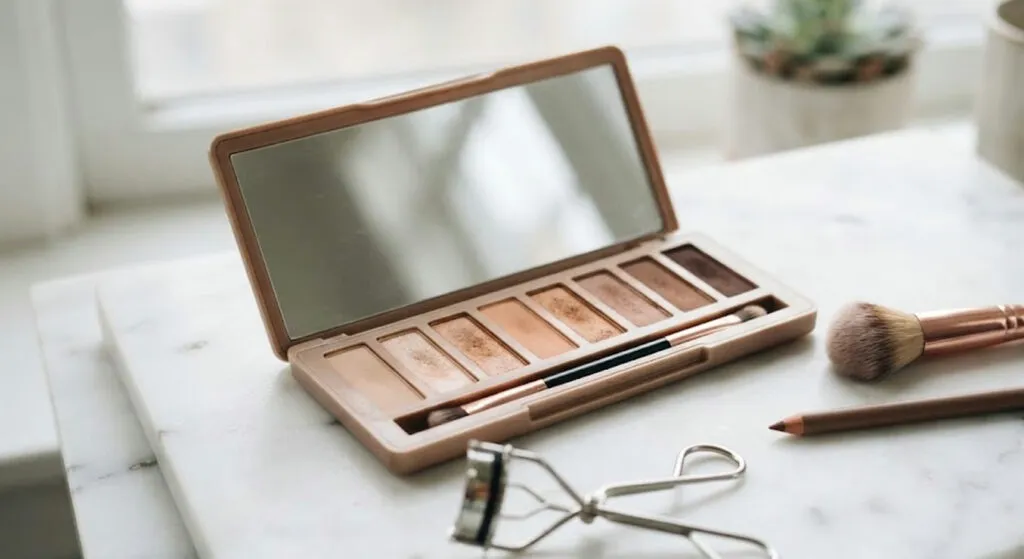
Cream concealer instead of powder, a brown pencil instead of black eyeliner, and a curler before the mascara. Not one...
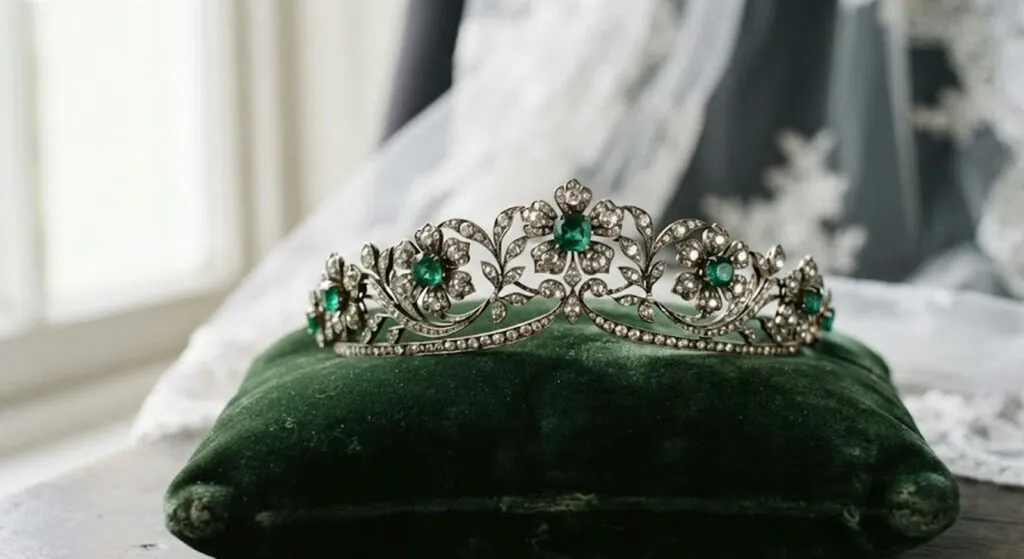
A boat-neck gown and wildflowers that deliberately refuse to compete with the jewellery. A fourth generation under the same diadem,...

A communications expert says the trouser suit sidesteps sexist readings of hemlines and necklines. The same expert warns that the...

Dermatologists explain why the shedding arrives with a two to three month delay and why iron and vitamins do not...

Silk bambula muslin, a hand-draped waist and a veil of crystal organza. The wedding was held in Cadiz, where the...

An industry that spent decades selling a flawless illusion is suddenly showing the shoot itself. That is not candour -...

The classic bob promised one perfect day. This version works against the salon business model - and that alone is...
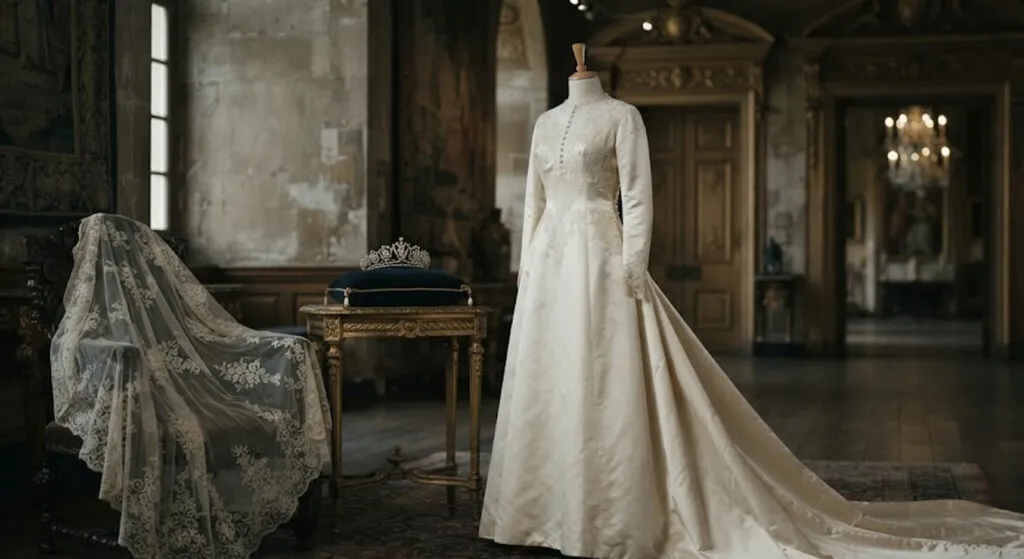
The crowns were held by four men who would all later sit on thrones of their own. Nobody in that...
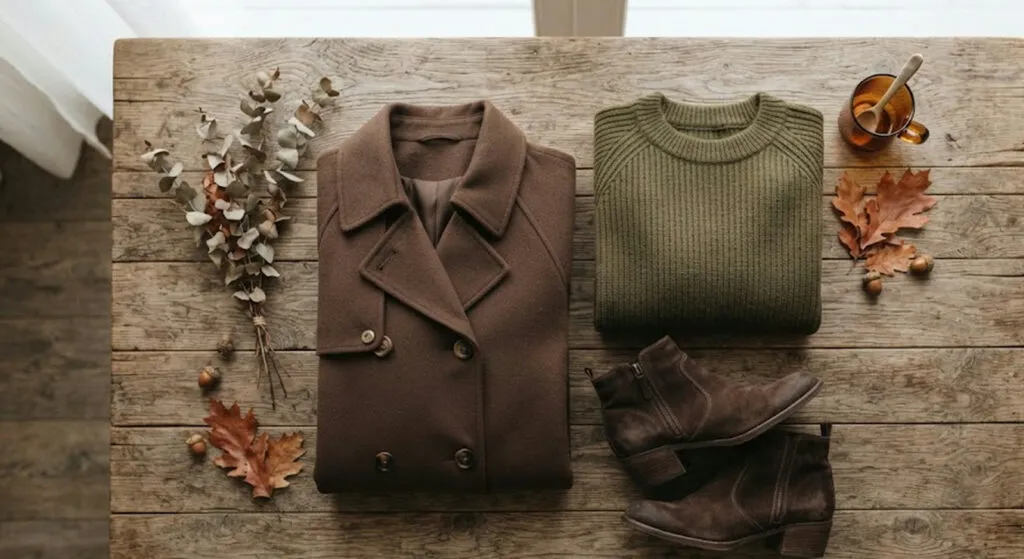
Kate Middleton dropped the beige and the same cut suddenly looked twice as expensive. The industry sells a new silhouette...
This site uses cookies - is that okay? Learn more
Be the first to know when Metla launches something new
Leave your email and we will write when there is a new guide or something new on Metla.