

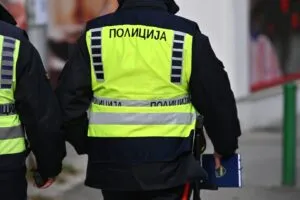
Thirteen hours between the report and the bodies: two Taiwanese nationals found dead in a Skopje flat
03.09.2026


03.09.2026
03.09.2026

03.09.2026

03.09.2026

03.09.2026

03.09.2026

03.09.2026

02.09.2026

01.09.2026

03.09.2026

03.09.2026
02.09.2026
03.09.2026
03.09.2026
03.09.2026

03.09.2026

02.09.2026

01.09.2026
03.09.2026

03.09.2026

03.09.2026

03.09.2026
02.09.2026
01.09.2026

09.03.2026

27.02.2026

19.02.2026

03.09.2026

02.09.2026

01.09.2026

23.04.2026

23.04.2026

12.04.2026
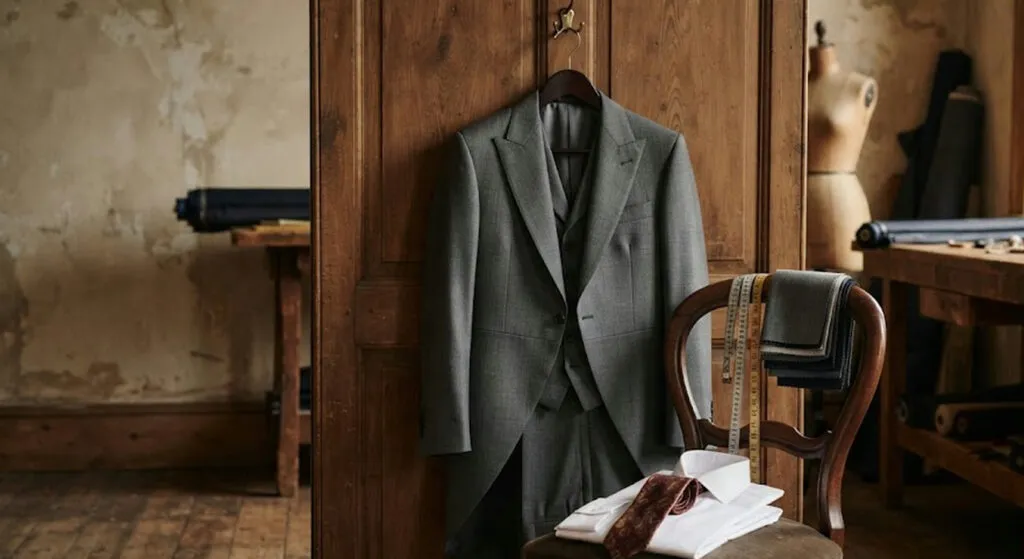
A wedding is planned by two people, and the bride's outfit is discussed ten times more than the groom's. The result is predictable: three weeks before the ceremony a man is standing in a shop with no idea whether he needs a tailcoat, when a dinner jacket is worn, or why the jacket has to be fitted at the weight he will actually be on the day. Menswear specialists have entirely concrete answers, and those answers are not a matter of taste.
Is the tailcoat compulsory? It is not. It belongs to formal weddings and church ceremonies, and at civil ones it effectively drops out. In the end it is the groom's decision and a question of how much formality he wants his outfit to carry. Contrary to popular belief, the tailcoat is not reserved for tall men. Álvaro Torres of Mansolutely explains that on shorter men "the structure of the morning coat helps lengthen the silhouette, especially when it is monochrome" - three pieces in the same fabric create an unbroken line that lengthens further.
And the dinner jacket? It is borrowed from American and central European weddings, where the protocol is looser than in Spain. There it is reserved for evening celebrations, after 17:59. Tailor Adrián Seligra says the dinner jacket "was created for evening occasions, so respecting that context preserves its origin and meaning within the tailoring tradition". So if the wedding starts at one in the afternoon, a dinner jacket is the wrong choice no matter how well it fits.
When do you start? Here the figure is unexpectedly large. According to Seligra, a fully bespoke suit needs ten months - and not because of the sewing, but because of fabric availability and fittings. With other solutions, such as adapting a model from a collection, the time falls to around three months. So a man who remembers the suit six weeks before the wedding has in fact already chosen which option he is getting.
Looser or tighter? Torres's answer is sharper than expected: "The key is to be measured at the build and weight you want to have on the wedding day." The suit should fit perfectly, but if you must err, err on the larger side. Nobody wants to look at photographs where the buttons are wrestling with the man.
The fabric is chosen by season, not by catalogue. "The composition, the weight, the finish and the colour have to be matched to the period," says Torres. Winter means wool and cashmere in heavier weights and darker tones; spring and summer mean cool wools, linen or smooth silk in lighter shades. For a Balkan wedding in August that is worth more than any trend recommendation.
Colours and details. The specialists agree the most elegant option is all three pieces in the same colour, though a beige waistcoat works with blue and grey. A white shirt remains the most sophisticated; pale blue allows a more relaxed look. As for the neckwear - protocol calls for a bow tie with a dinner jacket, while a three-piece suit and a tailcoat traditionally take a tie. At informal weddings there are exceptions. Mariano García, a protocol director, says it is precisely those accessories that "mark out distinction and good taste".
The whole list compresses into one sentence: the decisions about menswear are almost entirely predetermined by the type and hour of the ceremony. The freedom is in the detail, not in the cut. That is good news for every groom afraid of getting it wrong - and bad news for anyone who hoped there would not be much to decide.
The latest 10 news from this category
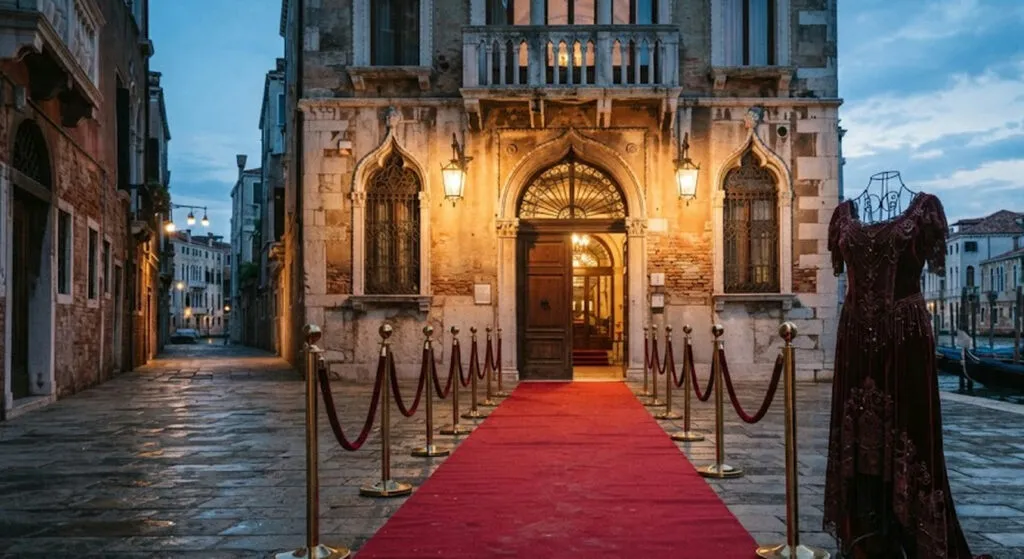
The world's oldest film festival opens its 83rd edition. Of all the appearances that stayed in the memory, not one...
The industry offers a mask, a serum and an ampoule. Hairdressers offer scissors - and with some of these cuts...
Fifteen degrees in the morning, twenty-eight in the afternoon. Outfit lists are built to show you that you do not...
NAD+ is the genuine coenzyme of the season. The problem is that it is too big for the skin barrier,...
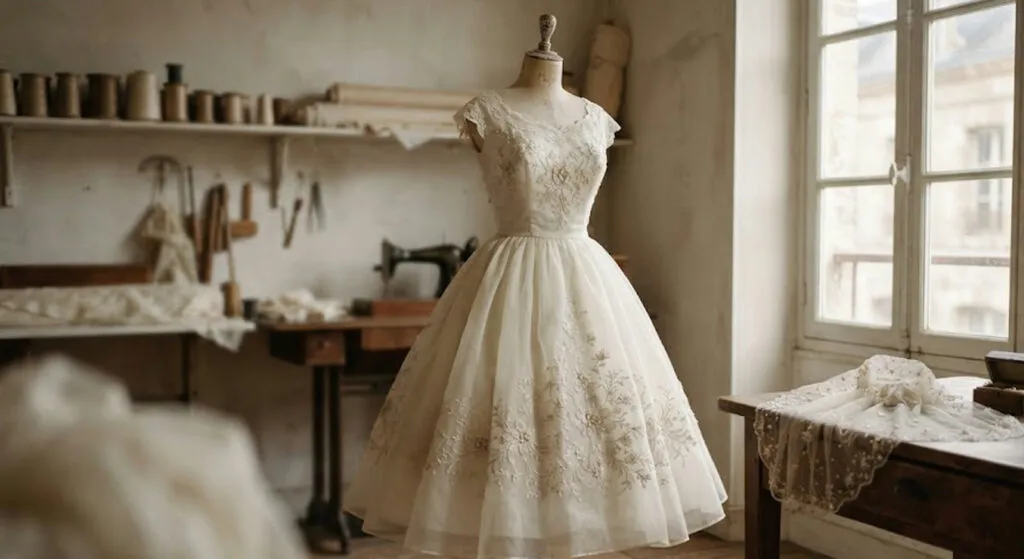
They met as children at the theatre, he was twelve, she was eleven. Five years later he was designing the...
"Real repair is not achieved through an exhibition or institutional recognition," the designer wrote. The sentence the industry did not...

Post-summer pigmentation affects around a third of women, and it shows up even on those who applied sunscreen diligently. The...
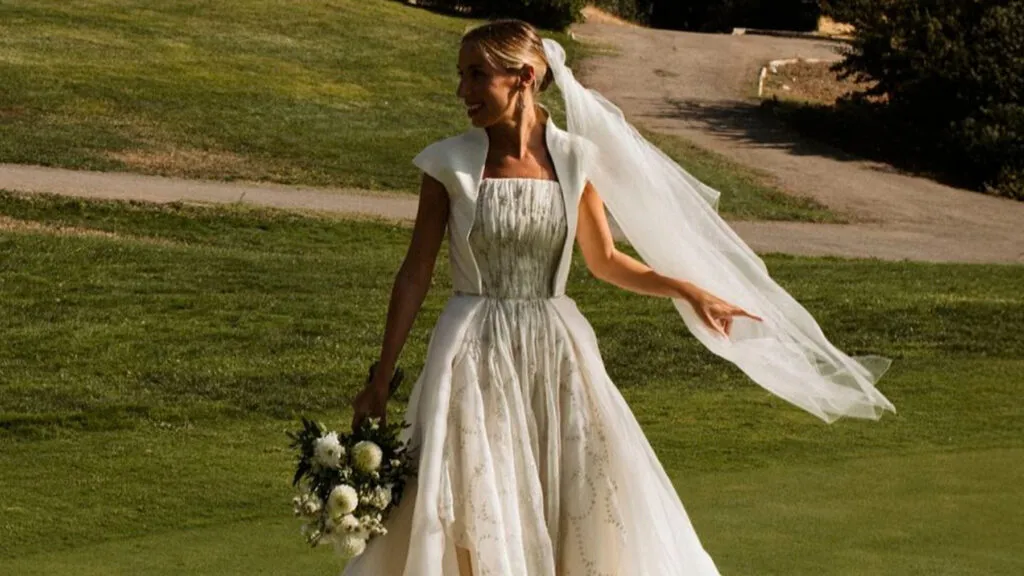
Of seven dresses, at least three were made by hand for a specific person, and one was made by a...
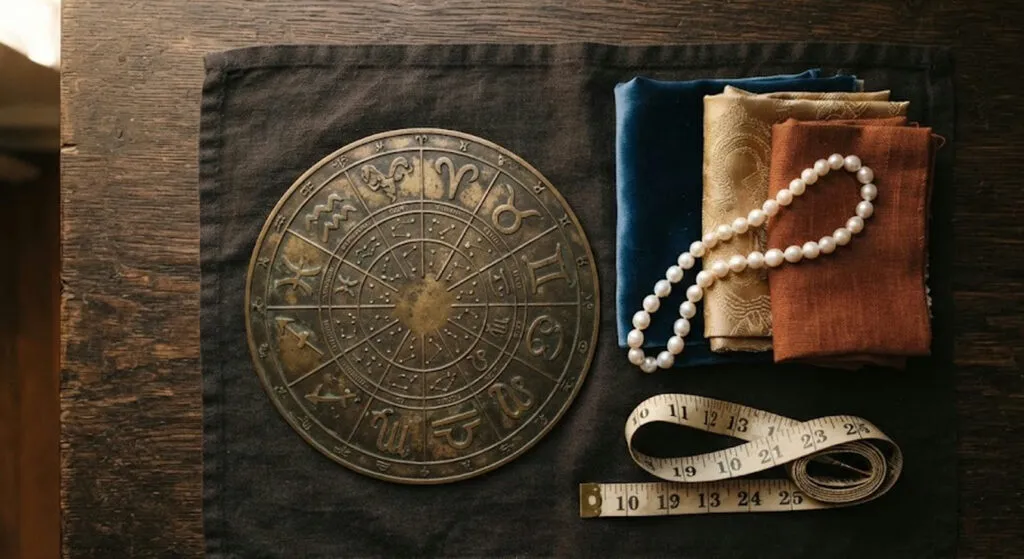
Dior went to a tarot reader before every major decision, Chanel built her number into a perfume's name. The only...

It is not one aggressive exposure but the cycles of wetting and drying repeating every day. The trade says: cut...
This site uses cookies - is that okay? Learn more
Be the first to know when Metla launches something new
Leave your email and we will write when there is a new guide or something new on Metla.
