

"Crime as a service" with call centres in Macedonia too: over 4 million euros in damage, victims in 50 countries
04.11.2026


04.11.2026

04.11.2026

04.11.2026

04.11.2026

04.11.2026

04.11.2026

04.11.2026

03.11.2026

03.11.2026

04.11.2026

04.11.2026

03.11.2026

04.11.2026
04.11.2026

04.11.2026

04.11.2026

03.11.2026

02.11.2026

04.11.2026

04.11.2026

04.11.2026

04.11.2026

04.11.2026

03.11.2026
04.11.2026

03.11.2026

02.11.2026

23.04.2026

23.04.2026

12.04.2026

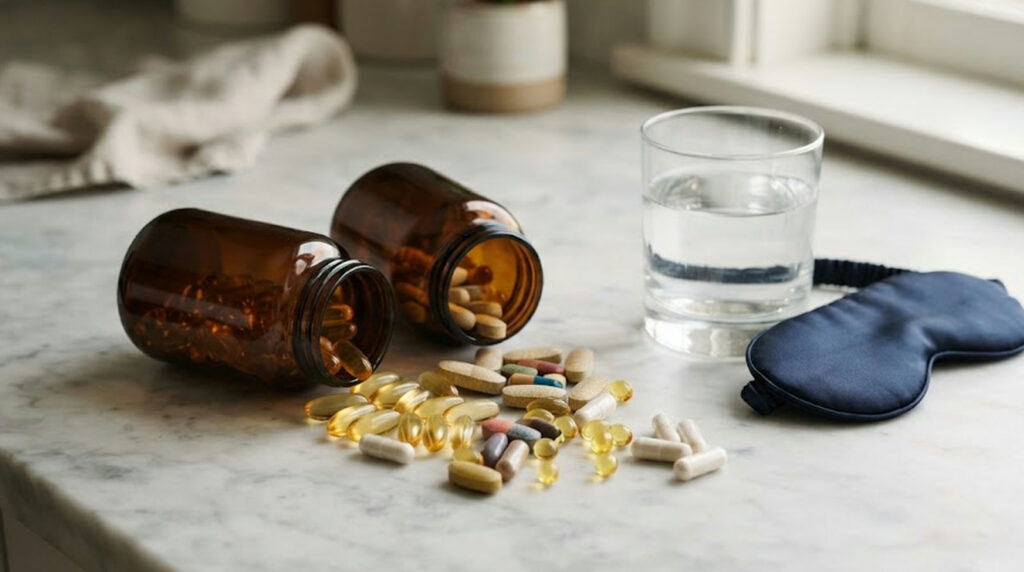
Pharmacy shelves are packed with little bottles promising a longer life, younger skin and more energy. Three doctors who work precisely on longevity have a message that doesn't sell nearly as well: a supplement is not a shortcut. The foundation, says longevity specialist Dr Vicente Mera, is still to sleep well, move, eat properly and keep stress under control.
Mera, Dr Mariel Silva, who works on healthy ageing, and Dr Isabel Viña, a supplement expert, agree on one thing: more pills don't mean better results. When they are taken without a clear reason, it's easy to end up taking the same ingredient twice, overdoing the dose or having two products interact.
Instead of a one-size-fits-all list, the experts recommend a tailored regimen: based on medical history and blood tests, and sometimes on body composition, the microbiome or biological age - and reviewed over time. Age, they say, matters less than personal circumstances: heavy periods, low vitamin D, a vegan diet, a planned pregnancy or intensive training.
When tests show a need, the most common candidates are vitamin D, B12 and omega-3. Magnesium and creatine come up for stress and physical exertion, and creatine especially for women after menopause, combined with strength training. For autumn, magnesium, vitamin D and omega-3 are named as the basics.
And the trendy "youth molecules"? For spermidine and NAD+ precursors, the evidence in humans is still being gathered, which means they are neither essential nor universal. Translated from marketing into plain language: maybe, sometime, for someone.
The irony is that the best advice is free. Sleep, strength training, enough protein, less stress, no alcohol or tobacco, and looking after your emotional health. None of it comes in a bottle with a gold-foil label - and that's exactly why it's rarely advertised. How many people spend more on capsules than on sleep?
The latest 10 news from this category
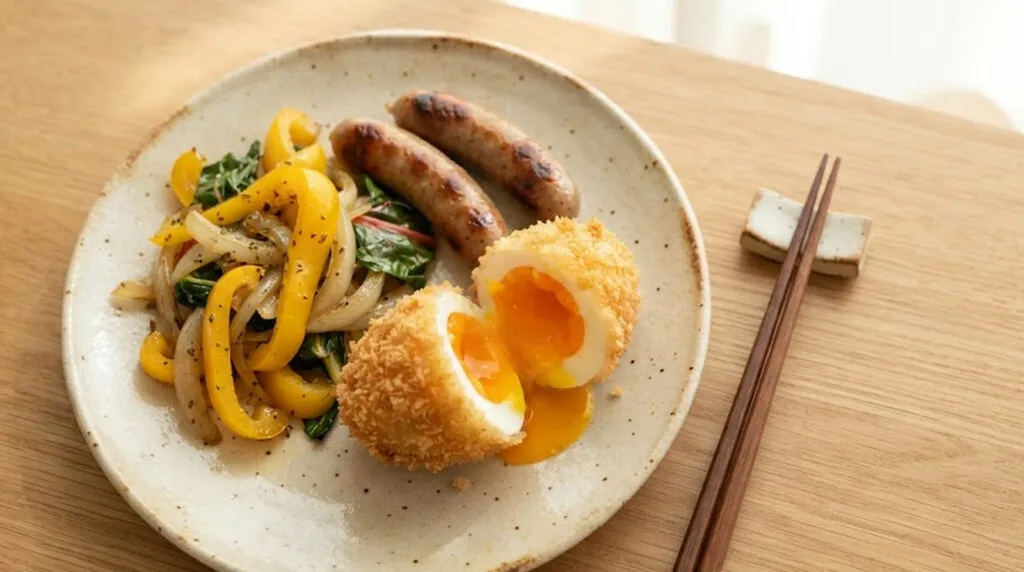
The latest viral breakfast from Gwyneth Paltrow's kitchen is an egg, panko and a frying pan. The trick is in...
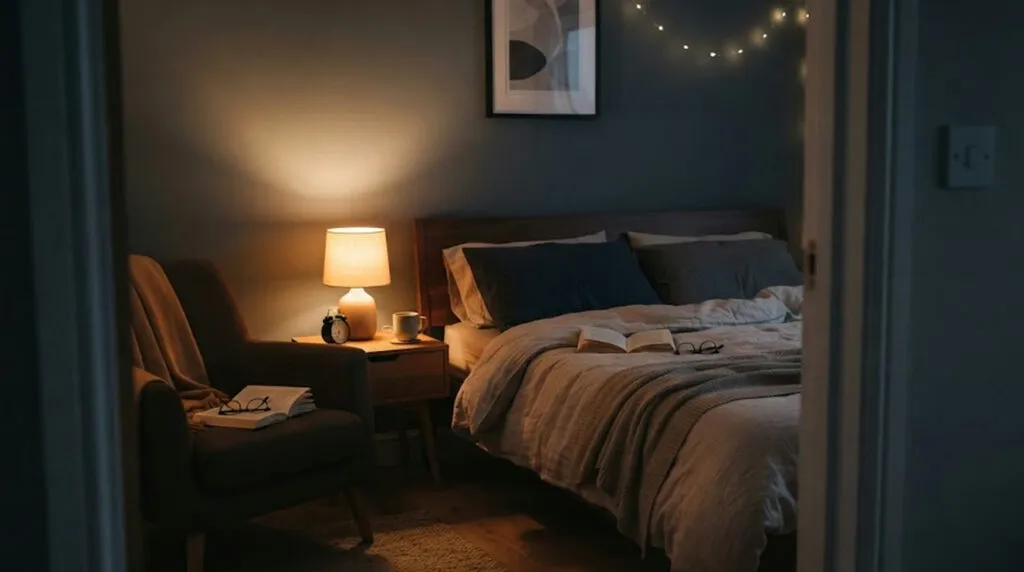
The harder you try to fall asleep, the longer you lie awake. The solution sounds counterintuitive: another room, dim light,...
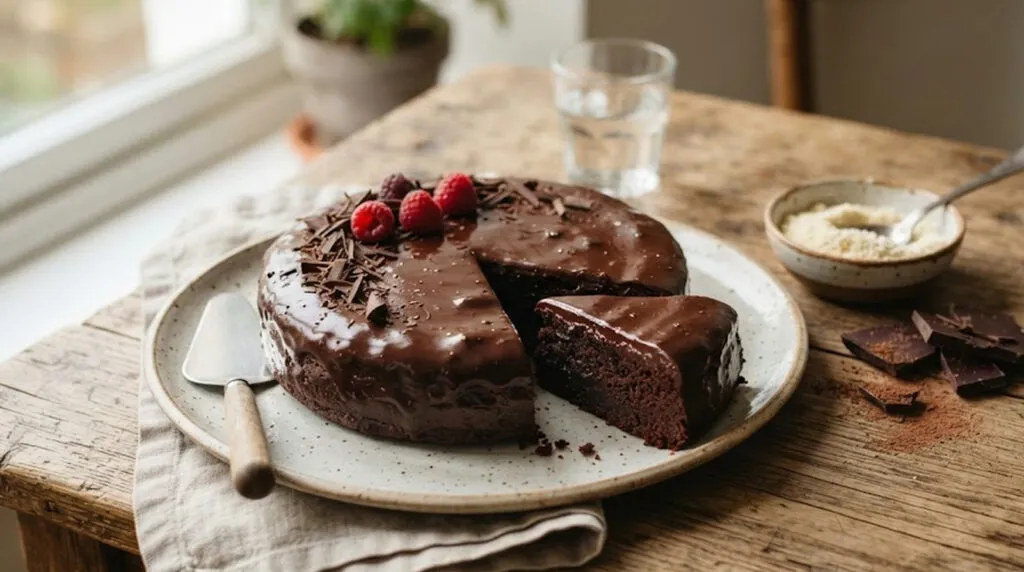
Almond flour instead of wheat, chocolate melted over steam and a glaze you spread the moment the cake comes out...
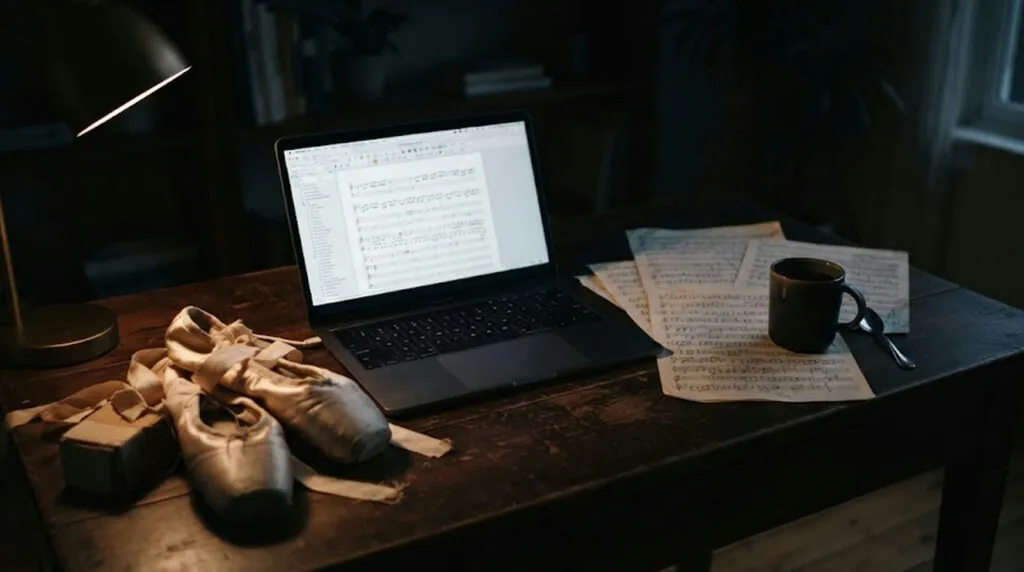
Hate your job and work twelve hours, and you get worried questions. Love it and work fourteen, and you get...
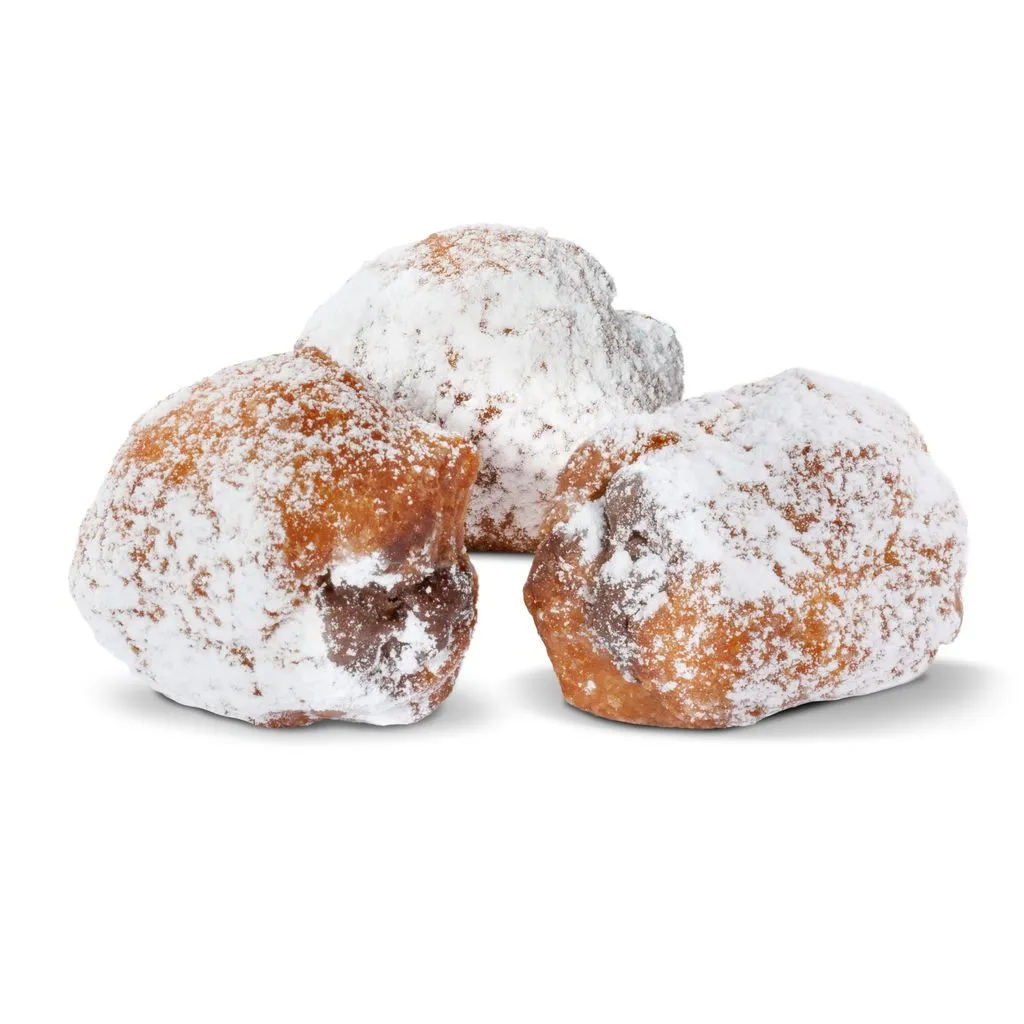
Legend has it the first ones were hurled red-hot from the walls of besieged Almogía. Today they're filled with cream,...
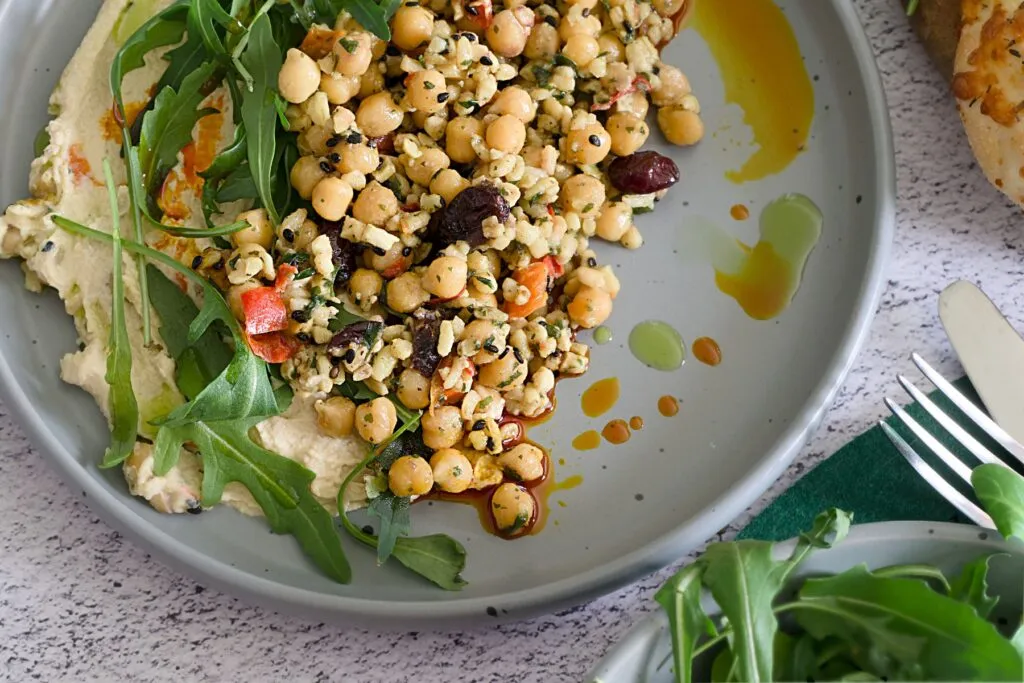
A book with "revolution" in the title and advice every grandmother knows: dinner earlier, beans on the table, vegetables before...

Two fillets, ham, cheese and breading from the finest crumbs. The biggest mistake is adding everything you've got in the...

If you sleep six hours and need eight, you run up two hours of debt a day. The weekend is...
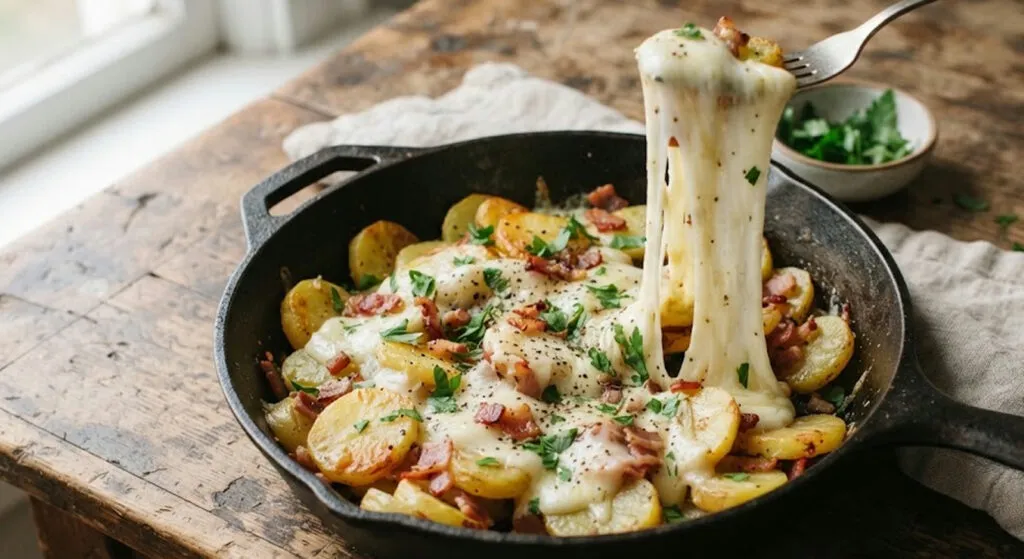
The name sounds expensive, but the dish is mountain food from Auvergne: potatoes, bacon and cheese that stretches into long...

The recommendation is 25 to 30 grams of fibre a day, but your gut won't accept it overnight. A nutritionist...
This site uses cookies - is that okay? Learn more
Be the first to know when Metla launches something new
Leave your email and we'll write to you when there's a new guide or something new on Metla.