
The Young Men From Saraj Say They Were Beaten After Being Subdued, the Union Claims They Tried to Run Police Over: The Interior Ministry Is Still Just Investigating
11.10.2026


11.10.2026
11.10.2026
11.10.2026
11.10.2026
11.10.2026
11.10.2026
11.10.2026
10.10.2026
10.10.2026

11.10.2026

11.10.2026

10.10.2026

11.10.2026

11.10.2026

11.10.2026

11.10.2026
10.10.2026

09.10.2026

11.10.2026

11.10.2026

11.10.2026
11.10.2026

11.10.2026

10.10.2026
11.10.2026
11.10.2026
09.10.2026
10.10.2026

08.10.2026
06.10.2026

23.04.2026

23.04.2026

12.04.2026

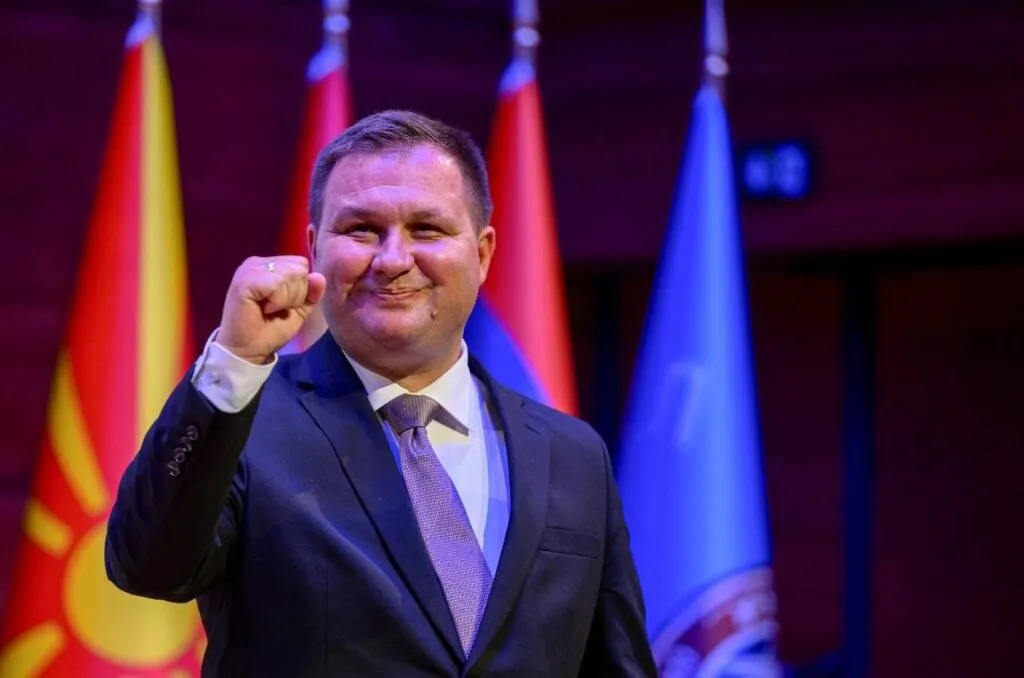
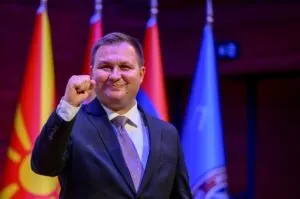
For years Saša Bogdanović was an SDSM cadre: president of the party's municipal branch in Centar, director of the public company "Parking Lots of Centar Municipality", and from 2017 to 2021 mayor of Centar. Now he is returning to politics as president of his own party - the Serbian Democratic League.
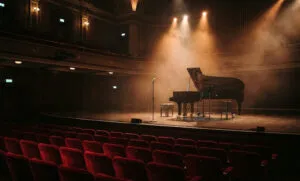
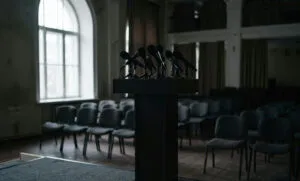
The party's first electoral congress was held on the evening of October 9 in the hall of the Macedonian Philharmonic in Skopje. Delegates unanimously formed the Central and Supervisory Boards and adopted a draft coalition agreement, giving the president and the Central Board a mandate to negotiate and enter future political coalitions. With whom - so far, nobody has said.
Alongside representatives of Macedonian parties and public figures, the hall also had a guest from Belgrade: Nevena Đurić, vice-president of the Main Board of the Serbian Progressive Party (SNS). SNS is Serbia's ruling party, led for many years by Aleksandar Vučić. Bogdanović publicly thanked them for what he called strong support.
"This is not just a new political force, it is a historic renewal of the cooperation and tradition of the first Serbian League, founded in Skopje back in 1908. With organization, dignity and unity, we will protect our identity while respecting the identity of others!" Bogdanović said. He ended his post about the congress in Serbian: "Only united can we be strong!"
The party says it will act as a civic option, open to all ethnic communities. Back in March, when he announced the party, Bogdanović claimed he would not be addressing only Serbs. A civic option for everyone, with a name that invokes a national organization from 1908 and a guest from a neighboring country's ruling party in the hall - that is a combination that will need a good explanation.
The Serbian community has every right to organize politically. But when support for a new party in Macedonia arrives straight from the ruling party in Belgrade, the question is not ethnic, it is political: whose interests will that coalition mandate bring to the table - those of the citizens of Macedonia, or someone else's?
The latest 10 news from this category
A day after the meeting in Sofia, Bulgaria's foreign minister told MPs there will be no renegotiation and no delayed...
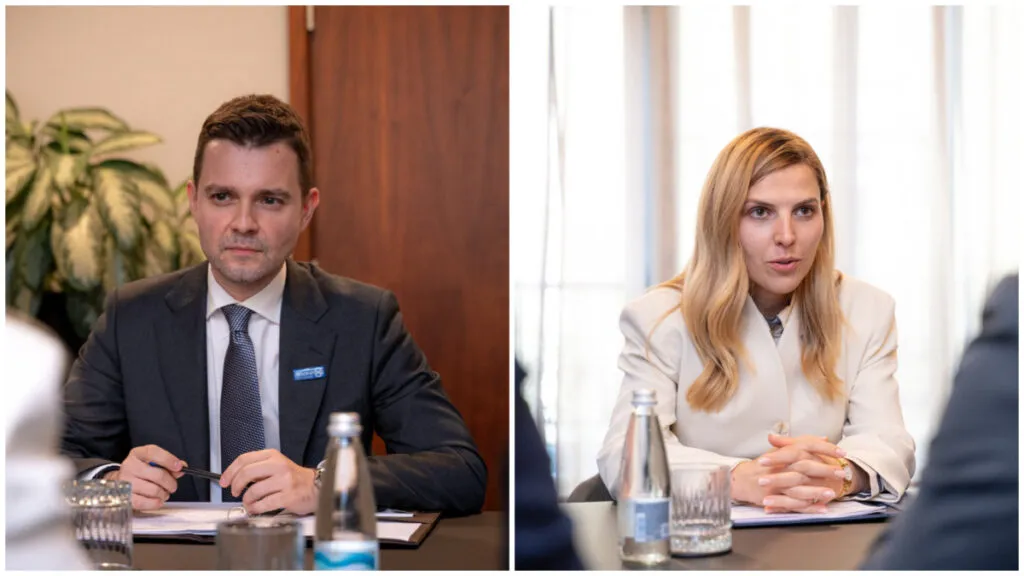
Brussels asked for the meeting. Bulgaria rejected renegotiation, constitutional changes with delayed effect and qualified majority voting - and did...
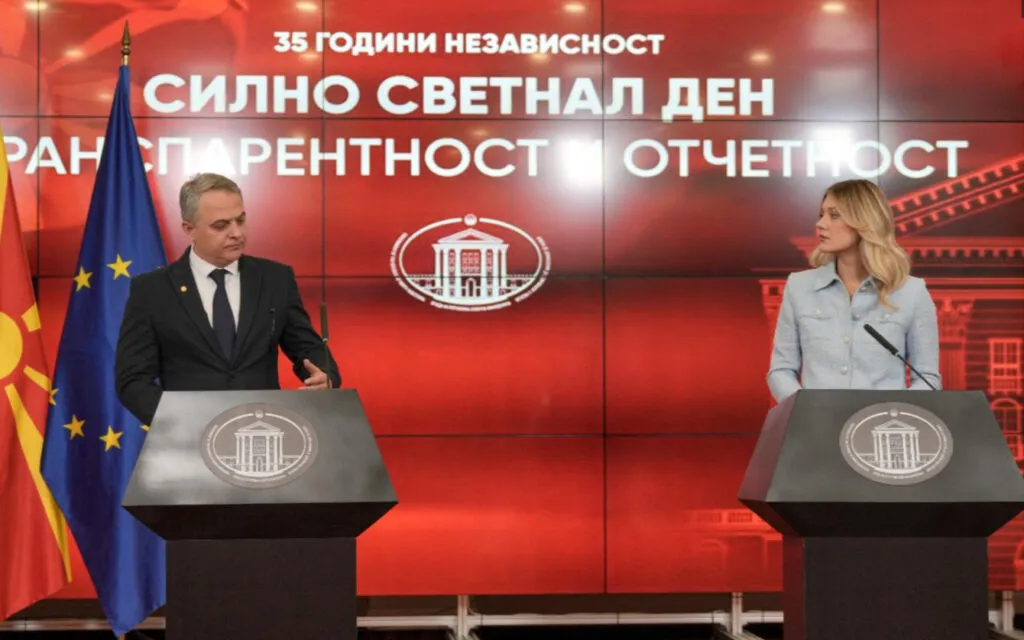
The State Lottery put up the money, a private agency divided it up, and the Lottery says it has no...
The statement attacking the prosecutor came out on the day the court, at her request, refused to unfreeze the party's...
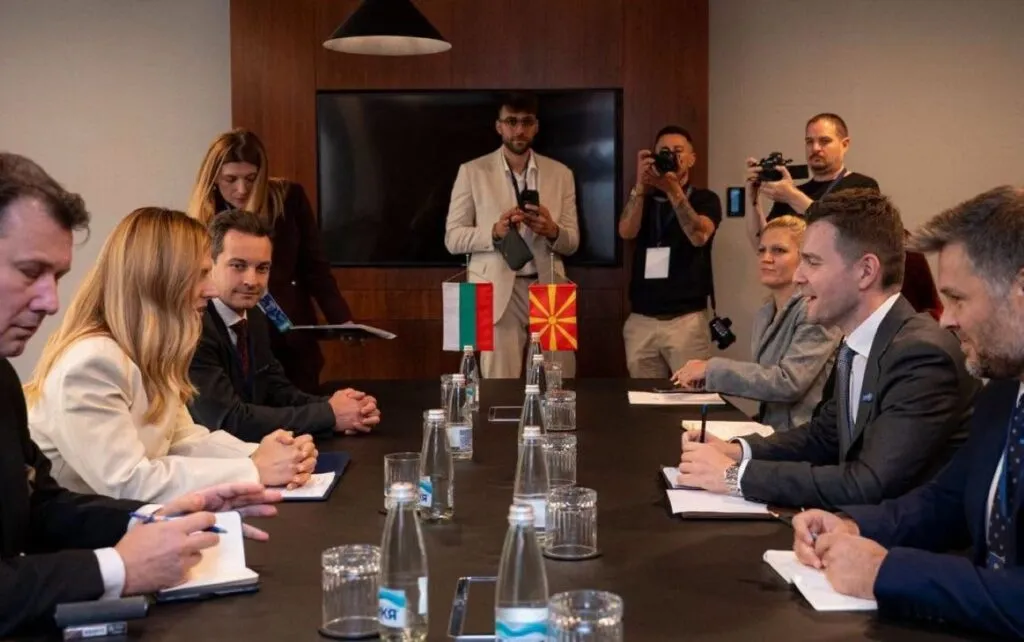
Skopje wants a guarantee that no new demand will follow the constitutional changes. The Bulgarian minister says the best guarantee...
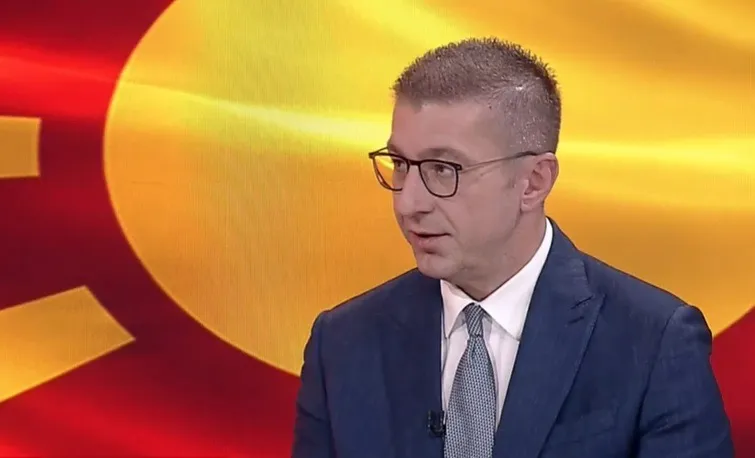
SDSM wants every official's assets checked going back to 1991; the prime minister offers a polygraph so everyone can say...
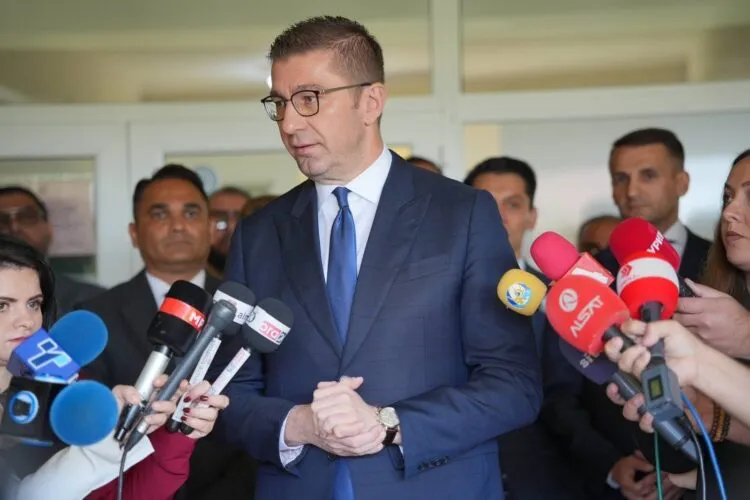
Skopje knows there will be a meeting, but not whether it gets a seat at the table or a quick...
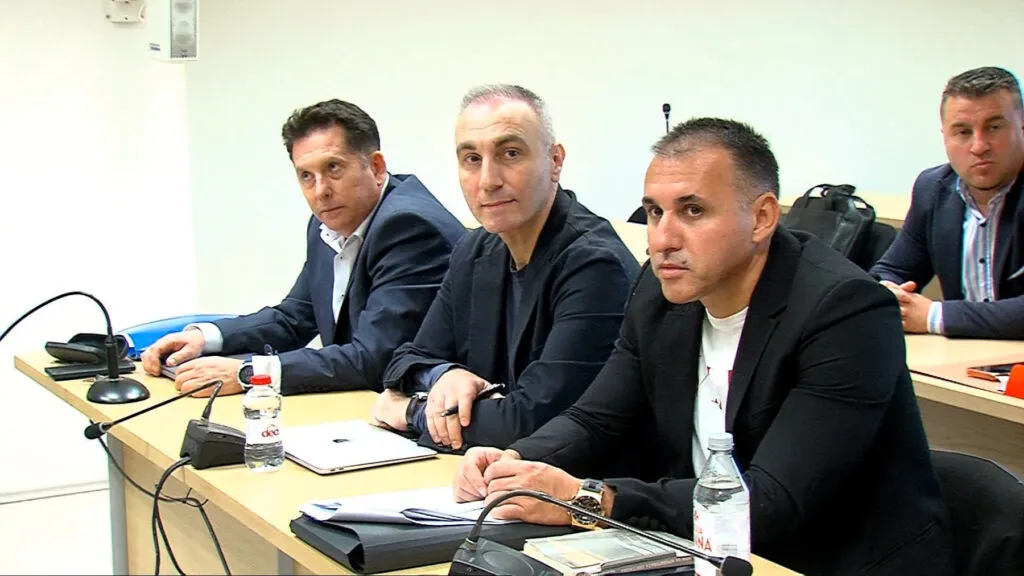
The deadline is written in the law, while the parties argue over who's to blame. In the "State Lottery" case...
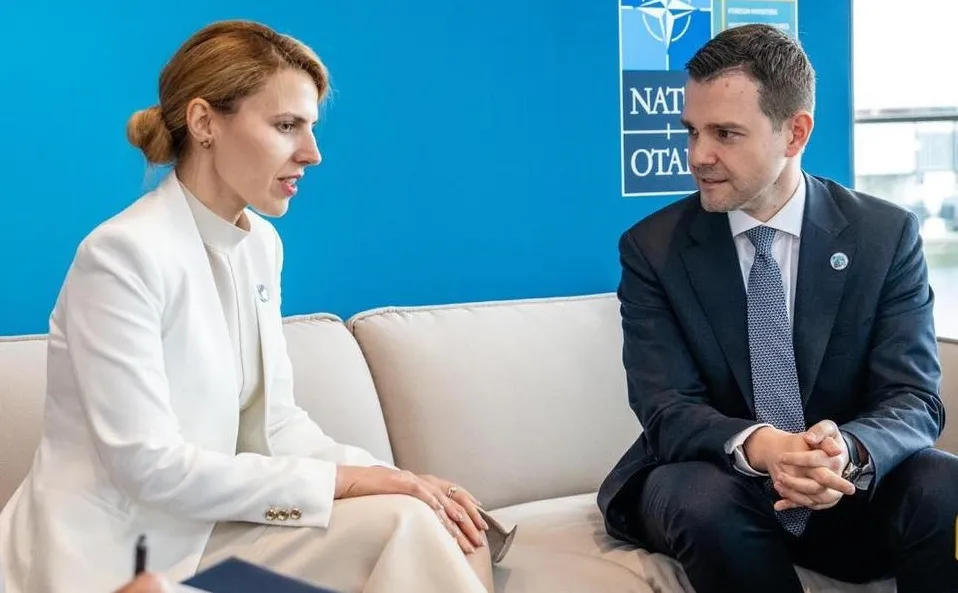
Von der Leyen advised talking, Skopje sent a diplomatic note, Sofia answers through the media. The prime minister declared the...
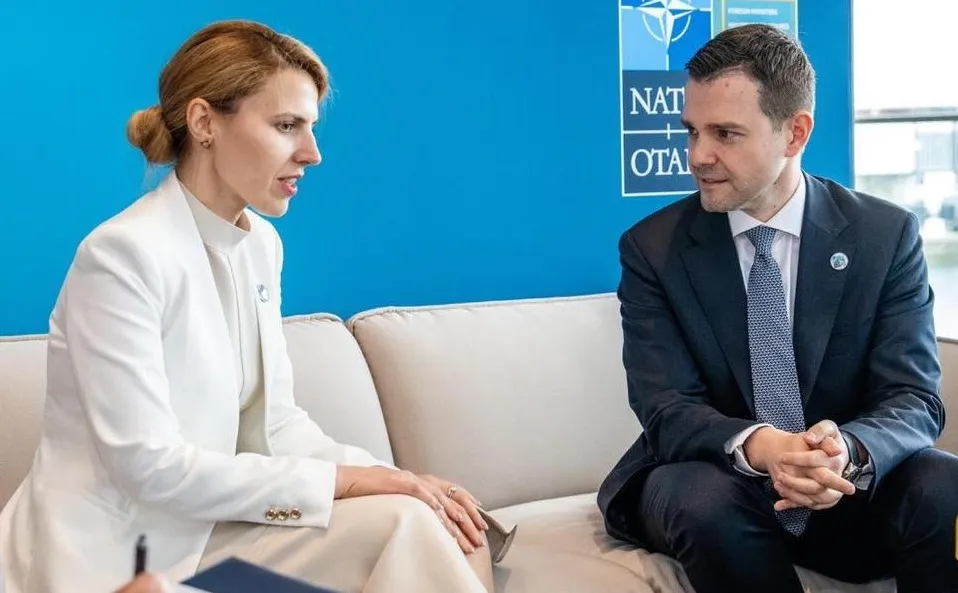
A meeting on the sidelines of the Corridor 8 conference is the first step after Ursula von der Leyen's advice....
This site uses cookies - is that okay? Learn more
Be the first to know when Metla launches something new
Leave your email and we will write when there is a new guide or something new on Metla.