

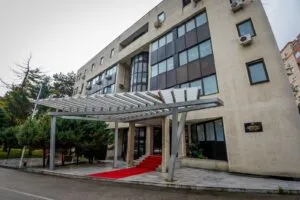
Two young men say police officers beat them while they were tied up: the investigation is being run by the Interior Ministry itself
10.10.2026


10.10.2026
10.10.2026
10.10.2026

10.10.2026
10.10.2026
10.10.2026
10.10.2026
10.10.2026
09.10.2026

10.10.2026

10.10.2026

09.10.2026

10.10.2026

10.10.2026

10.10.2026
10.10.2026

09.10.2026
08.10.2026

10.10.2026

10.10.2026
10.10.2026

10.10.2026

10.10.2026

09.10.2026
09.10.2026

08.10.2026

07.10.2026
10.10.2026

08.10.2026
06.10.2026

23.04.2026

23.04.2026

12.04.2026

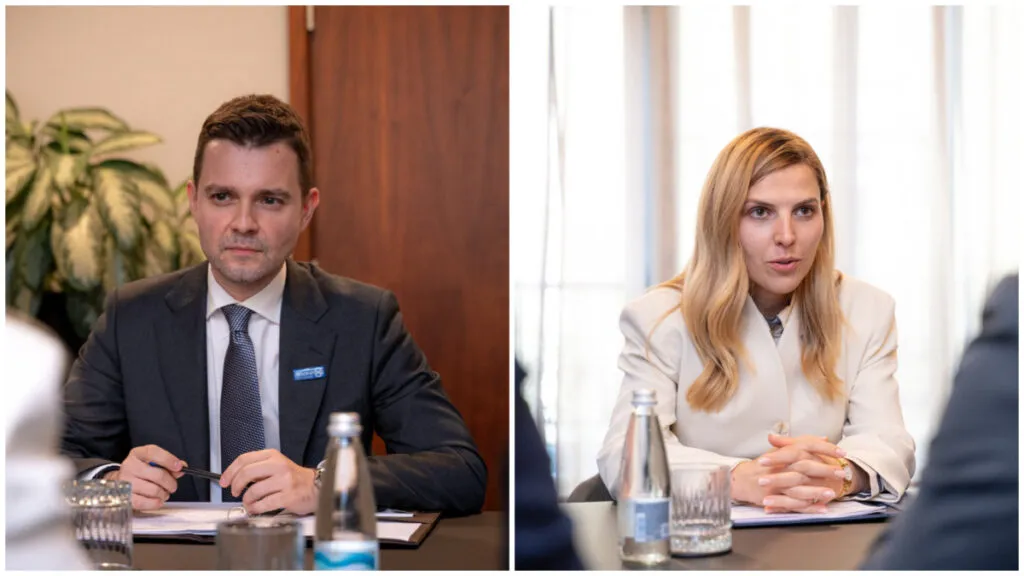
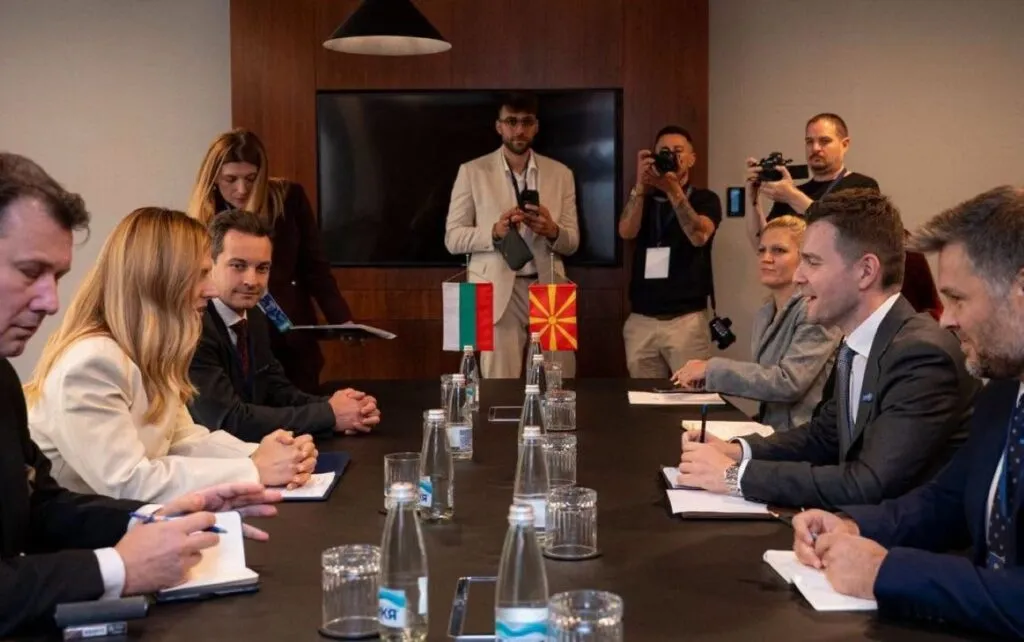
The meeting in Sofia was arranged at the suggestion of European Commission President Ursula von der Leyen, who visited Macedonia last week. Foreign Minister Timčo Mucunski sat down with his Bulgarian counterpart Velislava Petrova-Chamova on 8 October. Her real answer came the next day - not at the table with Mucunski, but from the floor of the Bulgarian National Assembly, in response to a question from an MP of the nationalist Vazrazhdane party.
"Bulgaria is not taking part in consultations on renegotiating the commitments undertaken with Skopje. There is no need for any negotiations on a new agreement, because such negotiations are unacceptable to our country, as is any mediation on this subject. There can be no renegotiation," Petrova-Chamova said.
Sofia shut every door
Sofia rejected renegotiation. It rejected constitutional amendments with delayed effect - the formula that was supposed to give Macedonia some certainty that, once Bulgarians are written into the Constitution, a new round of demands will not follow. And it flatly opposed qualified majority voting in the enlargement process, an initiative Prime Minister Hristijan Mickoski had welcomed as a sign that the EU sees the damage done by abuse of the veto.
The Bulgarian minister went a step further: she called the claims about renegotiation unfounded and said they could be explained by "domestic political goals in Skopje". She named the 2022 agreement as the only way forward, and writing Bulgarians into the Constitution as the first necessary step.
The heart of it is predictability
After the meeting Mucunski described the atmosphere as positive, but the positions as far apart and trust as low. Not one of the big issues has been resolved. The heart of the dispute is predictability: Skopje wants a guarantee that meeting one condition will not open the door to new demands on history, identity or language. Petrova-Chamova replies that a member state cannot guarantee in advance how the whole accession process will go.
In other words, Macedonia is being asked to take the first step with no guarantee whatsoever about the next one. In Sofia Mucunski also met Enlargement Commissioner Marta Kos, who conveyed the Commission's serious interest in unblocking the process, and the next day he spoke to Dutch ambassadors about a "merit-based" process.
Brussels brought both sides to the table. Sofia used its parliament to say there will be no talks on substance. If the European mediator cannot even secure a conversation about guarantees, then who will guarantee the predictability Skopje keeps talking about?
The latest 10 news from this category
The State Lottery put up the money, a private agency divided it up, and the Lottery says it has no...
The statement attacking the prosecutor came out on the day the court, at her request, refused to unfreeze the party's...
Skopje wants a guarantee that no new demand will follow the constitutional changes. The Bulgarian minister says the best guarantee...
SDSM wants every official's assets checked going back to 1991; the prime minister offers a polygraph so everyone can say...
Skopje knows there will be a meeting, but not whether it gets a seat at the table or a quick...
The deadline is written in the law, while the parties argue over who's to blame. In the "State Lottery" case...
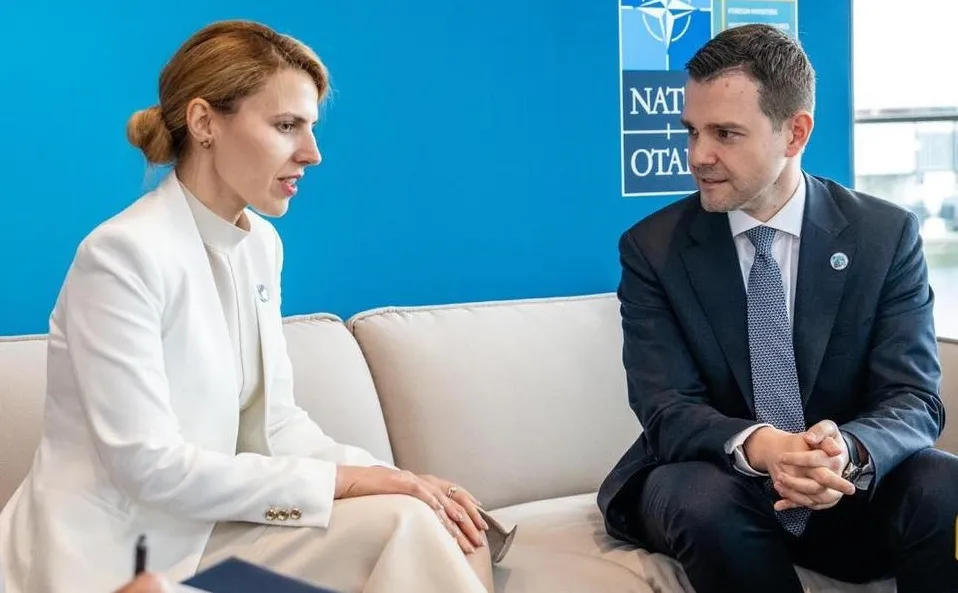
Von der Leyen advised talking, Skopje sent a diplomatic note, Sofia answers through the media. The prime minister declared the...
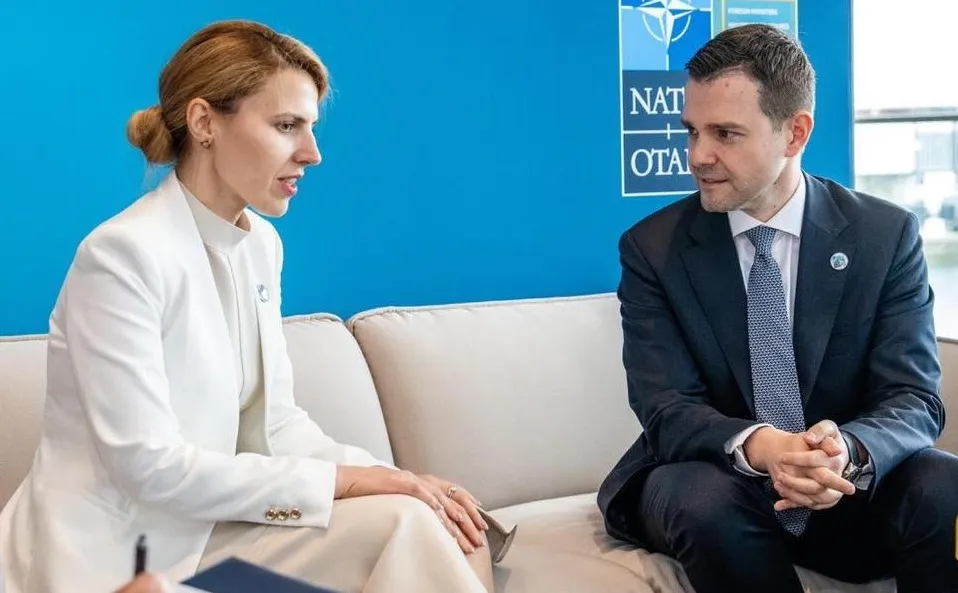
A meeting on the sidelines of the Corridor 8 conference is the first step after Ursula von der Leyen's advice....
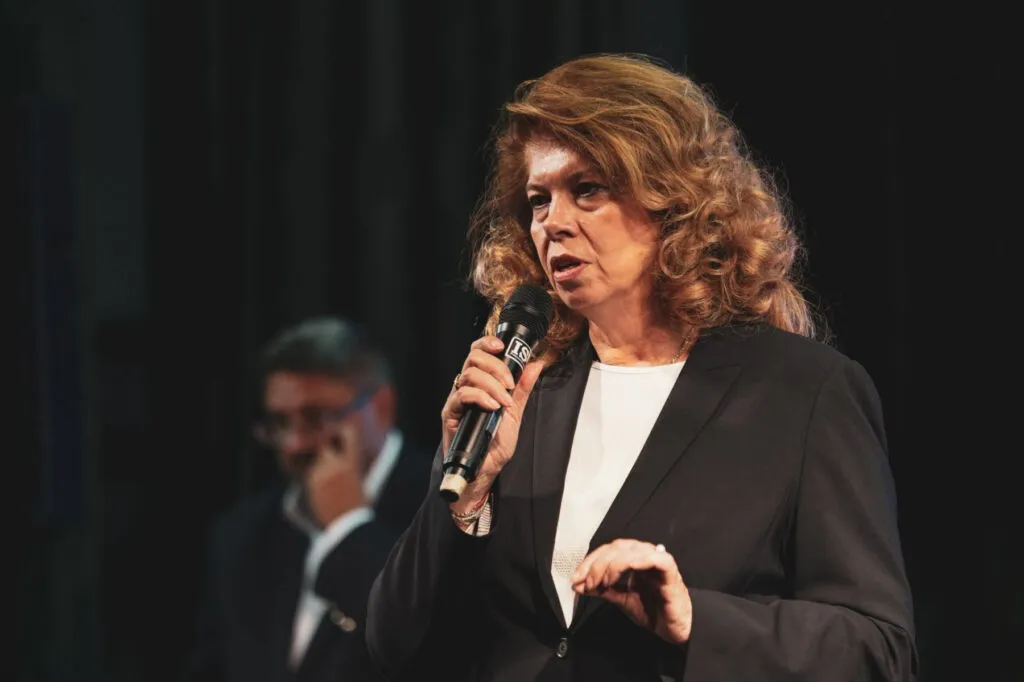
The Bulgarian president says Sofia is open to talks, then lists what Skopje has to accept before it sits down...
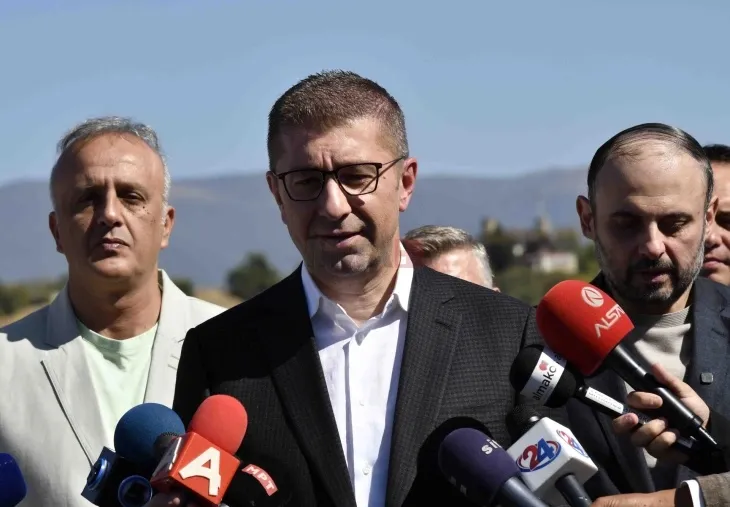
The constitutional changes stay on the table, and Skopje has requested a bilateral meeting with Bulgaria. So far there is...
This site uses cookies - is that okay? Learn more
Be the first to know when Metla launches something new
Leave your email and we will write when there is a new guide or something new on Metla.

