


Two young men say police officers beat them while they were tied up: the investigation is being run by the Interior Ministry itself
10.10.2026


10.10.2026

10.10.2026

10.10.2026

10.10.2026

10.10.2026

10.10.2026
10.10.2026
10.10.2026
09.10.2026
10.10.2026
10.10.2026

09.10.2026
10.10.2026
10.10.2026
10.10.2026
10.10.2026
09.10.2026
08.10.2026
10.10.2026

10.10.2026

10.10.2026

10.10.2026

10.10.2026
09.10.2026
09.10.2026

08.10.2026

07.10.2026
10.10.2026
08.10.2026
06.10.2026

23.04.2026

23.04.2026

12.04.2026

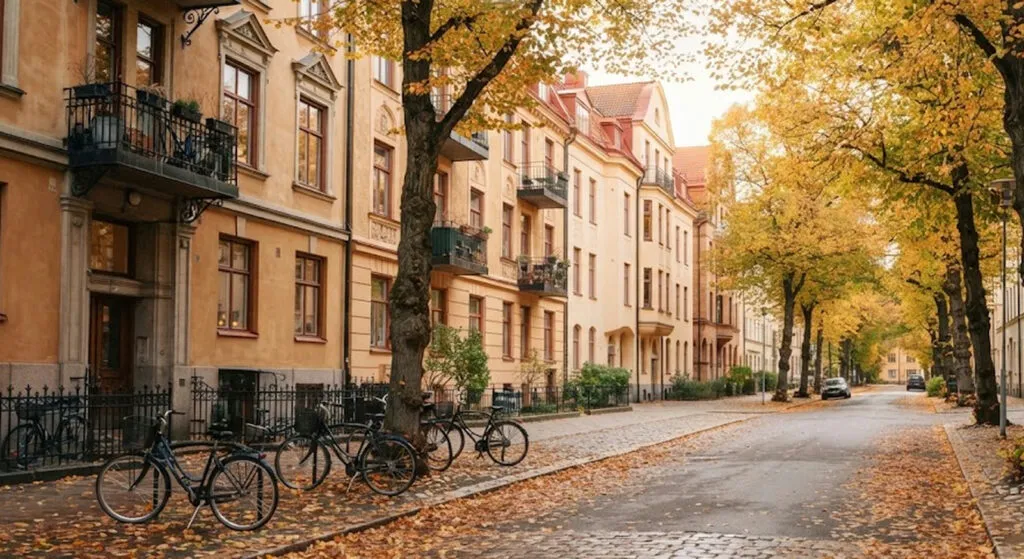
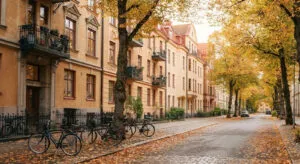
We usually know Stockholm for Gamla Stan and the royal palace. Vasastan rarely makes it onto tourist routes - and that is exactly why it is worth it. Until the 19th century this residential district was fields, gardens and estates on the edge of town. Industry brought apartment blocks, and the neighbourhood took on its present look at the start of the 20th century, as part of the expansion Swedes call Stenstaden - "the stone city".
Nature here is not decoration. Around 60 percent of the Stockholm municipality's area is green space, and a walk through Vasastan starts on a hill: Observatorielunden park, with an 18th-century observatory and a view you will remember. Nearby is Stadsbiblioteket, the city library, but it is closed for renovation until 2028.
Swedes have a word every visitor learns fast - fika, the coffee break with something sweet. In a wing of the observatory is Kafé Himlavalvet, and for specialty coffee you go to Café Pascal, where the cardamom buns are the thing to order. Does our two-hour coffee on a café terrace back home deserve an equally nice name?
Odengatan is the neighbourhood's lively street. On Odenplan square stands the Gustav Vasa church, one of the biggest in the city. Vasaparken is for families: sports pitches, a large playground and plenty of grass. Close to Dalagatan street is the Astrid Lindgren terrace, named after the author of "Pippi Longstocking", who lived in this very neighbourhood.
The Sven-Harry art museum is a museum, gallery, restaurant and rooftop terrace all at once. The collection was gathered over 35 years, and on the top floor is a replica of an 18th-century house.
Where to shop, eat and sleep. ReRobe is for second-hand clothes, Thriftin for vintage, FUBUKI for rain and snow boots, and Acne Archive for fashion. To eat: Främmat, with creative cooking with a French touch, Rolfs Kök on Tegnérgatan, with classic dishes in a new version, and Erth, in the basement of the Hötorgshallen market hall, for meat and wine. To sleep there is the boutique hotel Villa Dahlia, in a building from the sixties, reopened in 2024.
We associate Scandinavian cities with high prices, and rightly so. But a walk through a park, past a church and down a street of old stone buildings costs nothing - and that is exactly what Vasastan does best.
The latest 10 news from this category
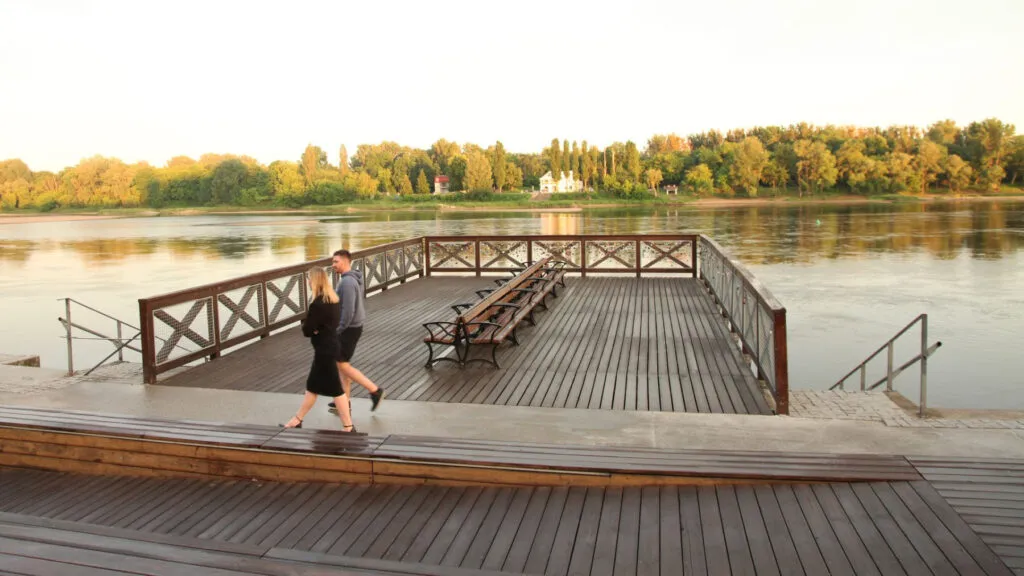
One was built by the Teutonic Knights, the other lived under Prussia for more than a century. Between them -...
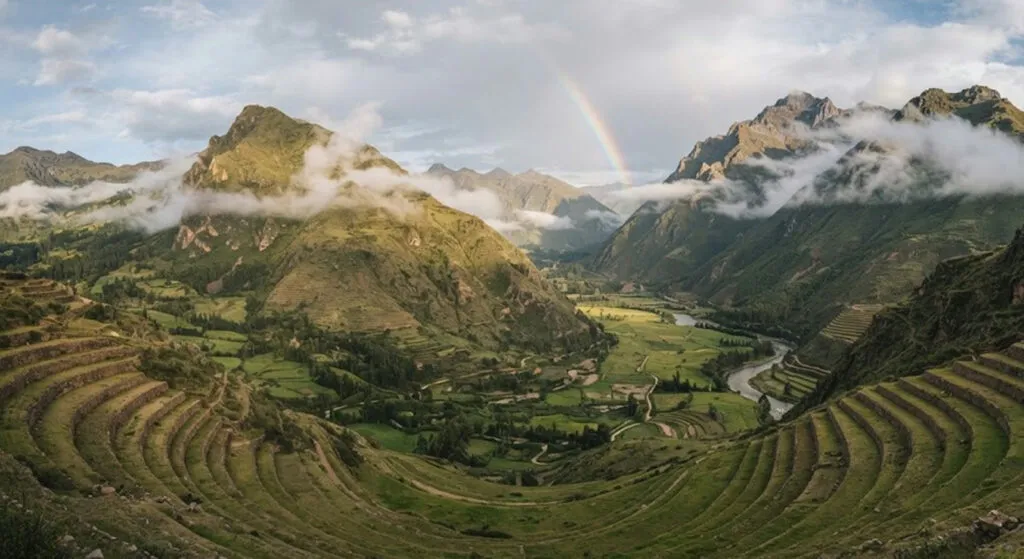
Maribel Verdú put off Peru for years. When she finally went, she came back with a rainbow over Machu Picchu...

Rubén Cortada, the villain of "Sira", is building his career in Spain, but he keeps going back to the island...
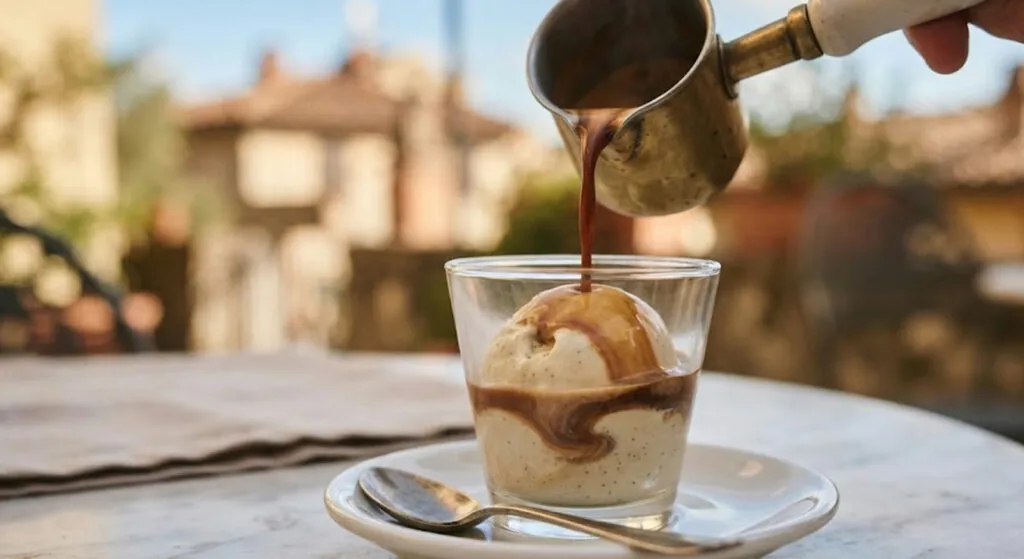
A scoop of gelato, hot espresso poured on top, and six addresses along the Arno. In Florence this isn't a...
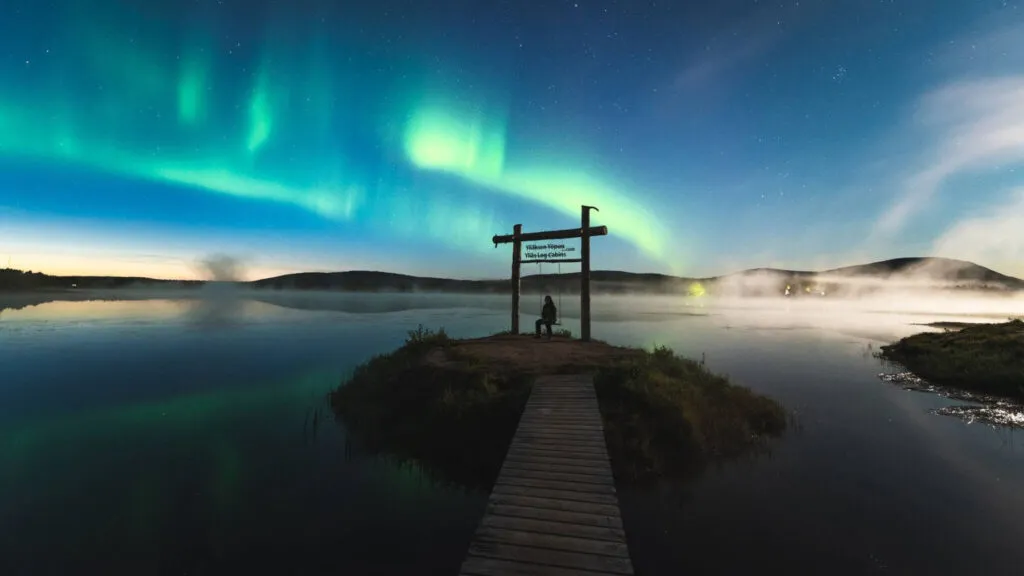
Salmon soup by the harbour, Alvar Aalto on the UNESCO list and a village on the Arctic Circle with free...
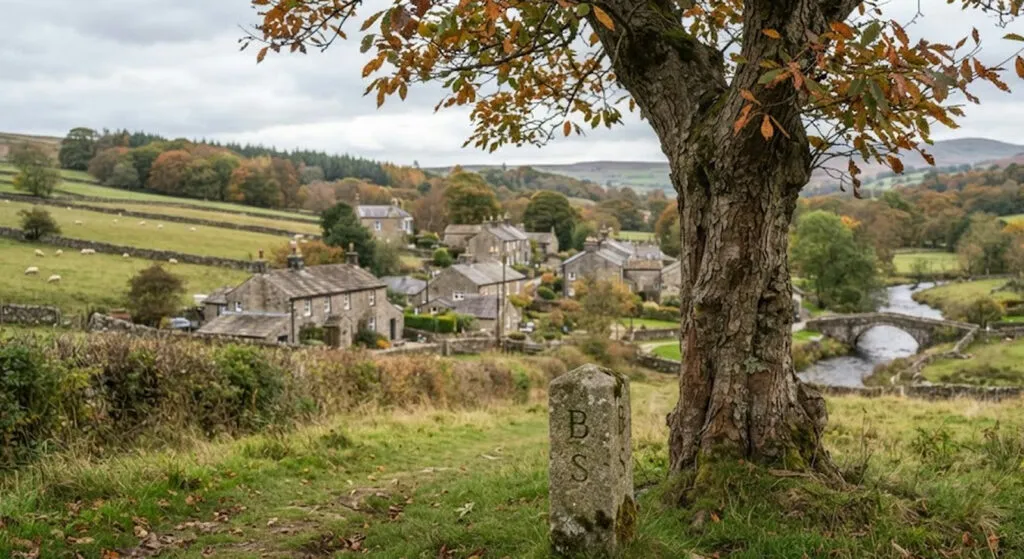
Between the two ends of the village there is only a boundary stone by a chestnut tree - and a...

Everyone knows Carcassonne. Few have climbed up to its seven "little brothers" - fortresses that look as if they grew...
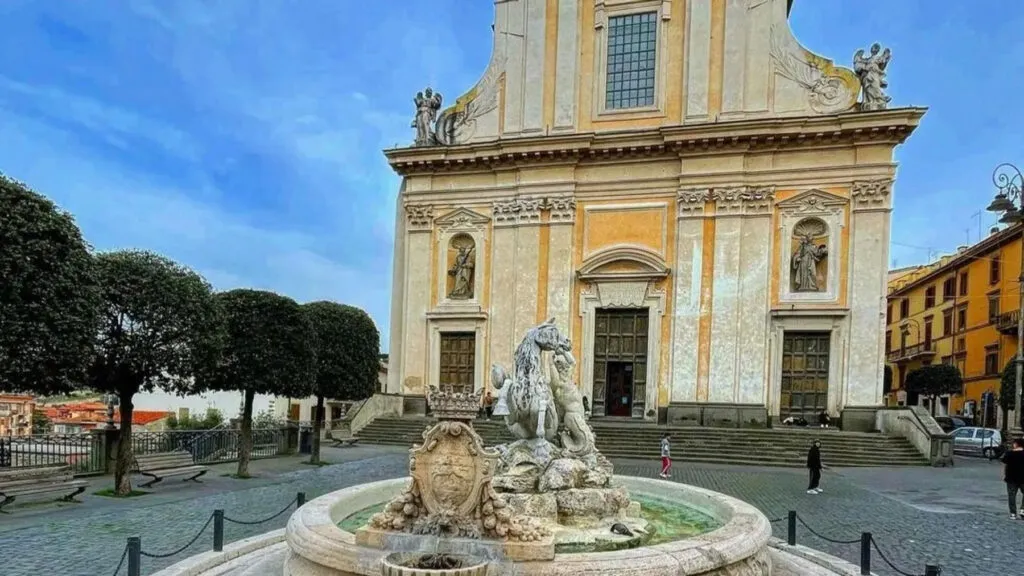
The fountain was built to celebrate victory over the Ottoman fleet at Lepanto, and the grape festival that fills it...
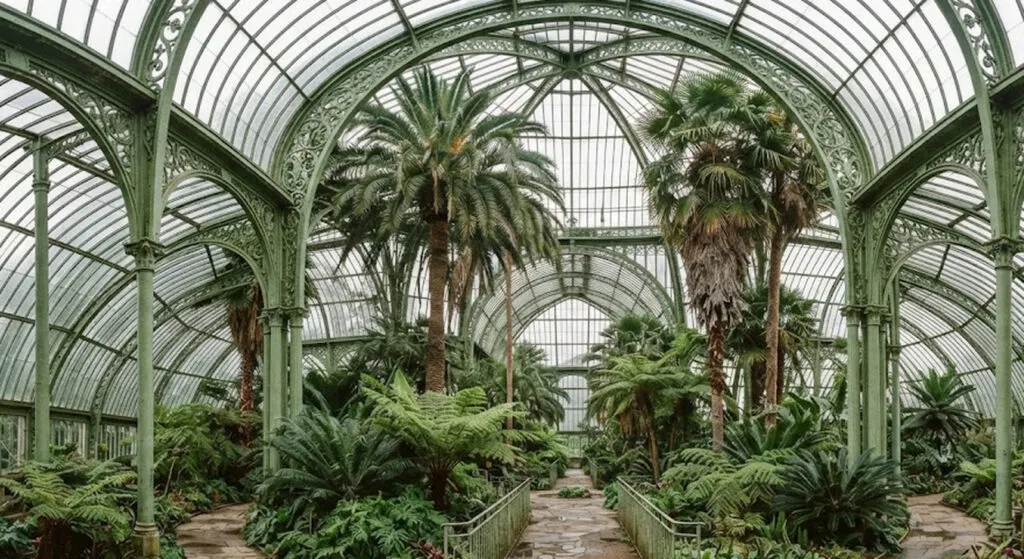
One moth that never left its cocoon opened the age of glass and iron. It left behind a Vienna greenhouse...

A Spanish actor went back to Canada decades after the trip he took as a child following his father's death....
This site uses cookies - is that okay? Learn more
Be the first to know when Metla launches something new
Leave your email and we will write when there is a new guide or something new on Metla.

