
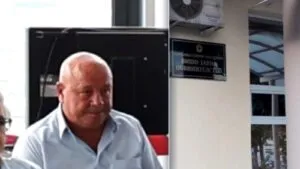
Head of Bitola's Higher Prosecution Office Loses His Passport: Suspected of Lobbying for Lighter Sentences in at Least Four Cases
08.10.2026


08.10.2026
08.10.2026
08.10.2026
08.10.2026

08.10.2026
08.10.2026

08.10.2026
08.10.2026

07.10.2026

08.10.2026

08.10.2026

07.10.2026
08.10.2026

08.10.2026

08.10.2026
08.10.2026

07.10.2026

06.10.2026

08.10.2026

08.10.2026

08.10.2026

08.10.2026

07.10.2026
07.10.2026

09.03.2026

27.02.2026

19.02.2026

08.10.2026

07.10.2026

06.10.2026
08.10.2026
06.10.2026

05.10.2026

23.04.2026

23.04.2026

12.04.2026

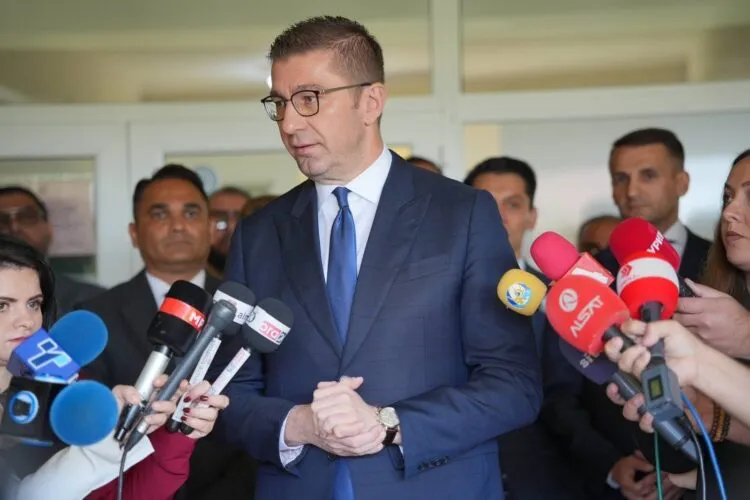
Foreign ministers Timčo Mucunski and Velislava Petrova-Chamova are due to meet in Sofia today, on the sidelines of an international ministerial conference on Corridor 8. Confirmation from the Bulgarian side arrived after several days of waiting, in a diplomatic note which, as Prime Minister Hristijan Mickoski said, states that the format and manner "will be determined subsequently".
In other words, Skopje knows there will be a meeting, but not what kind. "We'll see in what format and what that meeting will look like, whether it will be a pull-aside, whether it will be a bilateral on the margins of the Corridor 8 summit," Mickoski said. A "pull-aside", in diplomatic jargon, is a brief chat off to the side of the main hall. For a relationship that has kept Macedonia's European path frozen for years, that is modest space.
The government's message is a familiar one: only through dialogue, good-neighbourly relations and the European goal, "something we earned a very long time ago", as the prime minister put it. The opposition SDSM, for its part, expects nothing. Fani Karanfilova-Panovska asks why anyone is going to Sofia to discuss the negotiating framework at all, after the President of the European Commission on Friday, according to SDSM, confirmed the Macedonian identity and language. "Isn't that an effort to bilateralise the process instead of Europeanising it," she said.
A veto only at the end?
The meeting comes as a bigger topic opens up in Brussels. The European Commission is proposing that member states decide by qualified majority on opening and closing negotiating chapters for candidates, which would move the right of veto to the end of the process. Enlargement Commissioner Marta Kos is also proposing a 15-year transition period for new members, during which they could be left without voting rights or without part of their EU funds if they breach democratic standards.
Mickoski reads this as confirmation of his own argument: "That is very similar to what we say when it comes to changing the Constitution - that the change practically becomes applicable when we finish the negotiations." He also claims that for gradual integration, the country meets two of three conditions - alignment with the Common Security and Defence Policy and the public procurement reform, which is due to be adopted next week - while on the third, country-specific reforms, it is waiting on Brussels.
He answered the opposition's criticism with the gloves off: "A day will come when they will be ashamed of what they are doing today to both the citizens and Macedonia."
The Balkans know this scene well - ministers on the sidelines of an infrastructure conference, expected to unstick a process that has been stalled for years. If Sofia isn't ready even for a table, only for a word on the side, how realistic is it that the breakthrough comes from there?
The latest 10 news from this category
The deadline is written in the law, while the parties argue over who's to blame. In the "State Lottery" case...
Von der Leyen advised talking, Skopje sent a diplomatic note, Sofia answers through the media. The prime minister declared the...
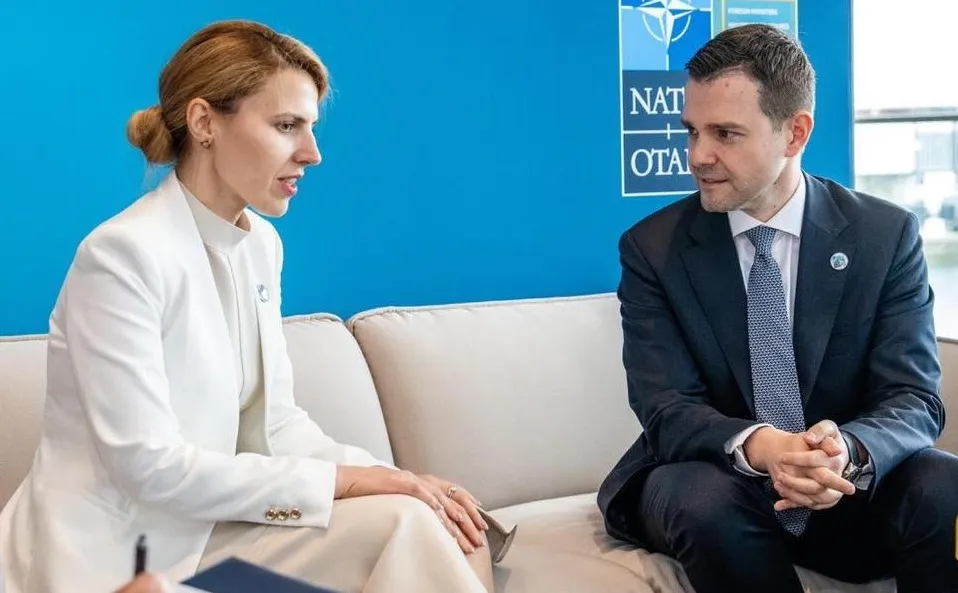
A meeting on the sidelines of the Corridor 8 conference is the first step after Ursula von der Leyen's advice....
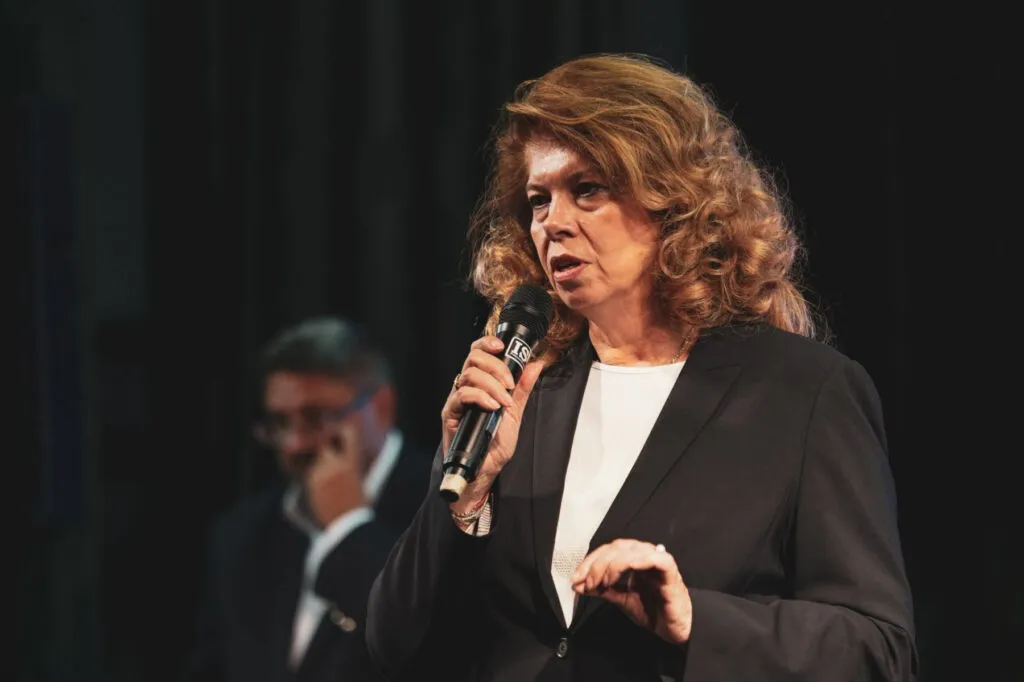
The Bulgarian president says Sofia is open to talks, then lists what Skopje has to accept before it sits down...
The constitutional changes stay on the table, and Skopje has requested a bilateral meeting with Bulgaria. So far there is...
As Greece handed Bulgaria the remains identified as Samuel's, the prime minister answered with history. His dates didn't add up.
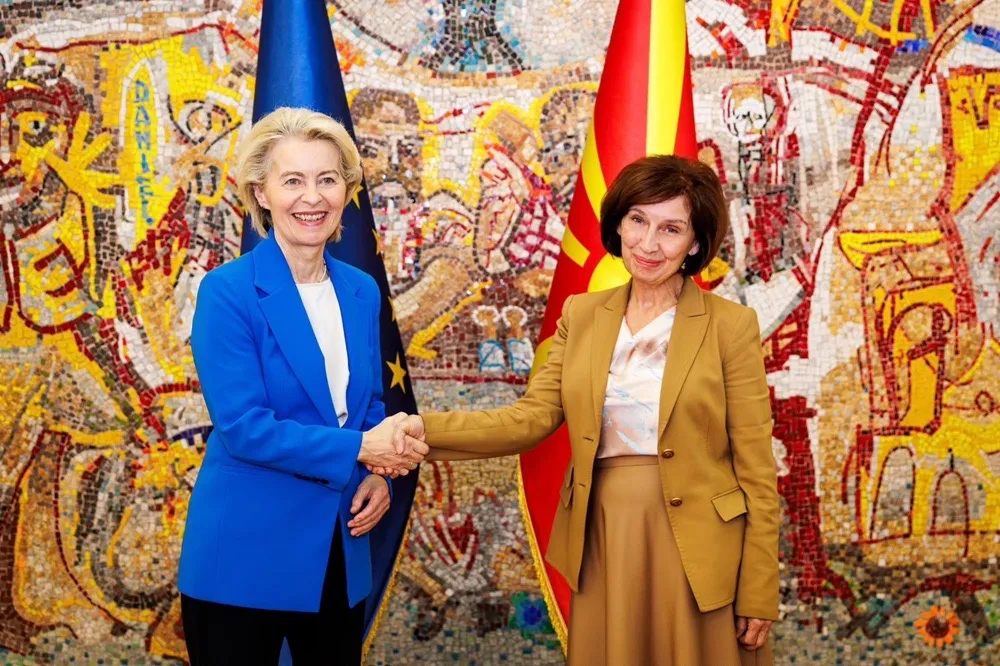
Brussels said what we wanted to hear about identity - and what we didn't want to hear about the process....
Instead of a debate about why the opposition isn't growing, SDSM is busy debating who works for whom. The government...
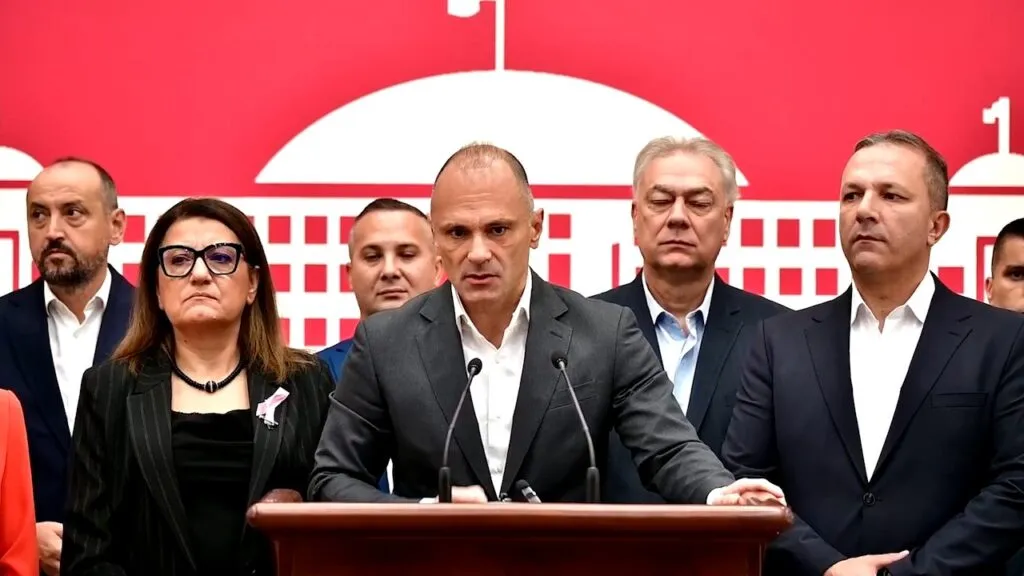
The opposition says Macedonia has been left off Europe's roadmap, the government calls that hate speech. After "hen", "louse" and...
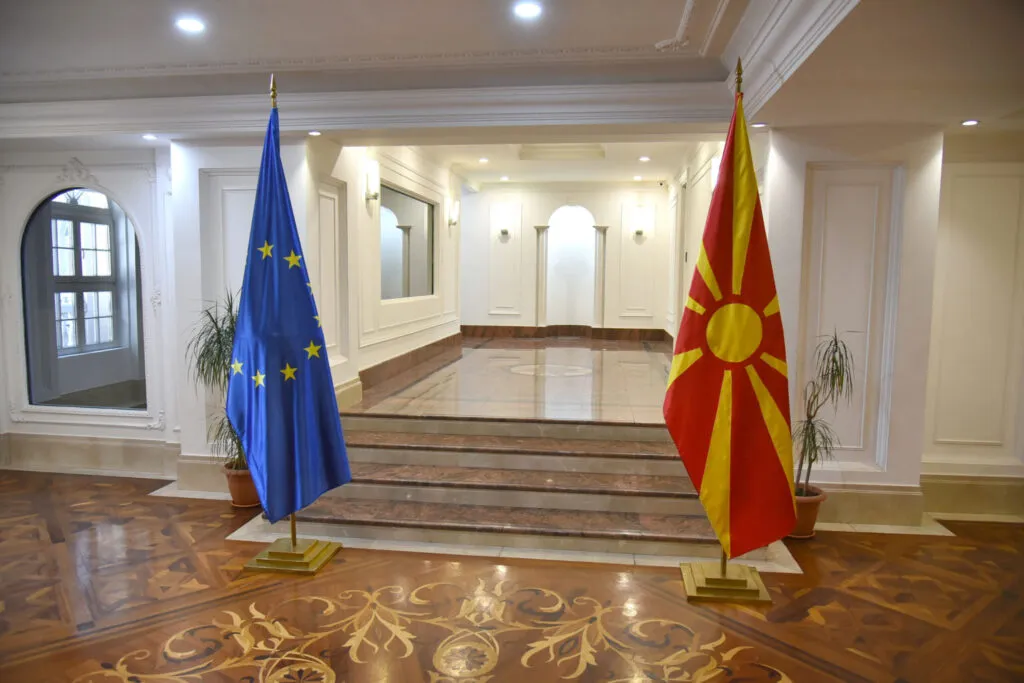
In 2022 Skopje and Tirana opened negotiations together. Now Tirana is being considered for fast-track membership, Skopje is not in...
This site uses cookies - is that okay? Learn more
Be the first to know when Metla launches something new
Leave your email and we will write when there is a new guide or something new on Metla.