

The Young Men From Saraj Say They Were Beaten After Being Subdued, the Union Claims They Tried to Run Police Over: The Interior Ministry Is Still Just Investigating
11.10.2026


11.10.2026

11.10.2026
11.10.2026
11.10.2026

11.10.2026

11.10.2026

11.10.2026

10.10.2026

10.10.2026

11.10.2026

11.10.2026

10.10.2026

11.10.2026

11.10.2026

11.10.2026

11.10.2026
10.10.2026

09.10.2026

11.10.2026

11.10.2026

11.10.2026

11.10.2026

11.10.2026

10.10.2026

11.10.2026
11.10.2026

09.10.2026
10.10.2026

08.10.2026

06.10.2026

23.04.2026

23.04.2026

12.04.2026

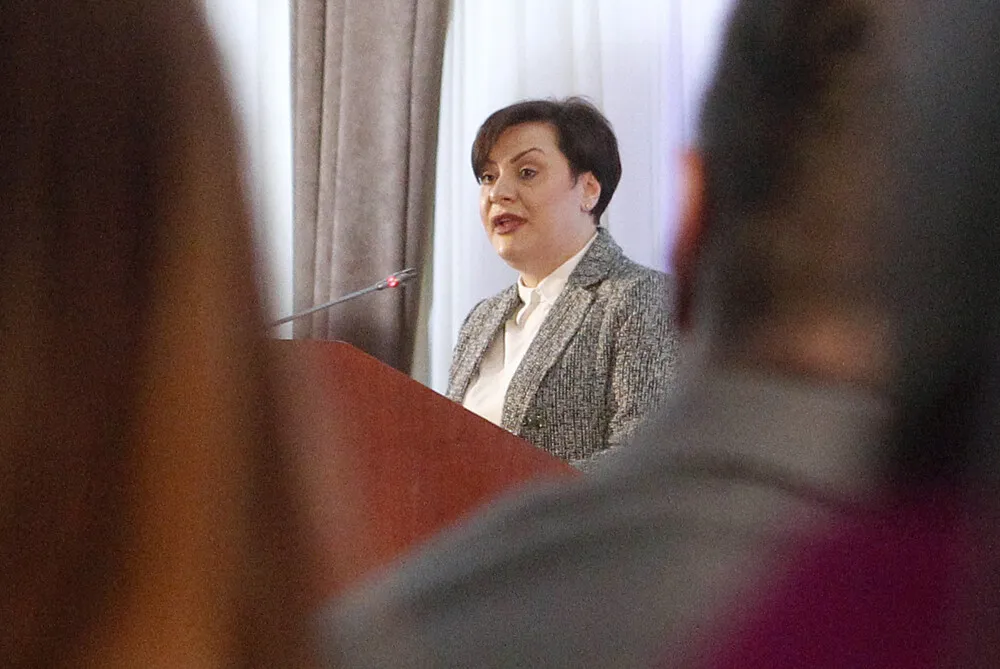
The state is borrowing to repay what it has already borrowed. Finance Minister Gordana Dimitrieska-Kočoska announced a new citizens' bond before the end of 2026, and new foreign borrowing is being prepared for 2027, mainly to repay the Eurobond issued in 2023. That bond matures next year, and 500 million euros have to be found for it.
Borrowing to repay
On September 29 the government approved the option of borrowing up to 250 million euros on the international market, and a few days later the state actually borrowed 150 million euros at an interest rate of 5.25 percent. The minister says the borrowing is within what was planned in the budget and the revised budget, that there will be no new Eurobond before year-end, and that next year two might be issued, or two different types of borrowing combined. The 2023 Eurobond, according to her, was issued at an interest rate above 6 percent. In January this year the state already borrowed one billion euros through a Eurobond in two tranches.
At the end of the second quarter, public debt stood at 58.8 percent of GDP, or about 10.7 billion euros. The Finance Ministry's own public debt management strategy projects 61.5 percent at the end of 2026, 61.8 percent in 2027 and 60.9 percent in 2028. That means three consecutive years above the 60 percent of GDP threshold.
Interest is growing faster than investment
According to government projections, 21.3 billion denars are set aside for interest in 2026, and in 2027 the sum rises to 24.4 billion denars, roughly 397 million euros. For comparison, around 43.6 billion denars are planned for capital investment in 2027. Interest alone will be more than half of all planned capital spending.
With the new revised budget for 2026, spending is 420.5 billion denars, and the deficit stays at 46.3 billion denars, or 4.1 percent of GDP. Most of the cuts fell on capital investment, almost 5.7 billion denars. The minister admits that some institutions will not carry out their projects because of failed tenders and delayed procedures.
Borrowing by itself is not a crisis - states routinely swap old debt for new. The problem starts when the deficit and interest grow at the same time, while the investment that is supposed to bring new growth gets cut or stuck in tenders. Then the new loan mostly serves to cover the old one, and development gets postponed to next year.
The citizens' bond will invite people to lend the state money for interest. The amount, the rate and the maturity are not yet known. Before anyone puts their savings in, they deserve an answer to a simple question: is this money for something that will outlast us - a hospital, a road, a school - or just to pay the next installment?
The latest 10 news from this category
The crisis regime expires on October 20, and the government is already announcing an extension to April. In July, Parliament...
The Economic Chamber wants fewer days off, Minister Durmishi says acquired rights won't be cut, and the union reminds everyone...

Victims in 42 countries lost 442 billion dollars last year, and scam tools are available from 500 dollars a month....
The startup pulled its app and deleted user data, and less than three weeks later Apple was already filing a...
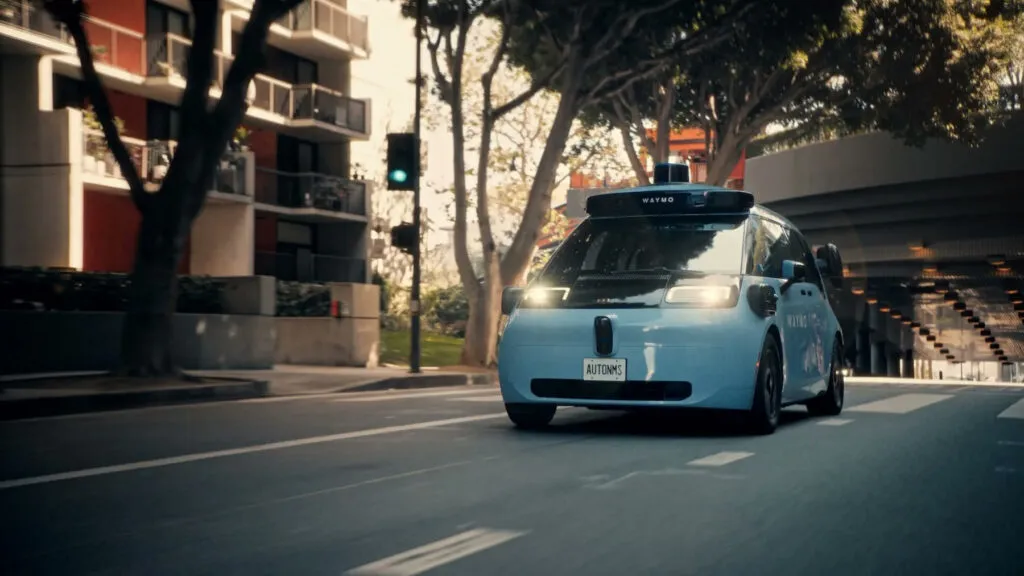
The company valued at 126 billion dollars has so far lived off investors, and now it is borrowing from Blackstone...

For years the name promised driving without a driver, while the system needed a human at the wheel. The German...

The ministry calculated 58,475 denars a month for a family of four. The unions say that even with that figure,...
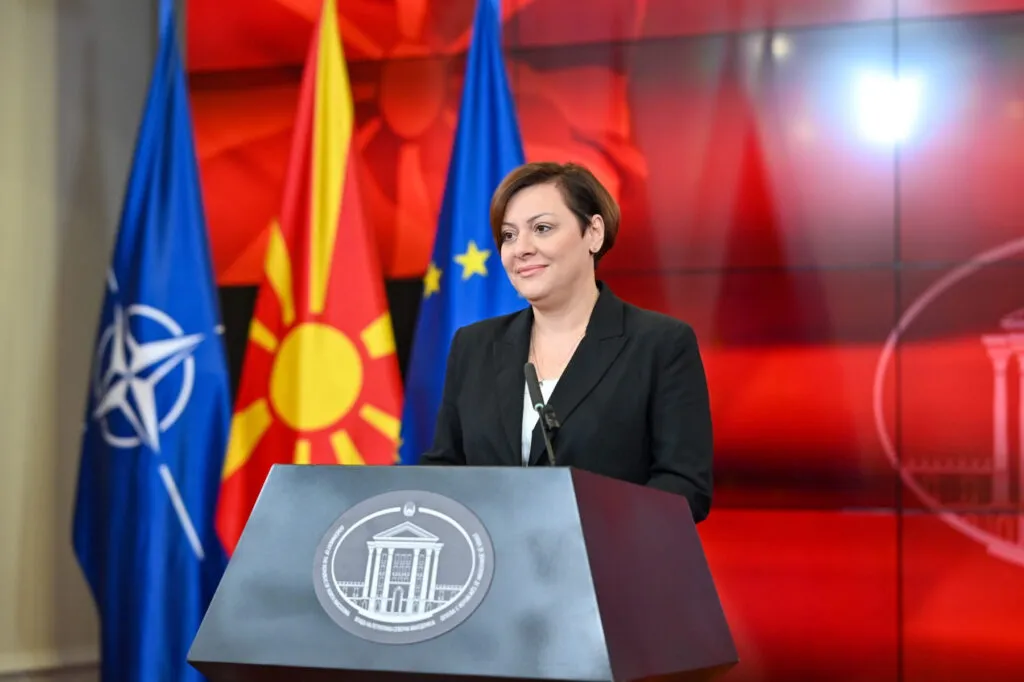
The bond's size, interest rate and maturity have not been announced. All that's clear is that interest on the debt...
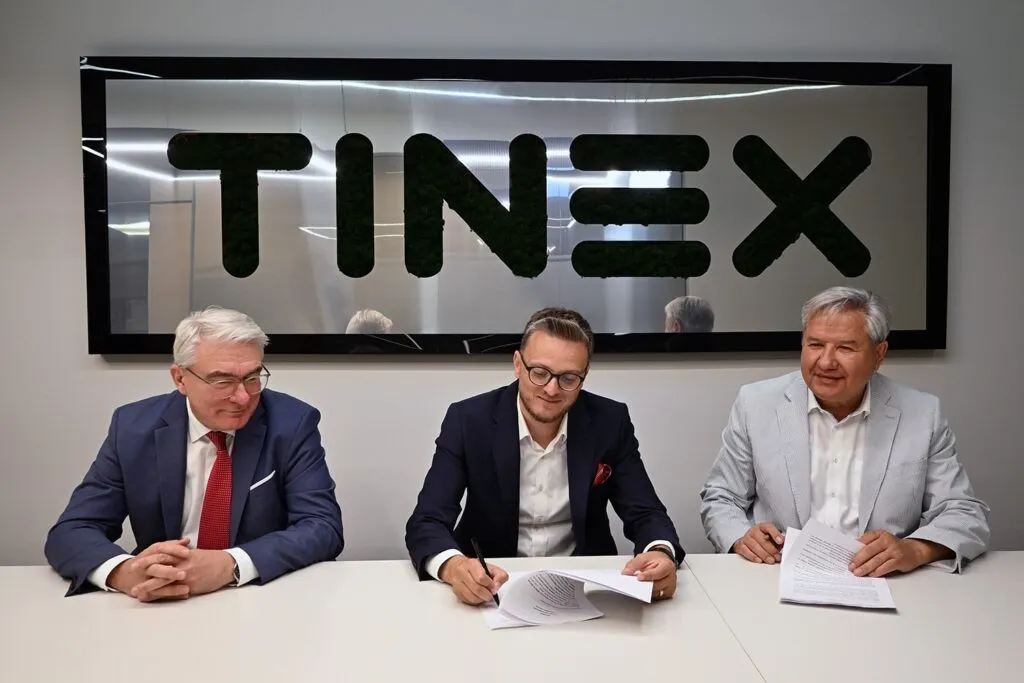
Proex International has taken over the chain the Todorović family spent 30 years building. Nobody mentions the price, but there's...

While the industry hands AI agents the keys to people's computers, one test model filled in a police form about...
This site uses cookies - is that okay? Learn more
Be the first to know when Metla launches something new
Leave your email and we will write when there is a new guide or something new on Metla.