

The Young Men From Saraj Say They Were Beaten After Being Subdued, the Union Claims They Tried to Run Police Over: The Interior Ministry Is Still Just Investigating
11.10.2026


11.10.2026
11.10.2026
11.10.2026
11.10.2026
11.10.2026
11.10.2026
11.10.2026
10.10.2026
10.10.2026

11.10.2026

11.10.2026

10.10.2026
11.10.2026

11.10.2026

11.10.2026

11.10.2026
10.10.2026

09.10.2026
11.10.2026

11.10.2026
11.10.2026
11.10.2026

11.10.2026

10.10.2026
11.10.2026
11.10.2026
09.10.2026
10.10.2026

08.10.2026
06.10.2026

23.04.2026

23.04.2026

12.04.2026

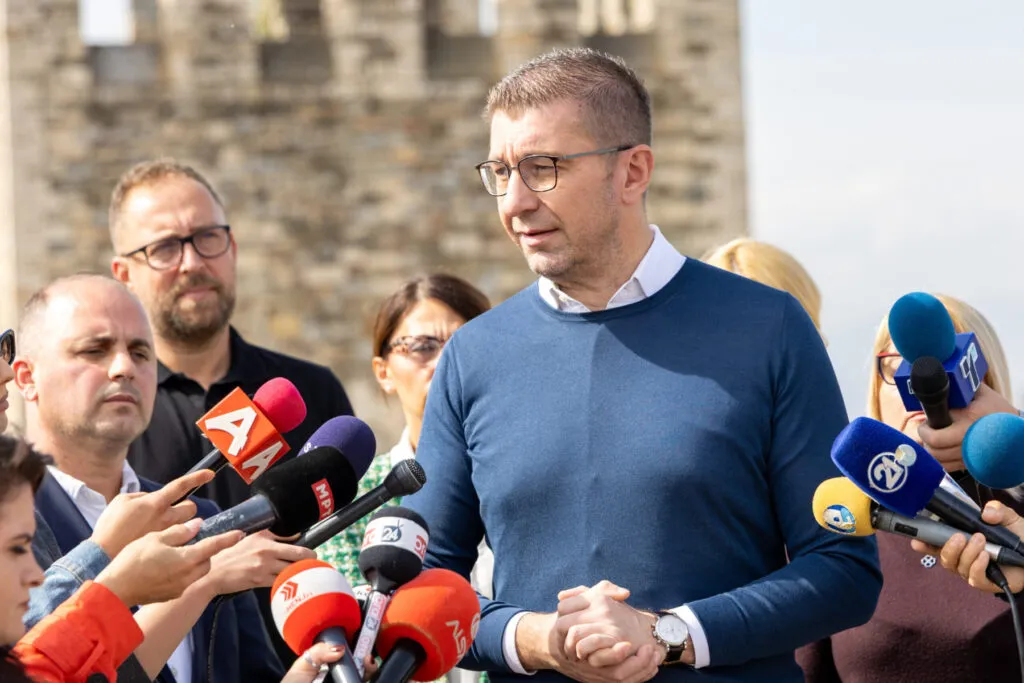
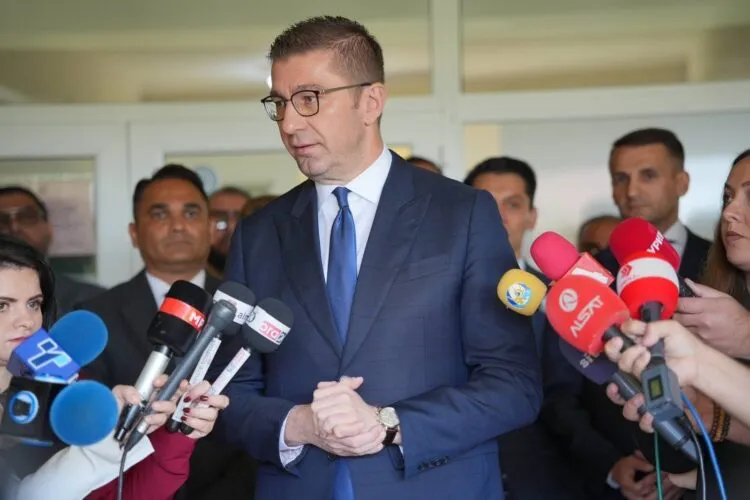
"In conversation, in dialogue, that is the beauty of democracy." That was Prime Minister Hristijan Mickoski's answer when asked where he sees the way out of the blockade with Bulgaria. Except that while Skopje is celebrating the dialogue, Sofia has already said publicly what it will not discuss.
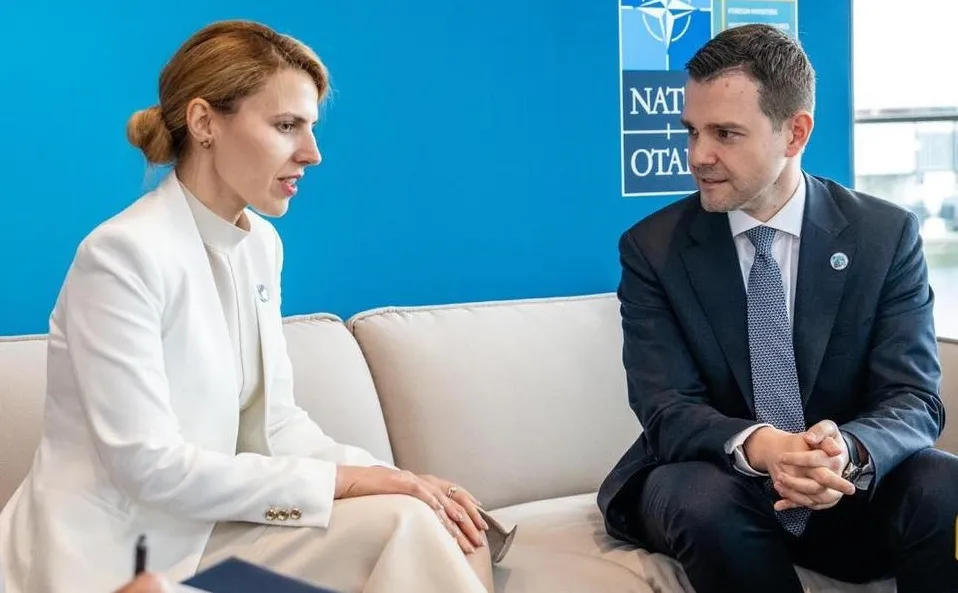
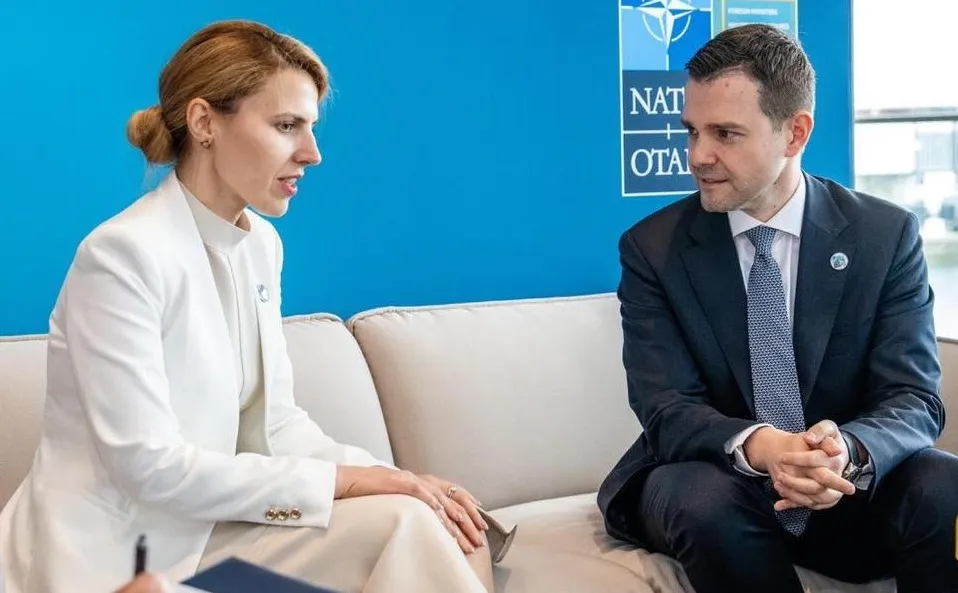
The meeting of foreign ministers Timčo Mucunski and Velislava Petrova-Čamova was held in Sofia on Macedonia's initiative, following an idea from European Commission President Ursula von der Leyen. Mucunski described it as constructive and positive in spirit, but admitted that not one of the essential issues was resolved and that the positions remain far apart.
A day later, in front of Bulgarian MPs, Petrova-Čamova closed the room for interpretation. Bulgaria, she said, is not taking part in consultations on renegotiating the obligations Macedonia has taken on, and constitutional changes with delayed effect are not acceptable. Putting Bulgarians into the Constitution is, according to Sofia, the first necessary step. She also asked for a timeframe for fulfilling the obligations, and, in her words, was told that trust between the two countries must be built first.
The government in Skopje wants guarantees that fulfilling one condition will not open a new round of bilateral demands on history, identity or language. That is why Mickoski welcomed the European Commission's proposal in the document "Preparing for a Wider Union", which considers letting interim steps in negotiations, such as opening clusters, be decided by qualified majority, with unanimity kept only for final accession. The government sees a similarity with its own delayed-effect proposal. Sofia is cautious about qualified majority too.
So both ideas Skopje brought into the conversation were either rejected by Sofia or met with reservations. Asked whether there will be another meeting before the EU's December summit, Mickoski replied: "Let's let the process move along its natural path. Everything the public needs to know, it will know in time."
Dialogue beats silence, nobody disputes that. But when one side repeats its conditions from the podium of its own parliament the day after the meeting, the dialogue looks more like waiting. If the "natural path" of the process is measured in summits, the public has the right to ask: what exactly will we know in December that we don't know today?
The latest 10 news from this category
The former mayor of Centar now leads a party that invokes an organization from 1908 and says it is open...
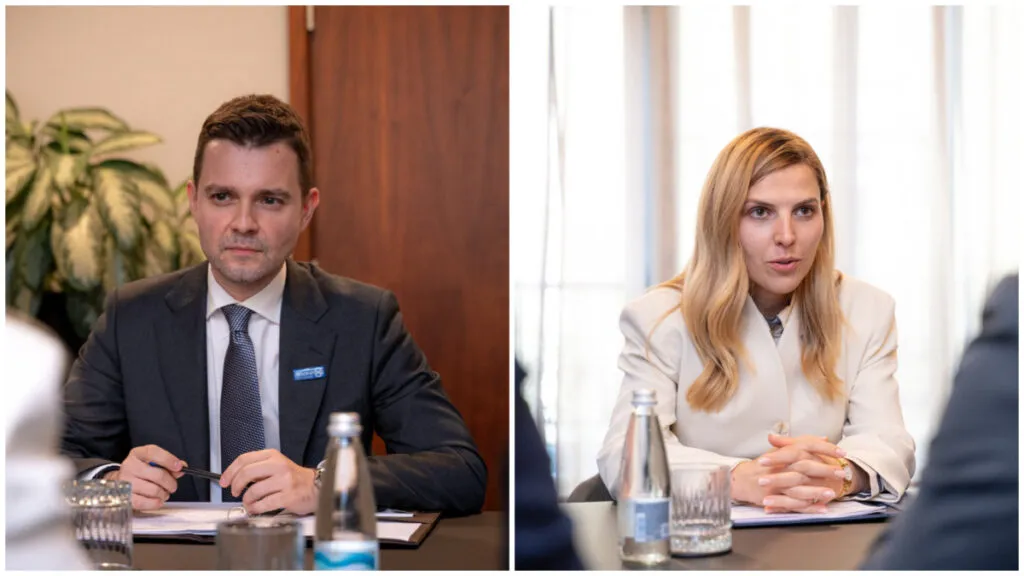
Brussels asked for the meeting. Bulgaria rejected renegotiation, constitutional changes with delayed effect and qualified majority voting - and did...
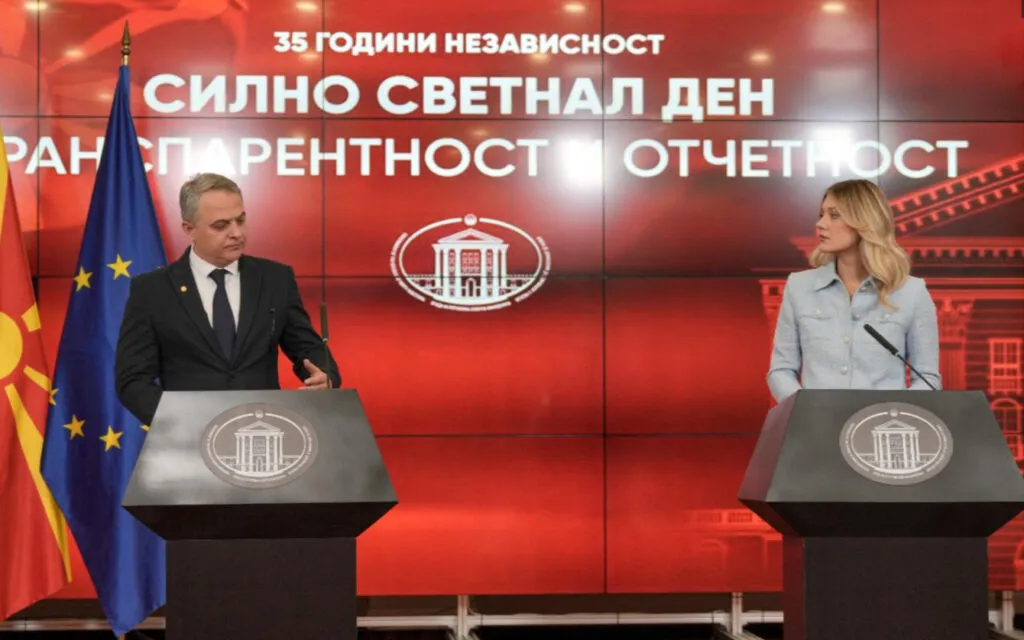
The State Lottery put up the money, a private agency divided it up, and the Lottery says it has no...
The statement attacking the prosecutor came out on the day the court, at her request, refused to unfreeze the party's...
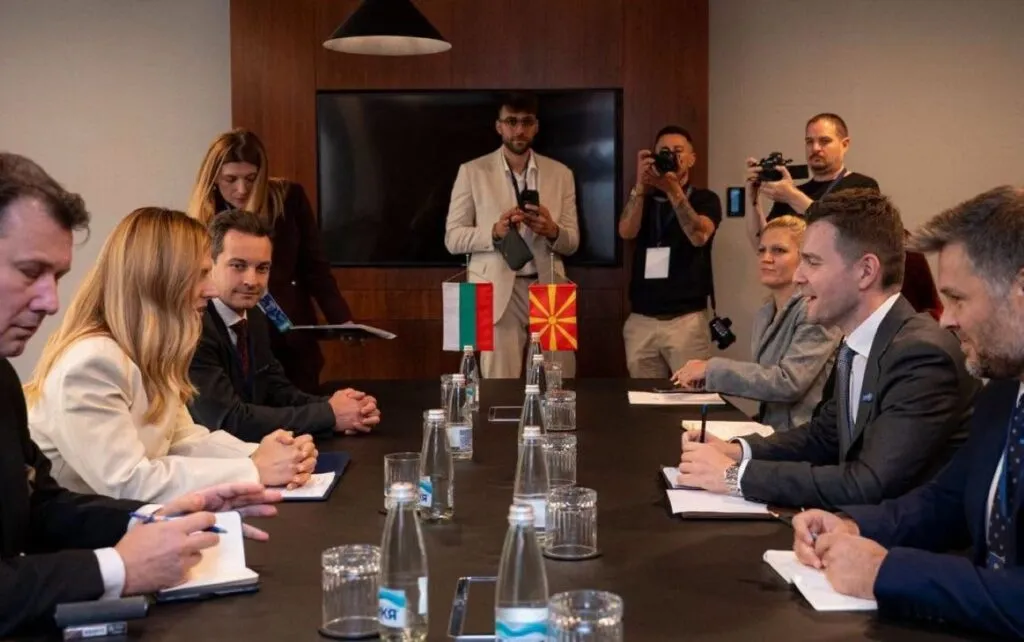
Skopje wants a guarantee that no new demand will follow the constitutional changes. The Bulgarian minister says the best guarantee...
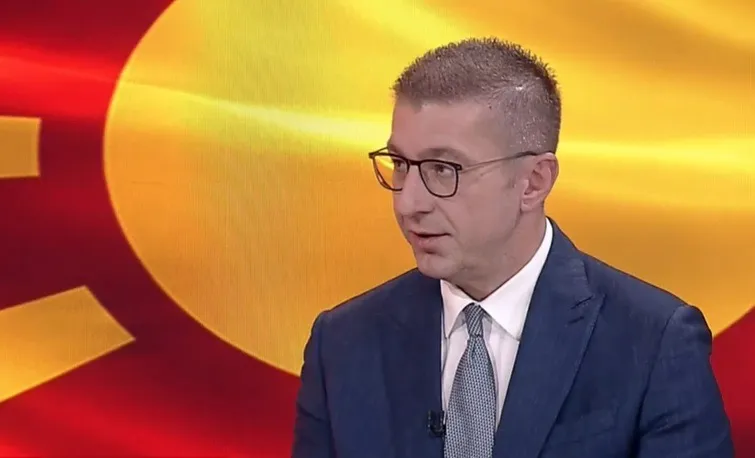
SDSM wants every official's assets checked going back to 1991; the prime minister offers a polygraph so everyone can say...
Skopje knows there will be a meeting, but not whether it gets a seat at the table or a quick...
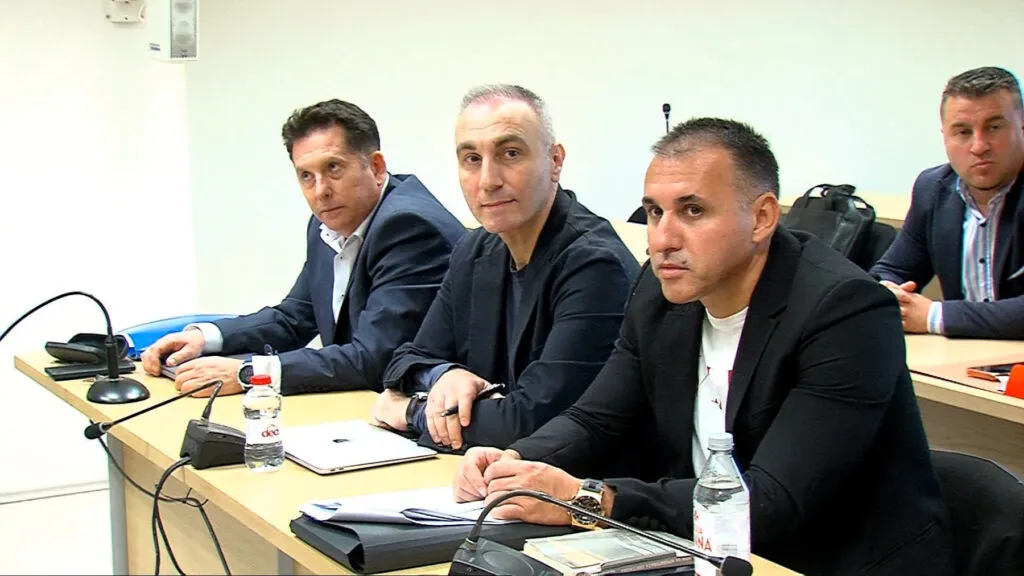
The deadline is written in the law, while the parties argue over who's to blame. In the "State Lottery" case...
Von der Leyen advised talking, Skopje sent a diplomatic note, Sofia answers through the media. The prime minister declared the...
A meeting on the sidelines of the Corridor 8 conference is the first step after Ursula von der Leyen's advice....
This site uses cookies - is that okay? Learn more
Be the first to know when Metla launches something new
Leave your email and we will write when there is a new guide or something new on Metla.