


Studeničani: 35-year-old dies after being electrocuted while washing his car with a pressure washer
18.09.2026


18.09.2026
18.09.2026

18.09.2026
18.09.2026

18.09.2026
18.09.2026
18.09.2026

17.09.2026

16.09.2026

18.09.2026

18.09.2026

17.09.2026

18.09.2026

18.09.2026

18.09.2026
18.09.2026

17.09.2026

16.09.2026

18.09.2026

18.09.2026

18.09.2026

18.09.2026

17.09.2026

17.09.2026

09.03.2026

27.02.2026

19.02.2026

18.09.2026
17.09.2026

16.09.2026

23.04.2026

23.04.2026

12.04.2026

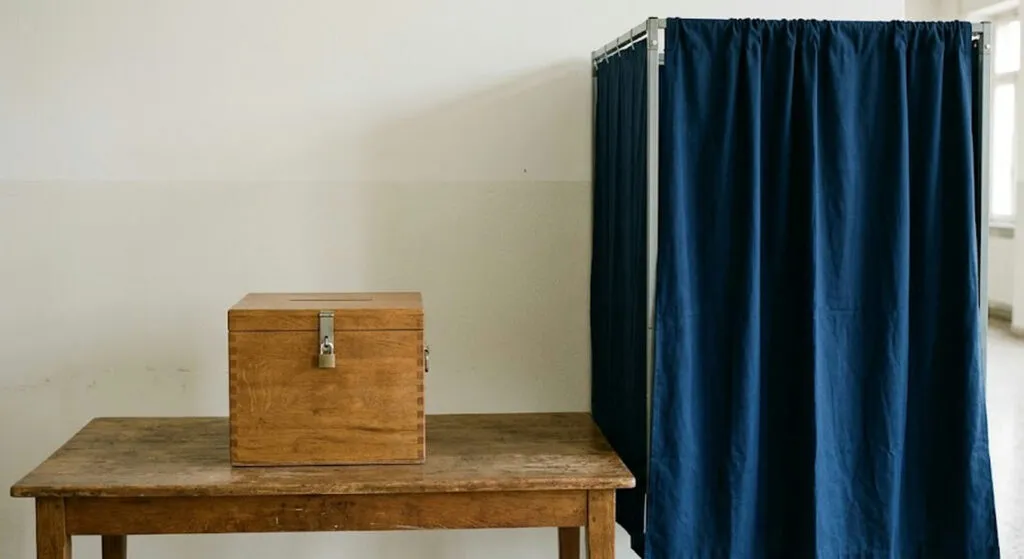
Bulgaria goes to its eighth parliamentary election in five years tomorrow. Eighth. Not a single government completed a full term. The country cycles through caretaker governments, fragile coalitions, and short-lived alliances that regularly collapse amid scandals. Voter trust is at a historic low.
Former President Rumen Radev, who recently resigned to run, leads in polls with his newly formed "Progressive Bulgaria" party at around 33% support. The paradox? Bulgaria joined Schengen and adopted the euro precisely during this period of chaos - without a functional government and without approved state budgets.
The immediate trigger for these elections were massive protests in late 2025 - the largest in recent decades. Discontent over a controversial budget proposal grew into broader resistance against the political establishment. Two figures drew particular public anger: Boyko Borisov, GERB leader and former premier, and Delyan Peevski - a controversial oligarch leading the Movement for Rights and Freedoms, under UK and US sanctions for alleged corruption and bribery.
Observers draw parallels between Radev and Hungarian PM Viktor Orban - but with opposing implications. Some see the encouraging precedent of Hungary's recent high turnout ending Orban's 16-year rule. Others warn of concerning parallels, particularly Radev's opposition to military aid for Ukraine and his consistent advocacy for dialogue with Moscow.
For Macedonia, this isn't a distant story. A neighbor that can't form a stable government in five years, yet enters Schengen and the eurozone - while we're still waiting for basic steps toward the EU. Is Bulgaria's chaos a warning or encouragement? Depends who you ask.
The latest 10 news from this category
The call was about damaged furniture on a terrace. Armin Dzutovic died three days later. The internal investigation found first...
Four KLA leaders received 81 years in prison, and Albania's parliament immediately adopted a declaration calling the verdict unjust. The...
The court established responsibility for 96 killed, 303 tortured and 385 unlawfully detained. The prosecution asked for 45 years. Serbia...
Thaci and Krasniqi got 25 years each, Veseli 18, Selimi 13. The court established 385 unlawfully detained, 303 tortured and...
"If it is acceptable to the participants" - that is the entire offer. What gets negotiated is the format, not...

Thousands walked from the Rectorate to the electoral commission, and the signatures had to be queued for all weekend because...
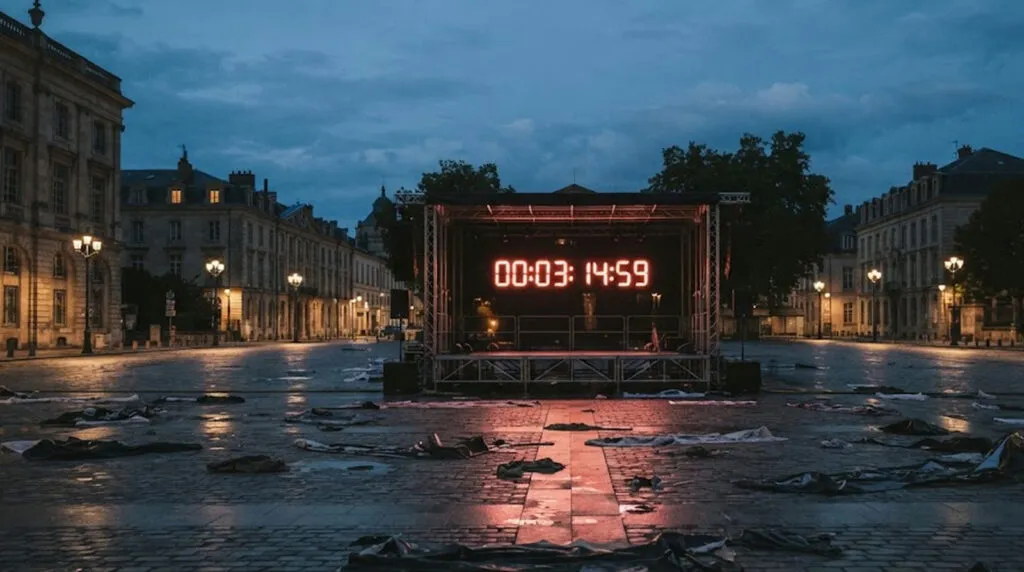
Thousands of people under a digital clock and a banner asking for them to be found innocent. On Wednesday The...
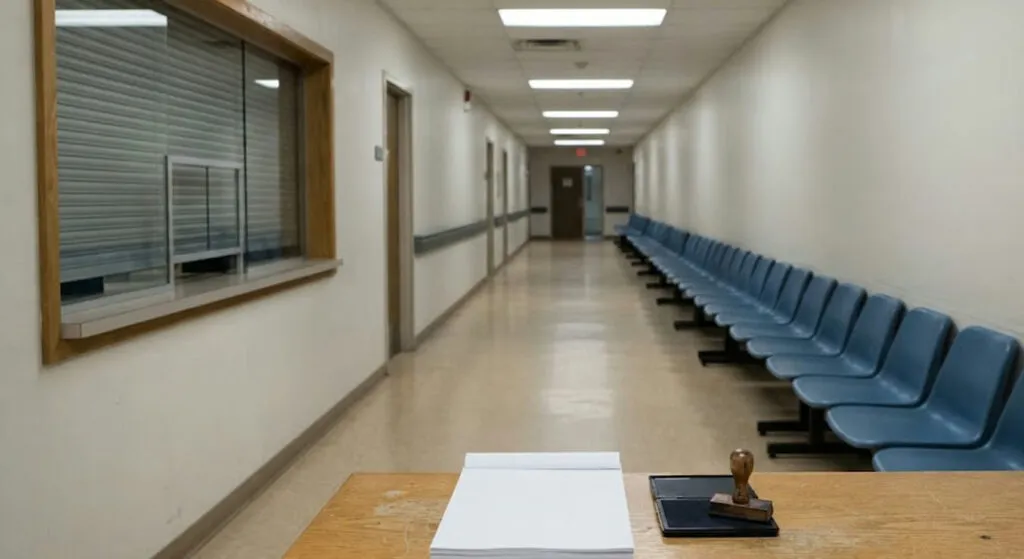
The ruling list sailed through without a single problem, the student list was left waiting in line. Nobody banned anything...
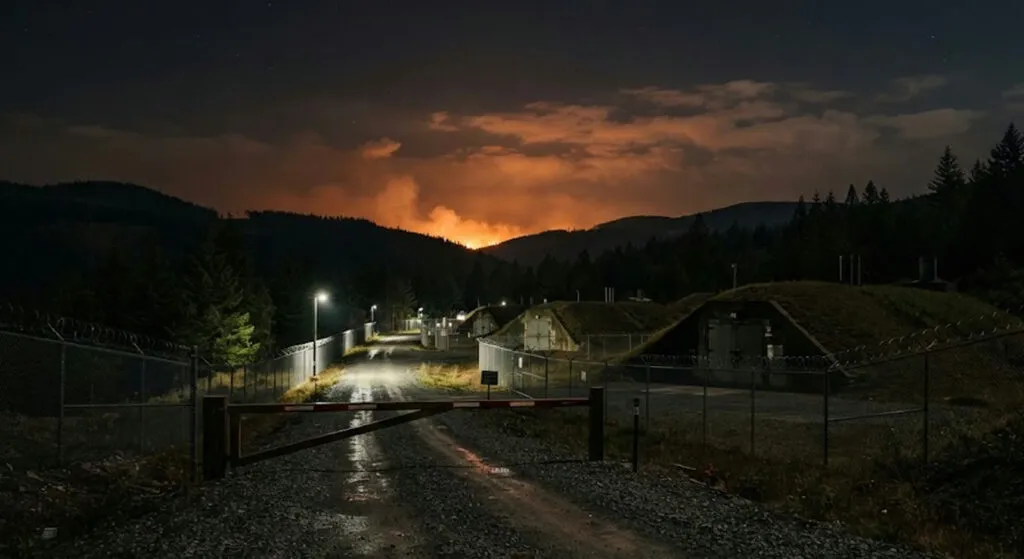
The same firm that supplied ammunition to Ukraine for years is burning for the second time in a month. Seven...
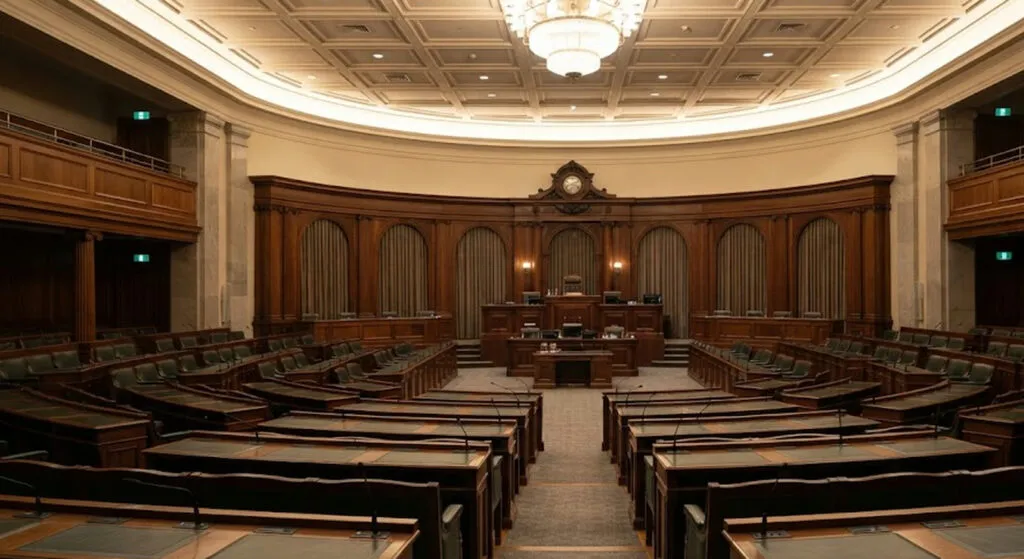
A third attempt in three years, but this time the signatures came from the government benches too. Six MPs from...
This site uses cookies - is that okay? Learn more
Be the first to know when Metla launches something new
Leave your email and we will write when there is a new guide or something new on Metla.
