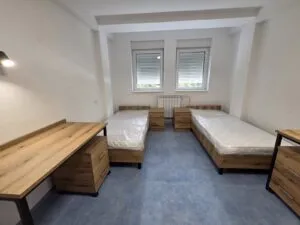
Stiv Naumov dorm renovated for around 10 million euros: a month later water runs through the walls and the ministry counts wet wipes
24.10.2026


24.10.2026
24.10.2026

24.10.2026

24.10.2026
24.10.2026

24.10.2026
24.10.2026

23.10.2026

22.10.2026

24.10.2026

24.10.2026

23.10.2026

24.10.2026

24.10.2026

24.10.2026

24.10.2026

23.10.2026

22.10.2026

24.10.2026

24.10.2026

24.10.2026

24.10.2026

23.10.2026
23.10.2026
24.10.2026

23.10.2026

23.10.2026
24.10.2026
22.10.2026
20.10.2026

23.04.2026

23.04.2026

12.04.2026

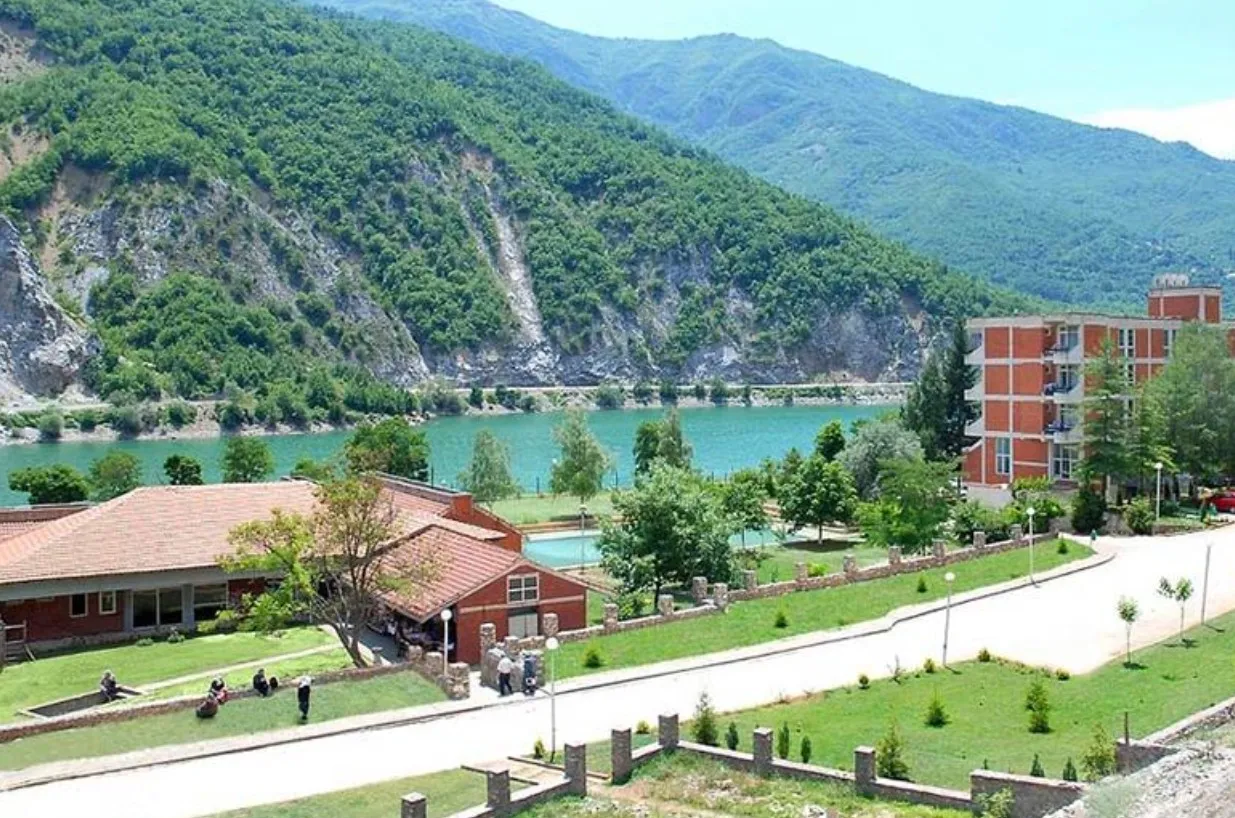
Debar has springs of high-quality drinking water - and yet it ran dry in the middle of the day. When saving depends solely on the citizen, usually something else is quietly breaking.
The public utility „Standard” has introduced multi-hour water restrictions in Debar and the surrounding area, in force from July 1. The reason, according to the utility, is excessive daily consumption draining the system - among other things, using drinking water to irrigate gardens and to wash yards and surfaces. The restrictions are staggered by neighborhood: Dolno Kosovrasti (with the spa complex) goes without water from 10 a.m. to 1 p.m., while Venec 1, Venec 2, Taranik and Ćernanica from 1 p.m. to 4 p.m.
The utility said the measure will stay in force until the situation improves and appealed for rational use of water from the Rosoki springs, which it describes as high-quality drinking water. The appeal is understandable - but also too convenient. Because the entire weight of the solution falls on the citizen's back: you don't irrigate, you don't wash the yard, you save. And what does the system do before the water even reaches your tap?
That's the question we rarely hear when summer brings restrictions. Debar isn't alone - every summer across Macedonia the same picture repeats: high temperatures, a spike in consumption and emergency measures, as if every year the heat arrives by surprise. The problem is that for decades many municipalities have taken no real care of drinking-water losses in their own networks. The water leaking through burst pipes underground never shows up in the appeals - there the culprit is always just the citizen with a hose in the garden.
The restriction will last until the weather cools, and then everyone will forget about it - until next summer. The question that remains is whether anyone even measures the losses in the system, or whether it's simply easier to switch on the same schedule and the same appeal every summer. Because water that springs up as high-quality but doesn't reach the tap at noon isn't the consumer's problem - it's the problem of those who were supposed to maintain the network for years.
The latest 10 news from this category
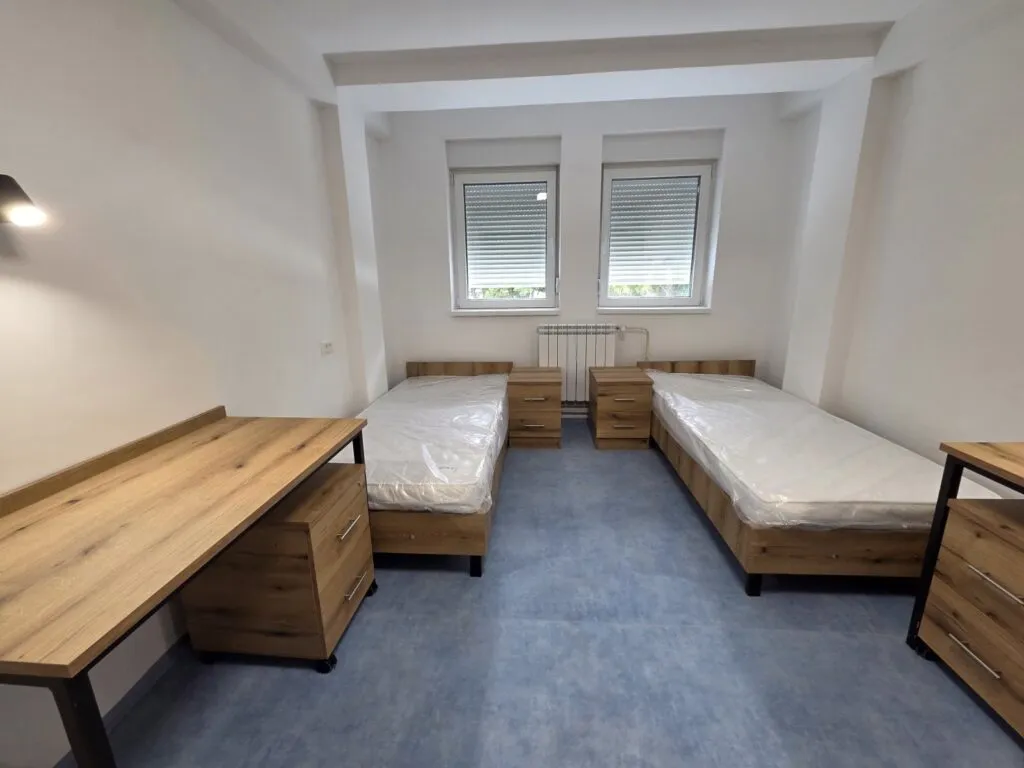
Students pay almost twice as much for "European standards" and got damp and cold radiators. The ministry responds with a...
Of 341 buses, 185 are roadworthy, and the city is once again debating BRT, light metro and a city train....
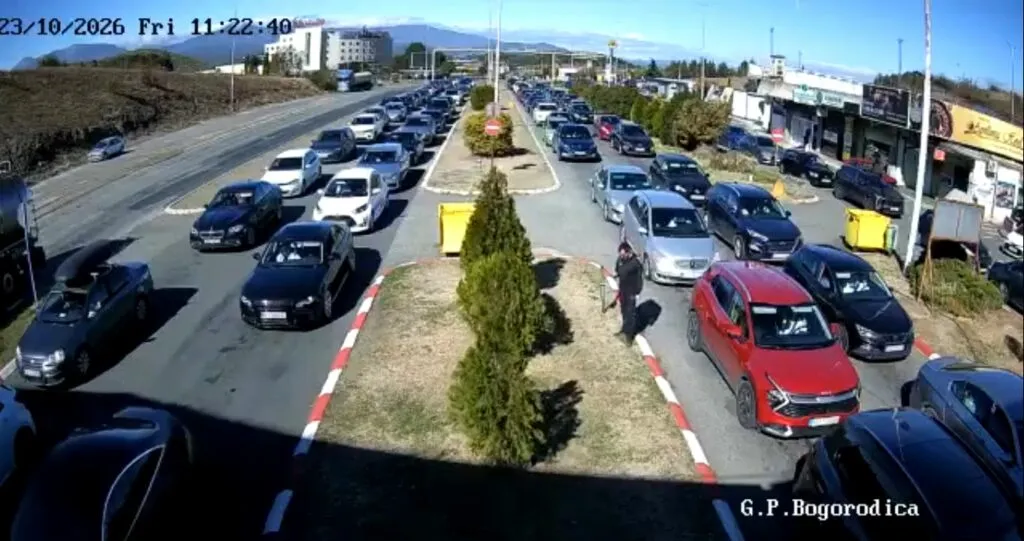
One day off was enough for queues towards Serbia, Kosovo, Bulgaria and Greece. And on the motorway to Bogorodica, one...

Older people come every year; the high-risk groups doctors worry about most rarely do. The first 30,000 doses are here,...

From 700 entrants in 2007 to 15,040 runners from 63 countries. In the region, only Ljubljana ran bigger.

Metropolitan Georgij in Rome: at the altar of the Ohrid saint, then face to face with the patriarch who holds...

The mayors called the revolutionaries an example and an obligation. A nice line - but obligations are measured after the...

The Finance Ministry said no three times, and 18 of 34 courts can't keep up with their cases. Citizens feel...
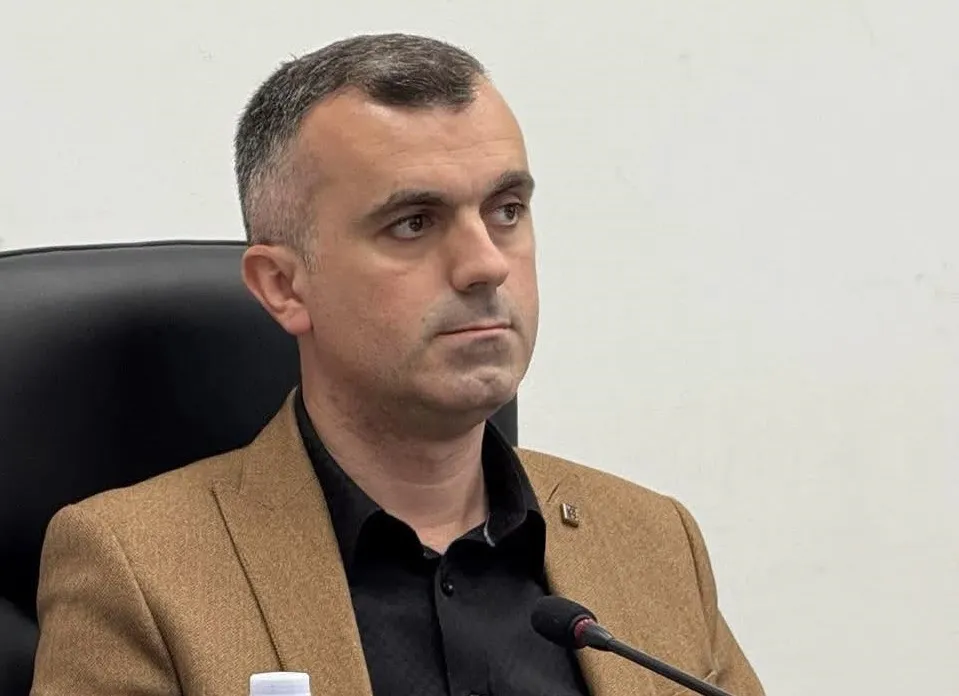
The institution meant to protect us from the state is waiting for a budget revision to pay for its premises....
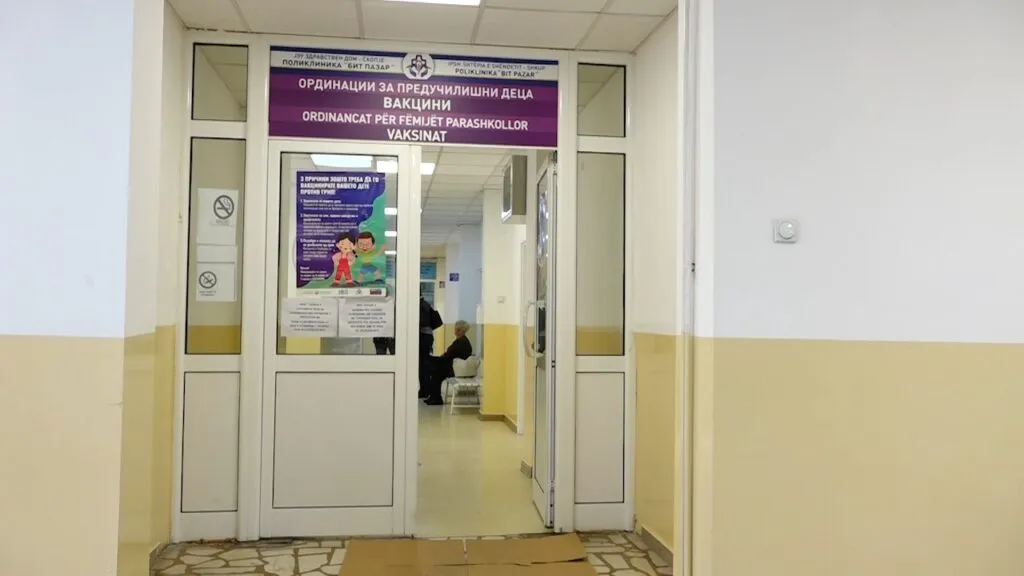
The campaign started with vaccines obtained through a loan, the second shipment arrives by 15 November. The most vulnerable are...
This site uses cookies - is that okay? Learn more
Be the first to know when Metla launches something new
Leave your email and we will write when there is a new guide or something new on Metla.