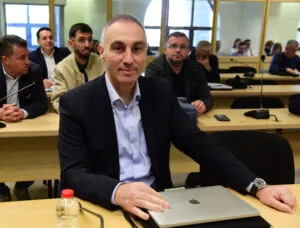
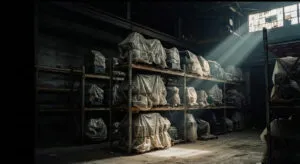
Grubi calls the entire government as witnesses, while 9.7 million euros' worth of machines sit in a warehouse
21.10.2026


21.10.2026
21.10.2026
21.10.2026

21.10.2026
21.10.2026
21.10.2026
21.10.2026
20.10.2026
20.10.2026

21.10.2026

21.10.2026

20.10.2026
21.10.2026

21.10.2026
21.10.2026

21.10.2026

20.10.2026

19.10.2026
21.10.2026

21.10.2026

21.10.2026
21.10.2026

21.10.2026
20.10.2026
21.10.2026
20.10.2026
19.10.2026
20.10.2026
19.10.2026
17.10.2026

23.04.2026

23.04.2026

12.04.2026

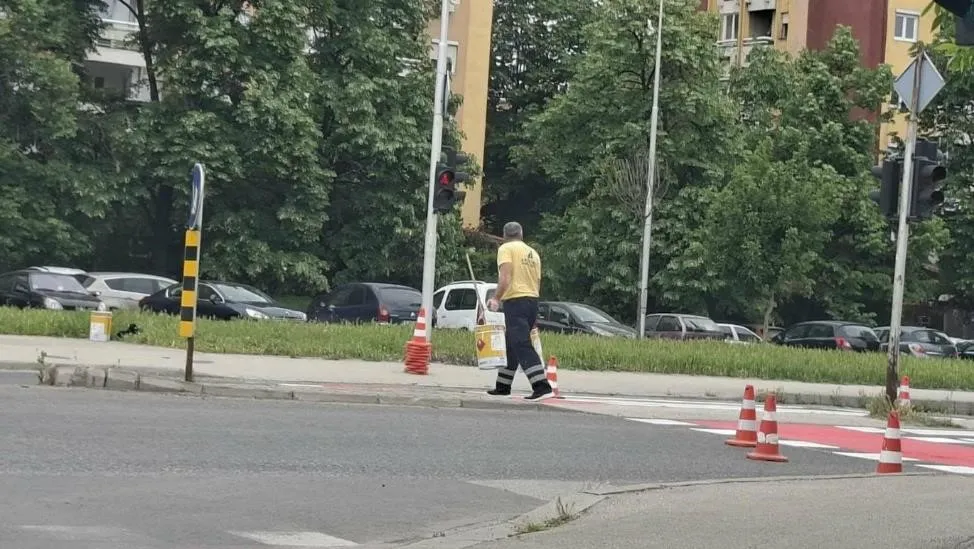
The faded, nearly invisible pedestrian crossings across the country's towns are no accident, and not just sloppiness on the ground - they're a consequence of how municipalities spend money. A study by the Center for Civil Communications lays it out with numbers that are hard to defend.
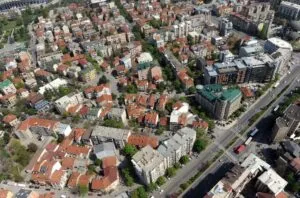
The analysis covers public procurement from 2023 to 2025 across all 81 municipalities. The result: 46 of them did not issue a single tender for horizontal road markings - i.e. for painting crosswalks - in those three years. In municipalities home to around 560,000 people, nobody paid for fresh paint on the asphalt for three years. Among them are densely populated Skopje municipalities - Aerodrom, Chair, Butel and Saraj.
Where procurement did happen, a second problem opens up - what exactly is being bought. In 11 municipalities the tender documents specified nothing about the paint beyond the generic "road paint." In other words, the contractor can pour on whatever, formally fulfill the contract, and nobody answers for how long it lasts. We see the result at every intersection a few months later.
And the prices behave like there are no rules. Paint runs from 132 to 296 denars per kilo, and the marking service from 281 to as much as 802 denars per square meter - nearly a fourfold difference for the same job. Smaller municipalities like Berovo, Resen and Kriva Palanka issue a tender every year, while larger places with far more residents get just one or two contracts across three years.
This isn't a story about paint. A crosswalk is where a child crosses on the way to school, where an old man crosses the street. When that crossing is invisible, the risk is concrete and measurable. The question for the 46 municipalities is simple: if you couldn't find money for three years for something this basic, what exactly did you find it for? Pedestrian safety doesn't cost much - it costs only the attention that's clearly missing.
The latest 10 news from this category
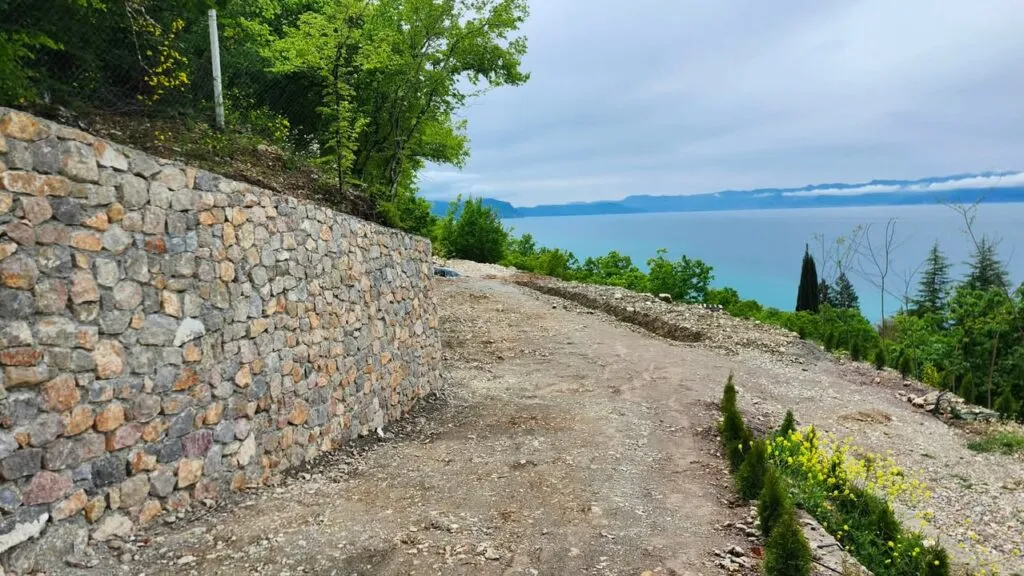
The national park itself established the violations and filed complaints with four institutions. Three years later, the scar at Lagadin...
Twelve papers, a field trip to Ljubojno and European money. The question is whether the knowledge will reach the people...
Nickel in the soil, drought among the oaks, Prespa in a climate crisis. The knowledge is there - it just...
In Sofia the topic wasn't even raised, by "tacit agreement". Back home, the violations in her treatment remain - and...
Instead of severance or a transfer, permanent jobs as civilians. The collective agreement, however, is still being negotiated.
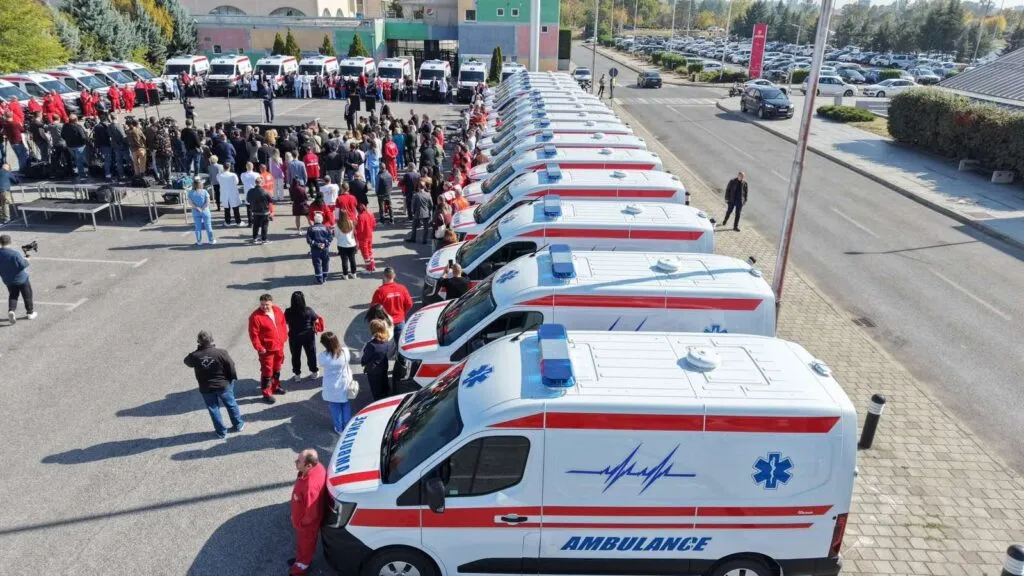
The fleet grows from 140 to around 200 vehicles. The staffing analysis shows the biggest bottleneck isn't the equipment, but...
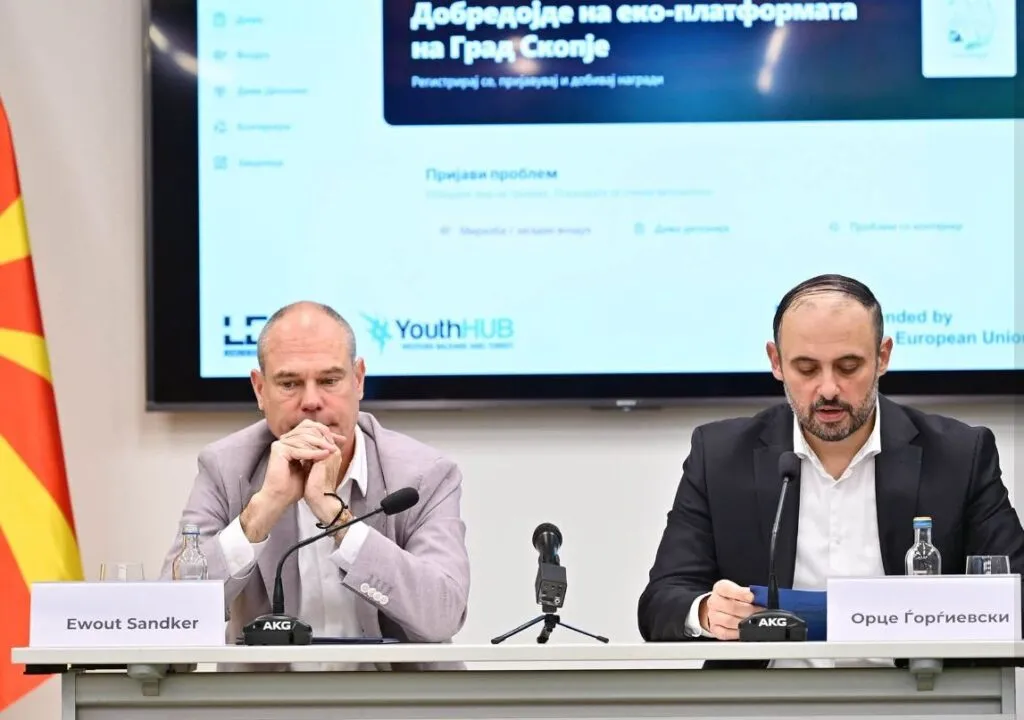
A real-time photo, a location, a notification when the bin is emptied. Young people built the app - how fast...
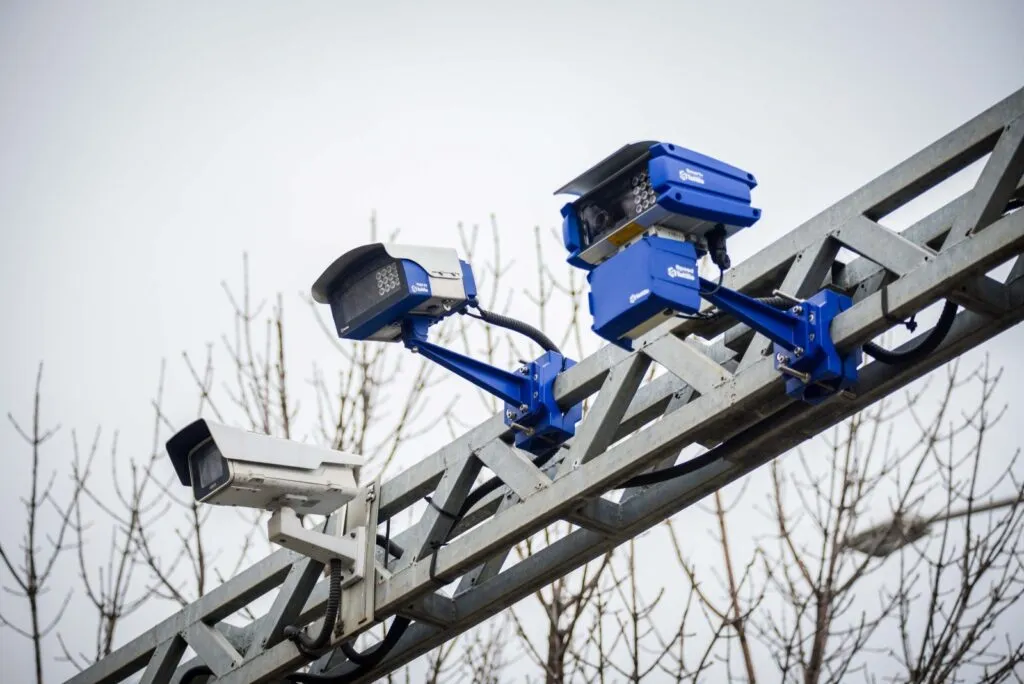
The benches by the restored "Lotos" fountain have already been covered in graffiti three times. The cameras will record, but...
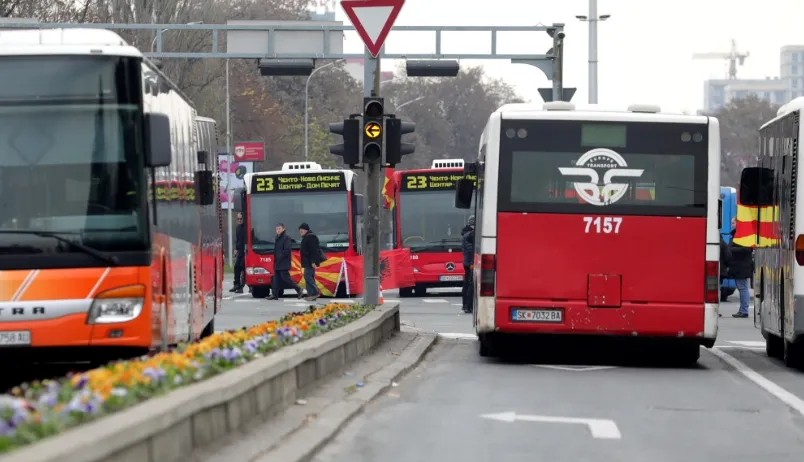
No official explanation, and the City won't say whether anyone checks on the private operators or how much the public...
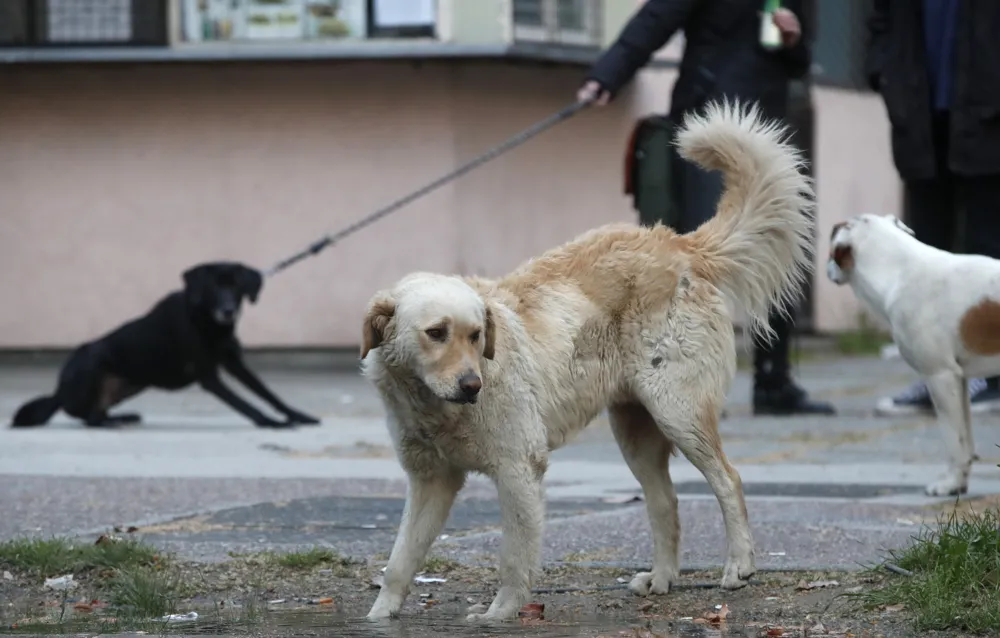
A mother and her seven-year-old daughter had to run out between cars to escape three stray dogs. The police sent...
This site uses cookies - is that okay? Learn more
Be the first to know when Metla launches something new
Leave your email and we will write when there is a new guide or something new on Metla.