The "Pulse" Trial: Prosecution's Expert Calls the Defence's Expert Report "Professional Self-Disqualification"
12.11.2026


12.11.2026

12.11.2026

12.11.2026

12.11.2026

12.11.2026
12.11.2026

12.11.2026
11.11.2026

06.11.2026

12.11.2026

12.11.2026

11.11.2026
12.11.2026

12.11.2026

12.11.2026

12.11.2026

11.11.2026

06.11.2026

12.11.2026

11.11.2026

11.11.2026
12.11.2026

11.11.2026

11.11.2026

12.11.2026
11.11.2026

11.11.2026

23.04.2026

23.04.2026

12.04.2026

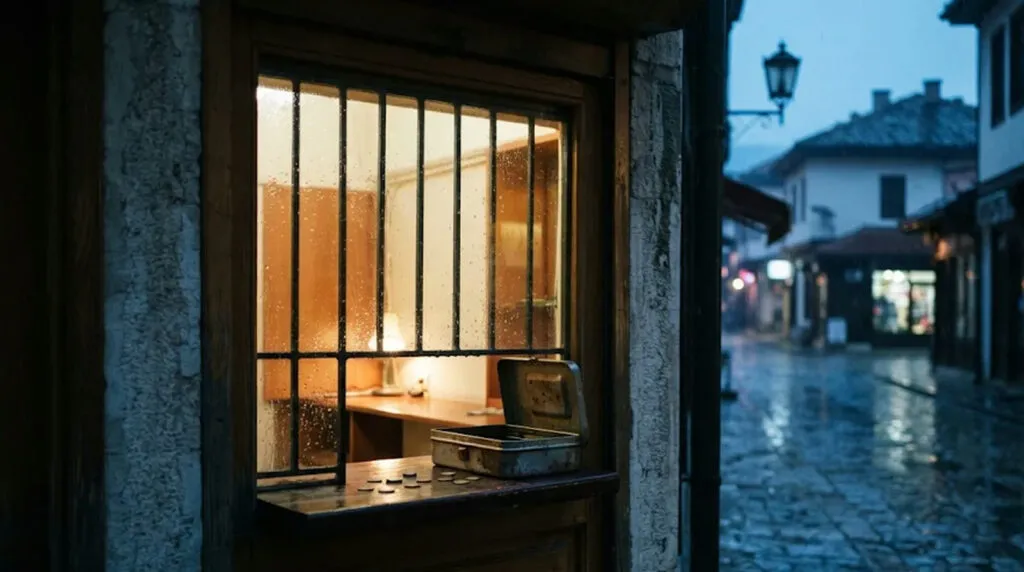
Less than three weeks after Serbia's elections, the fiercest argument isn't about ministers - it's about the exchange rate. According to the National Bank of Serbia (NBS), the dinar is hitting a new low against the euro for 2026 almost daily, and at some exchange offices the euro has jumped to as much as 120 dinars.
Dejan Šoškić, a former NBS governor and the Student List's candidate for prime minister, insists the problem is panic, not the currency. In his view, the former government is only embarrassing itself with such stories and doesn't understand what is in the country's interest. "The country's interest is not to stoke baseless panics, but to tell the truth," Šoškić said.
Media close to the former government hit back with headlines about "financial collapse" and told the prime minister candidate to take a walk to the nearest exchange office. Yet they themselves cite reports that some exchange offices are trying to cash in on the nerves. So the 120 figure is a price at a kiosk, not the official rate. The official rate, though, is sliding.
Why is this news at all? Because for years the NBS kept the dinar practically nailed at around 117 to the euro. In a country where flats and cars are sold in euros but wages arrive in dinars, every wobble in the rate is felt at the counter, not on a chart.
Both sides are now using the exchange rate as a weapon. The former government sells every extra dinar as proof that the newcomers can't run a country. The newcomers brand every warning as panic. Neither side says what the NBS will do if the slide continues - and that is the answer that would calm the market more than any TV studio.
Macedonia's denar has been de facto pegged to the euro since the mid-nineties. That stability is easy to take for granted - right up until you glance at the exchange office next door. Will Belgrade manage to calm the nerves before it forms a new government?
The latest 10 news from this category
Serbia's new government isn't even formed yet, and the Student List has already asked for files on around fifty people...
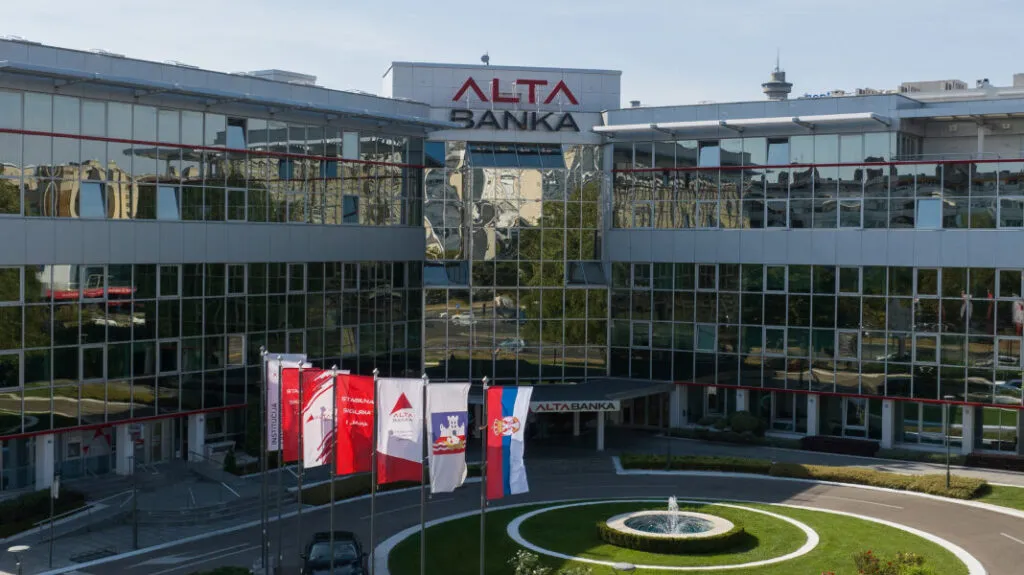
Serbia's ninth-largest bank, with 1.84 billion euros in assets, vanished overnight, and until then the National Bank saw no irregularities....

The father says he saw no warrant, Vučić says there was one, and the new government doesn't have a single...

A few days after the election, the man who was until recently the most powerful in Serbia is talking about...
Four people arrested, a dozen more wanted, and media from Israel to Chile reporting "Rise, Adolf." Instead of first looking...
Code 7500, a fighter jet over Korenica and a closed airport in Germany. It all ended with no danger -...
14.02 euros a month for the public broadcaster and a nation split almost exactly in half - and the final...
In Serbia people are asking how to get refunds, while Croatian war veterans attack him for singing in Niš at...
His bandmates spent years trying to convince him to get treatment. At the end of September a concert in Makarska...
More than 50 people at the entrance, children and folk dancers inside, shouts of "Kill the Serb" as they left....
This site uses cookies - is that okay? Learn more
Be the first to know when Metla launches something new
Leave your email and we'll write to you when there's a new guide or something new on Metla.