Koraboski's Trial Begins: Custody Came Only After the Public Revolted
27.11.2026


27.11.2026
27.11.2026
27.11.2026
27.11.2026

27.11.2026
27.11.2026

27.11.2026

26.11.2026
25.11.2026

27.11.2026

27.11.2026
26.11.2026
27.11.2026

27.11.2026

27.11.2026

27.11.2026

26.11.2026

25.11.2026

27.11.2026
26.11.2026

25.11.2026

27.11.2026

27.11.2026
24.11.2026

23.04.2026

23.04.2026

12.04.2026

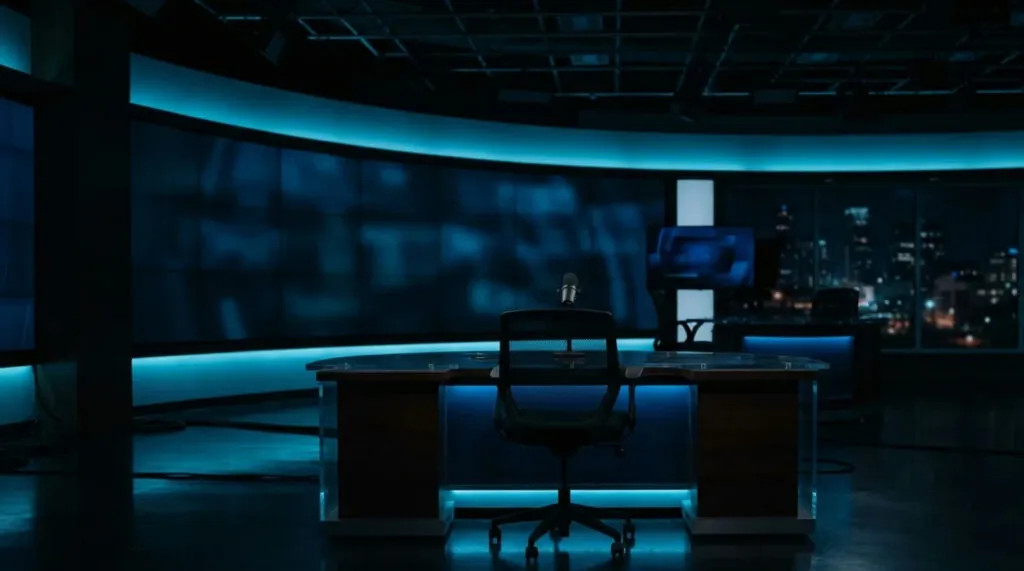
Dragan J. Vučićević, editor-in-chief and owner of the TV channel and tabloid that for years served as Aleksandar Vučić's loudest megaphone, has been in Belgrade's Central Prison since Thursday night. The pre-trial judge of the Second Basic Court ordered him held for up to 30 days, at the request of the Second Basic Public Prosecutor's Office. The reasoning is brief: there is a risk that, if left free, he would repeat the criminal offences.
Which offences? The prosecution suspects him of two: causing panic and disorder as a continuing offence, and obstruction of justice. According to the charges, from 2023 to 2026 he used his TV channel to systematically run a campaign of spreading hatred and targeting political opponents, activists and independent journalists, "creating an atmosphere of public lynching". He is also suspected of obstructing justice by publishing secret documents and targeting a prosecutor. The law provides for six months to five years in prison for this.
The prime-time vocabulary
The most quoted line dates from June last year, during the big student protest. On live television Vučićević yelled at the police to use force on the demonstrators: "Beat them, break their ribs." He called the protesters "scum", "hyenas" and "vultures", and warned viewers of "bloodshed" and "civil war".
His own outlet reported that the suspicions include declaring 27 people "enemies of the state". His defence, for its part, asks why the prosecution waited more than a year over events everyone watched live. That is a fair question. The answer may lie in the calendar: the charges came only after Vučić ended up in opposition.
From the government's megaphone to "the only political prisoner in Europe"
His people already have their version. Employees of his TV channel and SNS supporters gathered in front of the Palace of Justice, among them MPs Ana Brnabić and Vladimir Đukanović, and the rally declared Vučićević "the only political prisoner in Europe". SNS MPs walked out of the parliamentary session and went to the police station where he was being held. The news of the arrest was announced in parliament by Aleksandar Vučić himself, today head of the parliamentary group "Aleksandar Vučić - Serbia Wins" and leader of the opposition.
The numbers from the courtrooms tell a different story. According to the Slavko Ćuruvija Foundation, more than a thousand defamation cases are being pursued against his outlet, and in 92 percent of the cases concluded over the past three years the court sided with the plaintiffs. The outlet paid damages, sometimes several times to the same person for a claim it simply published again. No fine ever made it stop. And money clearly was not the problem: according to an investigation by journalists, in 2024 alone it received around 273,000 euros of public money through procurement, advertising and projects.
Justice or a settling of scores?
The defence argues that this is punishing people for spoken words and that the line between freedom of expression and criminal liability is being erased. The argument would carry more weight if it didn't come from the man whose TV channel, according to the Slavko Ćuruvija Foundation, had its own "viewer intelligence service" that secretly followed and filmed people in their everyday lives.
But the skepticism cannot stop with him. Executive power and the police are formally still in the hands of the old government until the Student List forms a cabinet. Even Vučićević's critics warn that this could be a settling of scores within their own ranks, or prosecutors hurrying to launder their CVs before the new bosses arrive. Thirty days of custody is a beginning, not a verdict.
The Balkans know this scene: the government falls, and the question remains what becomes of those who shouted loudest on its behalf. Will Serbia now open a real court case over the propaganda, or simply change who is in the crosshairs? And who will answer for the years in which "scum" was a regular word in prime time?
The latest 10 news from this category
From January to September 7,012 Croats moved to Germany and 16,955 left. It looks like a big homecoming, but demographers...
While his loudest editor sits in custody, Aleksandar Vučić promises a stronger SNS and a hunger strike with "no turning...

Two resolutions on Vukovar, Serbian students asking for room for Serb victims too, and a Croatian MEP answering them with...
The editor of the loudest pro-Vučić tabloid ended up at a police station, and the new majority in the Serbian...
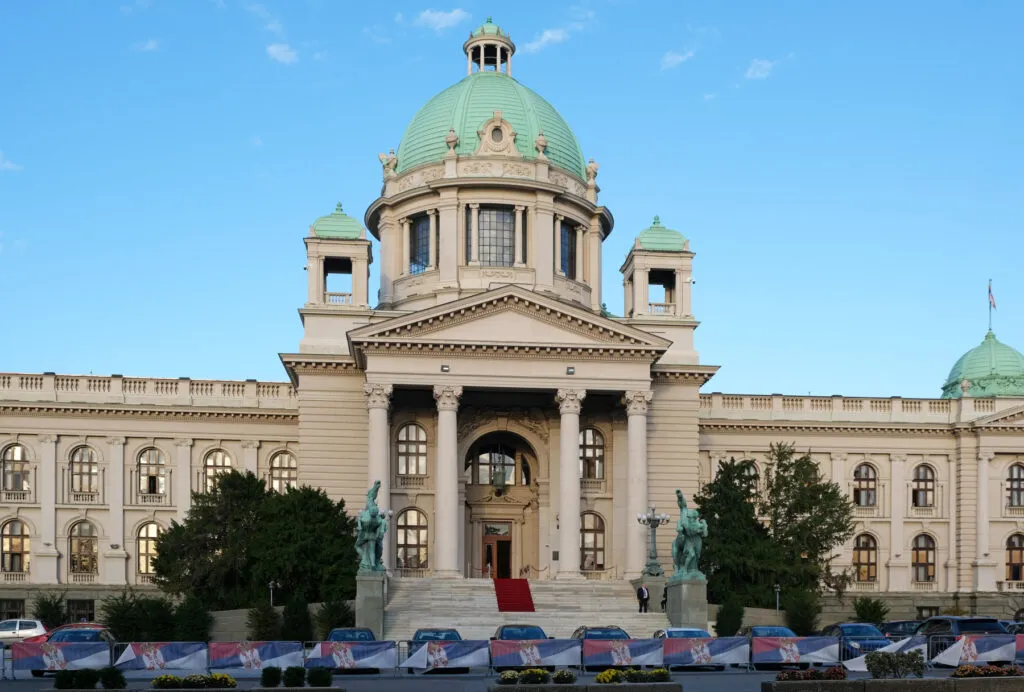
The Student List took the Speaker of Parliament, all six deputy speakers and now the chairs of every committee. Vučić...
Cash in a forest, warehouses and a safe, and the investigations are only just starting. The country that gave Gruevski...
Vučić, who set Serbia's agenda for years, is now counting a possible new prime minister's taxes from the opposition bench....

Serbia's new government isn't even formed yet, and the Student List has already asked for files on around fifty people...
A former central bank governor says the panic is baseless, while some exchange offices are charging 120 dinars for a...

Serbia's ninth-largest bank, with 1.84 billion euros in assets, vanished overnight, and until then the National Bank saw no irregularities....
This site uses cookies - is that okay? Learn more
Be the first to know when Metla launches something new
Leave your email and we'll write to you when there's a new guide or something new on Metla.