
Parents of Those Killed in the "Puls" Fire: With Over 200 Witnesses, the Defence Is Dragging Out the Trial
22.11.2026


22.11.2026

22.11.2026

22.11.2026

22.11.2026

22.11.2026

22.11.2026

22.11.2026

22.11.2026

22.11.2026

22.11.2026

22.11.2026

21.11.2026

22.11.2026

22.11.2026

22.11.2026

22.11.2026

21.11.2026

20.11.2026

22.11.2026

21.11.2026

20.11.2026

22.11.2026

22.11.2026

20.11.2026

22.11.2026

22.11.2026

21.11.2026

23.04.2026

23.04.2026

12.04.2026

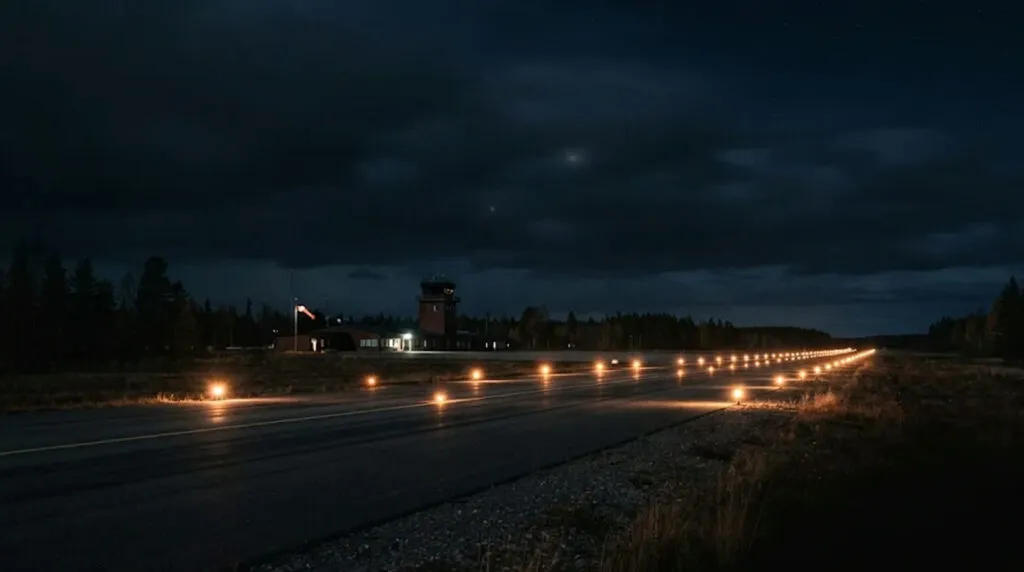
On Wednesday night, residents of parts of Lithuania and Latvia received a message nobody wants to read on their phone: seek shelter. Unidentified drones entered the airspace of the two NATO members, and the alliance scrambled fighter jets to respond to the security incident.
According to available information, the drone came in from neighbouring Russia or Belarus. Lithuania's National Crisis Management Centre extended the alert to Kaunas, the country's second-largest city, with around 300,000 inhabitants. Kaunas airport temporarily suspended all flights.
Around 11 pm a yellow alert was declared, and citizens in the Vilnius and Utena districts were advised to head for the nearest shelters. "The Lithuanian Armed Forces inform: POSSIBLE AIR THREAT (YELLOW). Find a safe place. If you notice a suspicious object, do not approach it and call 112. Wait for the threat to end," the official warning read.
Latvian authorities announced a possible threat in the airspace of the Jēkabpils and Madona municipalities, but in a tone that reassured more than it alarmed. "At the moment there is no need to take any further steps. If the situation changes, you will receive a notification through the early warning system on mobile phones," the authorities posted on X. They later reported that the threat to Madona had passed.
This is not the first such case. Ukrainian drones have previously strayed into the airspace of Finland, Estonia, Latvia and Lithuania, and with every new incident the fear grows that the war will spill over onto the NATO members bordering Russia and Belarus.
And here everyone has their own version. Moscow accuses Ukraine of using the airspace of NATO allies as a shield for its attacks. Kyiv says some of its drones veer off course because of Russian signal jamming. NATO members directly blame Russia. And the citizen of Kaunas looking for a shelter at 11 pm gets no answer to the simplest question - whose drone is that overhead?
The Balkans know very well how thin the line is between "war at the neighbours'" and "war at home". When shelters open in countries that are formally not at war, how much longer can anyone claim the conflict is under control?
The latest 10 news from this category
The data leaked from Russia's state statistics agency, not from the Kremlin. The ethnic republics pay the highest price, and...

Air defences destroyed "in 15 minutes, maybe five", talks through Qatar and a reward for information on Iranian scientists. The...
Britain, Italy, Portugal, Germany - the Revolutionary Guard listed the countries whose bases, it claims, US aircraft used. How far...
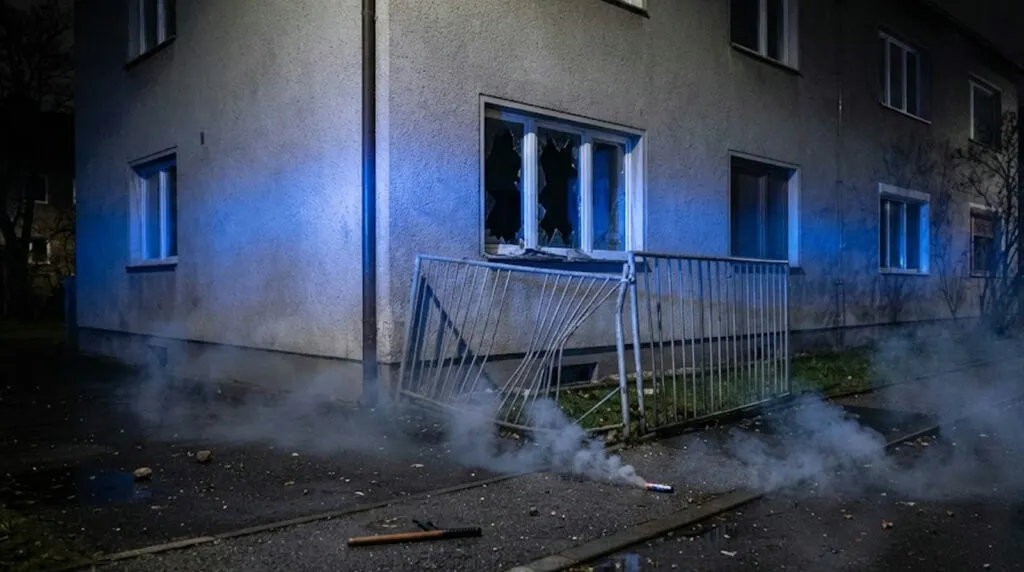
Social media spoke of 40 detainees, Budanov said 14, and then came men in plain clothes with batons. The Balkans...

Washington strikes, Tehran hears explosions, oil jumps - and the president insists there's no war. The Balkans have long known:...

Washington has scheduled the next trilateral meeting, Europe will wait in Brussels, and Moscow and Kyiv want completely opposite things....

An American commentator announces a nuclear strike by 7 November, and a respected magazine writes about new attacks right after...
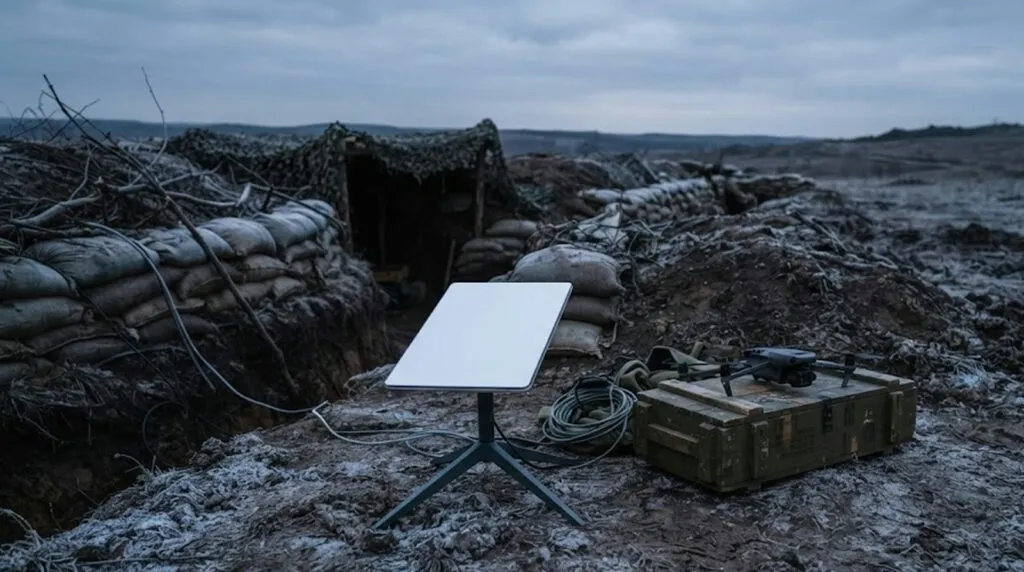
Over 250,000 terminals at the front and one man with a switch. If that can happen to Ukraine in the...

A convoy corridor in Oleshky - and in the next breath the Kremlin says combat operations continue. The Balkans know...

Two Belarusians arrested in Germany, a European arrest warrant for a Ukrainian. Hybrid war has no front line - it...
This site uses cookies - is that okay? Learn more
Be the first to know when Metla launches something new
Leave your email and we'll write to you when there's a new guide or something new on Metla.