

Glasses and a Wristwatch for a Tip-Off: Nine Charged Over Tax Inspections at the "Pulse" Nightclub
28.10.2026


28.10.2026
28.10.2026

28.10.2026
28.10.2026
28.10.2026
28.10.2026

28.10.2026

27.10.2026

27.10.2026

28.10.2026

28.10.2026

27.10.2026

28.10.2026

28.10.2026

28.10.2026

28.10.2026

27.10.2026

26.10.2026

28.10.2026

28.10.2026

28.10.2026

28.10.2026

28.10.2026
27.10.2026
28.10.2026

27.10.2026

27.10.2026
27.10.2026
26.10.2026
24.10.2026

23.04.2026

23.04.2026

12.04.2026

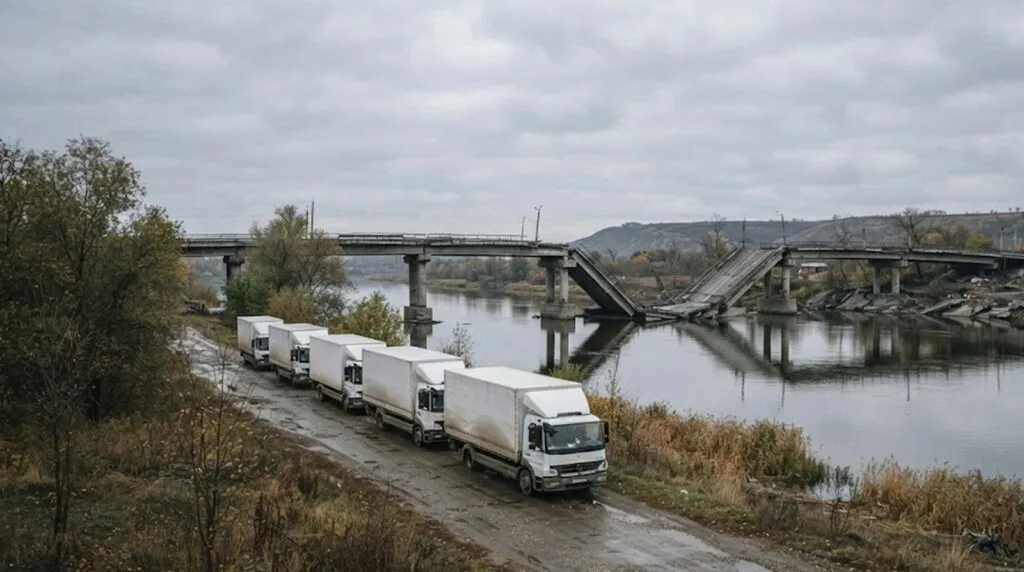
From 4 a.m. Moscow time on 27 October, the Russian army stopped firing on the Kherson axis. The reason, according to a statement from the Russian Defence Ministry, is preparation for a humanitarian operation in Oleshky - the town on the left bank of the Dnipro, directly opposite Kherson. The Ukrainian side confirmed a regime of silence from 3 a.m. Kyiv time, which matches Moscow's to the minute.
Behind the deal is a name few would have guessed: Melania Trump. On 23 October the White House announced that Moscow and Kyiv, with the mediation of the US First Lady, had reached an agreement on a local ceasefire in Oleshky, due to start on 29 October. Moscow started it two days early. The goal is for humanitarian aid to reach the town and for civilians to leave through a safe corridor. The chief of Russia's General Staff, Valery Gerasimov, said engineering units would check the terrain so the convoy could pass safely.
Kremlin spokesman Dmitry Peskov, for once, didn't hold back his praise for Washington. "For humanitarian purposes it is absolutely possible, especially when we are talking about the direct, very positive and coordinating participation of the American side, the American negotiators and the First Lady of the United States, Melania Trump, in this process," he said, adding that it could become a precedent for similar deals on other parts of the front. When the Kremlin praises someone this generously, it's worth asking what it expects in return.
The answer came in the next sentence. "The decision to continue the trilateral negotiations does not imply any restrictions on combat operations," Peskov said. Russian forces, he explained, are continuing their strikes on Ukraine's defence industry and military targets. And while the silence near Kherson was being prepared, on the night of 26 to 27 October the Russian army once again hit the Southern Bridge in Kyiv in a massive missile attack on the Ukrainian capital.
So Moscow separated the two things: a local humanitarian deal for one point on the front - and a war that goes on everywhere around it. The Balkans know this scene by heart. A convoy corridor, a few hours of quiet, then the shells again. A humanitarian ceasefire saves people, and that's no small thing. But it isn't peace. It's a pause set by whoever can end it whenever they like.
The bigger game is only just beginning. Zelensky has said he is prepared to discuss territory only with Putin, and Peskov didn't rule out territorial compromises being on the table at upcoming meetings. "A very serious conversation lies ahead, covering a huge number of details," he said, stressing that Moscow would not publicly reveal any possible agreements. Putin's aide Yuri Ushakov said a new round in the trilateral format - Russia, the US and Ukraine - could take place in November in Abu Dhabi.
Oleshky is now the test. If the convoy gets through, Moscow will present it as proof of goodwill. If it gets stuck, Peskov has already said who he expects to keep their side of the bargain. And in Abu Dhabi they'll be talking about lines on a map. Will anyone there ask what "precedent" means for the civilians of Oleshky - or only how many kilometres of front can be traded for a few hours of quiet?
The latest 10 news from this category
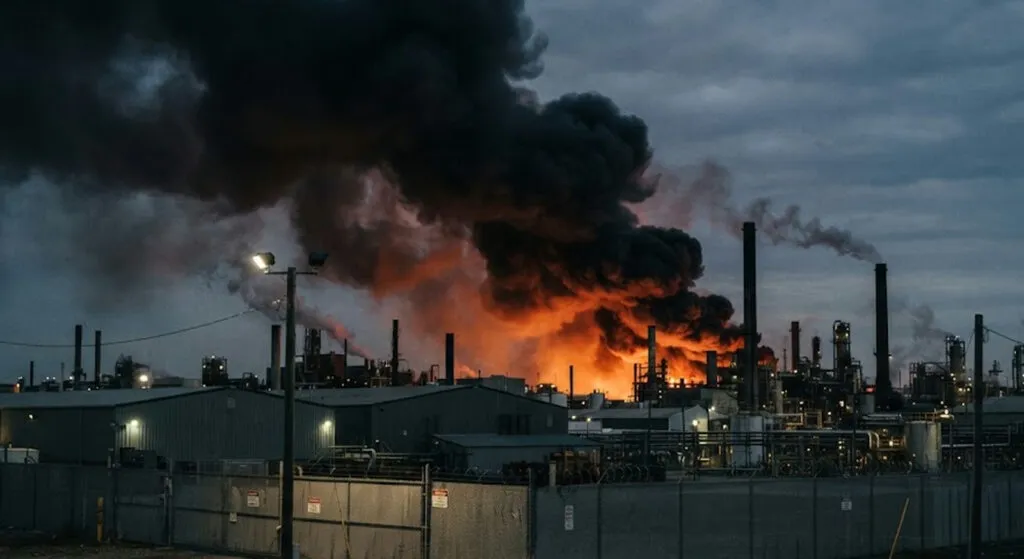
Two Belarusians arrested in Germany, a European arrest warrant for a Ukrainian. Hybrid war has no front line - it...
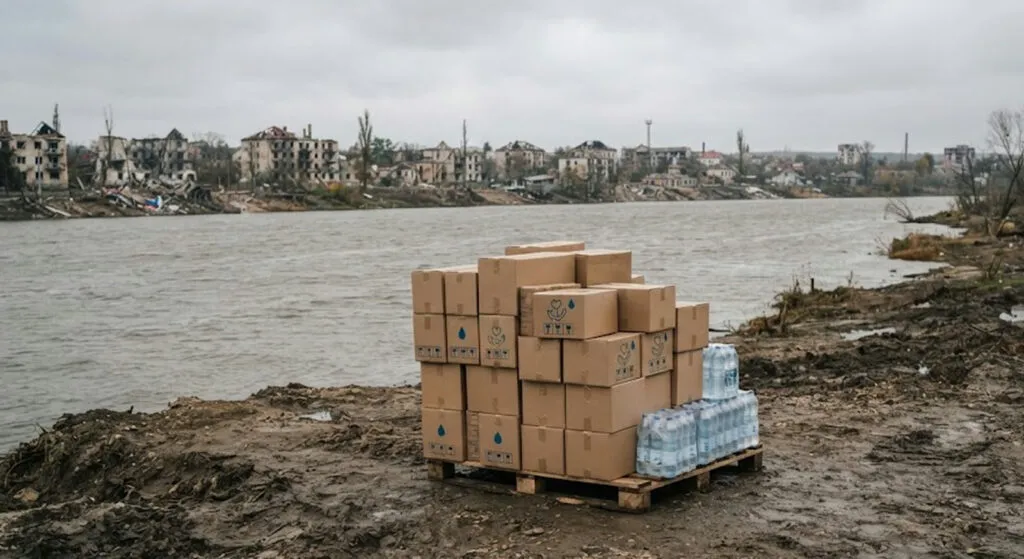
The ceasefire took effect at 3 a.m. A few minutes later, Russian ballistic missiles were flying towards Kyiv. That's what...

Trump says Zelensky is a harder partner than Putin. Behind the scenes, American intelligence is sending Kyiv strike data and...
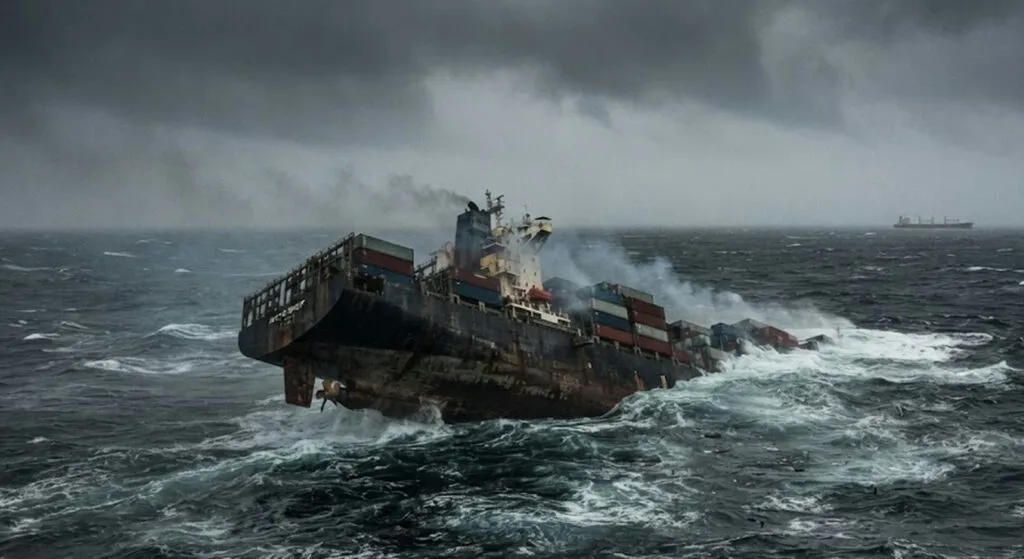
One dead, three missing, and no official cause. Before it, in October alone, drones attacked at least seven cargo ships...

Security guarantees and ten years of funding for the army - that's Kyiv's price. Putin, meanwhile, doesn't want a short-lived...

Seven sailors went missing after a drone attack on a tanker off the Romanian coast, and the union says there's...

Ukraine has revealed details of the secret offensive near Lyman: 277 square kilometres and 16 villages, but also more than...

An empty tanker, a distress call at seven in the morning and seven missing, among them a Croatian officer. Off...

Kyiv is ready to freeze the war on the current line, but not to abandon positions it spent years preparing....

Storing dangerous pathogens doesn't by itself prove biological weapons. But at the UN, "the documents show" is often enough for...
This site uses cookies - is that okay? Learn more
Be the first to know when Metla launches something new
Leave your email and we will write when there is a new guide or something new on Metla.


