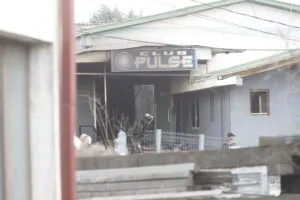
Glasses and a Watch for a Heads-Up on Tax Inspections: Nine Charged With Bribery and Forgery Around Puls
27.10.2026


27.10.2026
27.10.2026
27.10.2026
27.10.2026
27.10.2026

27.10.2026

27.10.2026

27.10.2026
26.10.2026

27.10.2026

27.10.2026

26.10.2026

27.10.2026

27.10.2026

27.10.2026

27.10.2026
26.10.2026

25.10.2026

27.10.2026

27.10.2026

27.10.2026

27.10.2026

26.10.2026
26.10.2026
27.10.2026
26.10.2026
24.10.2026

23.04.2026

23.04.2026

12.04.2026

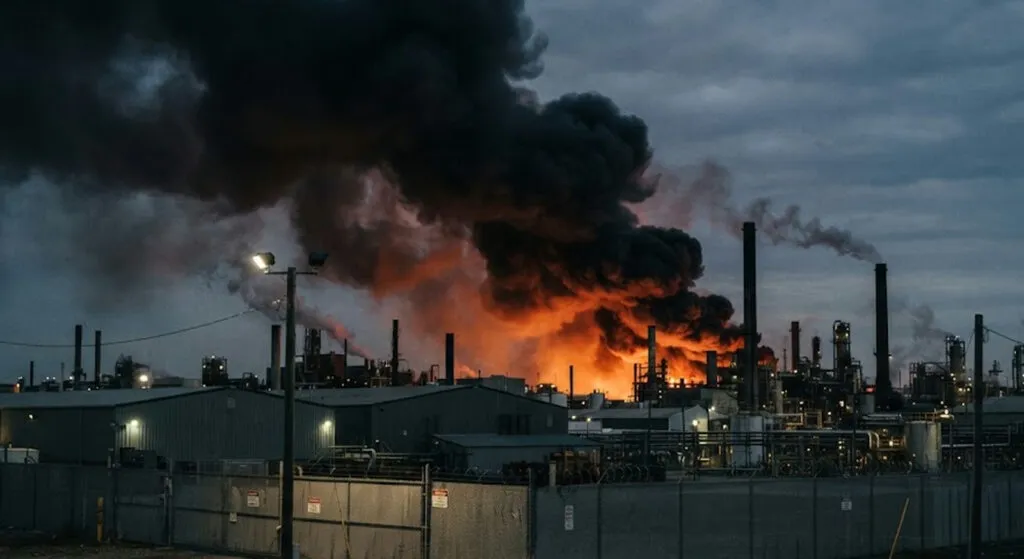
Romanian authorities say they have uncovered a Russian-coordinated sabotage network, and that it was behind the fire that broke out on 14 September at the Carfil industrial complex in Brașov, near the plant of Carfil SA. That company is a subsidiary of Romania's state defence company CN ROMARM.
The information was released by the Romanian Intelligence Service (SRI). Foreign Minister Dan Neculăescu was even more direct: the incident is part of a wider campaign targeting defence production across Europe. "Hybrid attacks will not stop us from strengthening our resilience and defence," he wrote on X.
Belarusians, a Ukrainian and handlers in Russia
Romania's Directorate for Investigating Organised Crime and Terrorism (DIICOT) names three suspects: two Belarusian nationals and one Ukrainian national. Two have been located and arrested in Germany, where, according to prosecutors, they were allegedly preparing similar acts. A European arrest warrant has been issued for the third, who was in Poland.
The make-up of the group is the detail worth remembering. The network that Bucharest says is coordinated by Moscow isn't made up of Russians, but of people with Belarusian and Ukrainian passports. The perpetrators are replaceable, while whoever gives the orders stays far away, across a border.
According to the SRI, the network's activities reached beyond Romania's borders. The alleged coordinators in Russia chose the targets - state and private arms factories and other sites of military and industrial interest. This year investigators have also uncovered other attempted attacks in Romania, including on international military facilities and sites where Ukrainian forces are trained.
There's also a thread leading south. Carfil recently signed a memorandum of understanding with the Greek company Altus LSA on cooperation in autonomous systems, counter-drone systems and defence. If these networks pick their targets by who produces for defence, how long will this war stay north of the Danube?
The Balkans know well what a war with a front and trenches looks like. This one is different: a fire in an industrial zone, suspects with foreign passports, and more than a month of investigation before anyone officially says who's behind it. Would the services in our region spot a pattern like this in time - or log it as one more accident?
The latest 10 news from this category
The ceasefire took effect at 3 a.m. A few minutes later, Russian ballistic missiles were flying towards Kyiv. That's what...

Trump says Zelensky is a harder partner than Putin. Behind the scenes, American intelligence is sending Kyiv strike data and...
One dead, three missing, and no official cause. Before it, in October alone, drones attacked at least seven cargo ships...

Security guarantees and ten years of funding for the army - that's Kyiv's price. Putin, meanwhile, doesn't want a short-lived...

Seven sailors went missing after a drone attack on a tanker off the Romanian coast, and the union says there's...

Ukraine has revealed details of the secret offensive near Lyman: 277 square kilometres and 16 villages, but also more than...

An empty tanker, a distress call at seven in the morning and seven missing, among them a Croatian officer. Off...

Kyiv is ready to freeze the war on the current line, but not to abandon positions it spent years preparing....

Storing dangerous pathogens doesn't by itself prove biological weapons. But at the UN, "the documents show" is often enough for...
Patriot missiles at 12 a month, Starshield restricted, and now advice from the allies: don't anger Washington. Ukraine is heading...
This site uses cookies - is that okay? Learn more
Be the first to know when Metla launches something new
Leave your email and we will write when there is a new guide or something new on Metla.