
30 days' custody for the fan who knocked a child unconscious outside "Jane Sandanski": how did two fan groups end up right at the entrance?
03.11.2026


03.11.2026

03.11.2026

03.11.2026

03.11.2026

03.11.2026

03.11.2026

03.11.2026

02.11.2026

02.11.2026

03.11.2026

03.11.2026

02.11.2026

03.11.2026

03.11.2026

03.11.2026

03.11.2026

02.11.2026

01.11.2026

03.11.2026

03.11.2026

03.11.2026

03.11.2026

02.11.2026

01.11.2026

23.04.2026

23.04.2026

12.04.2026

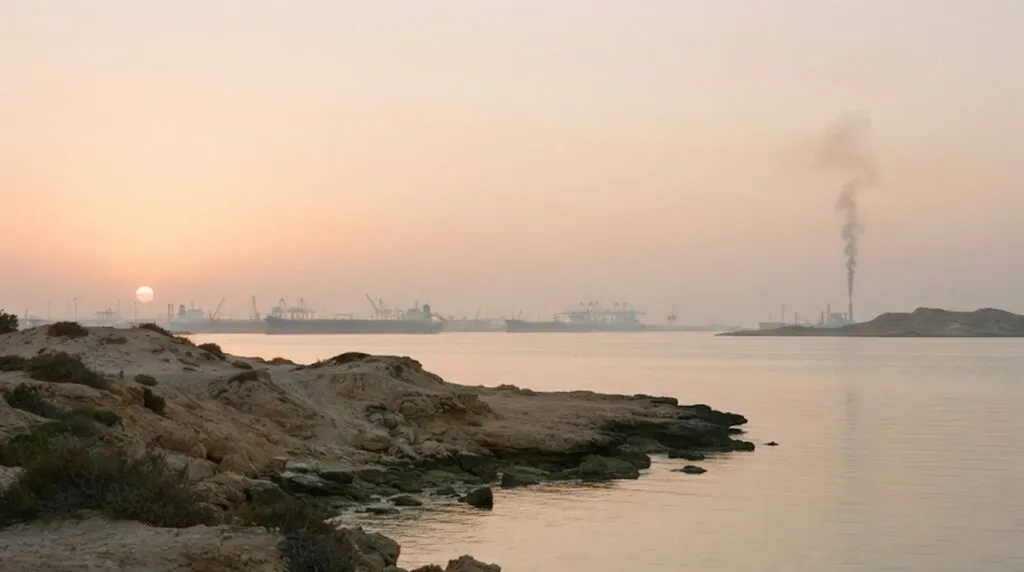
The US military carried out limited strikes on Iran's Qeshm Island, three US officials confirmed. The official explanation is a classic: "defensive action" to protect US forces and property in the region. According to one of them, the strike came after Iran opened fire on a US aircraft, and another says the Iranians used surface-to-air missiles.
The detail that says more than the strike itself: the administration deliberately kept the action quiet, so it wouldn't look bigger than it really was. According to US media, similar strikes had been carried out before - also in silence. So the war that officially doesn't exist has its own invisible chapter.
Iran's Fars agency, close to the authorities, reported "several explosions" on Qeshm in the early hours of Tuesday morning. The explosions were also heard by residents of the neighbouring island of Hengam and the port city of Bandar Abbas. Qeshm is about 22 kilometres from Bandar Abbas and is important to Iran's control of the Strait of Hormuz - the route through which around 20 million barrels of oil passed every day before the war. The US military has struck the island before during the war.
The timing is hard to ignore. Americans vote in the midterm elections today, and just before the strike Trump said diplomatic contacts with Tehran were continuing and that a deal "could be reached". In an interview with Fox News, meanwhile, he said the US "may have to hit" Pickaxe Mountain - a suspected underground nuclear site where, according to Israeli estimates, Iran keeps part of its enriched uranium and advanced centrifuges. "That's no big deal. We can do it literally in an hour," he said.
So is it a war or not? Trump is categorical: "We are not at war... This is not a war, this is a very mild conflict." Vice President JD Vance talks of "some progress" in the talks. Tehran, for its part, warns through Supreme Leader Mojtaba Khamenei that it will respond to any new major attack "without geographical limits" - according to a senior security official, even against infrastructure linked to artificial intelligence, not just oil facilities.
The markets didn't wait for interpretation. Oil prices jumped early in the morning on Asian exchanges right after the news about Qeshm, having previously fallen sharply on hopes for diplomacy. And in the US, petrol and diesel may hit the highest prices ever recorded on an election day in American history.
The Balkans know this rhetoric by heart: when those in power call a war a "limited action" or a "mild conflict", it's a message for voters, not a description of what's happening on the ground. The question is who will believe that story more - American voters at the ballot box, or the residents of Bandar Abbas who heard the explosions?
The latest 10 news from this category

Washington has scheduled the next trilateral meeting, Europe will wait in Brussels, and Moscow and Kyiv want completely opposite things....

An American commentator announces a nuclear strike by 7 November, and a respected magazine writes about new attacks right after...
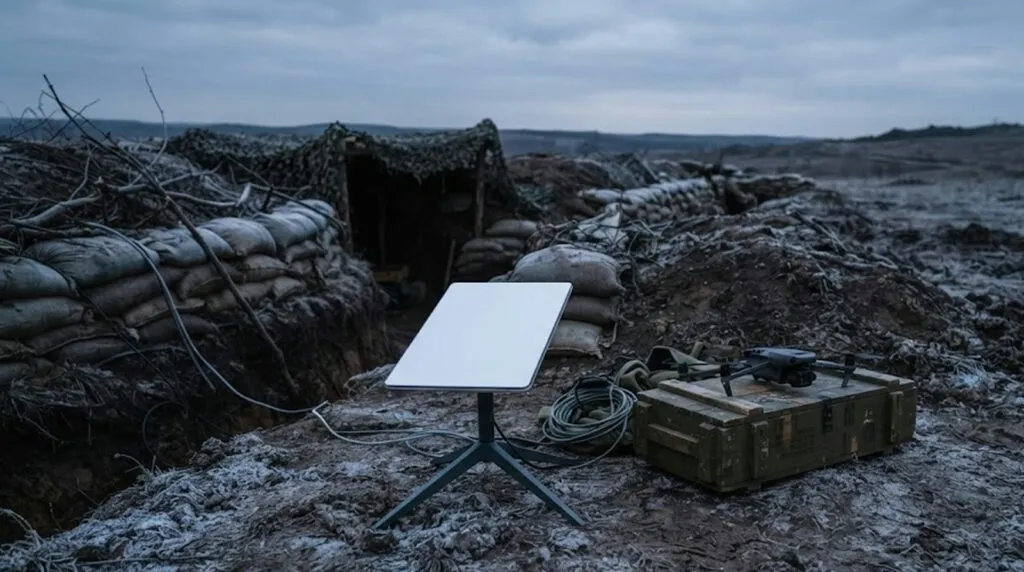
Over 250,000 terminals at the front and one man with a switch. If that can happen to Ukraine in the...
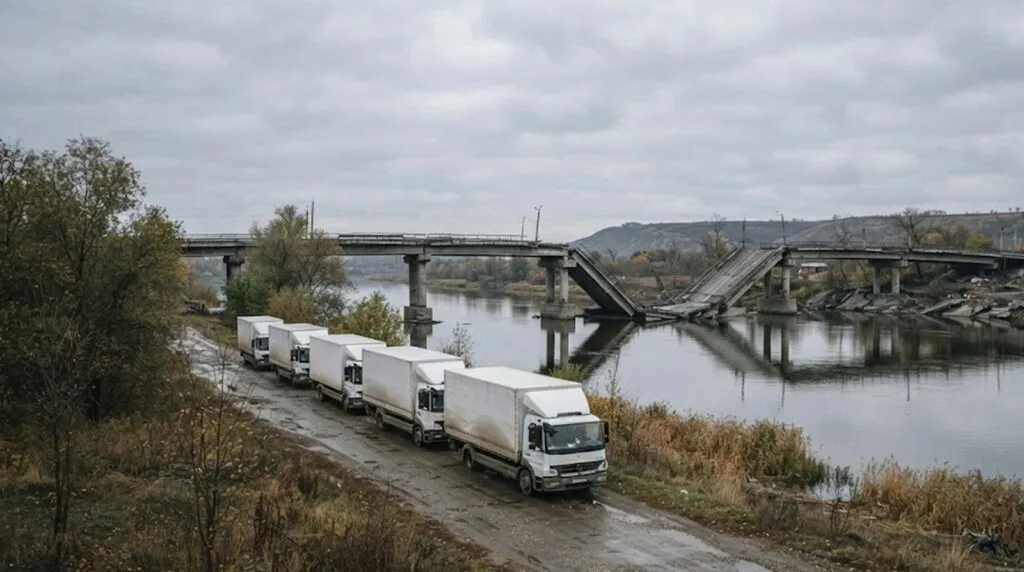
A convoy corridor in Oleshky - and in the next breath the Kremlin says combat operations continue. The Balkans know...
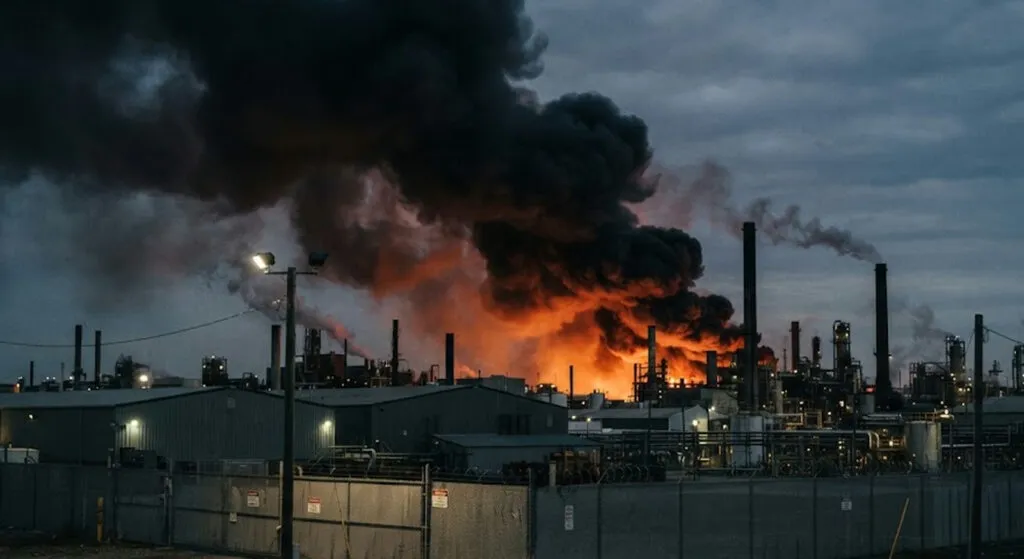
Two Belarusians arrested in Germany, a European arrest warrant for a Ukrainian. Hybrid war has no front line - it...
The ceasefire took effect at 3 a.m. A few minutes later, Russian ballistic missiles were flying towards Kyiv. That's what...

Trump says Zelensky is a harder partner than Putin. Behind the scenes, American intelligence is sending Kyiv strike data and...
One dead, three missing, and no official cause. Before it, in October alone, drones attacked at least seven cargo ships...

Security guarantees and ten years of funding for the army - that's Kyiv's price. Putin, meanwhile, doesn't want a short-lived...

Seven sailors went missing after a drone attack on a tanker off the Romanian coast, and the union says there's...
This site uses cookies - is that okay? Learn more
Be the first to know when Metla launches something new
Leave your email and we'll write to you when there's a new guide or something new on Metla.