Parents of Those Killed in the "Puls" Fire: With Over 200 Witnesses, the Defence Is Dragging Out the Trial
22.11.2026


22.11.2026

22.11.2026
22.11.2026

22.11.2026

22.11.2026

22.11.2026

22.11.2026

22.11.2026

22.11.2026

22.11.2026

22.11.2026

21.11.2026

22.11.2026

22.11.2026

22.11.2026

22.11.2026

21.11.2026

20.11.2026

22.11.2026

21.11.2026

20.11.2026

22.11.2026

22.11.2026
20.11.2026

22.11.2026

22.11.2026
21.11.2026

23.04.2026

23.04.2026

12.04.2026

Moscow has not published official figures for those killed at the front since September 2022, and it dismisses every independent estimate as unreliable. Now the number has come out of its own institution. According to data leaked from Russia's state statistics agency Rosstat, more than 450,000 Russians have died in the war in Ukraine. That makes the war, since 2022, the fourth most common cause of death in Russia.
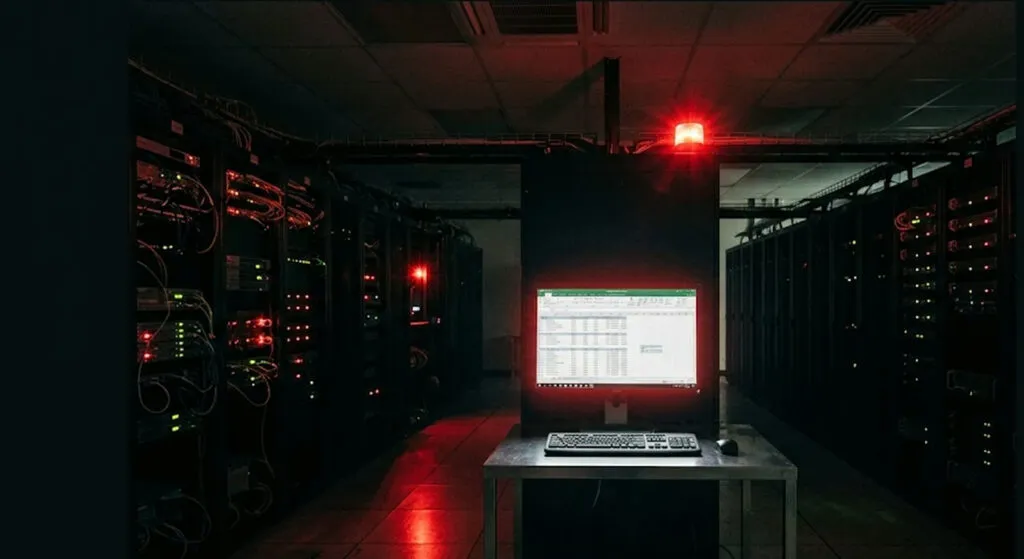
The data were not published by the Kremlin but by hackers. From 29 October to 1 November Rosstat was the target of a cyberattack by the groups Belarusian Cyber Partisans and Silent Crow, which are banned in Russia as "extremist organisations". They left messages on the agency's homepage and took data on the economy, demography and military losses. "This is the most significant leak of data on Russian casualties so far," said Janis Kluge, head of the Russia and Eurasia division at the German Institute for International and Security Affairs.
The figure of 450,000, calculated by Silent Crow, also includes civilians killed in air strikes and in the Ukrainian incursion into the Kursk region in 2024. The Belarusian Cyber Partisans, using a different methodology, count 393,881 dead. Neither figure includes the missing, nor the roughly 27,000 foreign fighters recruited into the Russian army. An independent check of 50 randomly selected names from the database could not fully verify the whole set, but the numbers match other estimates: in September the British Ministry of Defence said more than half a million people had died fighting for Russia.
The details are even heavier than the total. For comparison, the Soviet Union lost around 13,000 soldiers in its nine-year war in Afghanistan. In Ukraine, 6.2 Russians died for every kilometre of territory captured. In 14,160 cases death came not from combat but from illness, road accidents or suicide, and more than 32,000 people died of wounds sustained at least a year earlier. As many as 72 percent of the deaths are in the so-called Donetsk People's Republic, where more than 20,000 Russian soldiers died in the ten-month battle for Bakhmut alone.
Not everyone pays the price equally. Russia's ethnic republics are disproportionately hit by mobilisation, while Moscow and the big cities account for a smaller share of the dead than their population would suggest. Researcher Maria Vyushkova calls the recruitment policy among the smallest ethnic groups "the extermination of entire peoples". The men are drawn by salaries their regions don't offer, compensation for families in case of death, and for some, a way out of prison.
Kluge believes the economic impact is small, since it amounts to around half a percent of the working-age population. But the political impact is large: "You can't say Russia is winning if it is losing population at this rate." The Balkans know well how long a state can hide the real number of its dead. How many years would we have had to wait for this number, if not for the hackers?
The latest 10 news from this category
A yellow alert, shelters and suspended flights in two NATO members, because of drones from Russia or Belarus. The Balkans...
Air defences destroyed "in 15 minutes, maybe five", talks through Qatar and a reward for information on Iranian scientists. The...
Britain, Italy, Portugal, Germany - the Revolutionary Guard listed the countries whose bases, it claims, US aircraft used. How far...
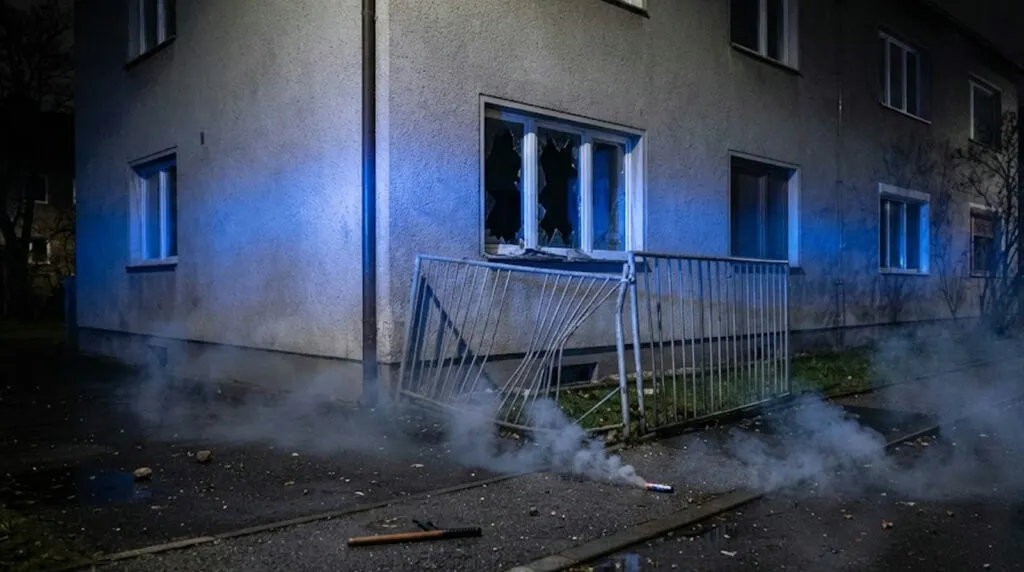
Social media spoke of 40 detainees, Budanov said 14, and then came men in plain clothes with batons. The Balkans...
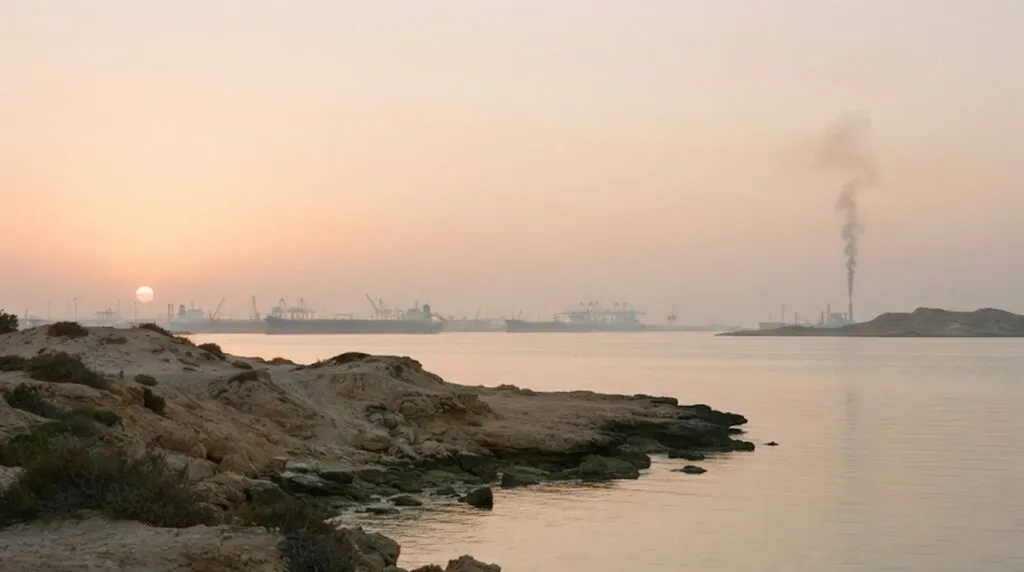
Washington strikes, Tehran hears explosions, oil jumps - and the president insists there's no war. The Balkans have long known:...

Washington has scheduled the next trilateral meeting, Europe will wait in Brussels, and Moscow and Kyiv want completely opposite things....

An American commentator announces a nuclear strike by 7 November, and a respected magazine writes about new attacks right after...
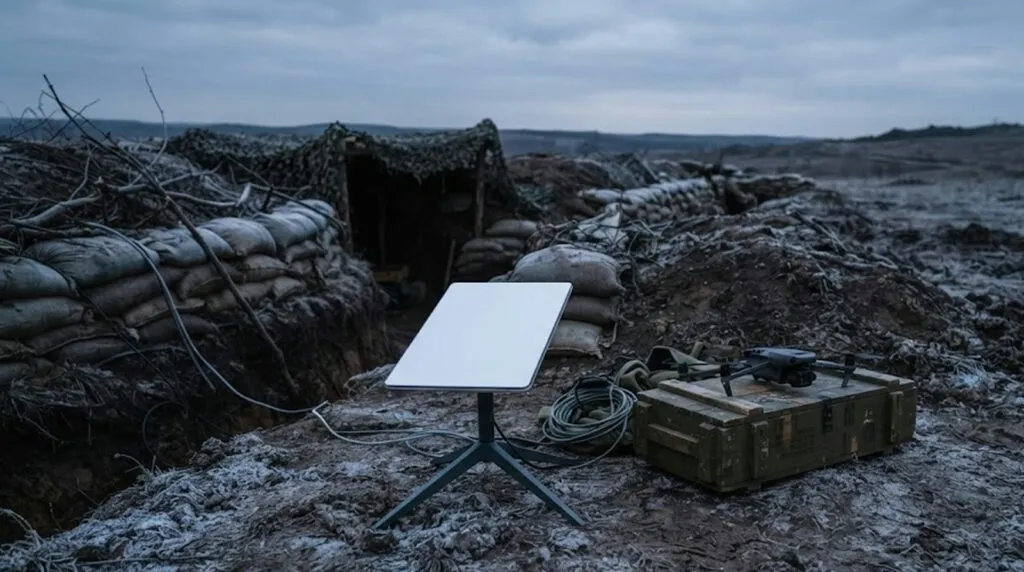
Over 250,000 terminals at the front and one man with a switch. If that can happen to Ukraine in the...
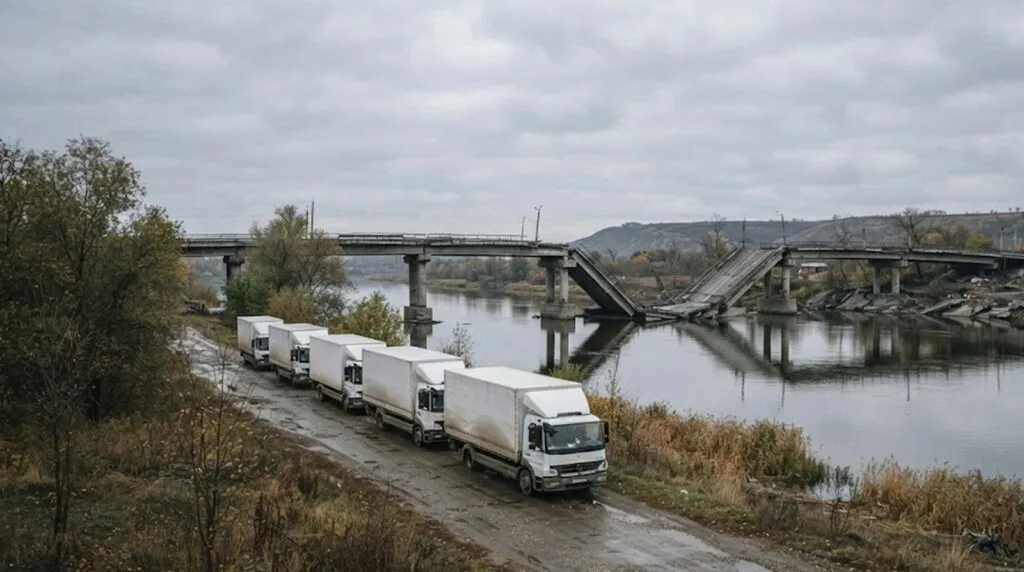
A convoy corridor in Oleshky - and in the next breath the Kremlin says combat operations continue. The Balkans know...
Two Belarusians arrested in Germany, a European arrest warrant for a Ukrainian. Hybrid war has no front line - it...
This site uses cookies - is that okay? Learn more
Be the first to know when Metla launches something new
Leave your email and we'll write to you when there's a new guide or something new on Metla.