

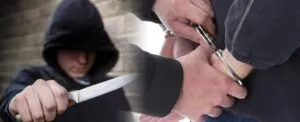
Kratovo man stabs police officer mid-intervention: prosecutors want the 40-year-old detained
15.09.2026


15.09.2026

15.09.2026

15.09.2026

15.09.2026
15.09.2026
15.09.2026

15.09.2026

14.09.2026

13.09.2026

15.09.2026

15.09.2026

14.09.2026

15.09.2026
15.09.2026

15.09.2026

15.09.2026

14.09.2026

13.09.2026

15.09.2026

15.09.2026

15.09.2026

15.09.2026

15.09.2026

14.09.2026

09.03.2026

27.02.2026

19.02.2026

15.09.2026
14.09.2026
14.09.2026

23.04.2026

23.04.2026

12.04.2026

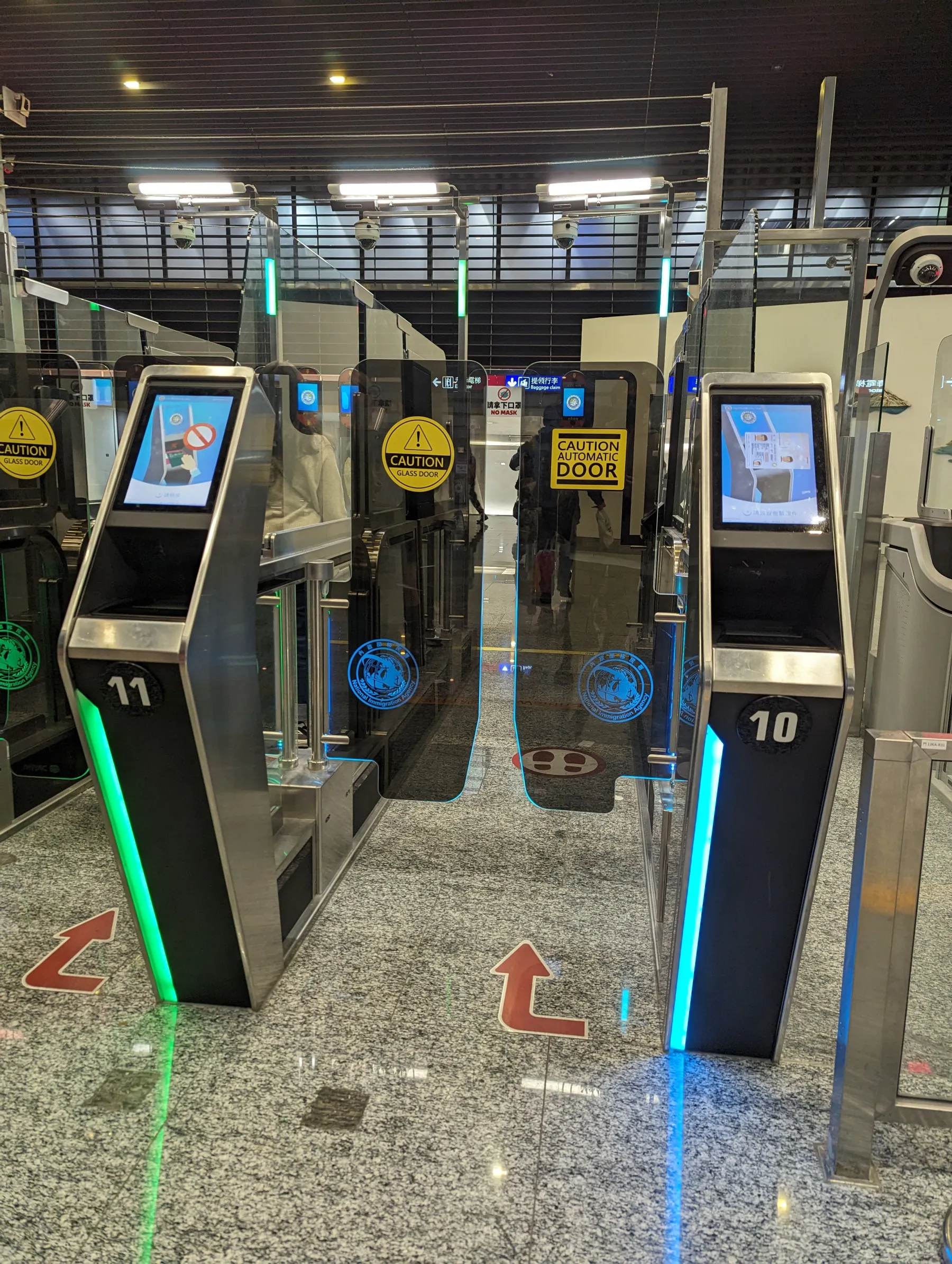
It was supposed to be the border of the 21st century - smart, biometric, flawless. Instead of a passport stamp, a fingerprint and a face scan. Instead of queues, speed. The new Entry/Exit System for the European Union, known as EES, launched on April 10 after a full four years of delays. The result so far: long columns, technical crashes, and a story that sounds like science fiction but actually happened.
European Commission President Ursula von der Leyen has already admitted the system needs „additional work“. But just how „additional“ is best shown by the case of a journalist from Britain. On her way back through Cluj airport, Romanian border police stopped her and accused her of illegally overstaying in the Schengen zone. According to their data, she had left Amsterdam in April, and that exit had not been properly recorded.
Just one problem: the woman had never been in Amsterdam. It was her identical twin sister who had.
When the machine looks only at the face
Officials mixed up the two sisters on the basis of the same facial features, the same surname, the same date of birth and the same citizenship. Even though the twins have different fingerprints, different first names and separate passports, Romanian authorities at first accused her of borrowing her sister's document. The other twin was in Britain at the time and had never set foot in Romania. The journalist was released only after some fifteen minutes of questioning.
Niovi Vavoula, a researcher in cyber-security policy at the University of Luxembourg who advised legislators on the technical aspects of EES, explained that the confusion stemmed from two errors at once - a wrongly recorded exit in Amsterdam and insufficient Romanian verification. „The officers were not adequately trained to distinguish the different procedures and relied only on the facial image,“ she said. Nobody checked the passport, nobody considered that the system is new and full of technical problems. And that disputed Amsterdam exit was registered on April 12 - just two days after the system went live at all.
The European Commission declined to comment on the specific case, saying member states independently manage the EES data. In other words: the system is European, but when it errs, no one in Brussels is to blame. Let the traveler who ends up on the wrong side of the algorithm seek justice from national authorities on their own.
The story is funny only until it happens to you. Millions of people from the region - those who have travelled toward Europe for decades for work, for family, for a holiday - will tomorrow pass through those same gates. And if the machine can't tell two sisters with different fingerprints apart, how much faith is there that it won't slip up with one of us?
The latest 10 news from this category
Trump scaled back the military exercises to ease the tension, and Wonsan answered in the form of projectiles. What does...

The sanctions list got a seven-day extension instead of one measured in months, a move diplomats themselves call unprecedented. Two...
Switzerland offered a table for talks on Ukraine, Moscow replied that the table stopped being neutral once Bern adopted EU...

The will says one thing, a committee of twenty-one men decided another. The queen mother says the army pulled the...
A country that was Europe's byword for stability for decades now has a parliament split into two blocs by a...
Sixteen years in power, defeat at a regular election, five months of quiet - and now the election result is...

When an institution with a legal department and a palace apparatus has to publish a list of its verified accounts,...

Nobody said they do not trust Washington. Everyone is behaving as though they do not - gold, weapons, the cloud...
The warning reached the president three years before 9/11. The problem was not a lack of information, but that nobody...
In 1976 tradition demanded the future king choose a bride with no past. Thirty years later that same king married...
This site uses cookies - is that okay? Learn more
Be the first to know when Metla launches something new
Leave your email and we will write when there is a new guide or something new on Metla.
