


Kratovo man stabs police officer mid-intervention: prosecutors want the 40-year-old detained
15.09.2026


15.09.2026

15.09.2026
15.09.2026
15.09.2026
15.09.2026
15.09.2026

15.09.2026

14.09.2026

13.09.2026

15.09.2026

15.09.2026

14.09.2026
15.09.2026
15.09.2026

15.09.2026

15.09.2026

14.09.2026

13.09.2026

15.09.2026

15.09.2026

15.09.2026

15.09.2026

15.09.2026

14.09.2026

09.03.2026

27.02.2026

19.02.2026

15.09.2026
14.09.2026
14.09.2026

23.04.2026

23.04.2026

12.04.2026

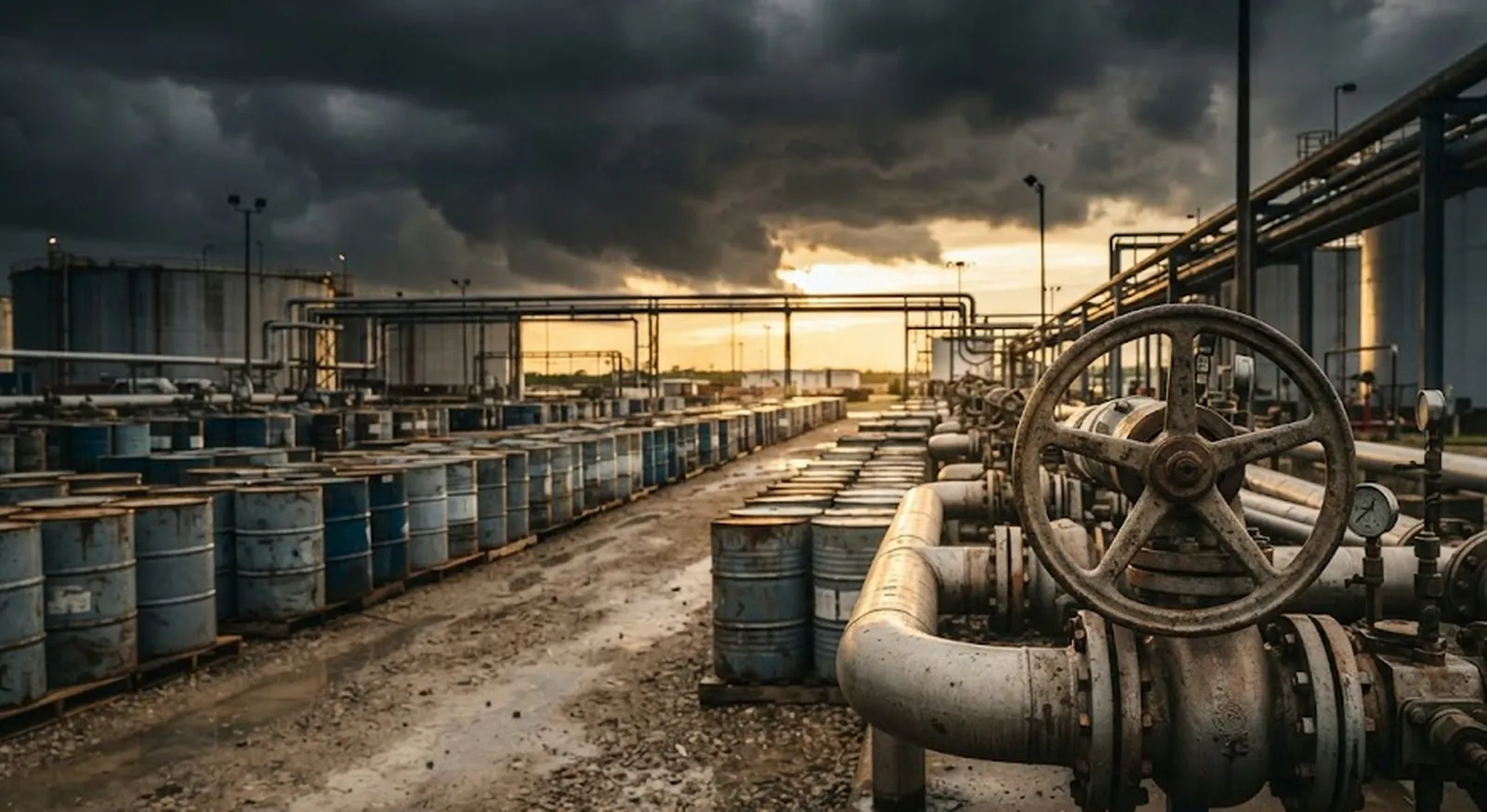
Washington is preparing a new sanctions package, but this time the target isn't Russian companies - it's everyone who buys Russian oil and gas. The new version of the law would give Trump the power to impose tariffs of up to 100 percent on the biggest importers of Russian energy. In other words: it's not the seller being attacked, it's the buyer being scared.
The heaviest pressure falls on China and India, the two largest customers for Russian oil. But the list goes further and hits closer to home. For oil, Slovakia, Hungary and Azerbaijan are named. For gas - France, Japan, Hungary and Belgium. This is no longer a tale about distant superpowers, but about states that are our neighbours or partners in Europe.
The mechanism also has an escape valve. Countries where Russian gas is below 15 percent of total imports, and which show they are gradually cutting their dependence, could get an exemption. Trump, for his part, keeps the right to delay or cancel the penalties if he decides it's in America's interest. So the law is both a hammer and a form of blackmail at once - it depends on whom it's applied to, and when.
The package doesn't end with tariffs. It also covers Russian officials, financial institutions, energy projects and the so-called "shadow fleet" - the ships that carry Russian raw materials while dodging Western restrictions. The goal is to cut off the Russian economy's breathing exactly where it hurts most: revenue from exports.
The idea behind the law was led by senators Lindsey Graham and Richard Blumenthal. After Graham's death, colleagues revived the proposal with 26 signatories, but lowered the original penalty from 500 to 100 percent tariff - to gather broader political support. Another example of how even the sharpest threats are cut to fit how many votes can be scraped together.
Washington's strategy is clear: instead of chasing individual firms, it wants to scatter Russia's biggest buyers and force Moscow to sell at a worse price or cut production. The logic is cold, but effective. The question that remains for Europe - and for the Balkans, still heating on someone else's gas - is simple: when the big players start trampling over who's allowed to buy, who ends up paying the higher bill at the counter?
The latest 10 news from this category
Trump scaled back the military exercises to ease the tension, and Wonsan answered in the form of projectiles. What does...

The sanctions list got a seven-day extension instead of one measured in months, a move diplomats themselves call unprecedented. Two...
Switzerland offered a table for talks on Ukraine, Moscow replied that the table stopped being neutral once Bern adopted EU...
The will says one thing, a committee of twenty-one men decided another. The queen mother says the army pulled the...
A country that was Europe's byword for stability for decades now has a parliament split into two blocs by a...
Sixteen years in power, defeat at a regular election, five months of quiet - and now the election result is...

When an institution with a legal department and a palace apparatus has to publish a list of its verified accounts,...
Nobody said they do not trust Washington. Everyone is behaving as though they do not - gold, weapons, the cloud...
The warning reached the president three years before 9/11. The problem was not a lack of information, but that nobody...

In 1976 tradition demanded the future king choose a bride with no past. Thirty years later that same king married...
This site uses cookies - is that okay? Learn more
Be the first to know when Metla launches something new
Leave your email and we will write when there is a new guide or something new on Metla.
