
Sixteen Arrests in Twenty-Four Hours, All for Drugs: The Police Are Working - But Where Are All These People Coming From?
20.09.2026


20.09.2026

20.09.2026

20.09.2026

20.09.2026

20.09.2026

20.09.2026

20.09.2026

20.09.2026

20.09.2026

20.09.2026

20.09.2026

19.09.2026
20.09.2026

20.09.2026

20.09.2026

20.09.2026
19.09.2026

18.09.2026

20.09.2026

20.09.2026

20.09.2026

20.09.2026

20.09.2026

20.09.2026

09.03.2026

27.02.2026

19.02.2026

20.09.2026

19.09.2026

18.09.2026

23.04.2026

23.04.2026

12.04.2026

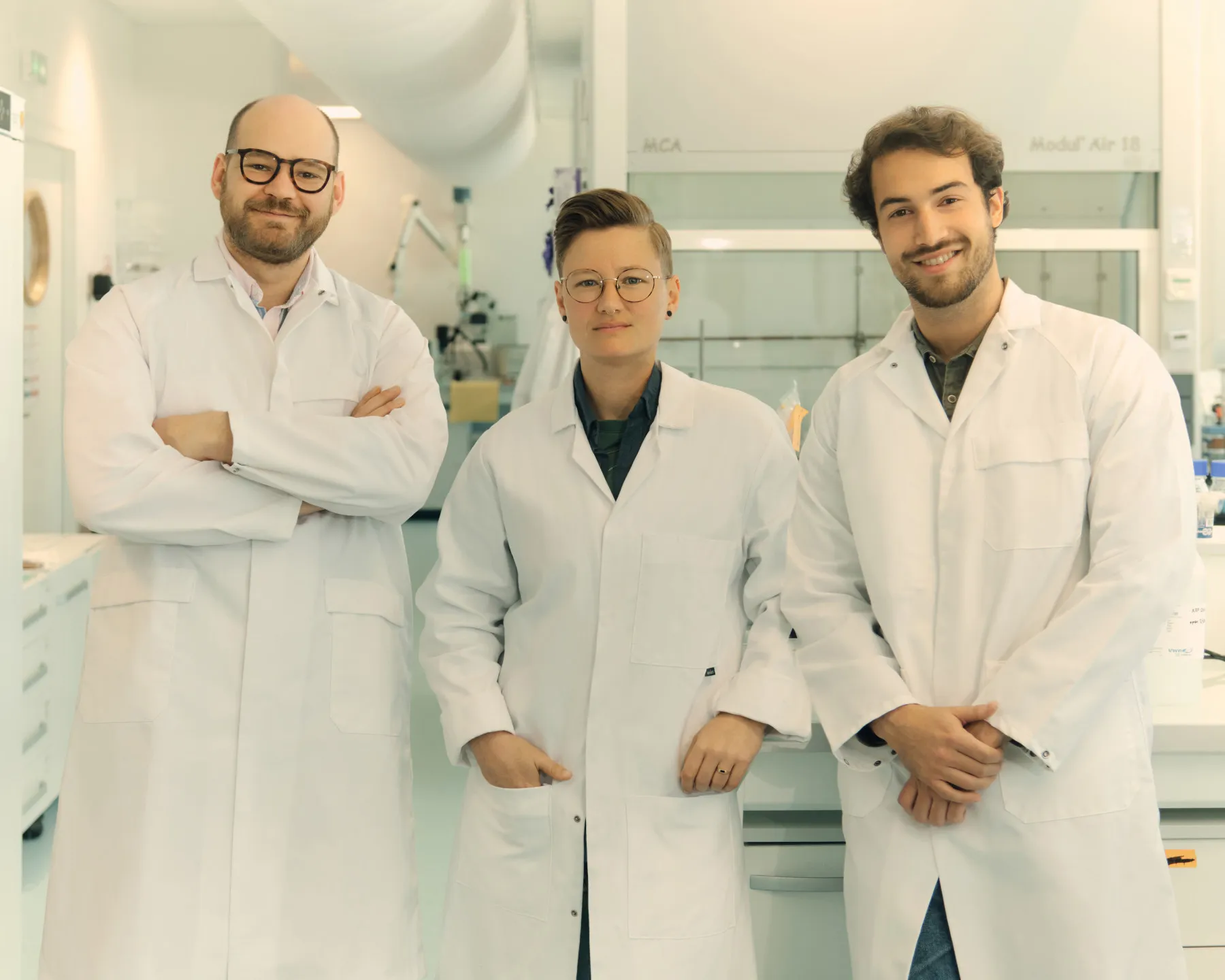
The sportswear company Lululemon has come in as an investor in a 30-million-dollar (around 27 million euros) funding round for the French startup Syntetica. The startup's idea is to recycle nylon - a material the industry doesn't want to abandon, but which is very hard to reuse.
The problem is technical. Nylon comes in two forms that, when textile waste is collected from consumers, can't easily be separated from each other. Syntetica claims it can recycle both. Instead of a finished material, the process produces pellets - a raw material that others then turn into yarn. With the tonnes of clothing that end up in landfills every year, the story sounds good. But behind it lies a different calculation.
What works in favour of these startups isn't environmental awareness, but the price. Over the last six months, the turbulence in the oil industry has meant the price of nylon is renegotiated almost weekly. „It was a wake-up call for a lot of brands that relied on oil-derived nylon for the price and the comfort, and today are watching huge tremors in their system," says Syntetica's chief executive, Marco Bertone.
Bertone is careful not to sell this as an ecological mission. „We're building the company with the clarity that there's no green premium. If you want to bring real solutions for a sustainable world to market, they have to be price-competitive and easily scalable," he says. In other words - the brands aren't coming in because they care about the planet, but because the old bill no longer pays off.
Besides Lululemon, the partners also include Victoria's Secret and Etam, and behind the round stood a big clothing manufacturer too, MAS Holdings. It's unusual for a supplier from the chain to invest in a player that hasn't yet proved itself at large scale. Before this round, the startup had already struck a partnership with Michelin's research centre to build a demonstration plant in the French city of Clermont-Ferrand.
There's a Balkan-adjacent footnote worth noting too. Among Syntetica's advisers is Peter Carlsson, co-founder of the collapsed Swedish battery company Northvolt - a firm that was meant to be Europe's answer to the Asian manufacturers, and ended in bankruptcy. The startup's chief technology officer comes from there too. Europe wants to build industrial independence from fossil fuels, but the losses from the earlier attempts are still fresh. Will this time be any different?
The startup, of course, isn't alone on the field. It has competitors that use enzymes to „eat" the plastics, and there's also the chemical giant BASF with its own recycled nylon. Bertone himself says he hopes everyone grows: „If everyone expands to dozens of factories, we still won't solve the problem. Everyone has to succeed for us to succeed as a society." A nice sentence - but it remains to be seen whether the market rewards cooperation or swallows the smaller players.
The latest 10 news from this category
Porsche, Alaska Airlines and J.B. Hunt are not buying startups - they are commissioning them. When innovation moves inside the...
Sold for two billion, blocked by the state, bought back by its own investors - and now worth twice as...
An eight-year-old firm that started out mining crypto has tripled its value in ten months. It did not discover anything...
The price of uranium has jumped 75 percent in five years, and the list of countries that mine it reads...
Exein raised 270 million dollars and its valuation jumped thirtyfold in two years. The European regulation coming into force in...
A startup valued at 94 million dollars changed hands, and both sides said openly what was being bought - not...
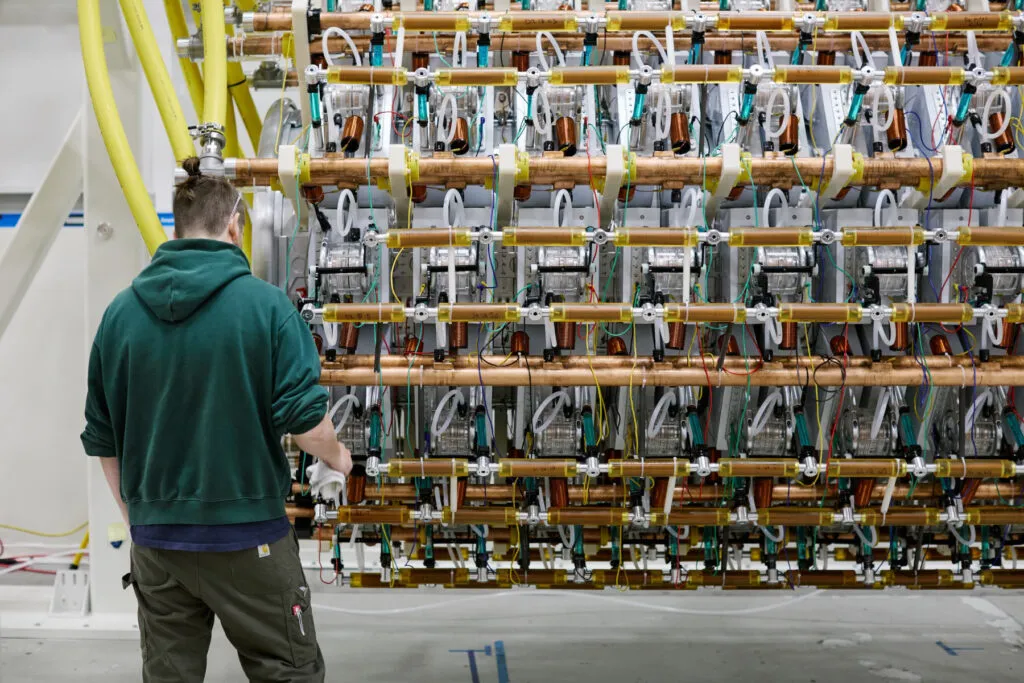
A technology sold for decades as the answer to the climate is now taking money from the defence industry. The...
The board voted, the founder kicked the administrators out of Slack and held out for three days. What does a...

Three months ago the company raised 60 million. Now it is worth almost ten times that, and its product is...

After Ohridska Banka, Sparkasse has gone after a second one. The approvals come from Podgorica, Belgrade and Frankfurt. The market...
This site uses cookies - is that okay? Learn more
Be the first to know when Metla launches something new
Leave your email and we will write when there is a new guide or something new on Metla.