
Sixteen Arrests in Twenty-Four Hours, All for Drugs: The Police Are Working - But Where Are All These People Coming From?
20.09.2026


20.09.2026

20.09.2026

20.09.2026

20.09.2026

20.09.2026

20.09.2026

20.09.2026

20.09.2026

20.09.2026

20.09.2026

20.09.2026

19.09.2026

20.09.2026

20.09.2026

20.09.2026

20.09.2026

19.09.2026

18.09.2026

20.09.2026

20.09.2026

20.09.2026

20.09.2026

20.09.2026

20.09.2026

09.03.2026

27.02.2026

19.02.2026

20.09.2026

19.09.2026

18.09.2026

23.04.2026

23.04.2026

12.04.2026


Hinge founder Justin McLeod has raised 18 million dollars (about 16.5 million euros) for a new dating company called Overtone. The story would be routine - another startup, another round - if it weren't for one detail: the money partly comes from Match Group, the owner of Hinge, Tinder and OkCupid. The very corporation McLeod is leaving as CEO last year is now funding his new venture. Investing alongside it are FirstMark Capital and Pace Capital.
Overtone describes itself as a voice- and audio-focused service, powered by artificial intelligence, that offers „highly curated" matches. McLeod is categorical: „Overtone is not a dating app" in the usual sense. No endless swiping left and right, no algorithmic feeds that keep you glued to the screen. Instead, an AI that will „get to know every person deeply" through their voice and „make only those matches that are worth it".
Sounds nice. It sounded nice the last time too. The dating industry lives off dissatisfaction - a 2024 Forbes Health study found that 78 percent of users of these apps feel exhausted, even though they spend around 51 minutes a day on them without finding a real connection. In other words, the platforms keep people inside precisely because they don't work. And now the same players are promising us that artificial intelligence will solve the loneliness they've been monetizing for years.
McLeod, at least, isn't taking the easiest path. The idea isn't for AI to converse instead of you, but to find real people - unlike similar services Ditto and Date Drop, which also throw algorithms at the problem. Overtone's board includes names with weight: therapist Esther Perel, Match CEO Spencer Rascoff, and adviser Diana Chapman.
The service will launch later in 2026, in select locations. Until then, the old question that no funding round answers remains: does a machine that learns from your voice really want to introduce you to someone - or does it just want to keep you around long enough to justify the next valuation?
The latest 10 news from this category
Porsche, Alaska Airlines and J.B. Hunt are not buying startups - they are commissioning them. When innovation moves inside the...

Sold for two billion, blocked by the state, bought back by its own investors - and now worth twice as...

An eight-year-old firm that started out mining crypto has tripled its value in ten months. It did not discover anything...

The price of uranium has jumped 75 percent in five years, and the list of countries that mine it reads...
Exein raised 270 million dollars and its valuation jumped thirtyfold in two years. The European regulation coming into force in...
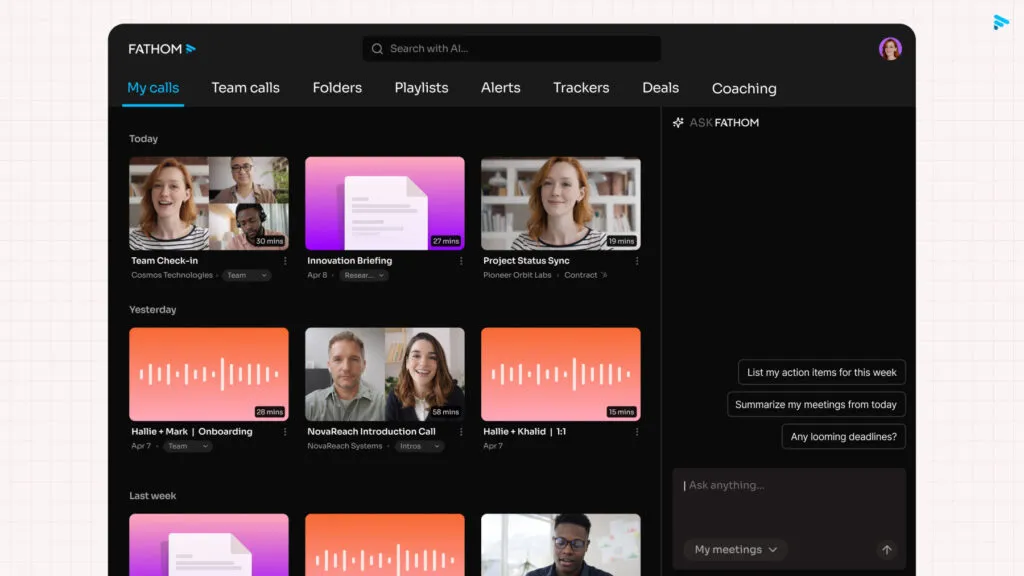
A startup valued at 94 million dollars changed hands, and both sides said openly what was being bought - not...
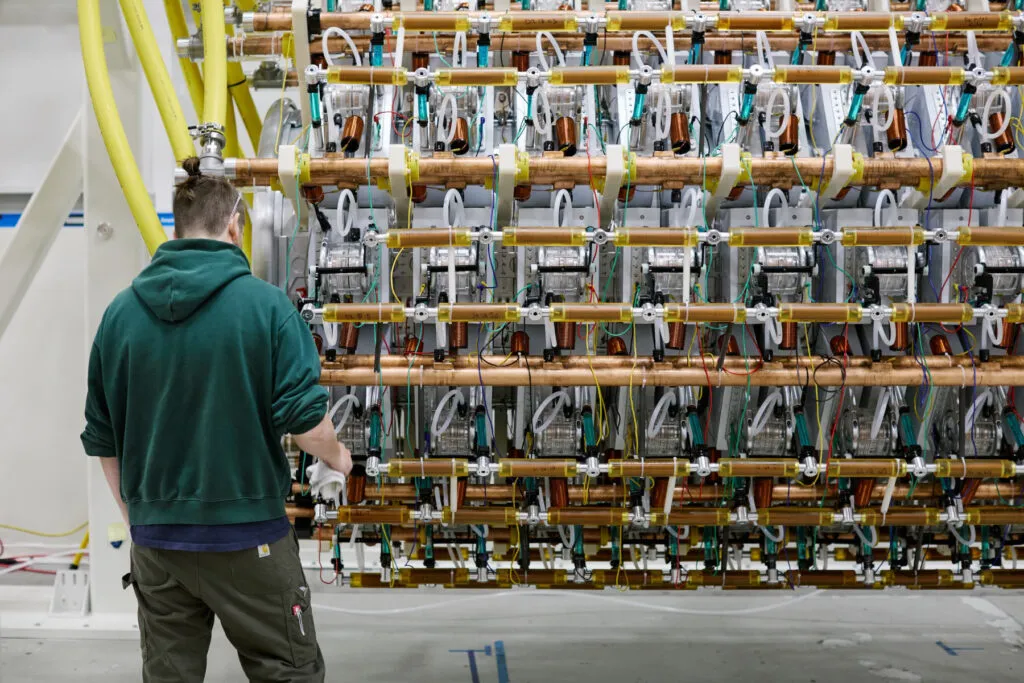
A technology sold for decades as the answer to the climate is now taking money from the defence industry. The...

The board voted, the founder kicked the administrators out of Slack and held out for three days. What does a...

Three months ago the company raised 60 million. Now it is worth almost ten times that, and its product is...

After Ohridska Banka, Sparkasse has gone after a second one. The approvals come from Podgorica, Belgrade and Frankfurt. The market...
This site uses cookies - is that okay? Learn more
Be the first to know when Metla launches something new
Leave your email and we will write when there is a new guide or something new on Metla.