Two Fathers Arrested the Same Night for Attacking Their Own Sons: What Happens in Those Houses Tomorrow?
06.08.2026


06.08.2026
06.08.2026
06.08.2026
06.08.2026
05.08.2026
04.08.2026

06.08.2026

06.08.2026

05.08.2026

06.08.2026

05.08.2026

04.08.2026

06.08.2026

06.08.2026

06.08.2026
06.08.2026
06.08.2026

06.08.2026

09.03.2026

27.02.2026

19.02.2026

06.08.2026
05.08.2026
04.08.2026

23.04.2026

23.04.2026

12.04.2026
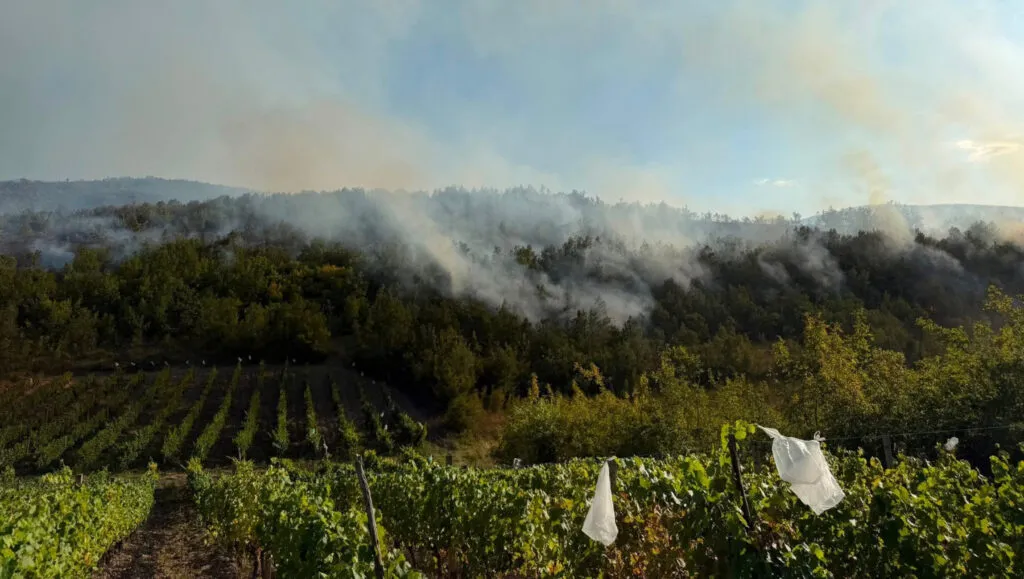
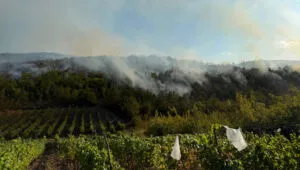
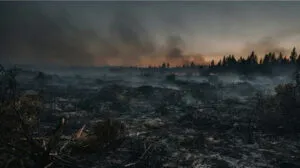
Fourteen fires in one day. That is the figure the Crisis Management Centre reported by 6pm - one still active, two brought under control, eleven extinguished. The fire near the village of Greshnica in the Makedonski Brod municipality, at the Stojanova Naselba site, is burning low vegetation, degraded forest and scrub.
Look at the list of locations and you will see something more than a weather forecast. Gorna Leshnica near Zhelino. The Gjonovichki bridge in Gostivar. Between Zrnovci and Leski. Logovardi near Bitola. Teke in Prilep. Zhitoshe in Dolneni. Between Slupchane and Vaksince. Talashmance in Kratovo. The town cemetery in Negotino. Drenovo near Kavadarci. And Skupi Street - in the Karposh municipality of Skopje.
Eleven municipalities in one day, from Polog to Ovche Pole. This is not a local incident, this is a condition.
What was actually burning
The Crisis Management Centre listed what burned: dry grass, stubble, scrub, low vegetation, illegal landfills, straw and assorted rubbish. A landfill in Delchevo. A dump. Waste.
Notice how many of these fires did not start in a forest, but in places where somebody threw something away or set it alight. An illegal landfill does not create itself. Stubble does not catch fire from sunlight - it is a practice, old and familiar, repeated every summer by someone because there is nobody to stop them.
The Centre's appeal is that citizens should be careful during high temperatures and should not burn waste or dry vegetation. The appeal is correct. The appeal is also this year's, and last year's, and the one from the year before. The question that comes with it every time is whether anyone is ever held responsible when the appeal is ignored, or whether we only ever count ourselves in extinguished fires.
The government declared a thirty-day state of crisis across the whole territory because of the elevated fire risk. That is an admission that the situation exceeds the routine. It is also an obligation - a state of crisis means resources, coordination and accountability, not just a headline.
Firefighters went out fourteen times in one day and put out eleven fires before they could spread. That is their part of the job, and they did it. The rest of it - the part that happens before the first flame licks up - belongs to somebody else, and it stays undone.
The latest 10 news from this category
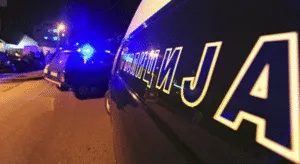
One is 54, the other 55. Less than five hours separate the two emergency calls. An arrest is a pause,...
Four months, one impound lot, one pattern nobody noticed. He pocketed 12,700 denars, but the damage is almost seven times...
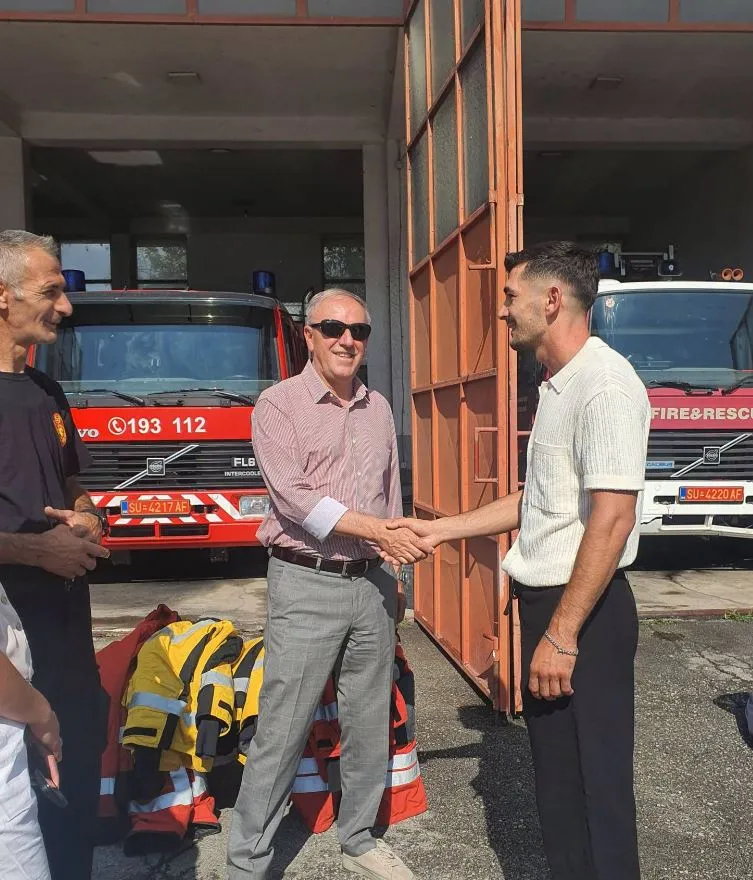
Qendrim Kala is a volunteer firefighter in Urdorf. He bought kit for an entire shift in his home town. A...
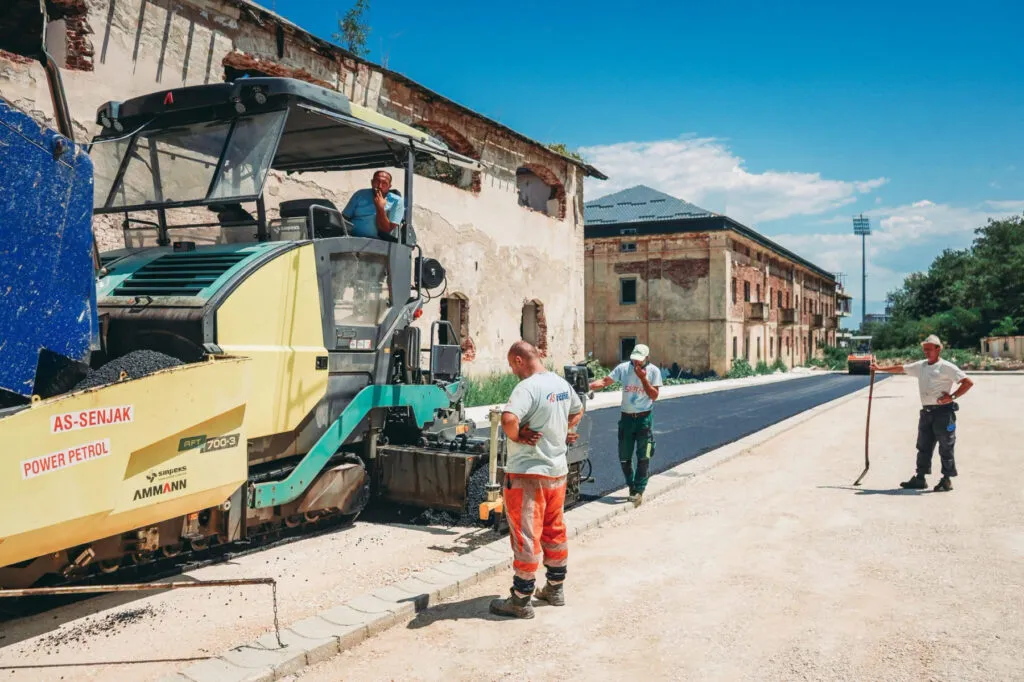
Around 4,036 denars per square metre, roadway, drainage and lighting included. The question that matters is not asked on the...
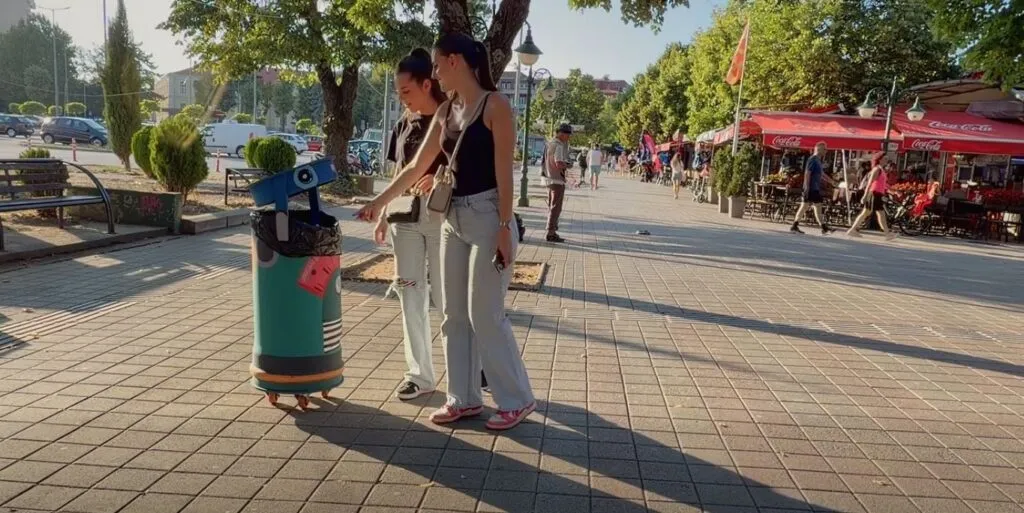
Infrastructure gets funded from the budget, ideas arrive from abroad. The most expensive part of cleanliness is not the equipment,...
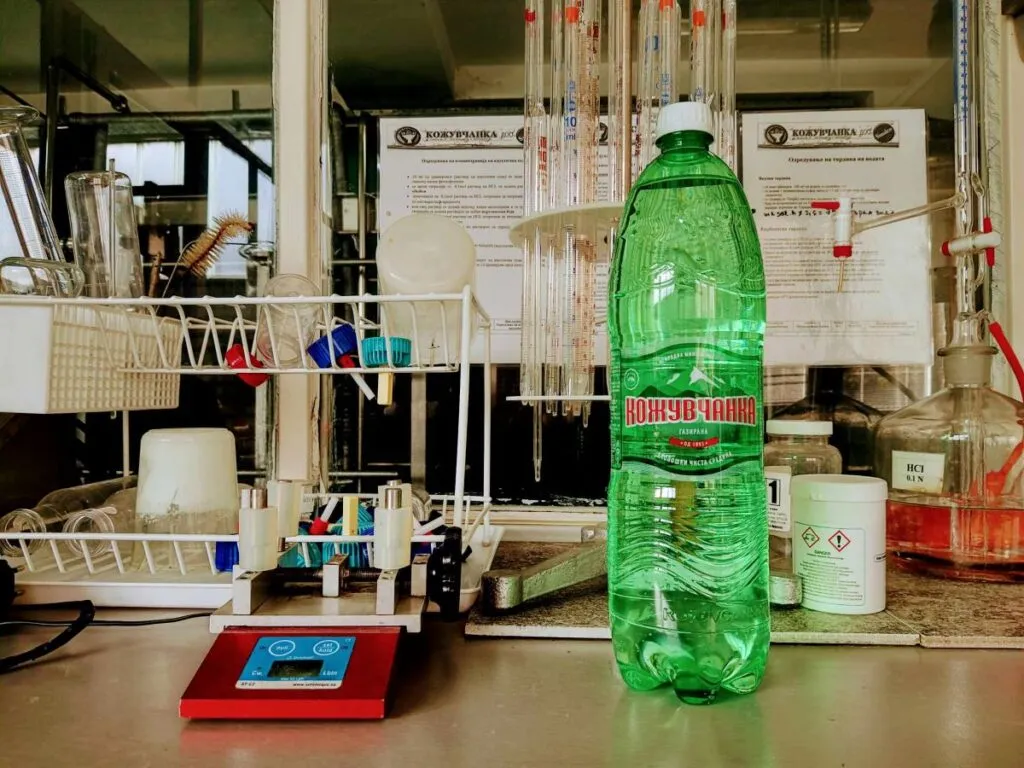
The opposition says no public notice. The government says a tender. The company says it is a donation. Solidarity is...
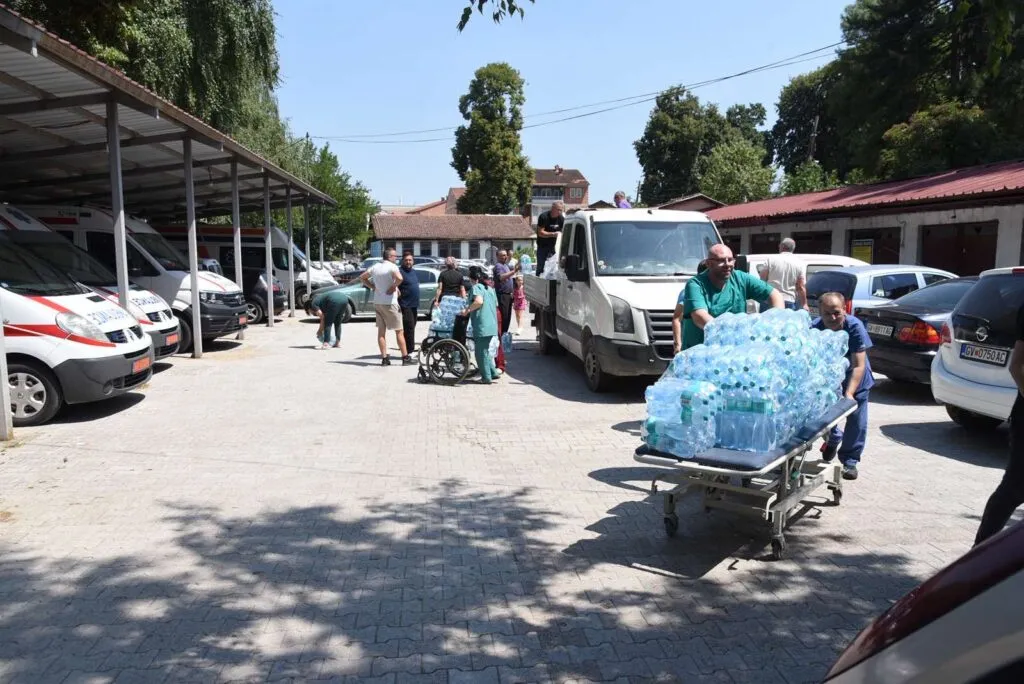
Fourteen days without drinking water, and in Ciglana 100 people have had not a drop for over twenty days. They...

Plenty of cardiologists and plastic surgeons, hardly any pathologists or anaesthetists. Two thousand people vanished from public healthcare; nine hundred...
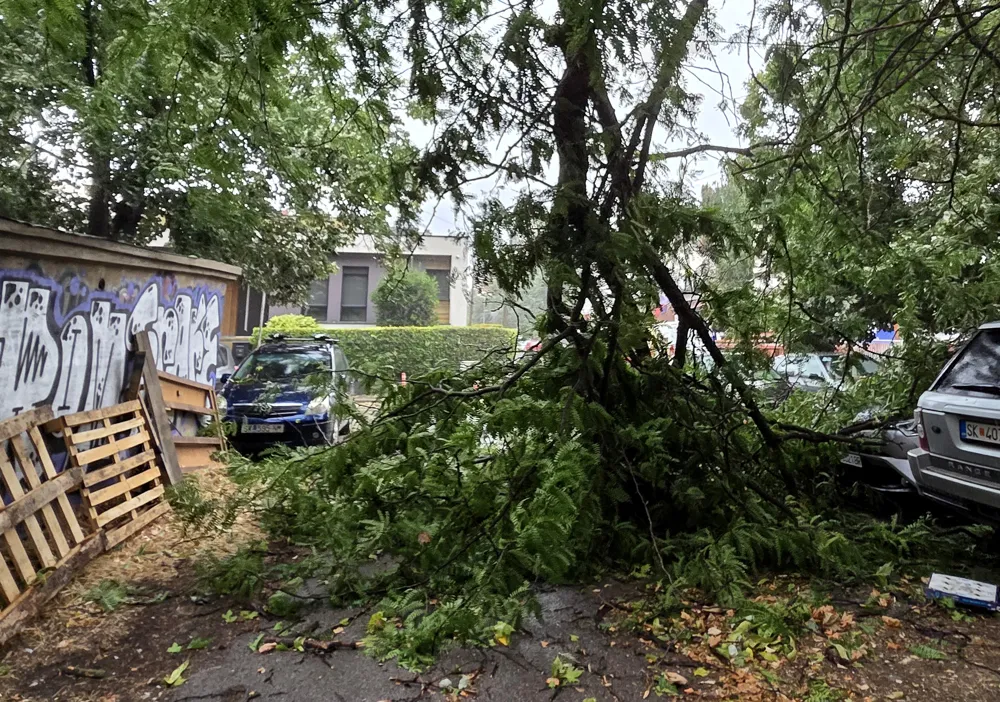
Two weeks after a storm brought down 200 trees, piles of logs sit untouched. The report says one number, the...
Repairing a level crossing is not an emergency intervention, it is planned work. The date was known for longer than...
This site uses cookies - is that okay? Learn more
Be the first to know when Metla launches something new
Leave your email and we will write when there is a new guide or something new on Metla.