
The "Lottery" Trial: 231 Pieces of Evidence, and So Far Not a Single Message Between Grubi and Bajrami
24.09.2026


24.09.2026
24.09.2026

24.09.2026

24.09.2026

24.09.2026

24.09.2026

24.09.2026

23.09.2026

22.09.2026

24.09.2026

24.09.2026

23.09.2026

24.09.2026

24.09.2026

24.09.2026

24.09.2026

23.09.2026

22.09.2026

24.09.2026

24.09.2026

24.09.2026

24.09.2026

23.09.2026

23.09.2026

09.03.2026

27.02.2026

19.02.2026
24.09.2026
23.09.2026

22.09.2026

23.04.2026

23.04.2026

12.04.2026

During July the crews of the Skopje public utility Komunalna Higiena collected and transported 15,735 tonnes of mixed municipal waste from households across the city. They also removed 2,360 cubic metres of improperly dumped bulky and construction waste.
The largest volume of waste from public and traffic surfaces - 255 cubic metres - was collected in the Kisela Voda municipality. The eco-patrol issued 11 educational and informational notices to citizens and legal entities caught breaching the Public Cleanliness Act.
Eleven notices in a month, in a city of half a million people. That is a number that writes its own commentary.
What is still lying on the pavements
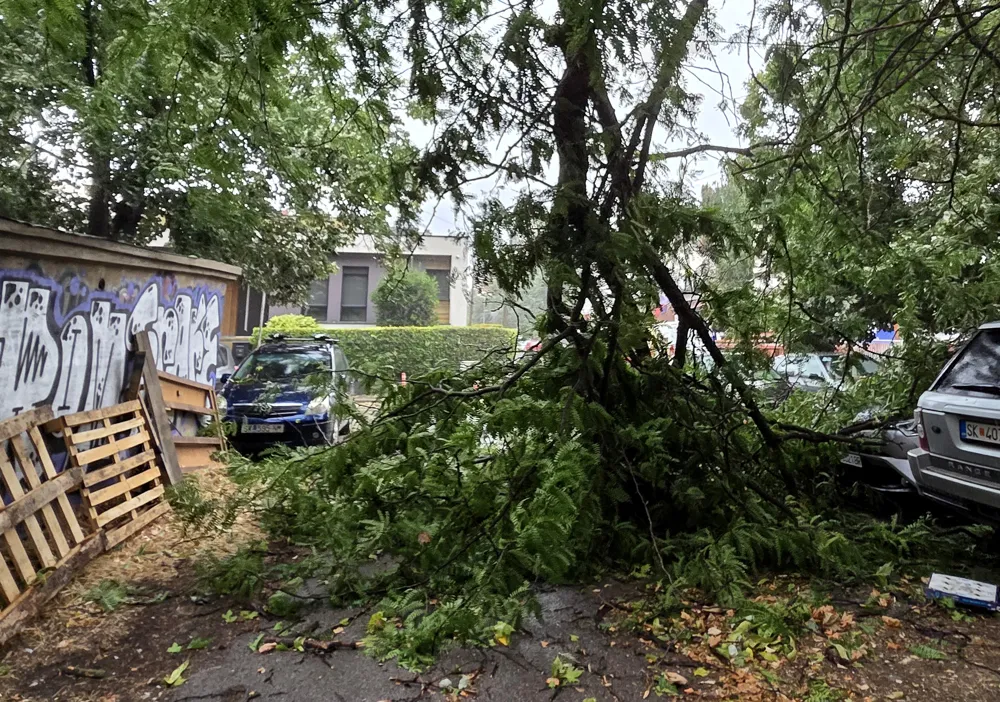
The statement says organic waste that fell on public and traffic surfaces after the storm that hit Skopje on 21 July was also removed. That sentence is accurate, but incomplete.
Two weeks have passed since the storm. In fifteen minutes around 200 trees came down in the capital, according to official figures. Most of them have been pushed onto the pavements or the green strips beside them. Some have been cut back from their branches. Piles of branches, shrubs and logs have been sitting untouched since 21 July.
No public utility in the city, nor those under municipal authority, has enough machinery to lift and remove that many trees. That is a real fact and it is nobody's personal fault.
But acknowledging that fact ought to lead somewhere. Two weeks after a storm considered the strongest in years, someone in Skopje still walks past the same pile of branches on their way to work.
The calculation nobody made
The 15,735-tonne figure is a number for a normal July. The obvious question is how large it would have been had the storm debris been collected too - and what that says about the system's capacity.
Komunalna Higiena does its part. Parks and Greenery does its part. So do the municipalities. Everyone has their part, and in the end the tree lies on the pavement because somebody's part ended exactly where somebody else's was supposed to begin.
That is what the city sees every day and what the reports do not record. The report says 15,735 tonnes. The street says the branches are still there.
The latest 10 news from this category
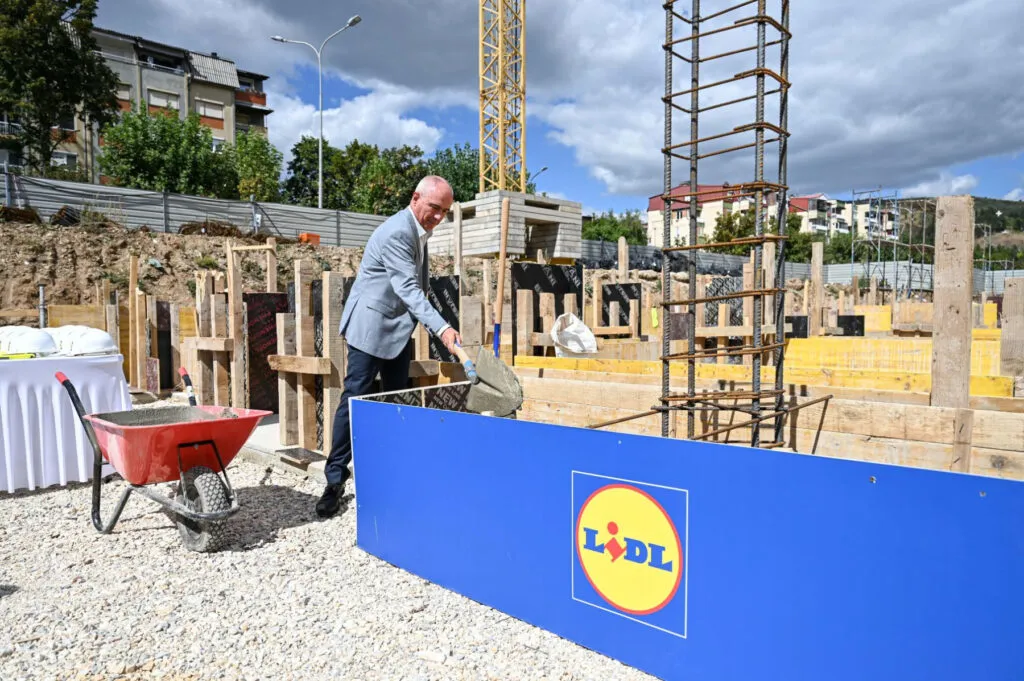
The square metres and parking spaces were announced down to the last one. How many people will be hired and...

The mayors offered a "favourable business climate" and raw materials. The only concrete thing to come out of the meetings...

Home-address checks are being announced with the police as a partner, while the health minister admits that monitoring where sick...
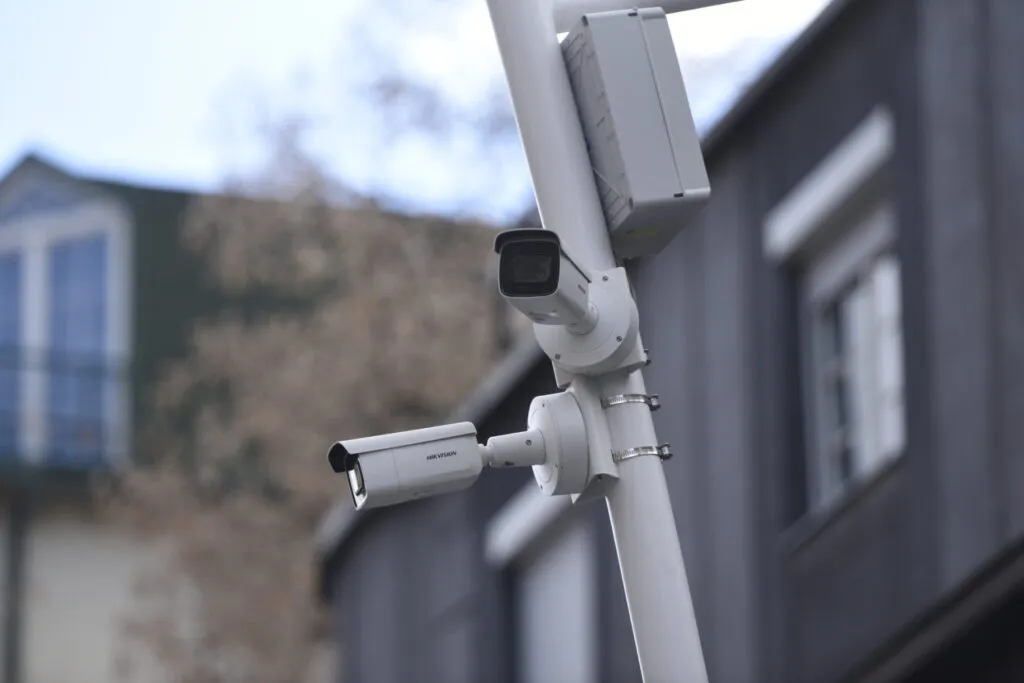
The city has announced round-the-clock video surveillance against illegal dumps and vandals, and the cameras haven't even been bought yet....
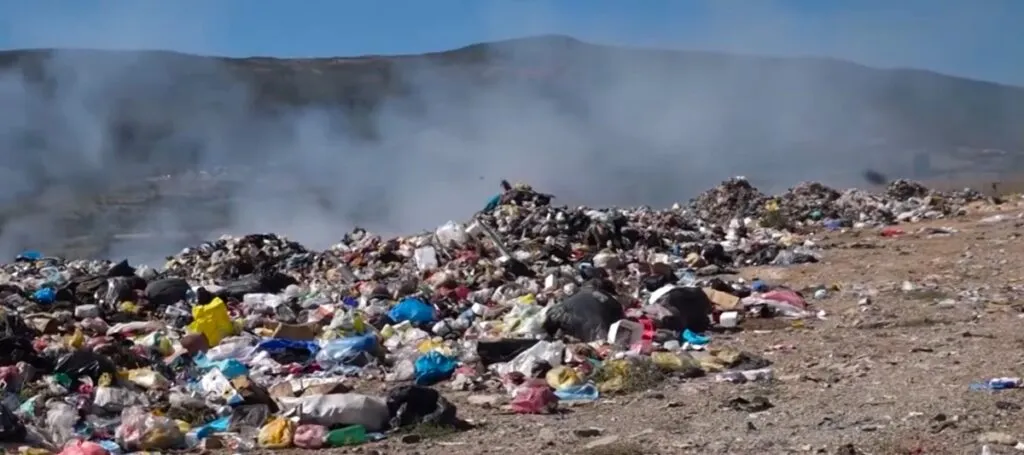
Residents want the trucks serviced; the company wants better packaging. Meanwhile, 650 cubic metres of illegal dumps were cleared in...
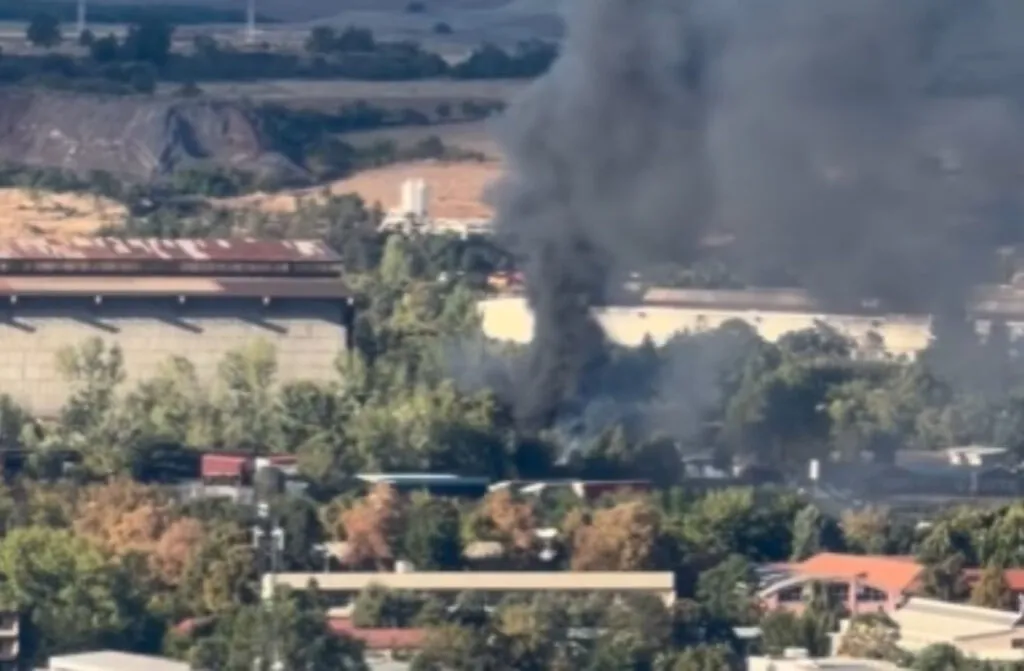
According to the Crisis Management Center, a paint and varnish warehouse was on fire. That explains why the smoke was...
The union says staff have endured insults and threats from the court president for years. She says this is really...
The state audit found a system that responds well and plans badly. The reforms were demanded by the EU screening...
To fine a bar that is too loud, a citizen has to file a complaint at the municipal Registry. The...
In Montenegro the same offence costs up to 2,000 euros. But the fine is not the only problem: Skopje's municipal...
This site uses cookies - is that okay? Learn more
Be the first to know when Metla launches something new
Leave your email and we will write when there is a new guide or something new on Metla.