
Sixteen Arrests in Twenty-Four Hours, All for Drugs: The Police Are Working - But Where Are All These People Coming From?
20.09.2026


20.09.2026

20.09.2026
20.09.2026
20.09.2026
20.09.2026

20.09.2026

20.09.2026
20.09.2026

20.09.2026

20.09.2026

20.09.2026

19.09.2026

20.09.2026

20.09.2026

20.09.2026

20.09.2026
19.09.2026
18.09.2026

20.09.2026

20.09.2026

20.09.2026
20.09.2026

20.09.2026

20.09.2026

09.03.2026

27.02.2026

19.02.2026
20.09.2026

19.09.2026

18.09.2026

23.04.2026

23.04.2026

12.04.2026

Macondo does not exist. That is the first thing to know before setting off on its trail, and it is precisely why travelling through Colombia in the footsteps of One Hundred Years of Solitude works better than most literary tours. You are not looking for an address. You are looking for the landscape a book was born from.
The occasion is the series' second season, whose first seven episodes came out on 5 August, with the finale scheduled for 26 August. The story has moved into the last generations of the Buendia family, and the town itself changes with it. The Macondo we see was built from scratch in the Tolima department, near the municipality of Alvarado, across around 17,000 square metres with more than a hundred separate structures.
The set was conceived as a living organism. The streets, houses and shops change as the decades pass, from mud and reed construction towards colonial and republican styles, following the town's rise and decay. On some facades the names are a tribute to Gabriel Garcia Marquez's relatives. The set is not open to visitors, but Alvarado, 28 kilometres from Ibague, has meanwhile become a place fans travel to as if on pilgrimage.
The real beginning, though, is not there.
If you want to understand Macondo, you set out from Aracataca, around 80 kilometres from Santa Marta. That is where Marquez spent his childhood and where the image he later immortalised began to take shape. The house-museum is a reconstruction of the family home, and through it you recognise characters and events from the novel. All around there are murals, sculptures and references to the work at every step.
Garcia Marquez lived there only until the age of eight. Those first memories were enough for everything he wrote afterwards. The book's influence is such that in 2006 a referendum considered changing the municipality's name to Macondo. The proposal failed, but the idea alone says plenty about the relationship between literature and reality there.
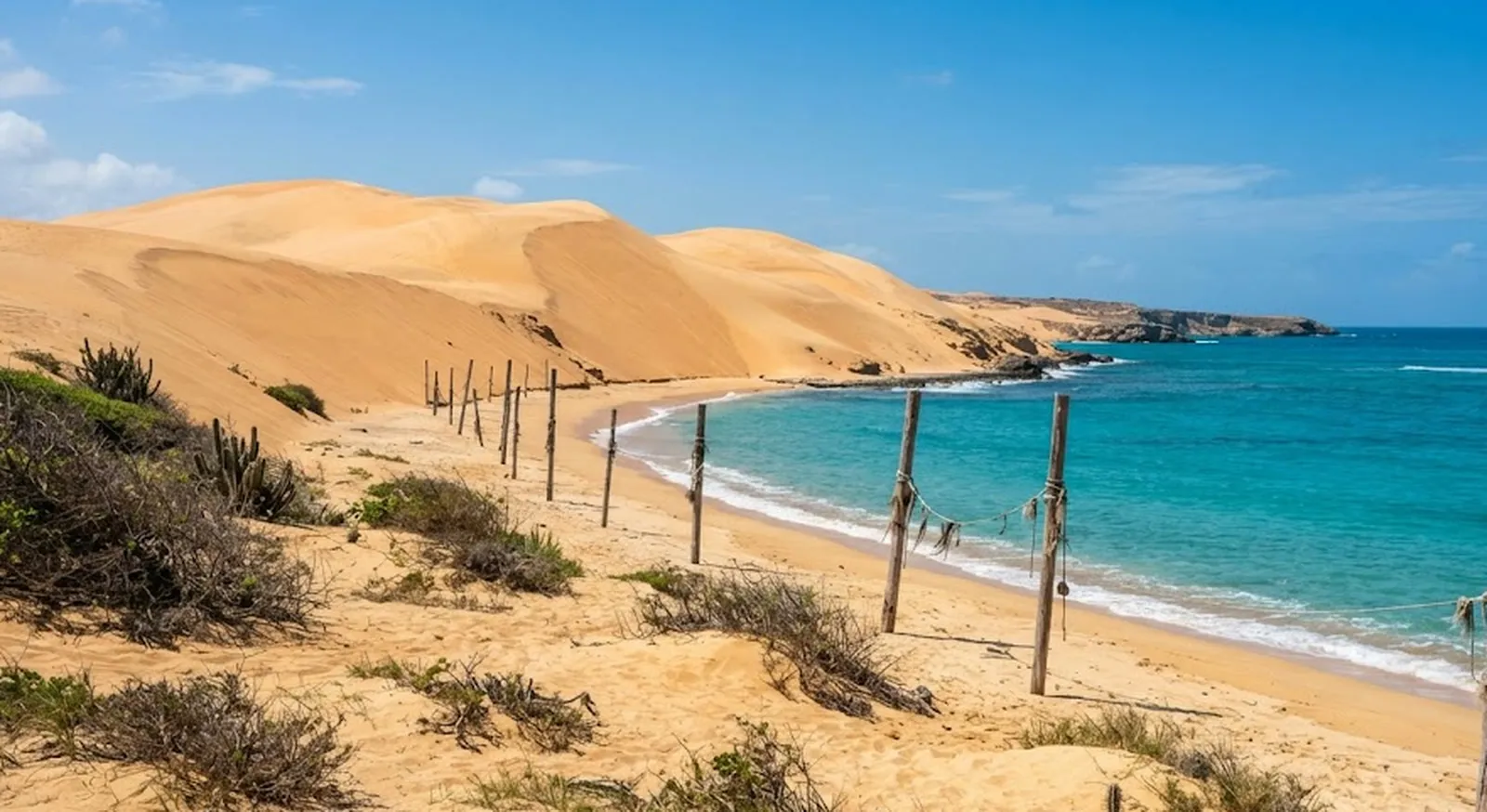
From there the road opens out across the country. In La Guajira there are deserts, dunes and horizons that never end - Cabo de la Vela, the Taroa dunes and the culture of the Wayuu people, one of the symbols of Colombia's Caribbean coast. To the south-west, Cesar and the Perija mountains offer the exact opposite picture: mountains under dense vegetation and the proximity of Valledupar, the capital of vallenato music.
The journey ends in Cundinamarca, with lagoons, waterfalls and forests. Among the most visited points are Lake Guatavita, tied to the legend of El Dorado, and the La Chorrera waterfall, one of the highest in the country. Both are easy day trips from Bogota.
A Macedonian reader who opened the book at seventeen and got lost in the names of four generations of Buendias is unlikely to make it to Aracataca. But there is something familiar in the story of a place the world knows only through what one writer wrote down. The Balkans have plenty of villages we know exclusively from books. The difference is that here nobody has tried to rename them after the novel.
The latest 10 news from this category
Tremezzo, Bellagio, Varenna and the villa where Star Wars and Casino Royale were filmed - all on the same line...
Every airport on the planet copies that model, and almost nobody knows where it started. Around it - cliffs 214...
The royal couple walked yesterday into a pub the village bought back for itself. How many buildings like that sit...

Of twenty-five new inscriptions, five are natural - and only one is in Europe. For the richest of them, the...
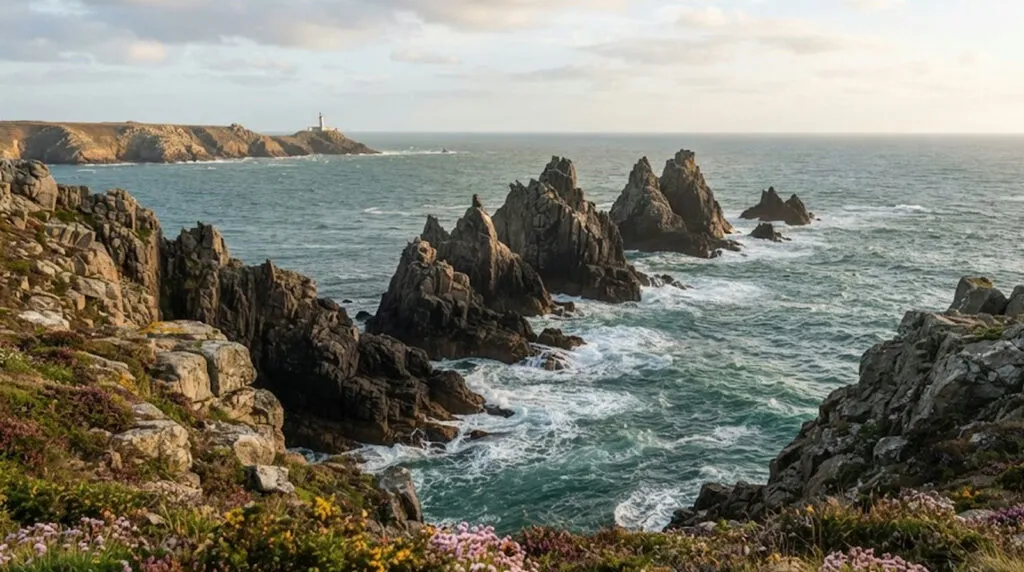
Fifty beaches, more than 120 villages and a trail France voted its favourite. Monet came for a few days and...
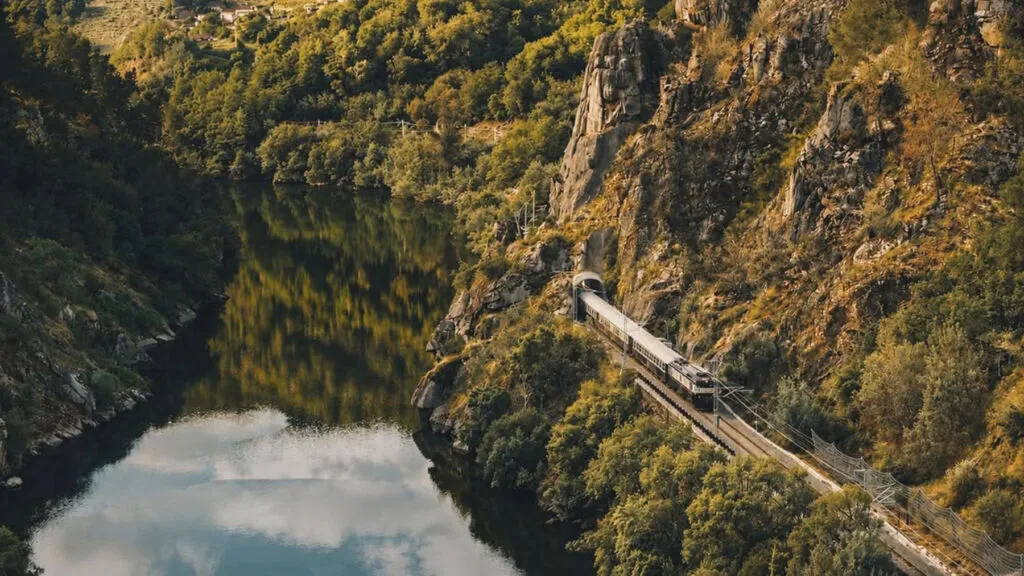
Restored carriages, a locomotive they call the Japanese Woman and a 28.95 euro return ticket. What it sells is not...
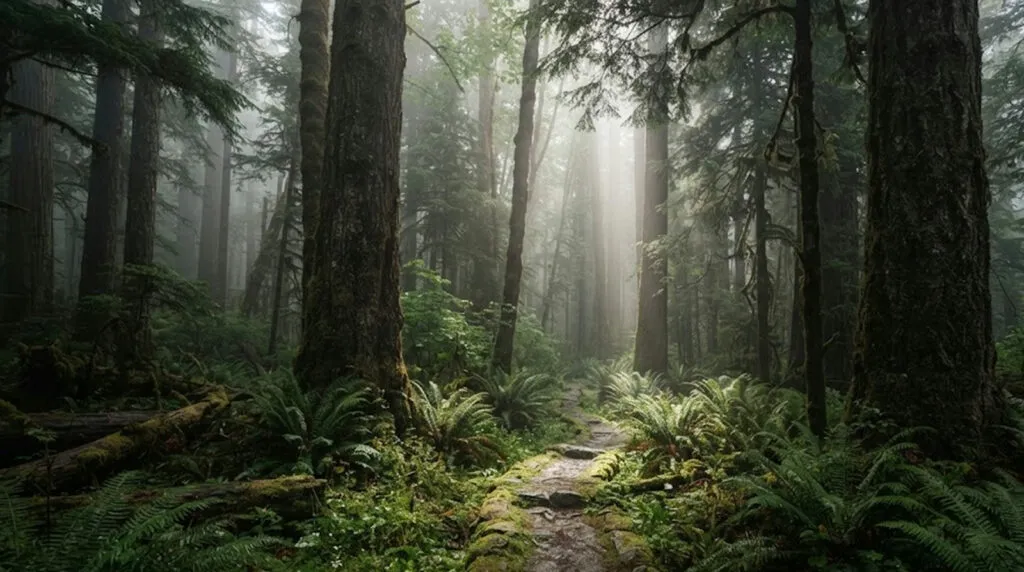
Two hundred and fifty tree species from every corner of the world, a monastery from 1628 and a palace that...
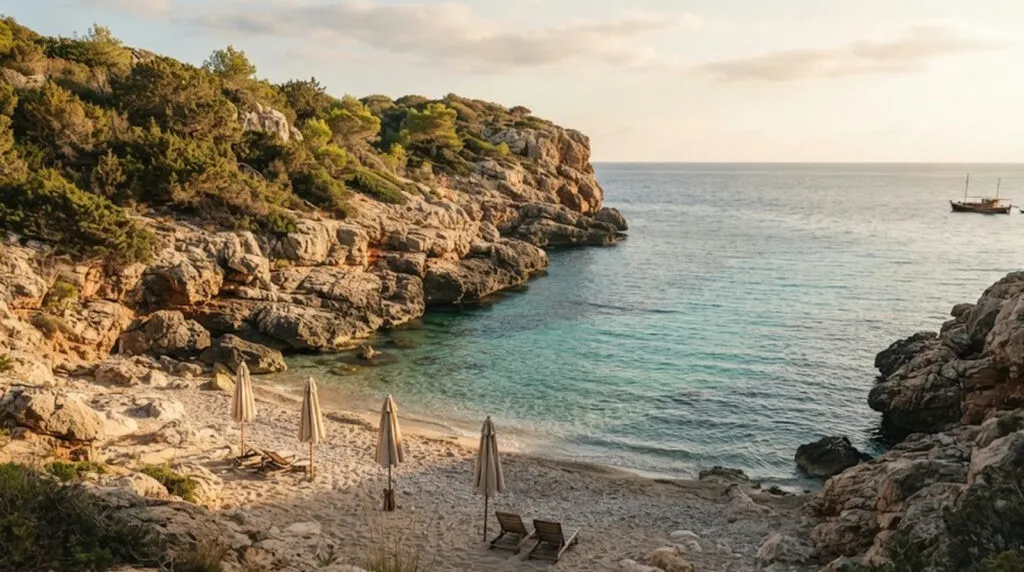
The same places cost more in August, look crowded and are experienced at half strength. The difference is made by...
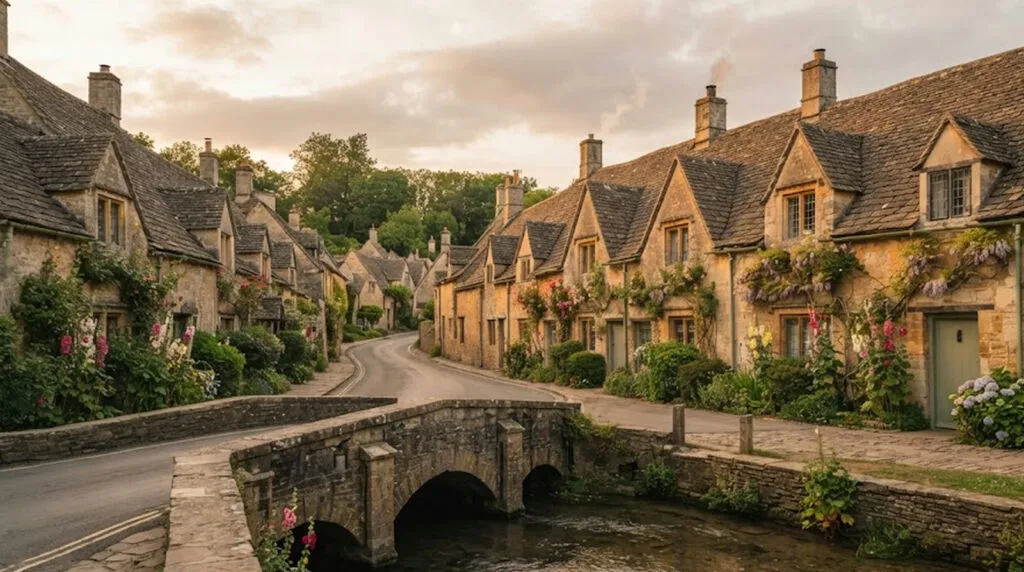
The Beckhams have a place there, so do Kate Moss and Ellen DeGeneres. But the Cotswolds needs none of those...

Down on the coast the buses pass each other with centimetres to spare and all you see is people. Up...
This site uses cookies - is that okay? Learn more
Be the first to know when Metla launches something new
Leave your email and we will write when there is a new guide or something new on Metla.