
Two Fathers Arrested the Same Night for Attacking Their Own Sons: What Happens in Those Houses Tomorrow?
06.08.2026


06.08.2026

06.08.2026

06.08.2026

06.08.2026

05.08.2026

04.08.2026
06.08.2026

06.08.2026

05.08.2026

06.08.2026

05.08.2026

04.08.2026

06.08.2026

06.08.2026

06.08.2026

09.03.2026

27.02.2026

19.02.2026

06.08.2026

05.08.2026

04.08.2026

23.04.2026

23.04.2026

12.04.2026
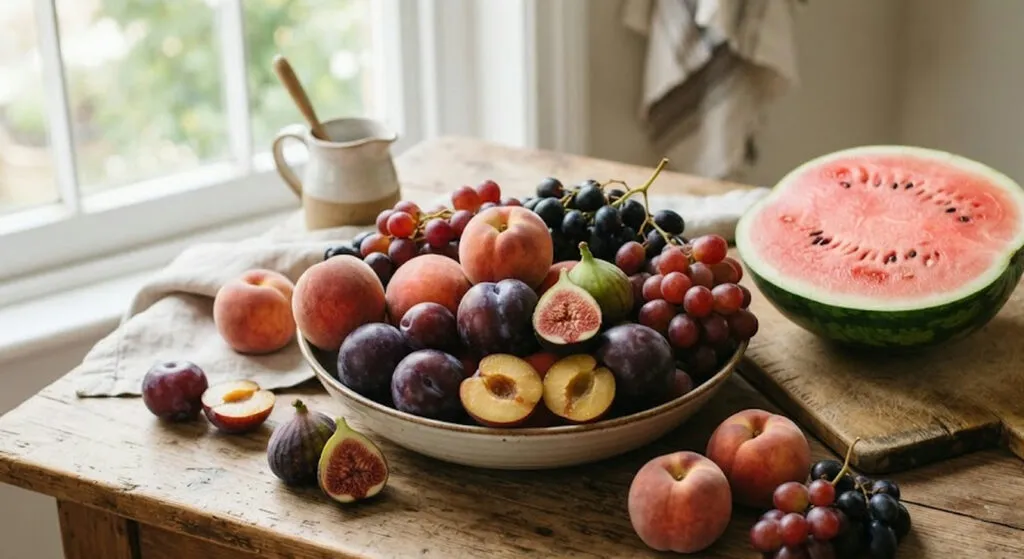
The question sounds heretical after thirty years of being told to eat more fruit: are we overdoing it? A dietitian talking about summer eating says that in her practice the tendency really is for people to eat too much fruit. Not because it is harmful, but because many think that anything healthy has no limit.
Nutritionist Paloma Quintana turns the question on its head, and that is where it gets interesting. Before we start blaming the fruit, she says, we should look at the rest of the plate. "Fruit looks to me like an ideal food, and what matters most is that it is fresh, seasonal and local," she explains. The key is not the number of apples, but what those apples are pushing out.
If fruit is replacing something sweeter, that is a gain. If it is replacing a whole meal, that is a loss.
Swapping breakfast biscuits for yoghurt and fruit is an improvement. Fruit instead of cake after lunch is an improvement. But fruit instead of lunch means you took in neither protein nor healthy fats that day, and that is a different story entirely.
The objection that always comes up is sugar. Fruit does contain natural sugars, but they do not arrive alone. They come with fibre, water, vitamins, minerals and antioxidants, and that completely changes how the body absorbs them. "What fruit gives in micronutrients and vitamins far outweighs those sugars," says Quintana, when talking about healthy, physically active people.
The situation is different for people with diabetes or impaired glucose metabolism. There, even natural sugar calls for more individualised control. That does not mean a ban - fruit stays healthy, but the amount and type are adjusted to the patient and on a doctor's advice.
The most provocative part of the whole conversation is the rule we all know by heart. Five portions of fruit a day, as a general recommendation, does not look accurate to Quintana. First, the original recommendation covers fruit and vegetables together, not fruit alone. Second, many read it as permission to compensate for everything else. "Five portions of fruit a day do not fix the rest of your diet," she says.
And that is the whole point. The question is not how much fruit we eat, but what is still sitting on the table beside it. The answer, as usual, is not hiding in the fruit bowl.
The latest 10 news from this category

Almonds, bread and garlic - a technique from al-Andalus that survived seven centuries. Gazpacho and salmorejo are the younger versions.

At 76, Richard Gere described where he finds happiness. Psychologists have a name for it, a study with a number,...

Cazón en adobo was not invented for pleasure but out of necessity - vinegar was the only refrigerator. The full...

This is not about steps or calories. It is about signalling to the brain that no lion is chasing you...

33 percent almond, 33 percent sugar, 25 percent egg - written into a protected designation. And the cross everyone takes...

Muscle burns energy even while you sleep. How many years were cardio machines and light dumbbells for women sold on...
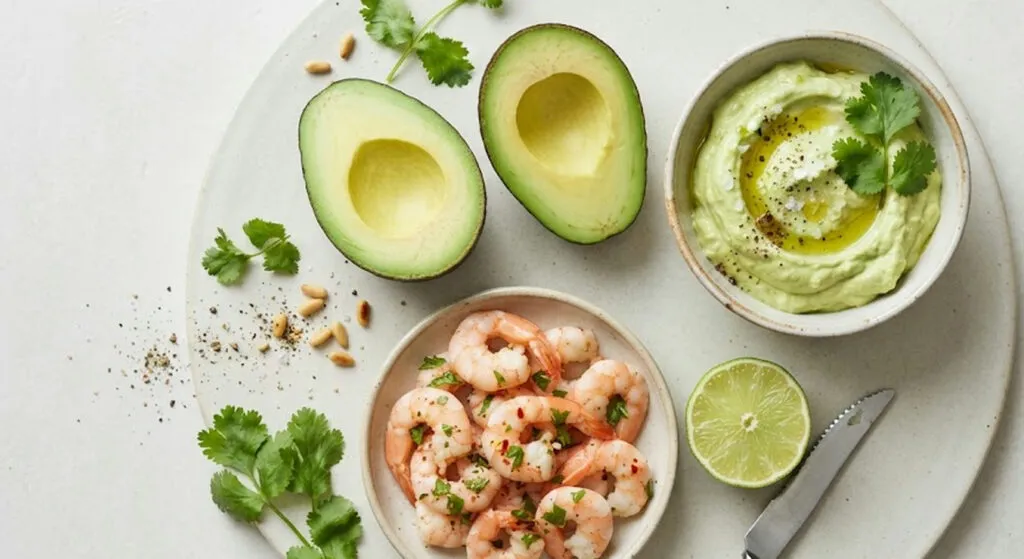
Whipped, it behaves like cream without being cream. A stoned half is a bowl, not a garnish - and none...

Fromm wrote that love is an act of faith. Psychologists say that does not mean blind endurance - and the...

Dani García reduces the whole question to three things - stability, body and acidity. The ingredient almost nobody adds is...

The brain doesn't distinguish familiar from attractive. And who decides what becomes familiar to you - that is no longer...
This site uses cookies - is that okay? Learn more
Be the first to know when Metla launches something new
Leave your email and we will write when there is a new guide or something new on Metla.