
Six Years of Fake Licence Categories Issued From an Interior Ministry Desk: Six Charged, 21 More Under Investigation
21.09.2026


21.09.2026

21.09.2026

21.09.2026

21.09.2026

21.09.2026

21.09.2026

21.09.2026

20.09.2026

20.09.2026

21.09.2026
21.09.2026

20.09.2026

21.09.2026

21.09.2026

21.09.2026

21.09.2026

20.09.2026

19.09.2026

21.09.2026

21.09.2026

21.09.2026

21.09.2026

21.09.2026

21.09.2026

09.03.2026

27.02.2026

19.02.2026

21.09.2026

21.09.2026

20.09.2026

23.04.2026

23.04.2026

12.04.2026

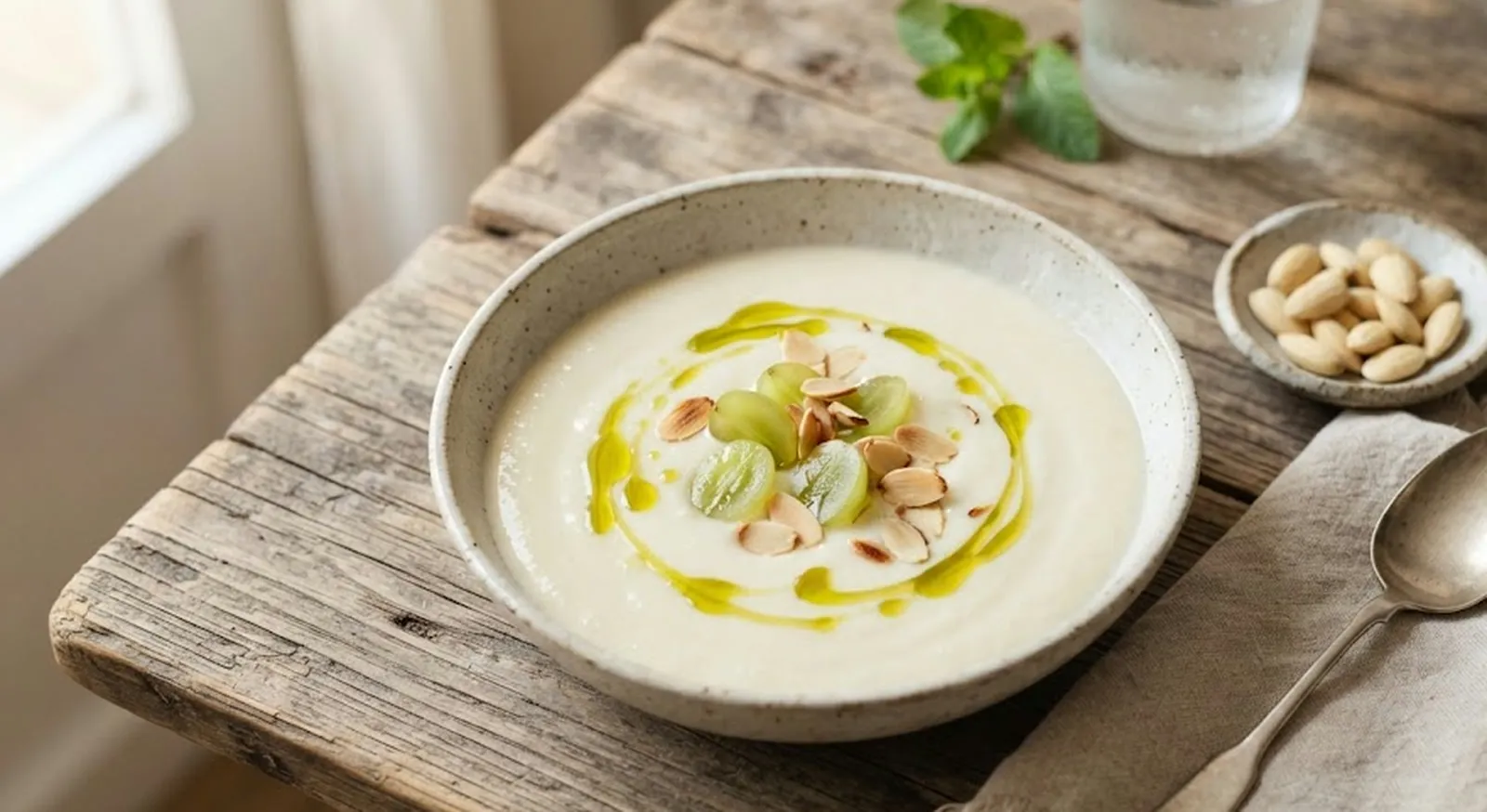
Before the tomato reached Europe, southern Spain already had a cold soup. It is called ajoblanco, it is white, it is made from almonds and it is older than everything we know the Andalusian menu for today. Gazpacho and salmorejo came later, when the tomato and the pepper arrived from the Americas. Ajoblanco waited for nobody.
Its roots are traced to al-Andalus, between the eighth and fifteenth centuries, when grinding bread, garlic and dried fruits with water and oil was a common technique. It stayed alive in the rural parts of Malaga, Granada and Cordoba, wherever almonds were at hand. In the twentieth century came the thing it is best remembered for - muscat grapes as a garnish in the bowl.
Three cold soups, three entirely different logics. Gazpacho is tomato-based and you drink it. Salmorejo is thicker, also tomato-based, and comes with ham and egg. Ajoblanco has no tomato at all - the carrying flavour is almond, and the colour is pale, almost like cream.
For four you need: 100 grams of raw blanched almonds, 60 grams of the soft inside of day-old white bread, one clove of garlic, half a litre of cold water, 80 ml of olive oil, two tablespoons of white wine vinegar and salt. Plus grapes or melon to serve.
First the bread is soaked in cold water until it softens. Then into the blender go the almonds, the peeled garlic, the soaked bread and some of the water, until you get a fine mixture. The rest of the water is added gradually so the texture comes out silky. The oil is poured in a thin stream while the blender runs, so it emulsifies. Finally the vinegar and salt, and one more short blend.
Then comes the part that must not be cut short: at least one hour in the fridge, ideally four to twelve. This is a soup that builds itself while it sits.
A few small things separate the good version from the average one. The almonds must be raw and blanched - roasted ones bring bitterness. Only the soft inside of the bread is used, the crust goes aside. The germ is removed from the garlic, otherwise a sharp aftertaste lingers for hours. Let the oil be mild, not the most peppery one you have at home. And if you want a truly silky texture, strain the mixture through a fine sieve.
Serve it very cold but not frozen, with a few grapes or a cube of melon and a little more oil on top. That is all. Three ingredients every kitchen here already has - almonds, bread and garlic - and a technique older than the Spanish cuisine we imagine. Next time someone tells you cold soup means gazpacho, you will know that is the younger version.
The latest 10 news from this category
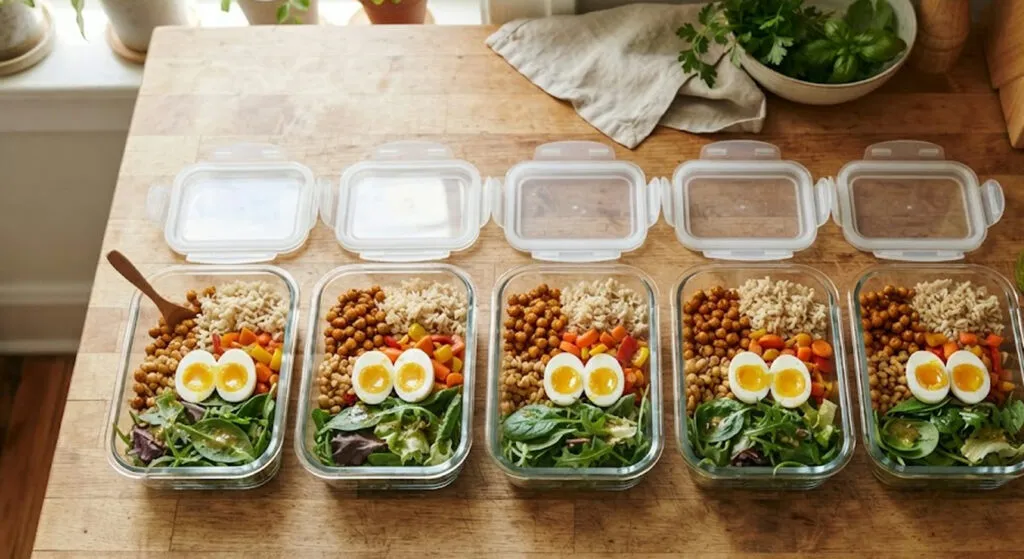
Components separately, or full boxes ready to reheat. One gives you variety, the other speed, and blanching your vegetables before...
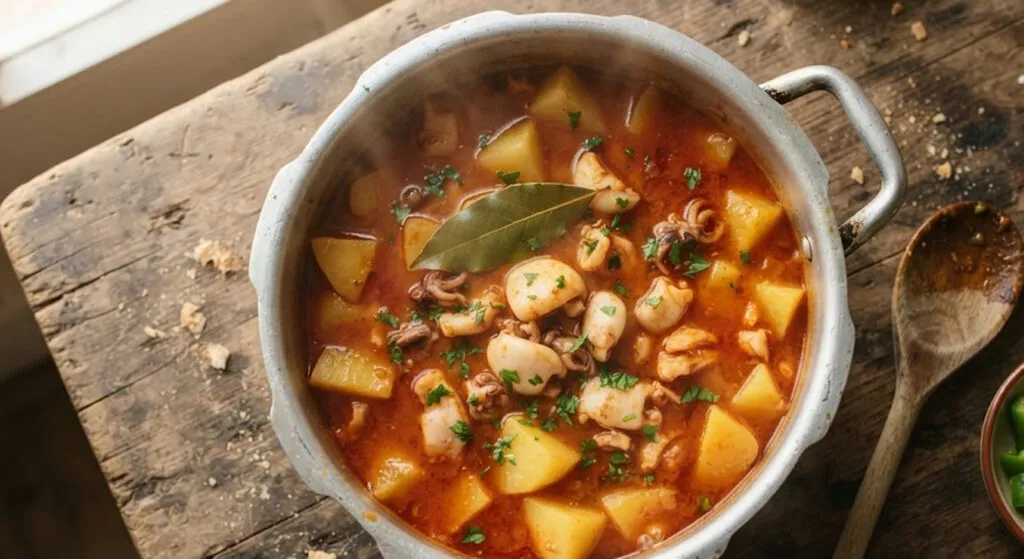
The cuttlefish goes in before the potatoes - the other way round and you get potato in water with pieces...
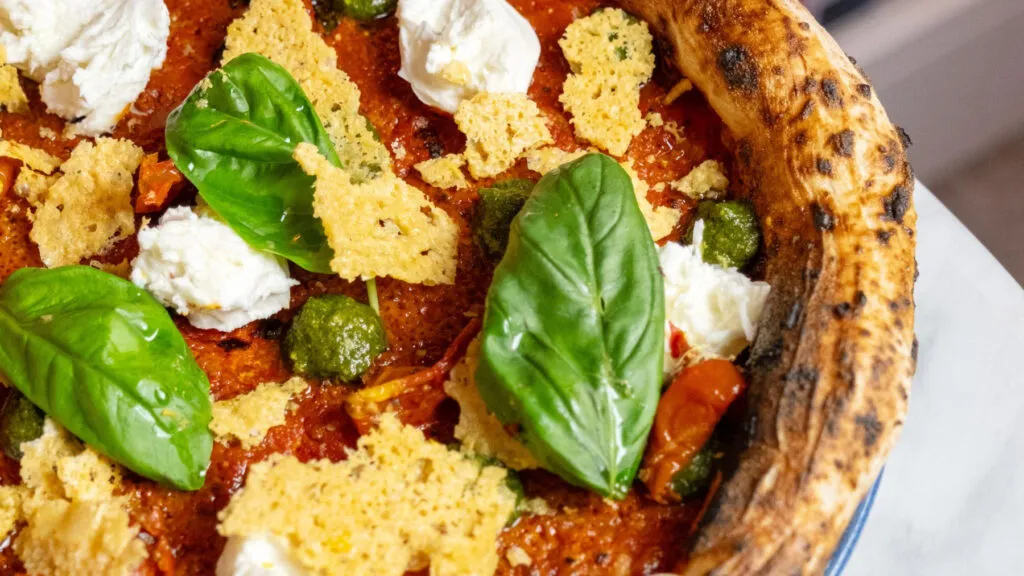
An Italian guide, a gala in Naples, first place for a London restaurant. Spain gets six entries - but only...
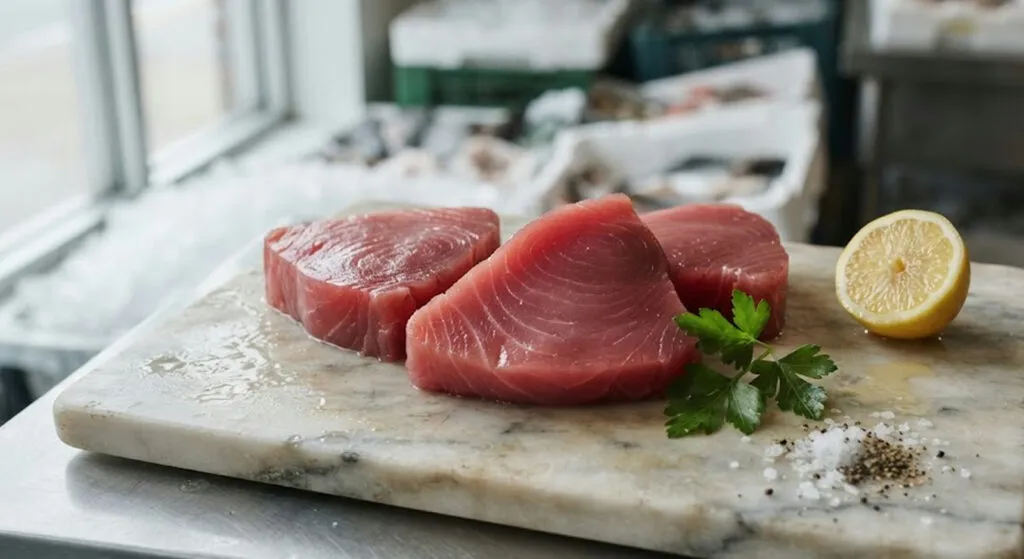
It is caught with hook and line, not with nets, and you can taste that on the plate. The three...
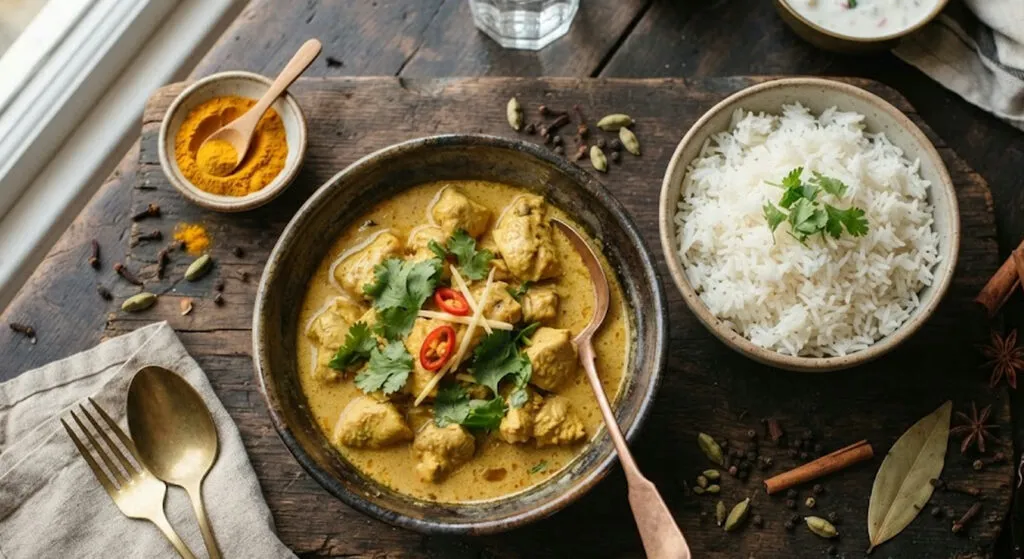
Home-made chicken curry fails at the same point for everyone. The difference is made by one step that has nothing...
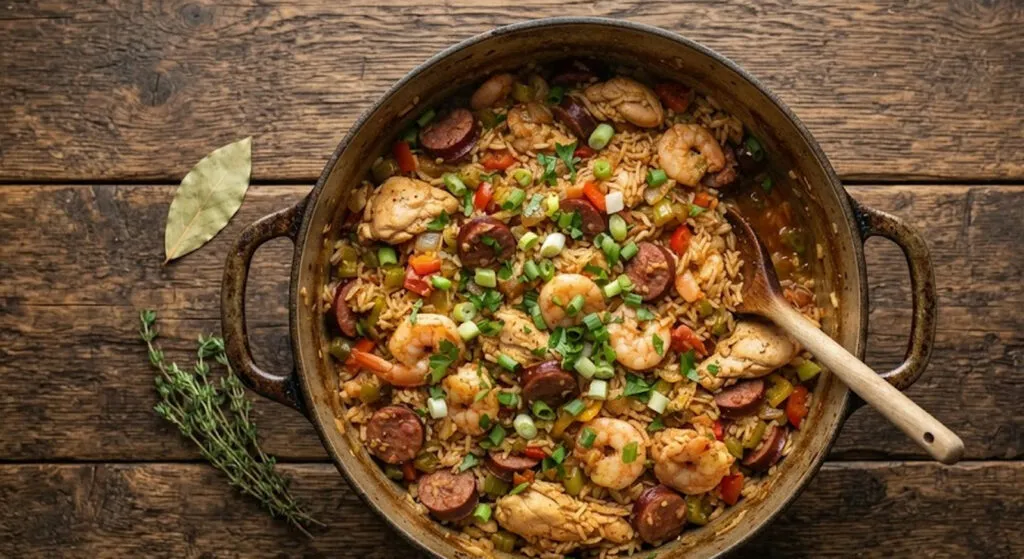
Jose Andres has lived in America for over thirty years, and when asked for his favourite American dish he named...
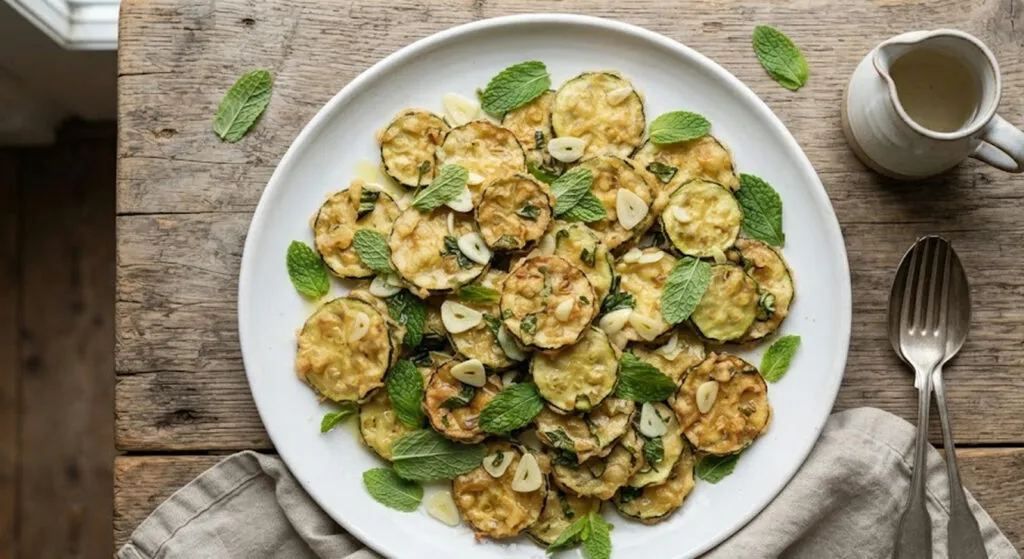
A kilo of courgettes, mint, garlic and eighty millilitres of vinegar. Not one expensive ingredient - and the water you...
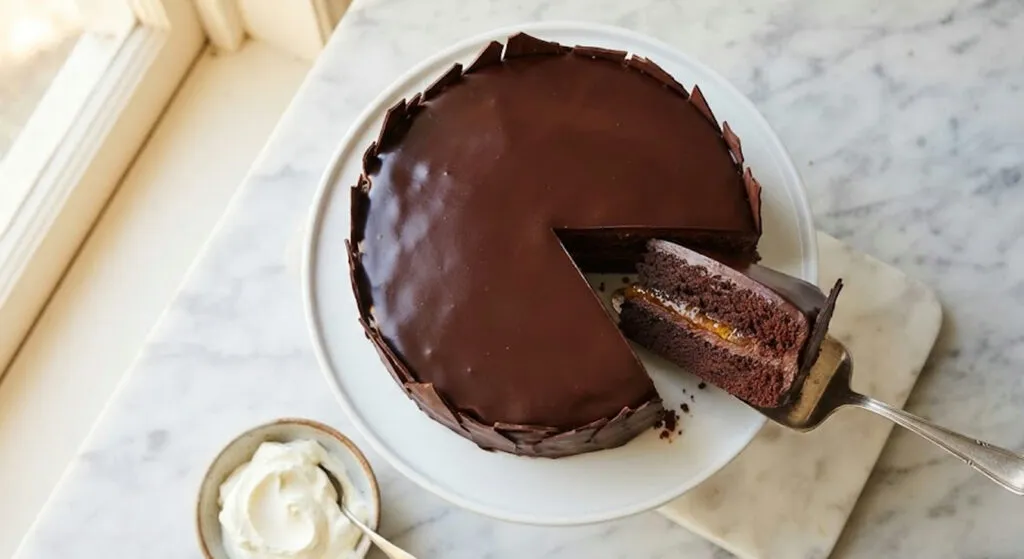
Whoever beat all the eggs together made a different cake. And the glaze must not pass 45 degrees, or the...
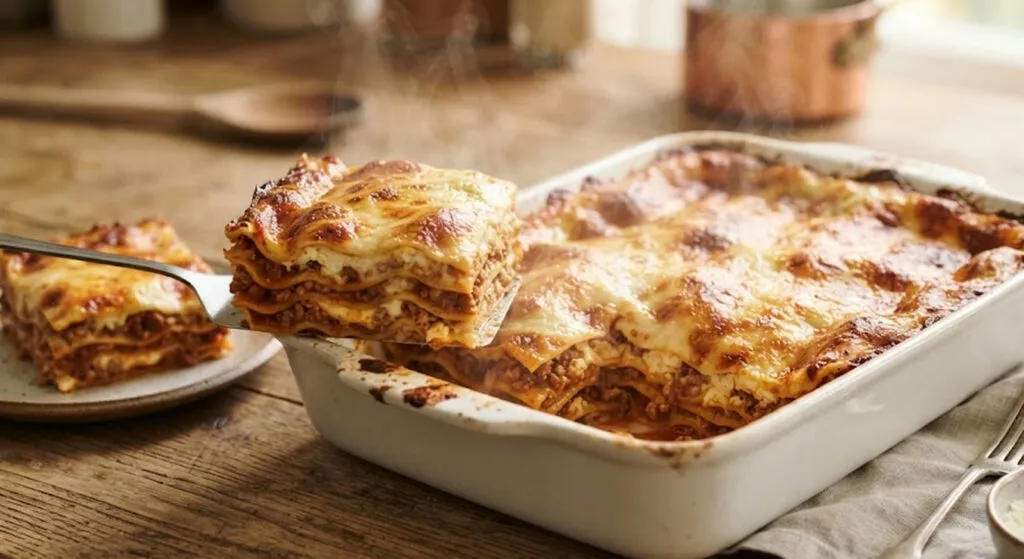
One rule applies to all three and it is the one most often skipped. It is not a recommendation to...
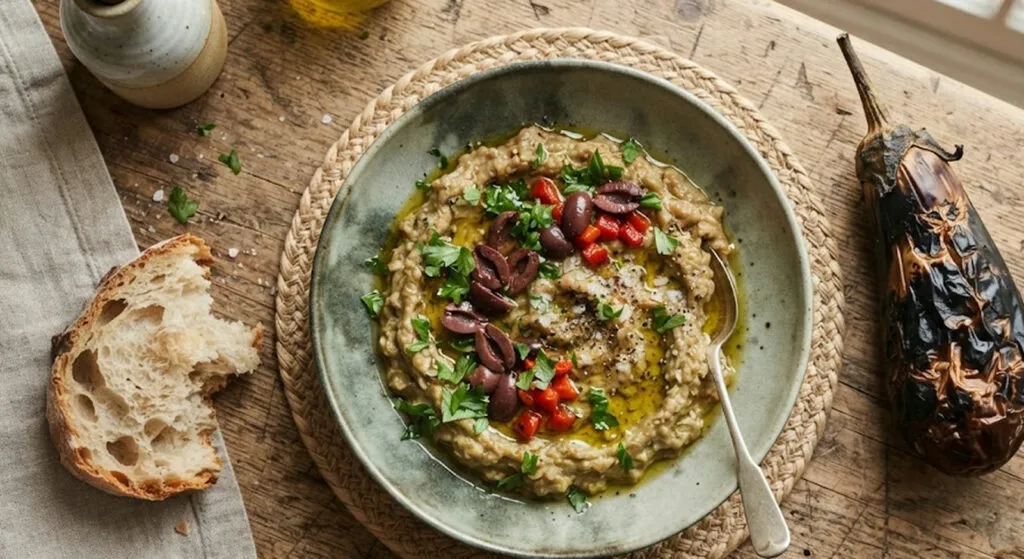
One single ingredient separates melitzanosalata from mutabal - tahini. Three aubergines, one clove of garlic, and an oven at 220...
This site uses cookies - is that okay? Learn more
Be the first to know when Metla launches something new
Leave your email and we will write when there is a new guide or something new on Metla.