
Black Smoke Over Skopje: A Paint and Varnish Warehouse Burned Inside the Old Steelworks
23.09.2026


23.09.2026

23.09.2026

23.09.2026

23.09.2026

23.09.2026

23.09.2026

23.09.2026
22.09.2026
21.09.2026
23.09.2026

23.09.2026
22.09.2026
23.09.2026
23.09.2026

23.09.2026
23.09.2026
22.09.2026

21.09.2026

23.09.2026

23.09.2026
23.09.2026

23.09.2026
23.09.2026

23.09.2026

09.03.2026

27.02.2026

19.02.2026
23.09.2026
22.09.2026

21.09.2026

23.04.2026

23.04.2026

12.04.2026

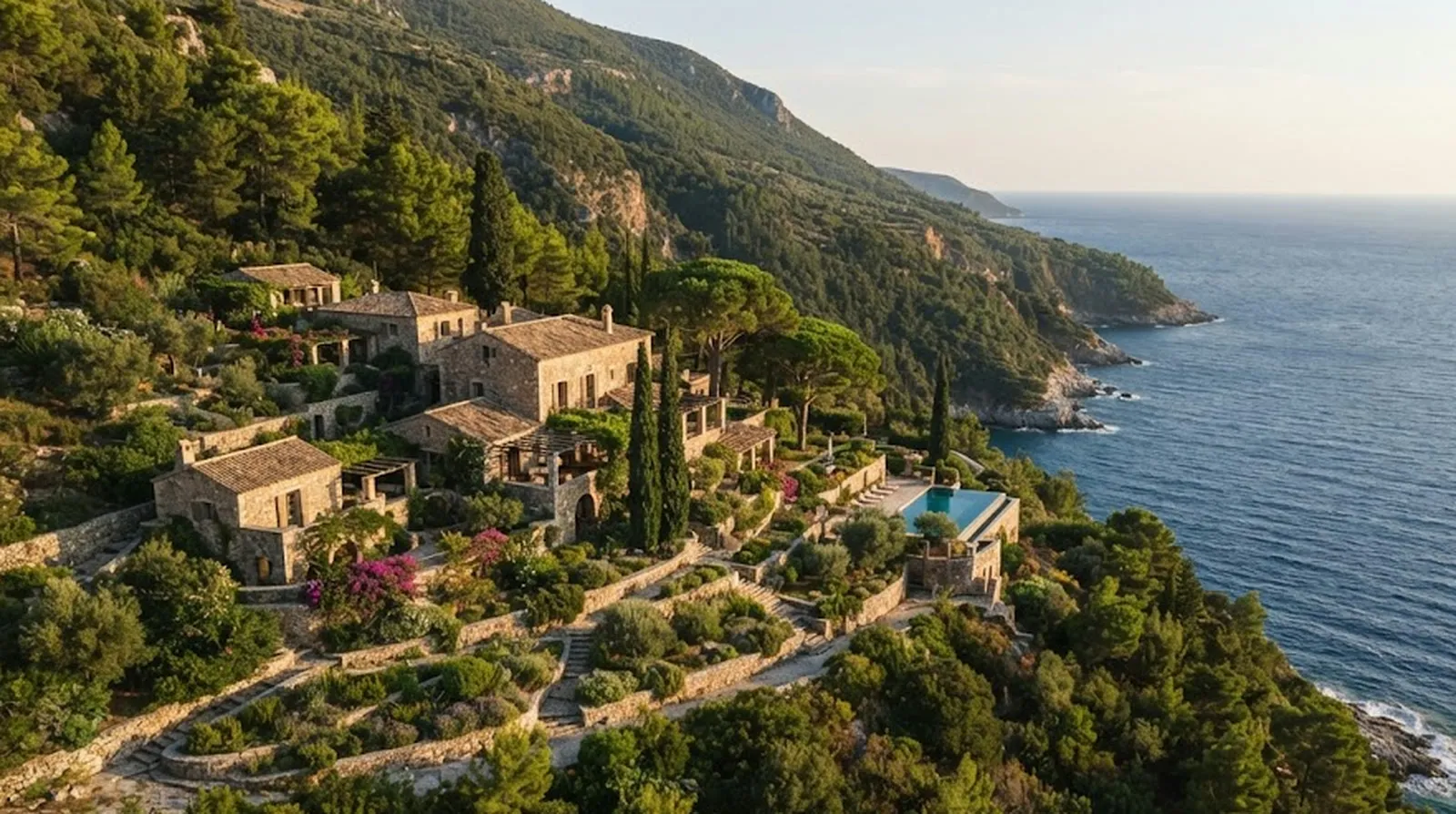
Between Valldemossa and Deià, on the rocky coast of Mallorca, stands an estate built not by a film star but by an Austrian archduke. It is called S'Estaca. Ludwig Salvator of Habsburg raised it in the nineteenth century - a man who came to the island as an aristocratic tourist and stayed until the end of his life, buying up the coast piece by piece to save it from development.
That is the part of the story usually left untold. When S'Estaca is written about today, it is written about as Michael Douglas's house. But what makes the estate valuable is not who lives in it now - it is that a hundred and fifty years ago one man decided this stretch of coast should stay as it is.
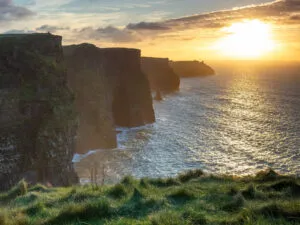
The architecture shows that logic. There are Italian influences, there are Moorish elements, and all of it is folded into the landscape of the Serra de Tramuntana - the mountain range that drops straight into the sea and is under UNESCO protection. This is not a house placed on top of a landscape. It is placed inside one.
Douglas bought the estate with his then wife Diandra Luker in the early nineties. In 2020 he bought out her share and became the sole owner. Between those two years, S'Estaca went through everything a property goes through when a marriage falls apart - division, negotiations, years in which nobody knows what will happen.
What stands there today is not one house but seven separate buildings. The main residence has six bedrooms, each with its own bathroom and dressing room. The guest houses have independent kitchens and dining rooms - which in practice means a guest can stay a week without sharing a single meal with the hosts, if that is what they want.
The estate stretches over dozens of hectares. Inside there are Mediterranean gardens, native vegetation, private vineyards, private beach access and a private harbour. Plus a pool, a gym, a spa, a cinema room and a wine cellar.
This is the point where most pieces like this end with a sigh. Let us not. A list of seven buildings and a private harbour is nobody's inspiration for a flat in a housing block. What can genuinely be taken from this house is one single decision - and it costs nothing.
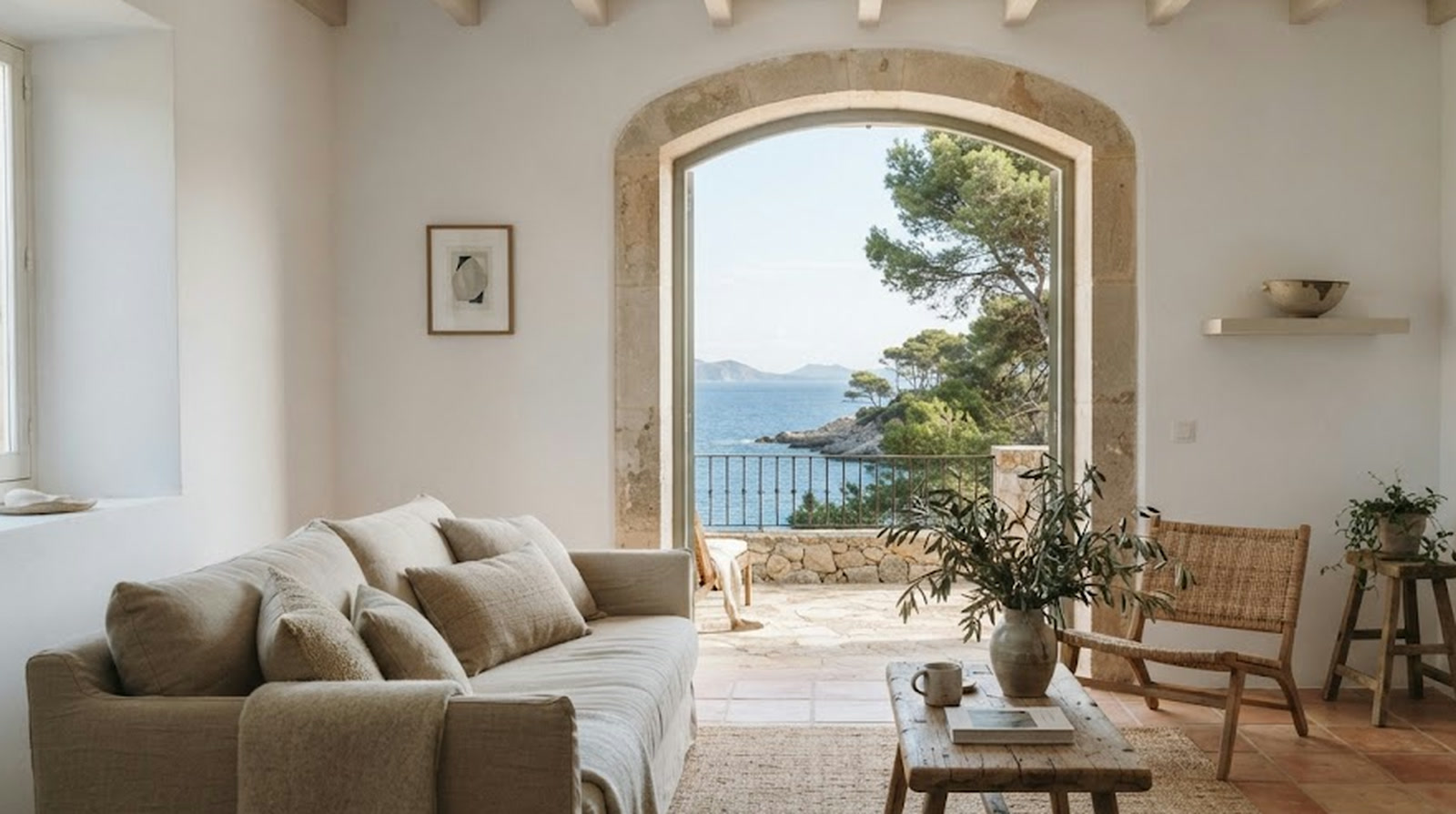
Catherine Zeta-Jones has led the renovation of the interior in recent years. And the principle she applied is the opposite of what you would expect: impose nothing. Natural materials, neutral tones, a muted Mediterranean aesthetic whose purpose is not to compete with the landscape outside. When what you have outside is a mountain descending into the sea, the most expensive mistake is putting something inside that demands attention.
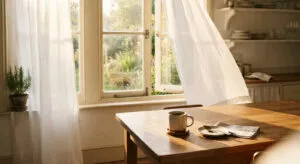
That principle works in a sixty-square-metre flat too. If you have a window with a good view - towards a mountain, towards a street with trees, towards any greenery at all - everything facing that window should be quieter than it is. Heavy furniture, strong colours and crammed shelves on the wall opposite the window cancel out the one thing you did not pay for.
The second thing worth stealing is the attitude towards the age of a place. S'Estaca was renovated so that its historic character survived. Here, in houses eighty years old, the first instinct when renovating is usually the opposite - stone walls get plastered over, wooden boards get covered, old tiles get thrown out. Then the same materials get bought back ten years later, as a trend.
That is also the difference between an estate and a house. S'Estaca was built by a man who wanted the coast to stay as it was, and renovated by people who accepted the same logic a hundred and fifty years later. The rest - the seven buildings, the vineyards, the harbour - is only size.
The latest 10 news from this category
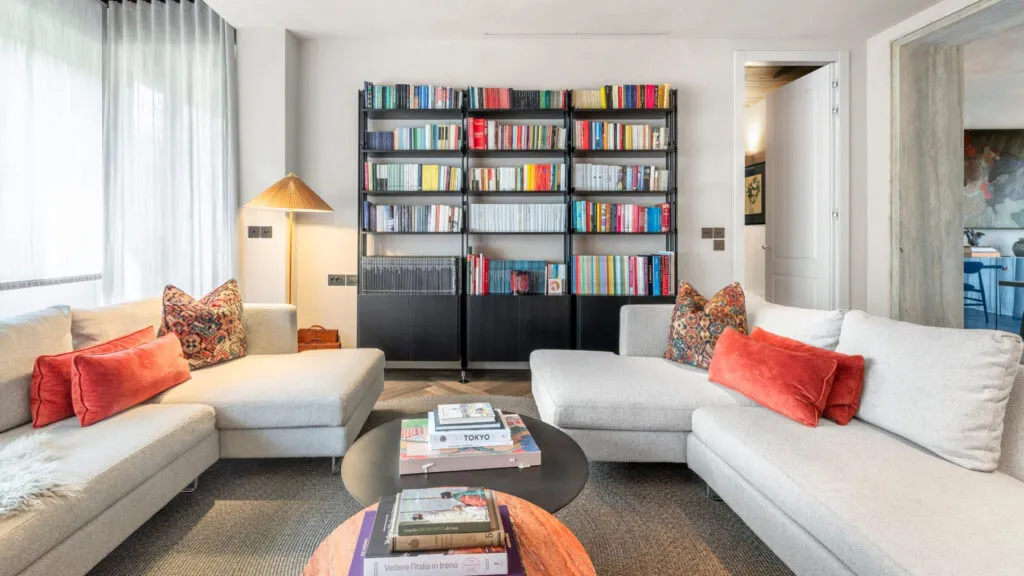
The exposed brick and ribbon windows stayed, and the entire palette came out of a single painting above the sideboard....

An Eames lounge chair from 1956, a Fratini shelving unit and a concave cobalt mirror that reflects the room curved....
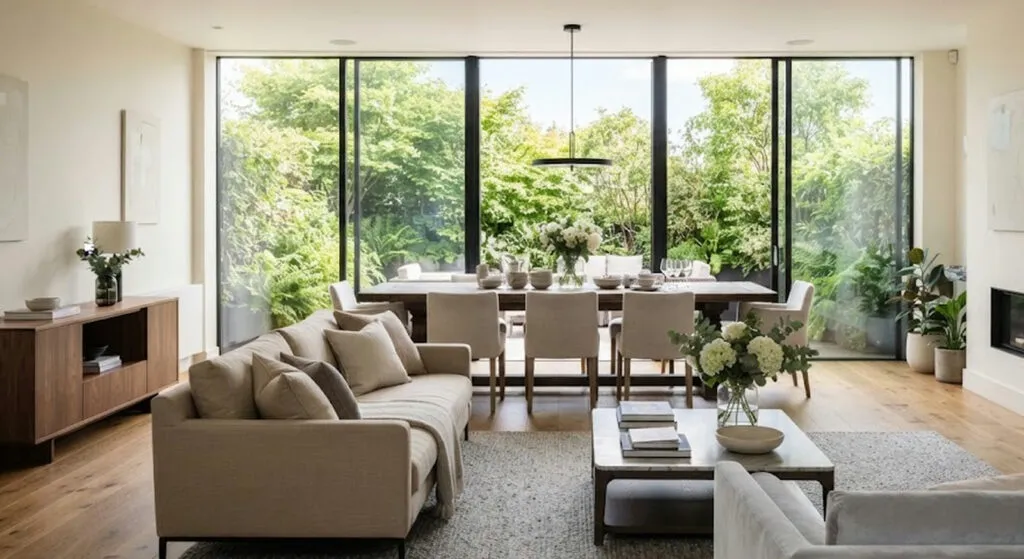
Four bedrooms, four bathrooms and one rug that keeps the dining area separate without a wall. Three things in this...
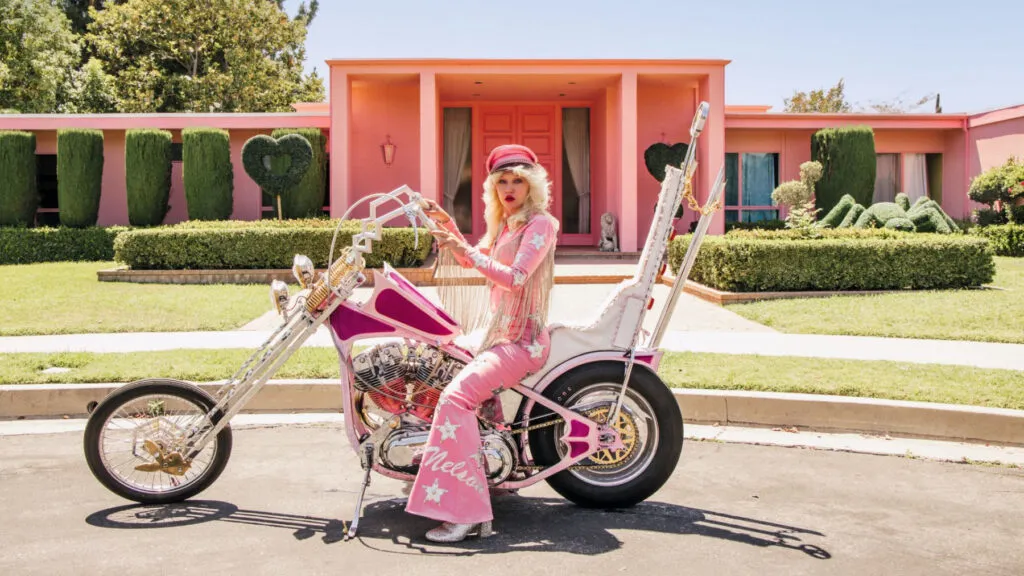
She did not decorate a house - she built a world. And behind all that fantasy there is no inheritance,...
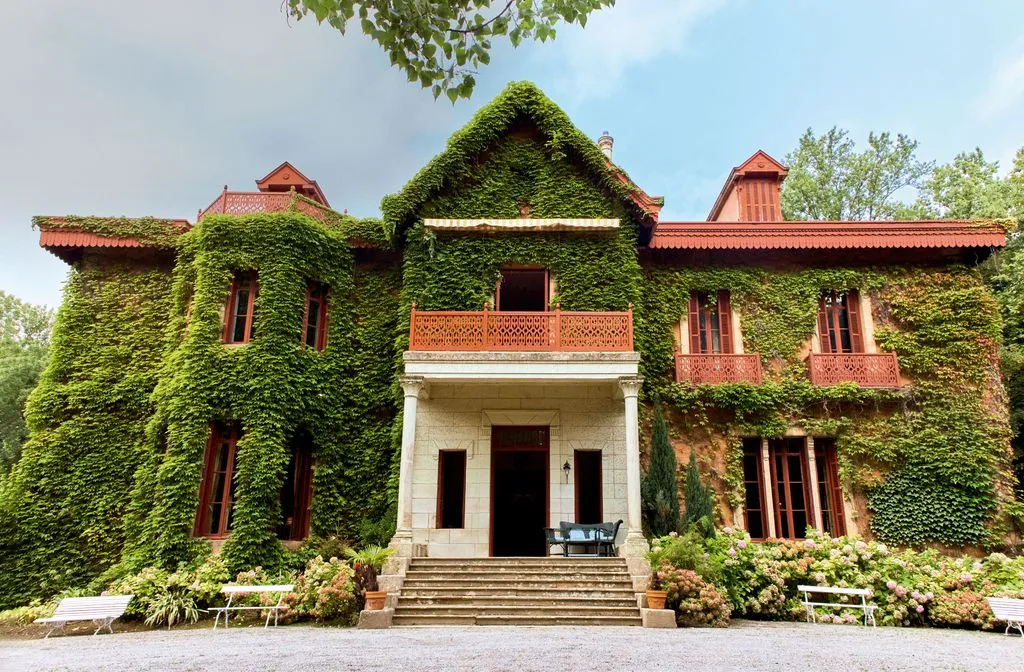
The stairwell has been turned into a gallery, and in the bedroom there is not a single attempt at an...

In the vast majority of flats the ceiling stays white because that is how it was found - not because...
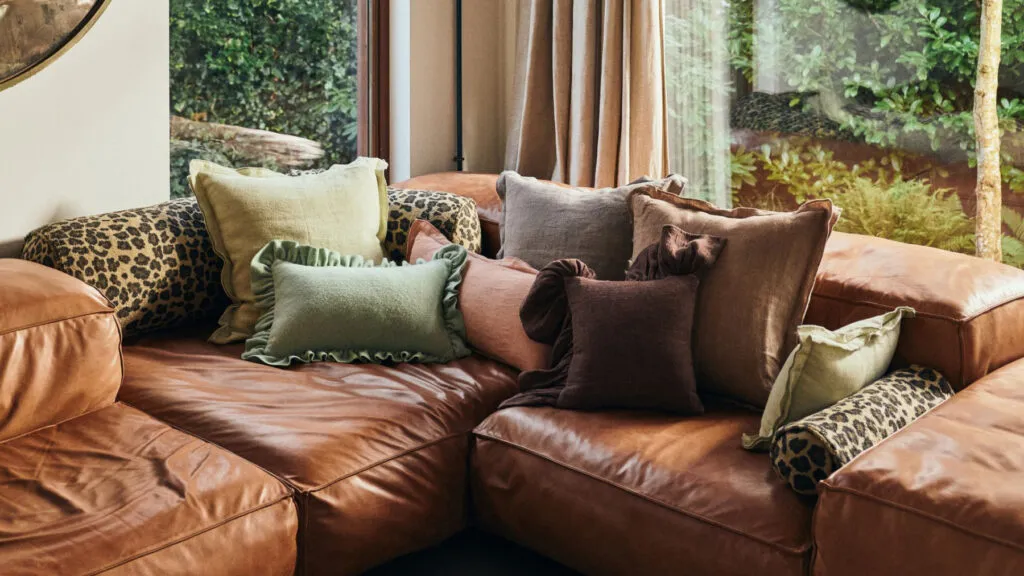
It is not hoarding and it is not maximalism. Ten things that used to be hidden when guests came and...
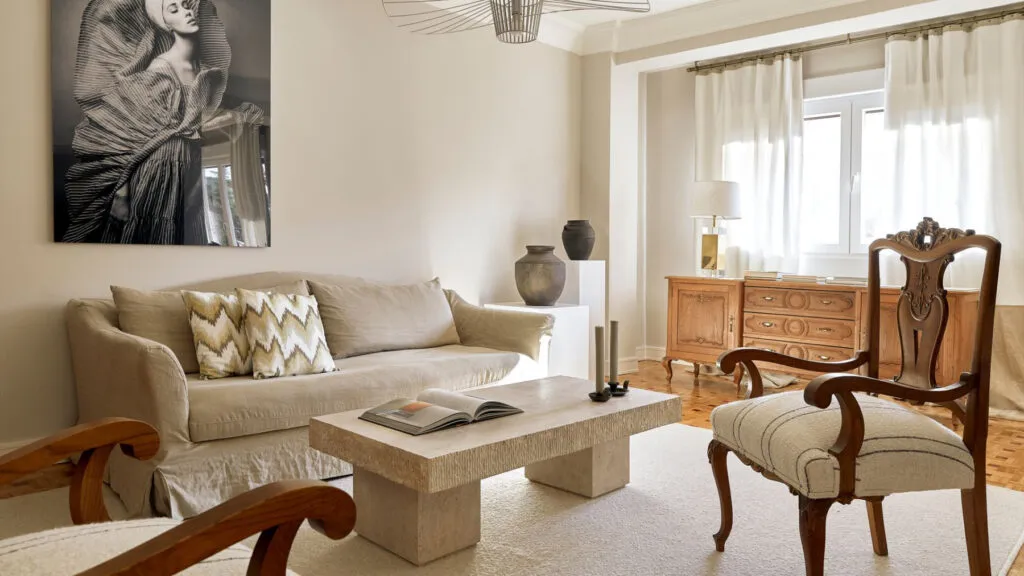
A bespoke console, reupholstered armchairs and wallpaper hung like art. The most expensive thing in the flat is the decision...
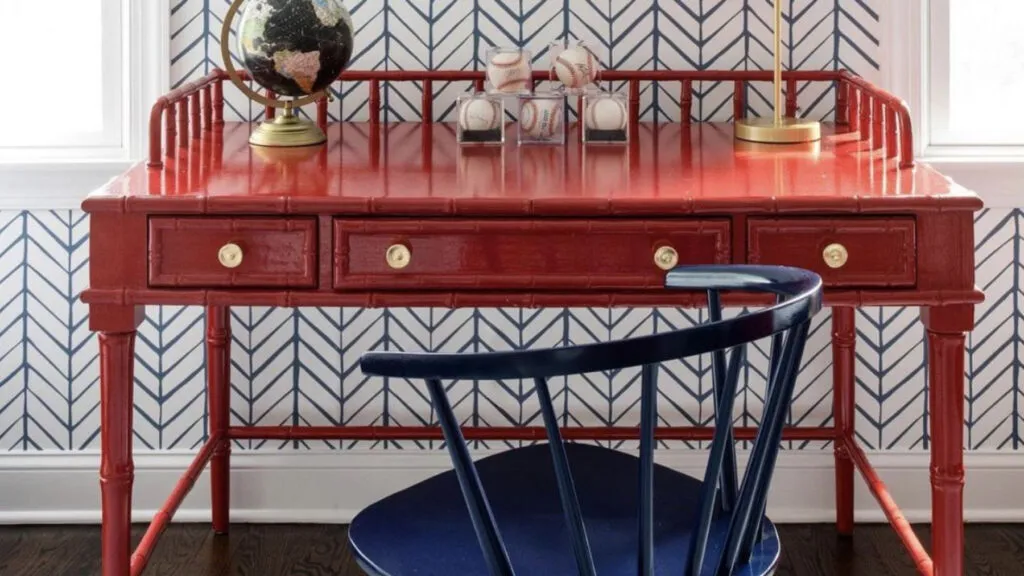
For years the rule was everything neutral and everything from the same collection. The result is a living room that...
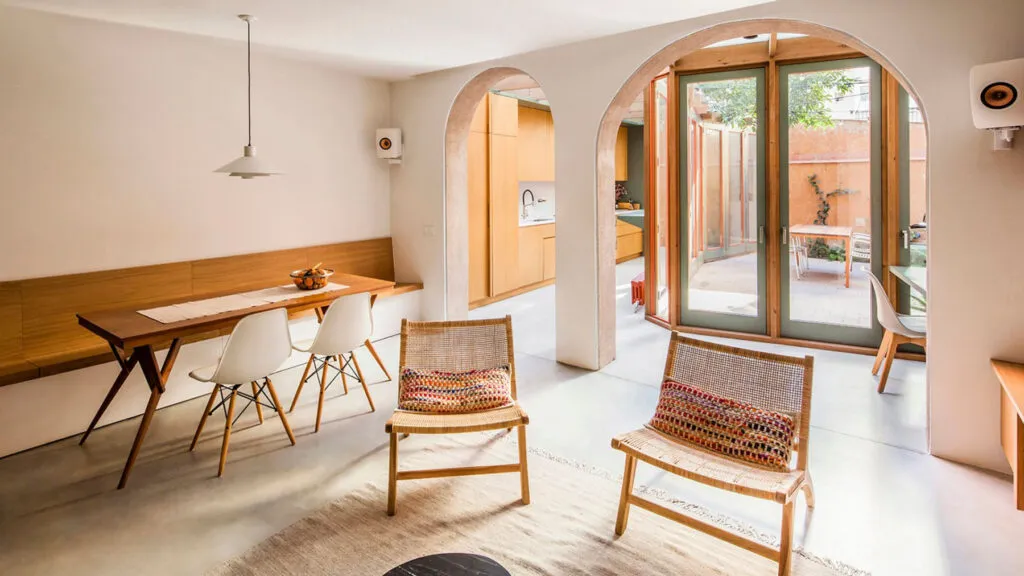
Two doors between the living room and the bedroom. That is the whole arithmetic, and that is what you lose...
This site uses cookies - is that okay? Learn more
Be the first to know when Metla launches something new
Leave your email and we will write when there is a new guide or something new on Metla.