
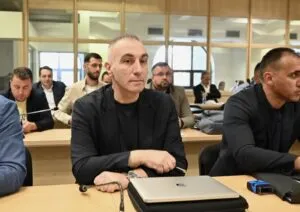
The "Lottery" Trial: 231 Pieces of Evidence, and So Far Not a Single Message Between Grubi and Bajrami
24.09.2026


24.09.2026
24.09.2026
24.09.2026
24.09.2026
24.09.2026
24.09.2026

24.09.2026

23.09.2026

22.09.2026

24.09.2026

24.09.2026

23.09.2026

24.09.2026

24.09.2026

24.09.2026

24.09.2026

23.09.2026

22.09.2026

24.09.2026

24.09.2026

24.09.2026

24.09.2026

23.09.2026

23.09.2026

09.03.2026

27.02.2026

19.02.2026
24.09.2026

23.09.2026
22.09.2026

23.04.2026

23.04.2026

12.04.2026


Six years. That is how long a specialisation in anaesthesiology or radiology takes. Which means someone enrolling today would qualify in 2032. That is the answer to why the shortage of anaesthetists and radiologists cannot be fixed overnight - and it is an answer nobody disputes.
The question that is disputed is a different one: how did we get here in the first place?
Health Minister Sasho Klekovski gave an unusually direct answer. The experiment with private specialisations, run in 2017 and 2018, did not deliver the desired results.
Doctors chose what they wanted, not what was missing
"People were not enrolling in the private specialisations we actually need, but in what the doctors wanted. So now we again have plenty of cardiologists, plenty of plastic surgery, and little pathology, little anaesthesiology, little radiology," Klekovski said.
Read that sentence again. The state opened a system in which the choice of specialisation is made by the individual according to personal interest rather than the needs of the health service - and is then surprised that there is nobody to hold the mask in the operating theatre.
Plastic surgery and cardiology are not bad fields. They are simply fields with a different economic logic outside public healthcare. When the state does not tie a specialisation to a need, the market decides - and the market is not looking for pathologists.
The numbers that show the hole
Before the pandemic, public healthcare had 20,000 health workers. 2024 began with 18,000. In 2025 the figure rose to 18,900. Now 300 new young trainee specialists are being hired.
So: two thousand people disappeared from the system, and around nine hundred came back. On 28 July the government decided to unblock the hiring of a further 300 out of a total of 600 trainee specialists whose employment had already been approved by a decision back in 2024.
Note the date. The decision is from 2024. The unblocking is from July 2026. Two years between a decision and its execution, in a sector counting its people in thousands fewer.
What the minister said that rarely gets said
Klekovski stressed that nobody should be working on short-term service contracts, least of all in healthcare. That is a sentence worth remembering and checking on the ground in six months.
He also said this: "Buildings and capital equipment are popular with politicians because of the photo opportunity, but what we fundamentally need is to push as many health services as possible down to the primary level."
A minister who publicly says a new building is a photo opportunity is a more interesting phenomenon than the new building. It remains to be confirmed with a budget, not only with a statement - because the next ribbon to be cut is always closer than the next anaesthetist.
He is announcing an expansion of the positive list with modern medicines, because, as he puts it, the situation with how much citizens pay out of their own pocket is catastrophic. The deadline he set himself is six months - new medicines on the list and visible improvements at the Clinical Centre. The deadline is short and checkable. That is a good thing.
The latest 10 news from this category

The square metres and parking spaces were announced down to the last one. How many people will be hired and...

The mayors offered a "favourable business climate" and raw materials. The only concrete thing to come out of the meetings...
Home-address checks are being announced with the police as a partner, while the health minister admits that monitoring where sick...
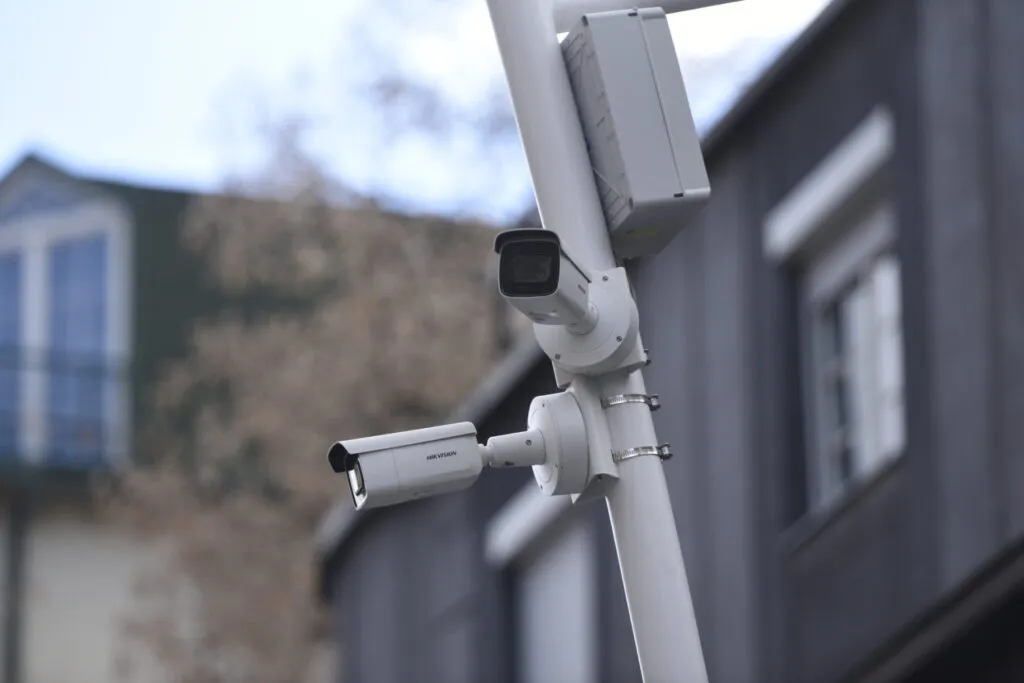
The city has announced round-the-clock video surveillance against illegal dumps and vandals, and the cameras haven't even been bought yet....
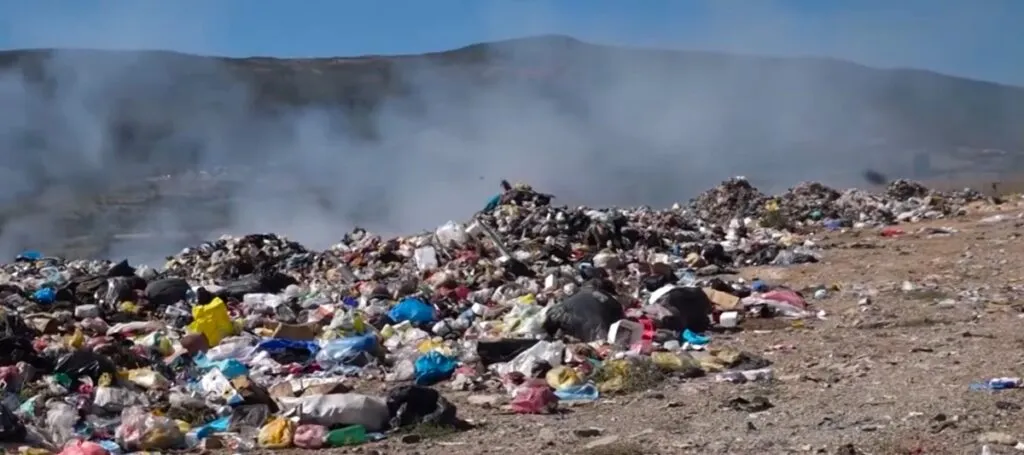
Residents want the trucks serviced; the company wants better packaging. Meanwhile, 650 cubic metres of illegal dumps were cleared in...
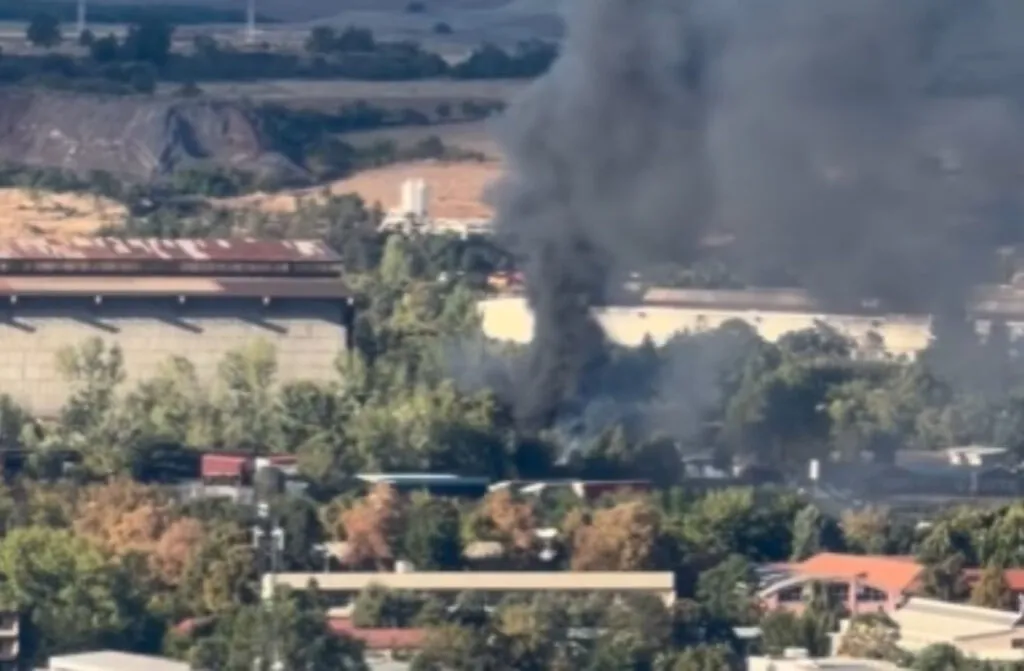
According to the Crisis Management Center, a paint and varnish warehouse was on fire. That explains why the smoke was...
The union says staff have endured insults and threats from the court president for years. She says this is really...
The state audit found a system that responds well and plans badly. The reforms were demanded by the EU screening...
To fine a bar that is too loud, a citizen has to file a complaint at the municipal Registry. The...
In Montenegro the same offence costs up to 2,000 euros. But the fine is not the only problem: Skopje's municipal...
This site uses cookies - is that okay? Learn more
Be the first to know when Metla launches something new
Leave your email and we will write when there is a new guide or something new on Metla.