
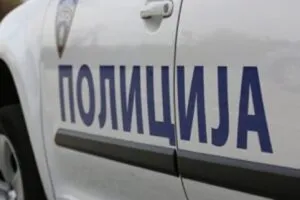
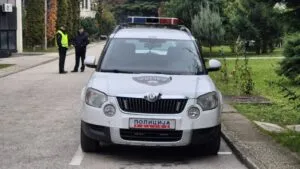
30 days' custody for the fan who knocked a child unconscious outside "Jane Sandanski": how did two fan groups end up right at the entrance?
03.11.2026


03.11.2026
03.11.2026
03.11.2026
03.11.2026
03.11.2026
03.11.2026

03.11.2026

02.11.2026

02.11.2026

03.11.2026

03.11.2026

02.11.2026

03.11.2026

03.11.2026

03.11.2026

03.11.2026

02.11.2026

01.11.2026

03.11.2026

03.11.2026

03.11.2026

03.11.2026

02.11.2026

01.11.2026

23.04.2026

23.04.2026

12.04.2026

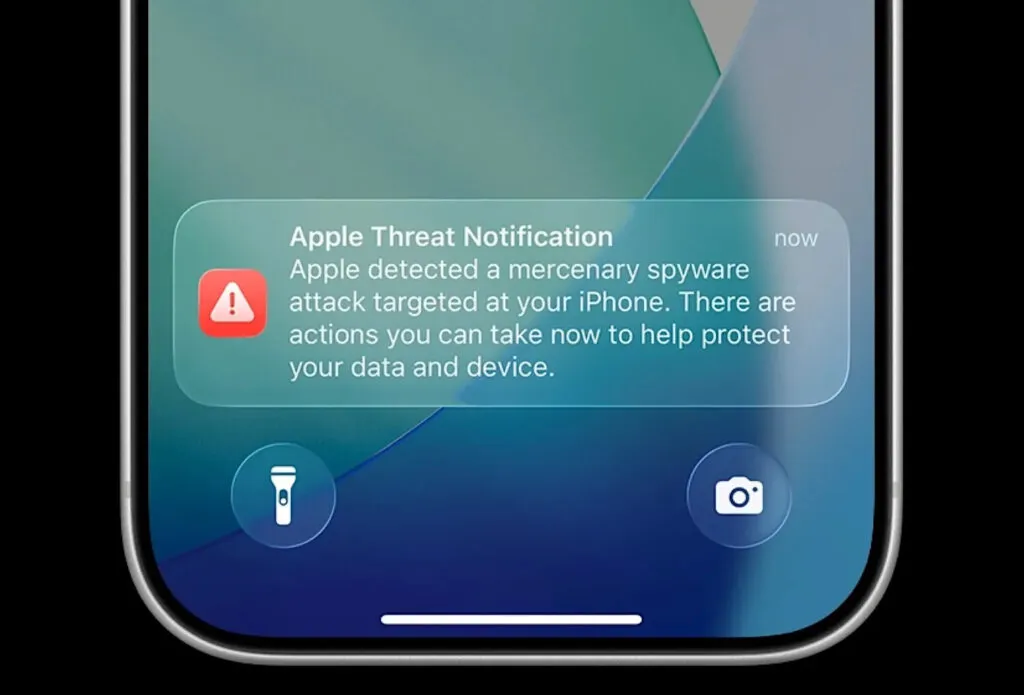
Germany's federal cybersecurity agency, BSI, announced over the weekend that members of the Bundestag and other, unnamed prominent figures had received warnings from Apple that their phones may have been targeted in an attack. A few days earlier, Apple had started sending notifications to people it believes were attacked with spyware.
Government spokesman Stefan Kornelius said Berlin takes "the incident and the warning very seriously", but didn't say who in the federal government had been targeted. Nor whether Chancellor Friedrich Merz was among them. Does Berlin not know, or does it not want to say?
Spyware like this can steal messages, location and other sensitive data from a phone, and often uses attacks in which the victim doesn't have to click a link or open a file. The phone gets broken into almost invisibly. Apple doesn't say which government is behind the attacks, nor does it confirm whether any phone was actually compromised. That's why the BSI tells everyone who got such a notification "to assume that their device may have been compromised".
Germany isn't alone. Beirut filmmaker Radwan Mortada, already targeted with spyware in 2021, posted on X that he had received a new notification about "another attack on your device". According to that notification, the latest wave of Apple warnings went to users in 99 countries. Who is behind this round of attacks and which government ordered it is not yet known.
This is where the story gets awkward for Berlin. Governments rarely build these tools themselves - they buy them from private firms that the industry calls spyware "mercenaries". The best known is Israel's NSO Group, which sells the controversial Pegasus. And Germany's Federal Criminal Police Office, the BKA, according to published reports, bought access to Pegasus as early as 2019. The state now counting its MPs' hacked phones has done its own shopping in that market.
The Balkans know stories of wiretapped politicians by heart, and this is a reminder that a politician's phone has long been the front line. If a German MP's phone can be broken into, how safe is the phone of any minister in the region?
The latest 10 news from this category
Deeper in its IPO prospectus, in the risk section, Anthropic wrote that the development of the company's models may soon...

The SpaceX-owned company also argued citizens have no right to sue over the air they breathe. The court disagreed, and...
The model of China's WeChat is now being built by an app in mostly American hands. Whoever decides where you...

Google is paying for AI that eats its search earnings, Amazon burned through 42 billion dollars more cash than it...
The researcher who found the hole had nowhere to report it, so he turned to journalists. The company now says...

Washington bought 10 percent of Intel and is now learning what being a shareholder means. Its data centres are up...

What was a fog of words 18 months ago is now a car purchase. Waymo's robotaxi is headed for Japan...
Reddit is losing readers from search, yet its revenue jumped 53 percent. The login shields its data from AI bots...
A free feature scored how you drive, and according to the lawsuit, the data went to brokers and insurers. Now...

Almost one in every nine dollars Microsoft earned last quarter came from the company it's fighting for the same customers....
This site uses cookies - is that okay? Learn more
Be the first to know when Metla launches something new
Leave your email and we'll write to you when there's a new guide or something new on Metla.