Eye Surgeries Billed Twice, Up to 4,000 Patients Hit: The Violations Were Known, the Fines Never Came
30.10.2026


30.10.2026

30.10.2026
30.10.2026

30.10.2026
30.10.2026
30.10.2026

30.10.2026

29.10.2026

29.10.2026

30.10.2026

30.10.2026

29.10.2026
30.10.2026

30.10.2026

30.10.2026

30.10.2026

29.10.2026

28.10.2026

30.10.2026

30.10.2026

30.10.2026

30.10.2026

30.10.2026

30.10.2026

30.10.2026

29.10.2026

28.10.2026

23.04.2026

23.04.2026

12.04.2026

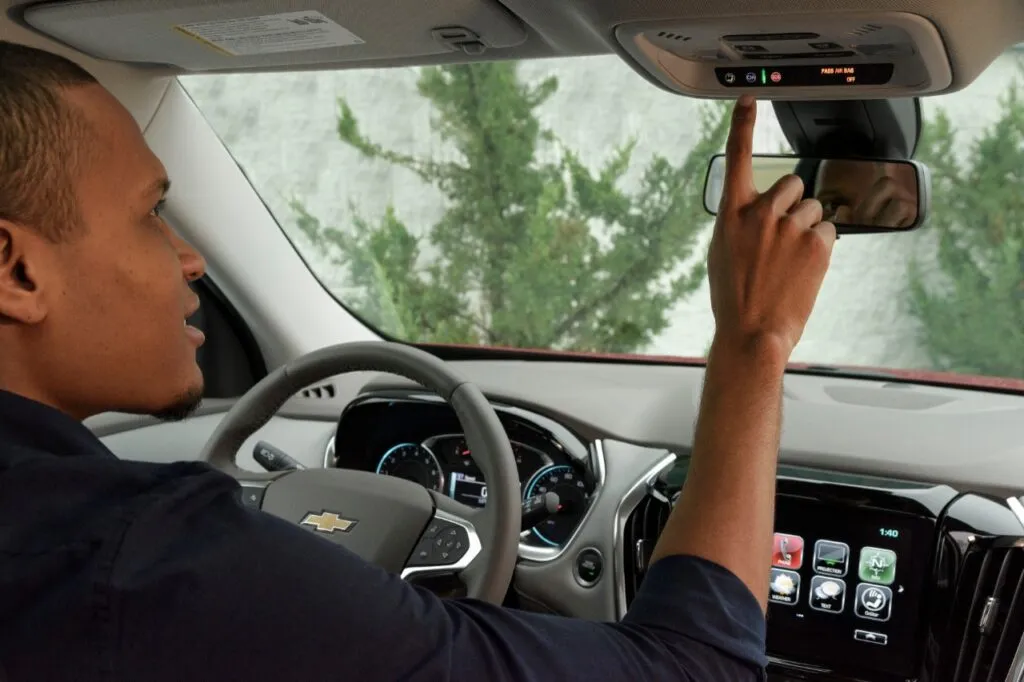
General Motors will pay 220 million dollars (about 190 million euros) to settle a lawsuit brought by a coalition of attorneys general from 36 US states. The charge: the car giant illegally sold data on how and where its customers drive to data brokers, who then resold it to insurance companies.
The data came from Smart Driver, a free feature in GM's connected-car apps that tracked and scored driving, including whether the driver buckled up. More than two years ago, the New York Times revealed that GM and its OnStar service had sold precise locations and driving habits to third parties, including brokers LexisNexis and Verisk. The brokers resold the data to insurers, which could affect what drivers pay for insurance.
GM scrapped the feature in 2024, but that didn't stop the legal proceedings. In January, the US Federal Trade Commission (FTC) issued a final order banning GM and OnStar from sharing certain consumer data. The new settlement is in line with that agreement and an earlier one with California: GM must get the driver's express consent before collecting or sharing driving and location data. On top of that, compliance will be checked by an independent third party.
GM's defence is brief. "This agreement relates to Smart Driver, a product we discontinued in 2024," the company said. It now promises it will no longer sell data that can be linked to a specific person, a vehicle's location or a driving style. Anonymised data, however, it can still share with certain partners - which ones, it doesn't say. That's the sentence worth reading twice.
The settlement comes just as cars are becoming computers on wheels. GM is adding a personal AI assistant to OnStar, its 30-year-old safety and roadside assistance service. The car's cameras will provide live video and crash footage, and drivers will control the air conditioning by voice and ask questions about the vehicle. GM says the footage is encrypted, kept for a limited time, and that neither the company nor OnStar has access to it. But anyone who won't share data will most likely get fewer features.
So the driver's choice will be privacy or a car with all the bells and whistles. And after the Smart Driver case, what's the promise worth that this time the consent will be real?
The latest 10 news from this category

Reddit is losing readers from search, yet its revenue jumped 53 percent. The login shields its data from AI bots...

Almost one in every nine dollars Microsoft earned last quarter came from the company it's fighting for the same customers....

For years Apple rejected the idea of a touch Mac. Now it's selling one, and with every upgrade the laptop...
The chatbot allegedly wrote her a taper schedule down to zero pills and praised her for refusing a blood test....
The bank isn't banning AI agents - it's just reminding you that you're the one on the hook for everything...
The company that warns its technology could be dangerous for humanity is now asking the stock market for money. The...
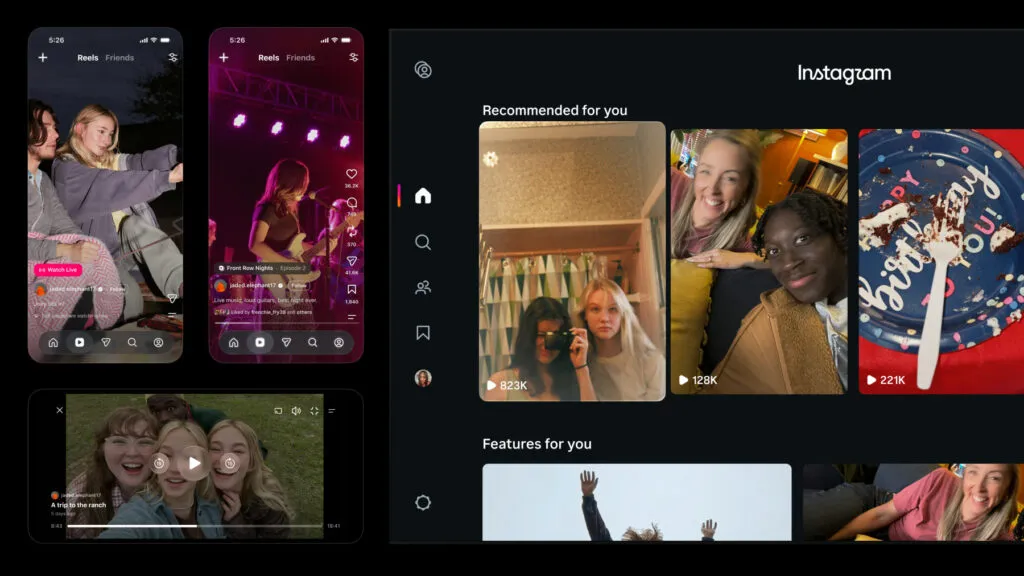
The platform of short clips now wants videos as long as a film. There's just one question without an answer:...
A 1,000-person pilot showed that 80 percent of the first users weren't engineers. Nobody is saying how much Uber pays,...
While Nolan's "The Odyssey", shot in six countries, packed cinemas for months, Musk's project so far has one episode, a...
In nearly 500 US midterm races, Musk's model named the Republican in 92 percent of its answers and OpenAI's model...
This site uses cookies - is that okay? Learn more
Be the first to know when Metla launches something new
Leave your email and we will write when there is a new guide or something new on Metla.