

Bogovinje: A 16-Year-Old "Accidentally" Shot a 15-Year-Old With a Pistol - So Where Did He Get the Gun?
26.10.2026


26.10.2026

26.10.2026

26.10.2026
26.10.2026

26.10.2026

26.10.2026

26.10.2026

26.10.2026

25.10.2026

26.10.2026

26.10.2026

25.10.2026

26.10.2026

26.10.2026

26.10.2026

26.10.2026

25.10.2026

24.10.2026

26.10.2026

26.10.2026

26.10.2026

26.10.2026

26.10.2026

25.10.2026

26.10.2026

26.10.2026

25.10.2026
26.10.2026

24.10.2026

22.10.2026

23.04.2026

23.04.2026

12.04.2026


The arrival of Lidl in Macedonia, announced for around the end of the year, is usually told as a story about lower prices and more choice for shoppers. But behind the shelves lurks a quieter, more important question: is domestic production ready to sit on the same shelf as the imports, held to the same standards?
That's why the German chain's entry isn't just about opening new stores - it's a test for Macedonian production. Big chains don't buy on stories and goodwill; they demand certificates, continuity of supply, volumes, and quality that doesn't swing from one season to the next. That's exactly where the Macedonian farmer and producer will face a mirror few have held up to them before.
There are already signs the door isn't only for foreign goods coming in. With support from German and Swiss programs, some Macedonian fruit and vegetables are already finding a path to export - a figure of around 5 million euros gets mentioned - provided the products are properly certified. Strumica comes up as a possible symbolic place for that chance for local farmers.
But here's the trap everyone in the Balkans recognizes. Standards and certificates are worth something only if they're actually enforced, not if they stay on paper. If the checks turn out to be 'purely formal', as they so often do, then the whole quality story turns into another missed train - while the shelves fill with someone else's products and local ones stay out for lack of a document, not for lack of quality.
So the real question isn't whether Lidl will bring lower prices. The question is whether the state and the producers will use this test to lift domestic goods to the level the market demands - or whether we'll settle once again for the role of consumer, rather than producer of our own table.
The latest 10 news from this category
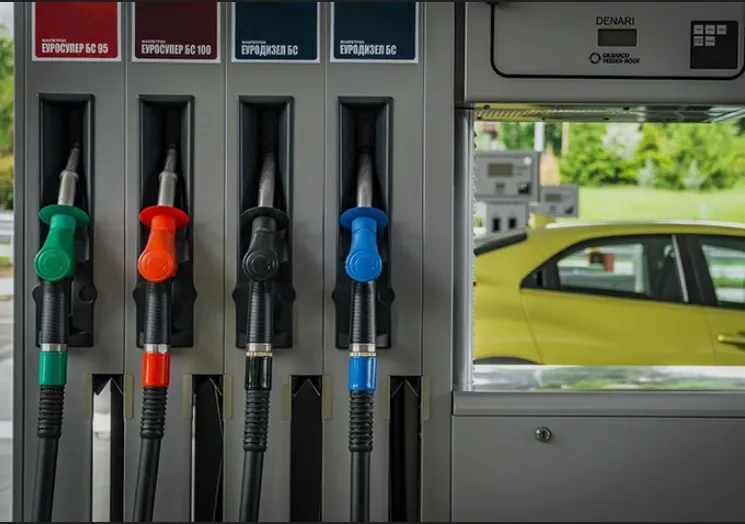
Oil went up about six percent in a week, and diesel in Macedonia is already more expensive than both grades...

The deputy prime minister is promising a satellite network and lower bills on Facebook, "from the information I have". All...

The average August wage jumped to 48,733 denars, but the holiday bonus is calculated from a three-month average. Exactly how...

A 1,000-person pilot showed that 80 percent of the first users weren't engineers. Nobody is saying how much Uber pays,...

Every day Rivian receives more than 400,000 recorded scenes from its customers' cars. Now it also has a tool that...

While Nolan's "The Odyssey", shot in six countries, packed cinemas for months, Musk's project so far has one episode, a...

The appeal fee jumps from 50-200 to 150-600 euros, and a company that proves a tender was unlawful will no...

More than 11,000 denars between two baskets, a minimum wage of 26,000 and announced hikes in electricity and heating. The...

In July, a higher deficit was the price of more investment. Three months later investment is falling, the 750 million...

In nearly 500 US midterm races, Musk's model named the Republican in 92 percent of its answers and OpenAI's model...
This site uses cookies - is that okay? Learn more
Be the first to know when Metla launches something new
Leave your email and we will write when there is a new guide or something new on Metla.


