
Another search in Ohrid, another scale dusted with white powder: the small fish is always the easiest catch
04.07.2026


04.07.2026

04.07.2026

04.07.2026

04.07.2026

04.07.2026

03.07.2026

30.06.2026

29.06.2026

29.06.2026

30.06.2026

30.06.2026

29.06.2026

30.06.2026

30.06.2026

30.06.2026

04.07.2026

04.07.2026

03.07.2026

04.07.2026

04.07.2026
03.07.2026

09.03.2026

27.02.2026

19.02.2026

03.07.2026

03.07.2026

03.07.2026

23.04.2026

23.04.2026

12.04.2026


If you order cheap stuff from foreign online shops, the era of "free to your door" is slowly ending. As of July 1, 2026, the European Union has introduced a flat customs fee of 3 euros per item on parcels arriving from outside the EU. And by November 1, an additional handling charge is being prepared, its exact size still undetermined.
An important detail many will learn only when the bill arrives: the three euros are charged per item on the customs declaration, not per package. Five identical t-shirts are one item - 3 euros. But one t-shirt, one bag and one pair of shoes are three items - 9 euros, no matter that it all came in one little parcel. On smaller orders, the fee can easily exceed the value of the goods themselves.
Formally, the obligation falls on the online platforms and sellers. In practice, we all know who pays in the end. "The flat customs fee will always land on the recipient's cost," admits an adviser from the customs administration - a sentence that's honest precisely because it doesn't try to dress itself up. Depending on the system, the fee is charged either right at checkout, or later when the courier knocks on your door.
This isn't the first hit on cheap import parcels. Value-added tax on packages from third countries has applied since 2021, and now the new flat fee replaces the earlier 150-euro threshold below which imports passed more easily. The target is clear - to tighten control over the flood of millions of small parcels from Asia that have entered nearly untaxed for years.
For shoppers on the Balkans, the story has a double bottom. Countries outside the EU, like Macedonia, don't impose these fees directly, but platforms rarely keep separate rules and prices for every small market - the easiest thing is to raise prices for everyone. And those ordering to EU addresses will feel it directly already. Big platforms will likely start opening warehouses inside the Union to sidestep part of the fees - which means this bill too, as usual, will be paid most by those who have the least.
The latest 10 news from this category

From 50,000 to 25,000 places a year - a direct hit on Macedonians. And when someone else's quota becomes local...

On stage, autonomous AI agents are changing the world; in an internal meeting, Meta's boss admits the technology isn't delivering....
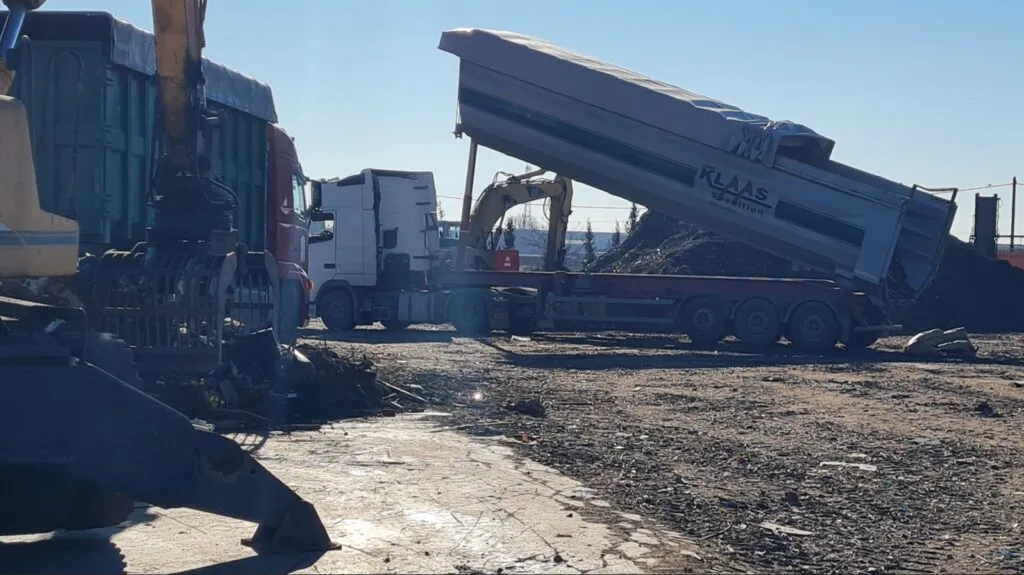
When the foundation of any real economy is drained of workers, that's not a footnote in a report but a...
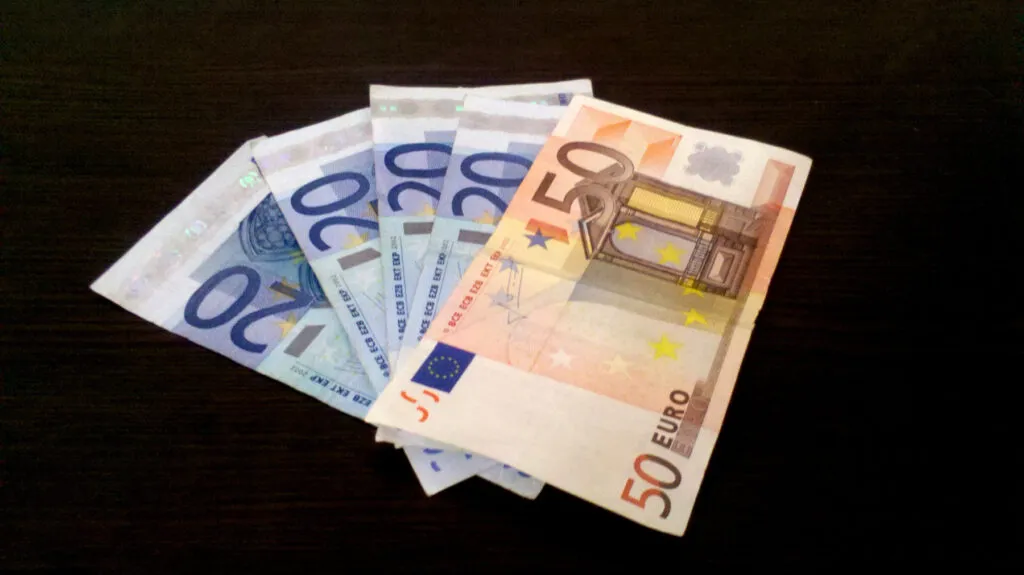
When Berlin tallies 200 billion euros lost to sick leave, it's worth asking how many lost days anyone even counts...

When the most powerful voluntarily offer a piece of themselves to the government, it's rarely generosity - more often it's...

The reward goes to the frontrunners, and Bosnia is the biggest loser. But what does "frontrunner" even mean - are...

Bots have already overtaken human traffic on the internet, and half of what they read is re-reading the same thing....

Big chains don't buy on stories - they buy on certificates and consistency. Lidl's arrival is a mirror for our...
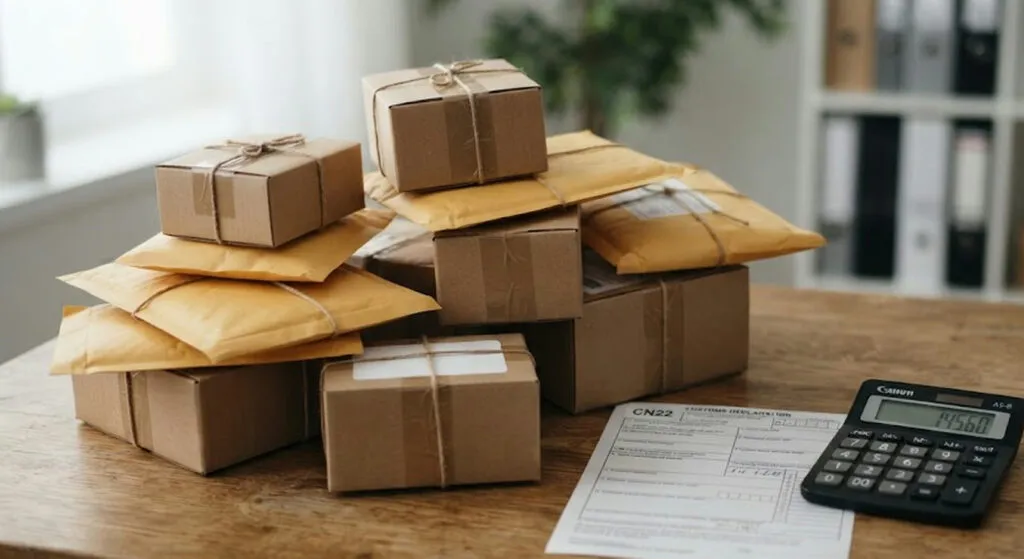
Duty-free import under 150 euros ended July 1. When 5.9 billion parcels a year come in without a cent of...

Following SpaceX's lead, Meta is renting its spare computing power to rivals. A 183-billion-dollar infrastructure needs revenue - and analysts...