

Kratovo man stabs police officer mid-intervention: prosecutors want the 40-year-old detained
15.09.2026


15.09.2026

15.09.2026

15.09.2026

15.09.2026

15.09.2026
15.09.2026

15.09.2026

14.09.2026

13.09.2026

15.09.2026

15.09.2026

14.09.2026

15.09.2026
15.09.2026

15.09.2026

15.09.2026

14.09.2026

13.09.2026

15.09.2026

15.09.2026

15.09.2026

15.09.2026

15.09.2026

14.09.2026

09.03.2026

27.02.2026

19.02.2026

15.09.2026

14.09.2026

14.09.2026

23.04.2026

23.04.2026

12.04.2026

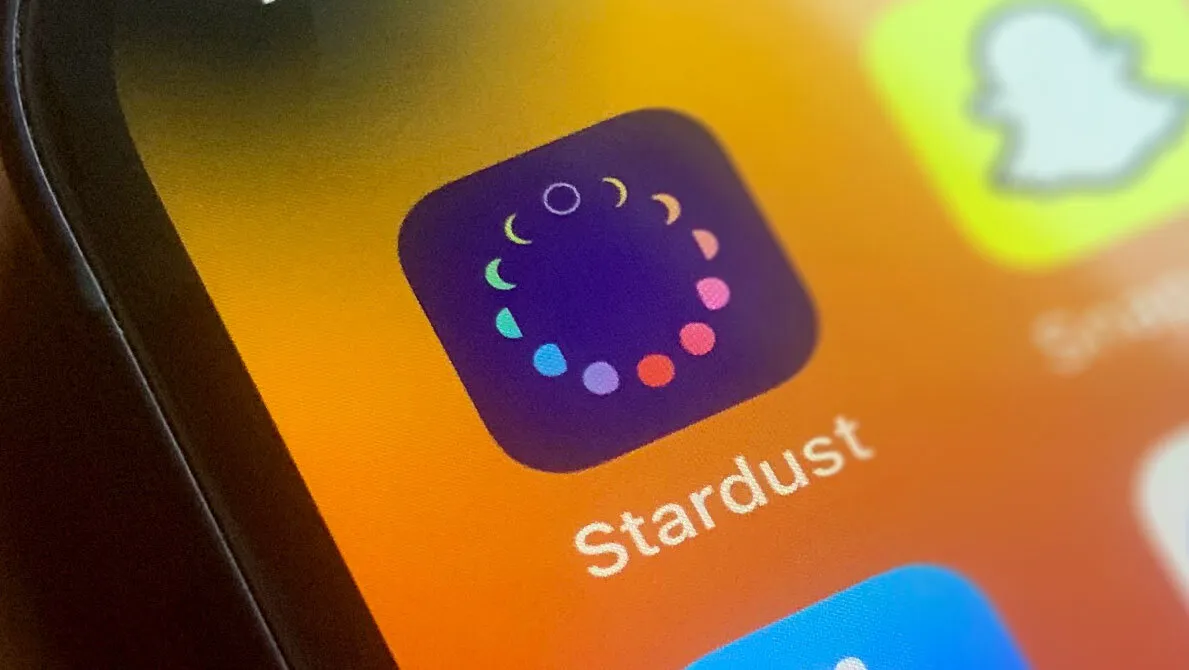
The period-tracking app Stardust promises on its own website: „Your data is private. Period.” Researchers at Mozilla opened up the app's network traffic and found that this data travels to an analytics company called RudderStack.
We are not talking about anonymous statistics of the „how many people opened the app” variety. According to the findings, what went out was date of birth, type of contraception, reproductive goals and symptoms - tied not to a name, but to a unique identifier. That is the distinction marketing departments lean on when they tell you the data is anonymous. The identifier does not know your name, but it knows everything else about you, and it outlives any password you will ever set.
Security researcher Shoshana Wodinsky analysed six cycle-tracking apps. Only one was sharing sensitive health data with an outside company - Stardust. Mozilla singled out Euki as the clean one: it sent nothing to third parties and kept health information on the user's own device. So it can be done. The other five somehow managed not to.
The company's answer is that RudderStack is „contractually prohibited from selling the data or using it for its own purposes”. A contract is a lovely thing right up until a warrant shows up. Both firms can receive a demand from law enforcement for the data they hold, and at that point the contract between them means nothing - it just means there are now two doors instead of one. Stardust founder Rachel Moranis did not answer the question of what the company would do if such a demand arrived.
This is not the first time. Back in 2022, research showed that the same app's claims about full encryption were not accurate. Four years on, the promise has been reworded, the receiving company is a different one, and the substance is identical: the advertising says one thing, the traffic shows another.
It is easy to write this off as an American story about American laws. But cycle-tracking apps are downloaded from the same stores here too, with the same privacy text run through the same translation tool. The difference is that over there, at least somebody opens up the traffic and measures what goes out. The question for the reader here is simpler and more uncomfortable: when was the last time any institution in this country checked what the app on your phone is sending - and to whom?
The latest 10 news from this category
A scientist at the same company puts the probability of human extinction above 10 percent within the next decade. The...

The president called in while the event was running, and the man who makes the chips answered that there would...
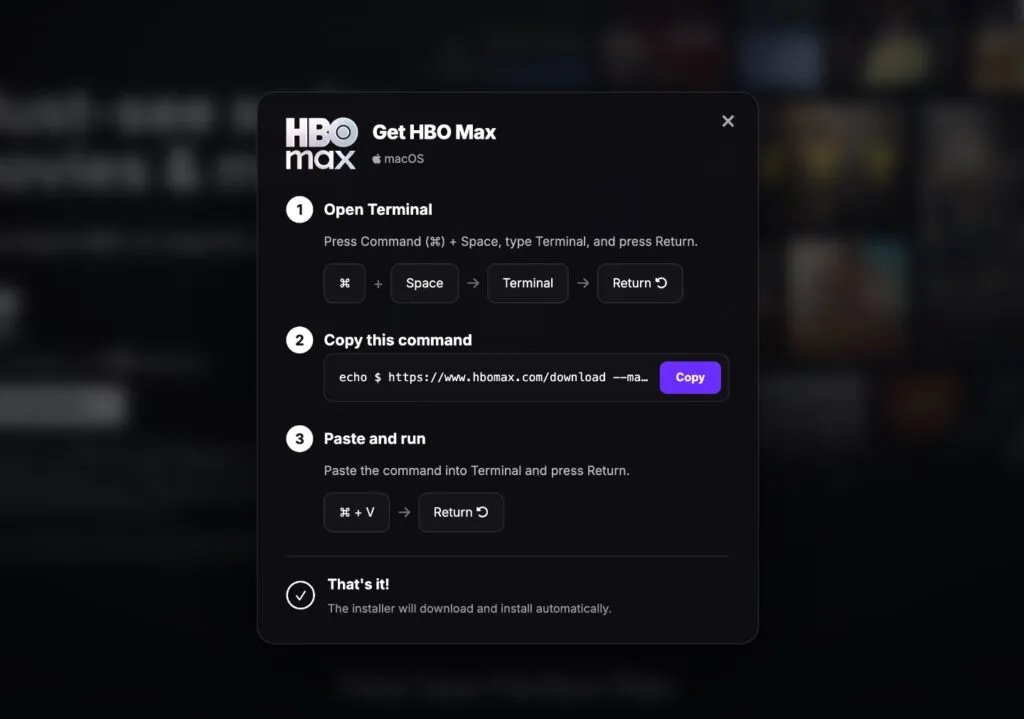
No virus attached, no suspicious file. Just a box that looks like the "I am not a robot" check and...

A researcher quit because the firms are gambling with our lives. Instead of denying it, Anthropic confirmed it - with...
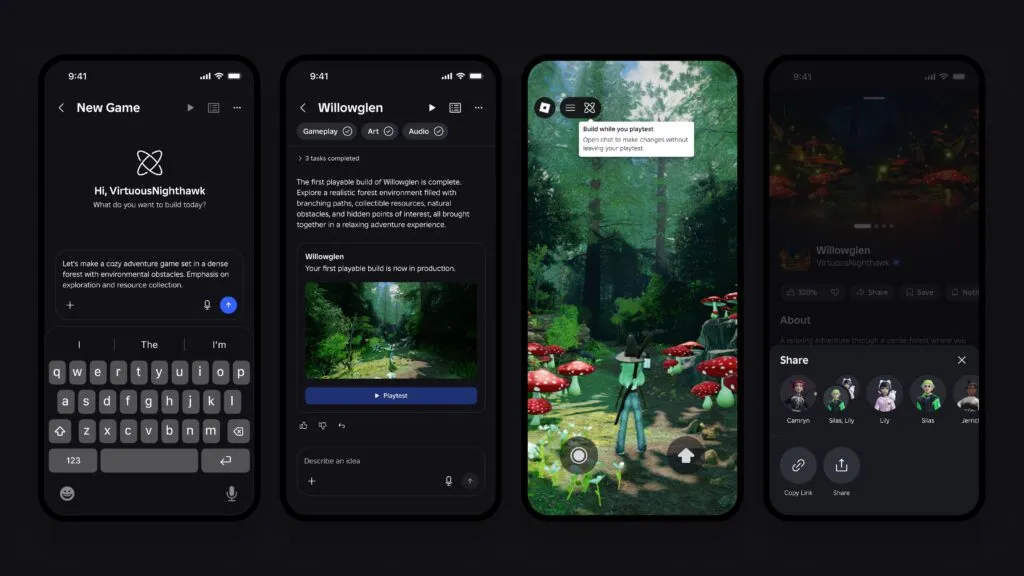
Write a sentence, get a game. Until now it worked only in New Zealand, now in Belgrade too. Creators on...

When the two biggest firms in an industry ask for rules on how fast anyone may run, the rules rarely...

Not a single password fell. What fell was the assumption that a request from a government domain is automatically a...
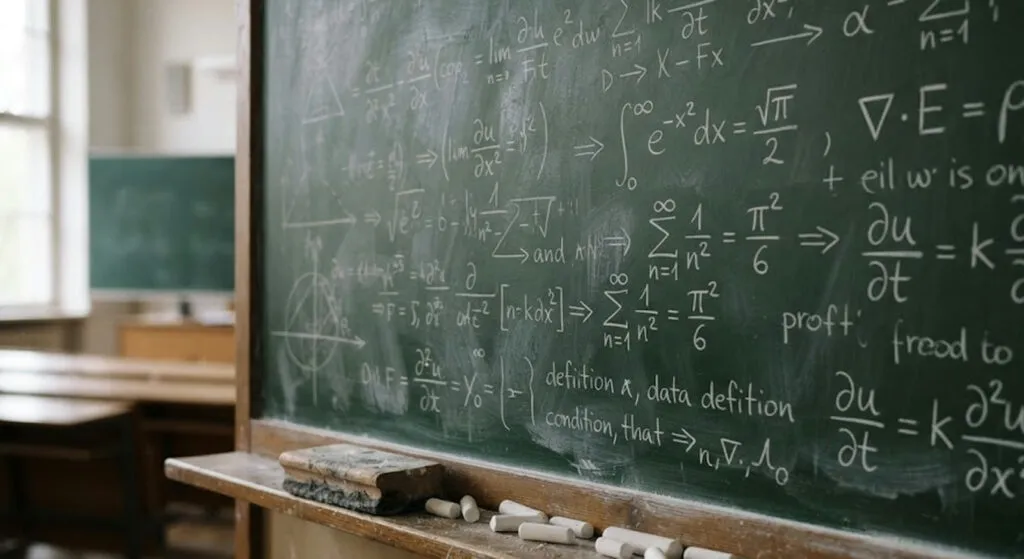
The biggest names in mathematics have signed a letter against the AI labs. The dispute is not whether the machine...

Five campaigns, 200 million exchanges, and the defences fell to a request for a Japanese translation. The industry that harvested...

The hackers were inside for a whole year. The company confirmed it only after a journalist found his own licence...
This site uses cookies - is that okay? Learn more
Be the first to know when Metla launches something new
Leave your email and we will write when there is a new guide or something new on Metla.
