
"That's not my job": the trial of the 13 Puls police officers restarted from scratch, and witnesses describe help being refused
22.09.2026


22.09.2026

22.09.2026

22.09.2026

22.09.2026

22.09.2026
22.09.2026

22.09.2026

21.09.2026

20.09.2026

22.09.2026

22.09.2026

21.09.2026
22.09.2026

22.09.2026

22.09.2026

22.09.2026

21.09.2026

20.09.2026

22.09.2026

22.09.2026

22.09.2026

22.09.2026

22.09.2026

22.09.2026

09.03.2026

27.02.2026

19.02.2026

22.09.2026

21.09.2026

21.09.2026

23.04.2026

23.04.2026

12.04.2026

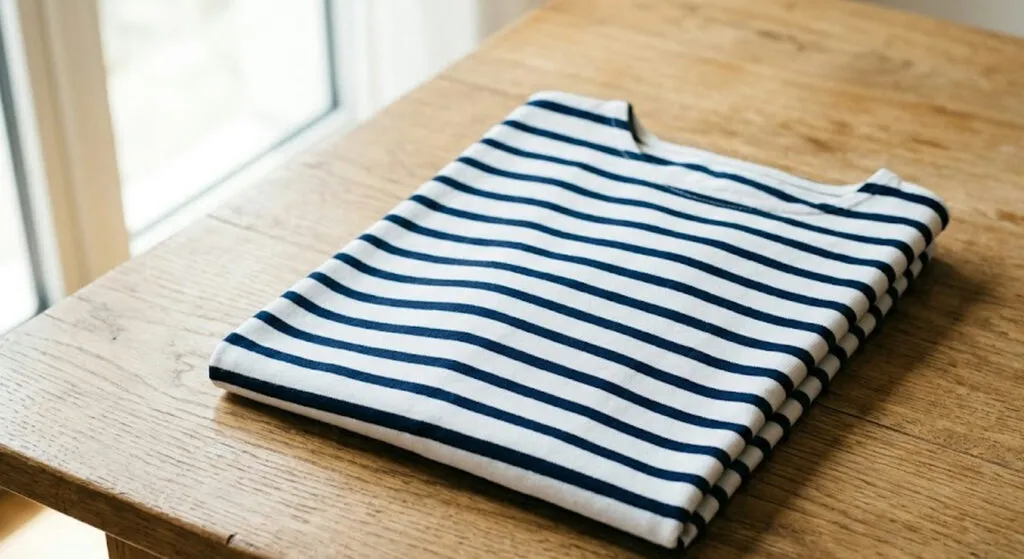
The horizontal sailor-stripe shirt is one of those things you wear without asking why - it's universal, it always works, it never tips into being trendy. Behind it stands a woman who, back in 1917, decided that women deserved comfortable clothes: Coco Chanel.
On the Normandy coast, in an age when corsets were the standard, Chanel watched the fishermen in their characteristic Breton tops. Borrowing the shape and adapting it for her 1917 nautical collection, the striped shirt became a symbol of liberation from clothes that compressed the body. Not just a fashion statement - one of the first practical weapons in the fight for women's comfort.
From there, the shirt passed through Brigitte Bardot, Audrey Hepburn, Jean Seberg, James Dean and - unexpectedly - Picasso. Every generation reinterpreted it: in the 60s as Parisian bohemia, in the 90s as minimalism, and over the last few years more often paired with wide jeans and vintage slip-on ballet flats.
The trick is the balance between the classic shape and a modern setup. The striped shirt sits well with a gabardine coat or a light grey blazer (minimalist spring look), with wide jeans and slip-on shoes (casual, equally good for working from home and a coffee out), or with high-waisted trousers and a sharp-shouldered jacket (professional, without being strict).
For the Balkan woman who thinks fashion is only for those with unlimited budgets: this is one of three pieces of clothing where the buy is impossible to get wrong. 12-15 euros for a basic model at Zara or H&M, 30-40 if you want something more durable. You aren't being sold an illusion - you are buying a tool.
The latest 10 news from this category
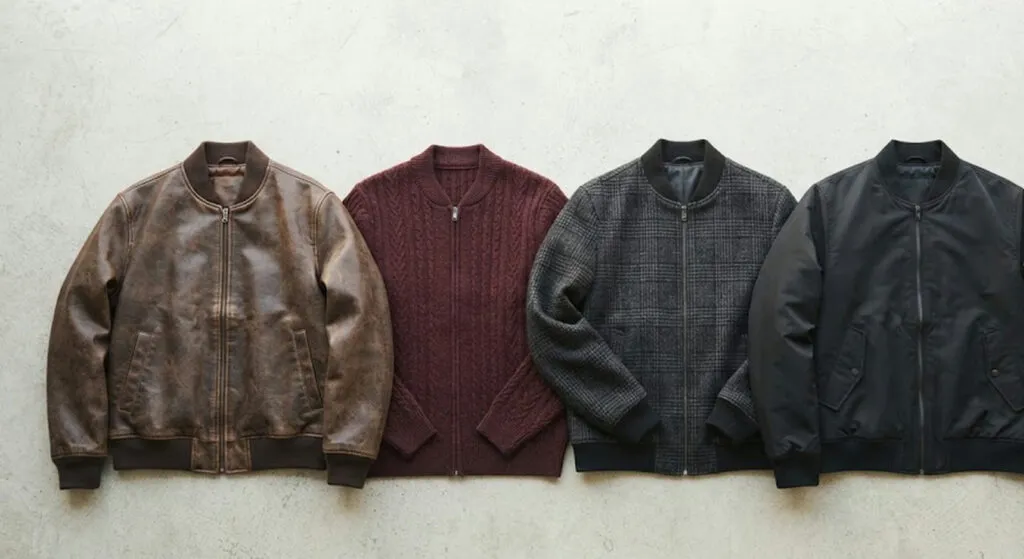
Here, half a wardrobe is bought by calculating how many years it will last. The brown leather one will look...

A decade in which aesthetic medicine sold transformation ends with one sentence: they want to look better, not different.

The catering was run by an uncle, the music was played by an uncle. If that sounds familiar, you have...
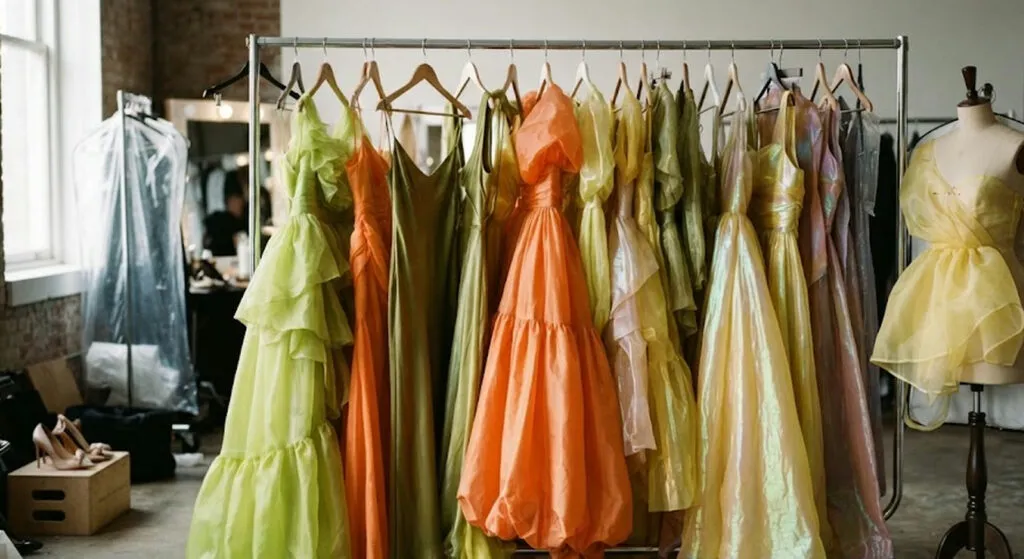
Three days in a lab coat with colorimetry scientists to produce a collection in lime and tangerine. The design director...
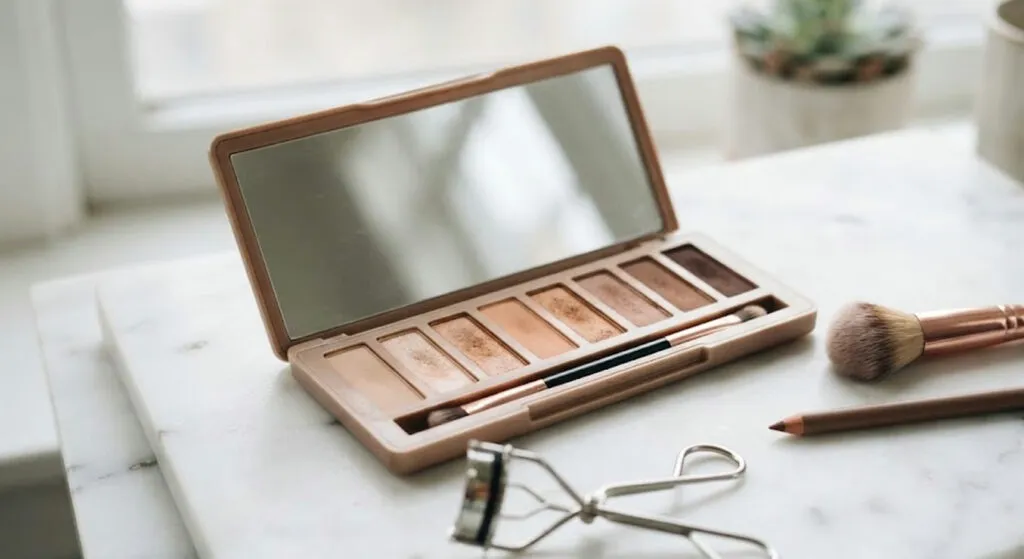
Cream concealer instead of powder, a brown pencil instead of black eyeliner, and a curler before the mascara. Not one...
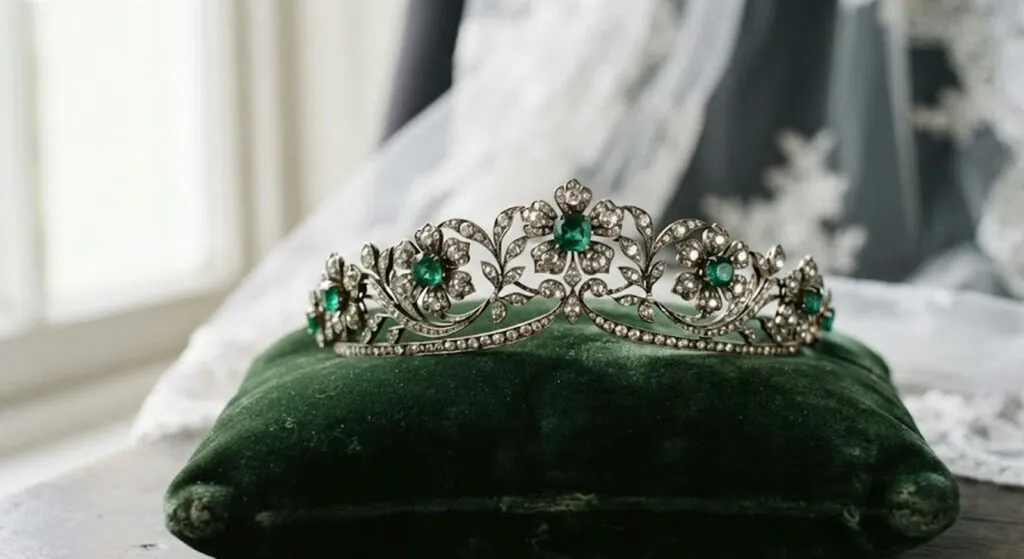
A boat-neck gown and wildflowers that deliberately refuse to compete with the jewellery. A fourth generation under the same diadem,...
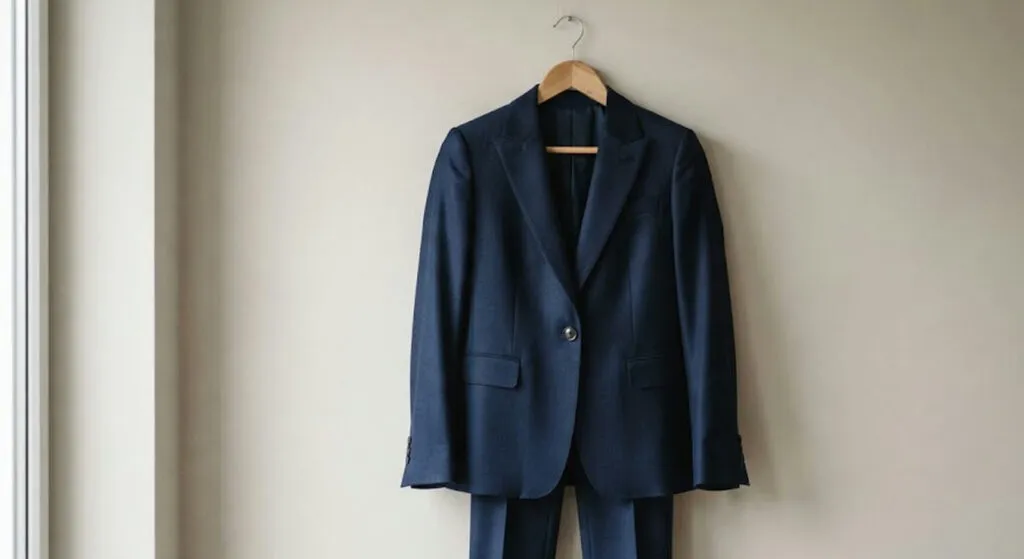
A communications expert says the trouser suit sidesteps sexist readings of hemlines and necklines. The same expert warns that the...
Dermatologists explain why the shedding arrives with a two to three month delay and why iron and vitamins do not...
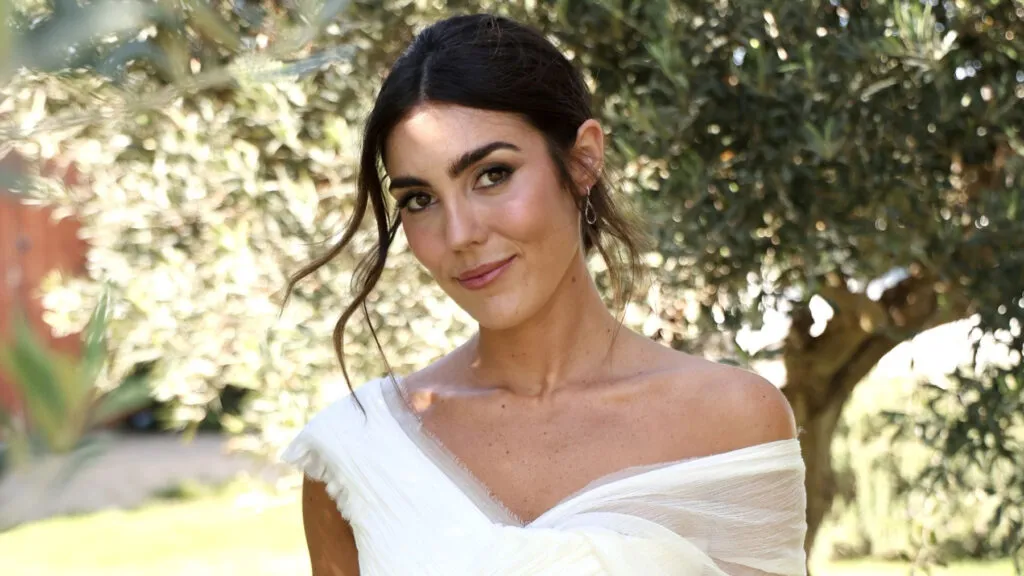
Silk bambula muslin, a hand-draped waist and a veil of crystal organza. The wedding was held in Cadiz, where the...

An industry that spent decades selling a flawless illusion is suddenly showing the shoot itself. That is not candour -...
This site uses cookies - is that okay? Learn more
Be the first to know when Metla launches something new
Leave your email and we will write when there is a new guide or something new on Metla.